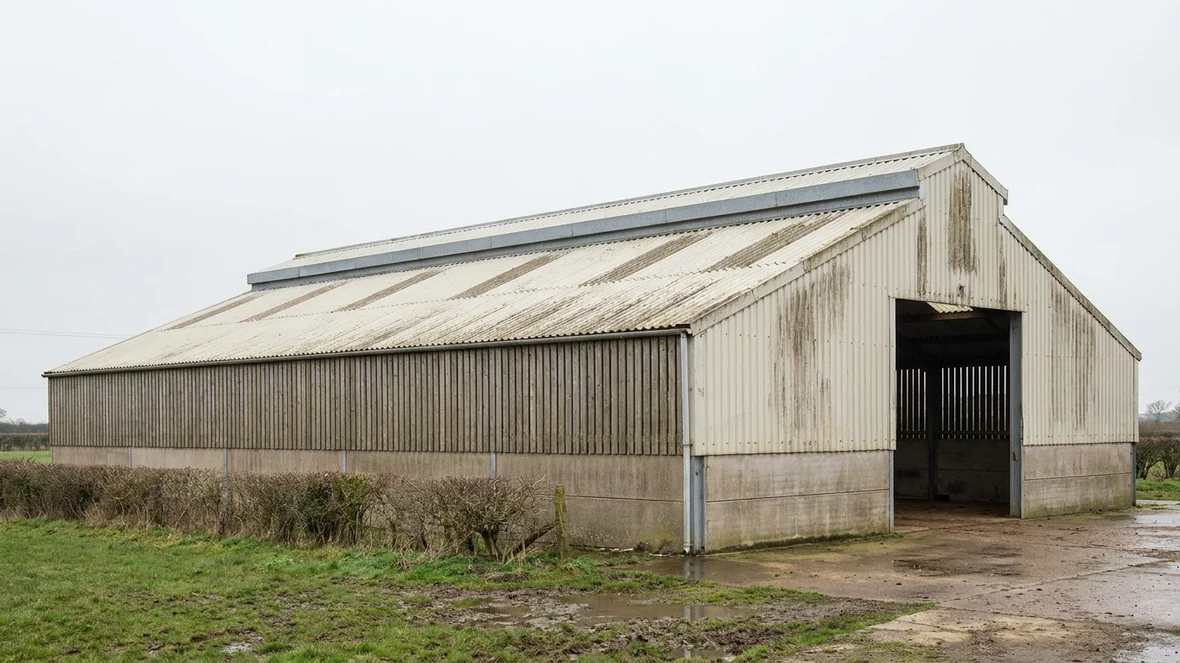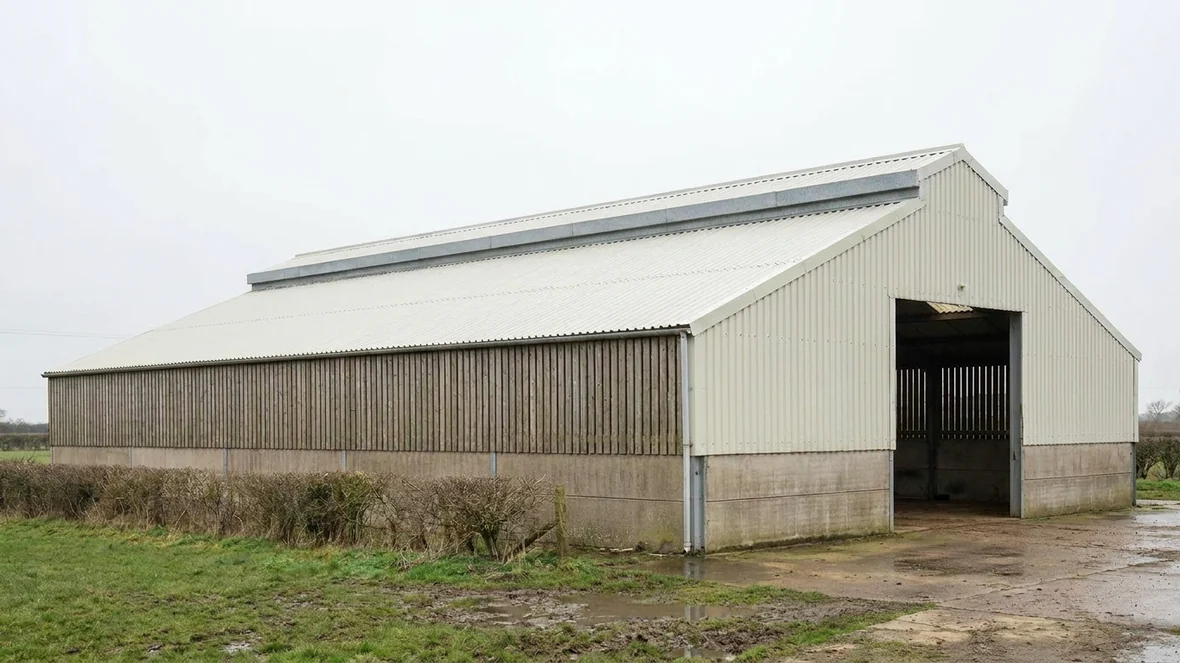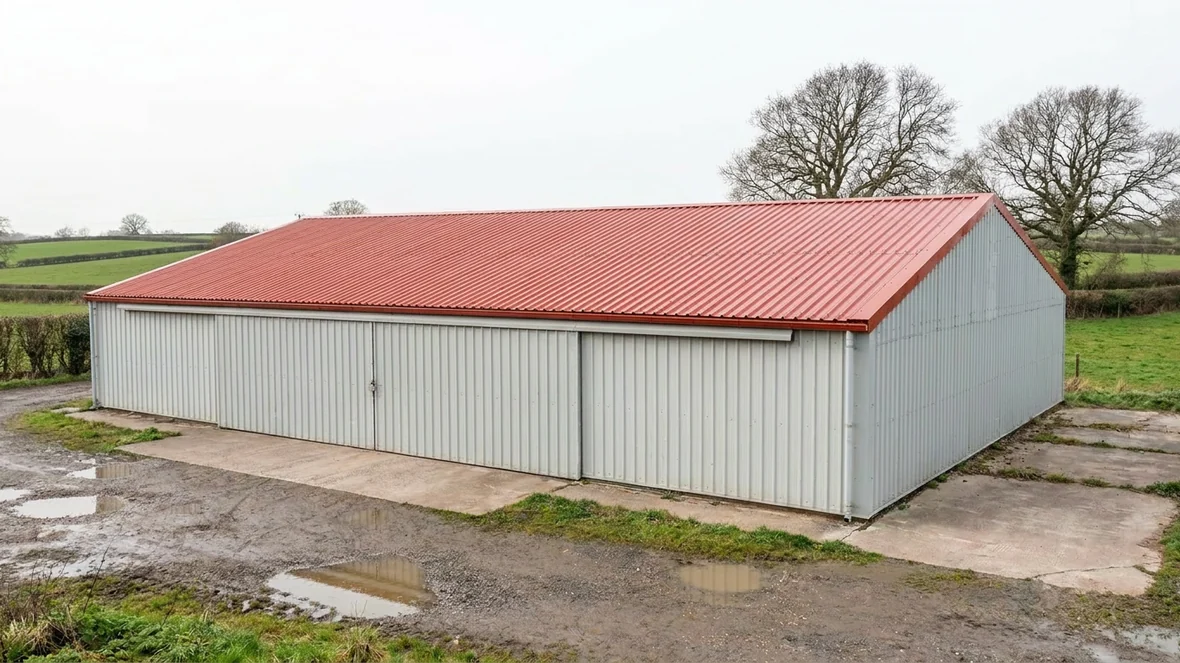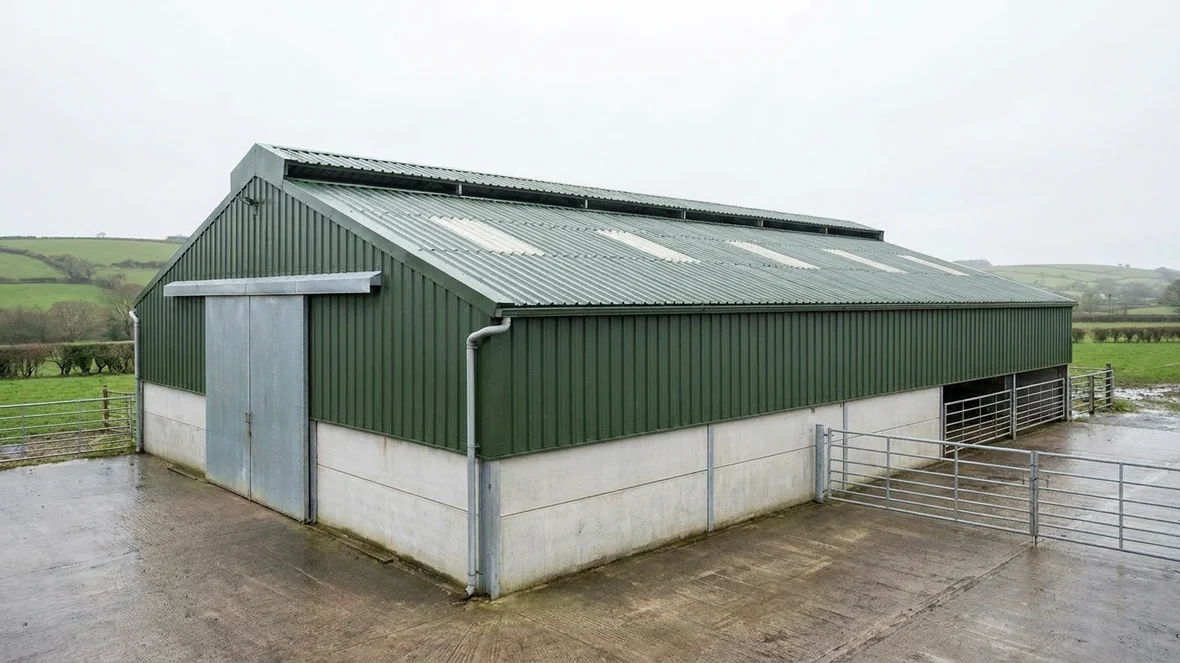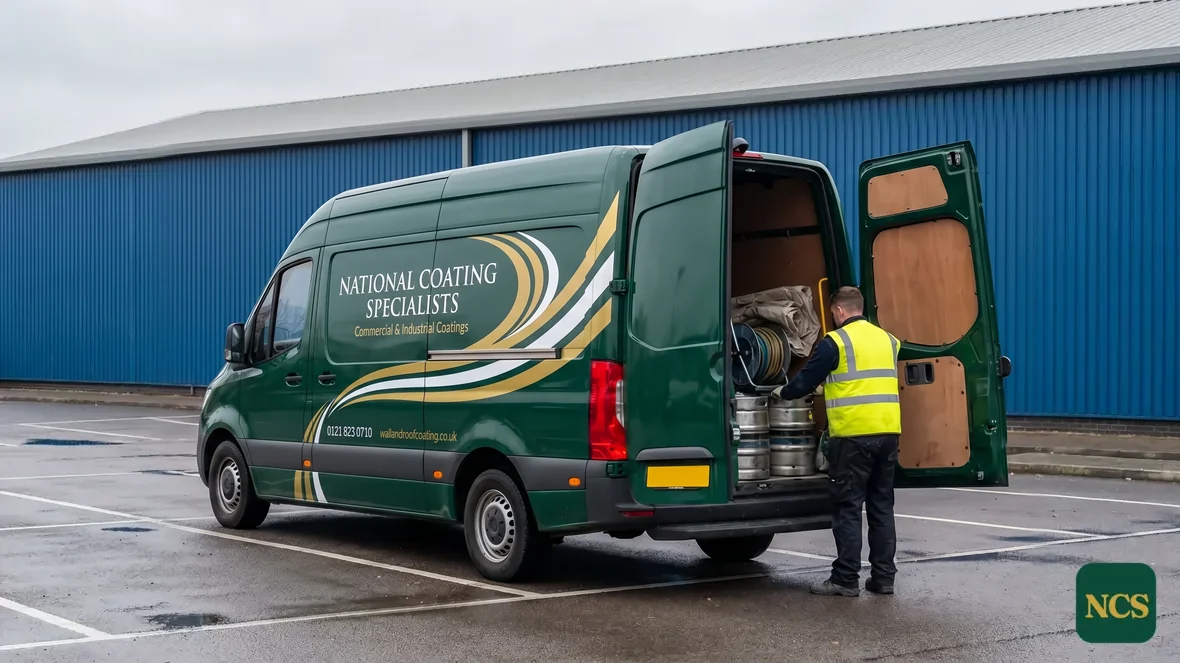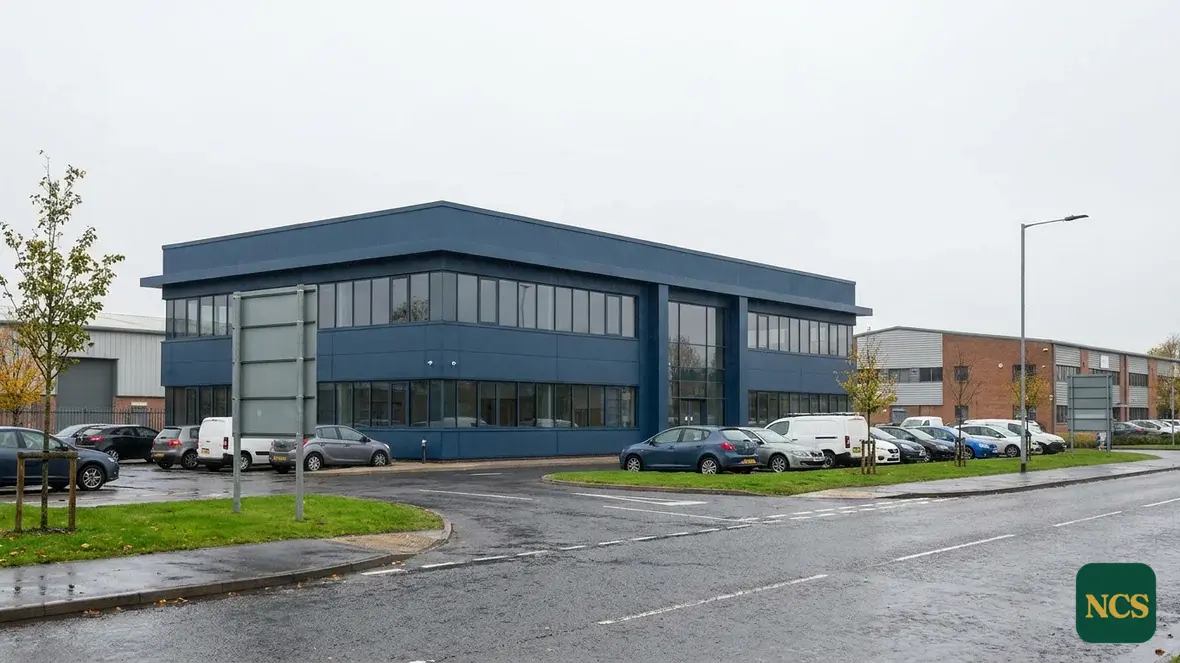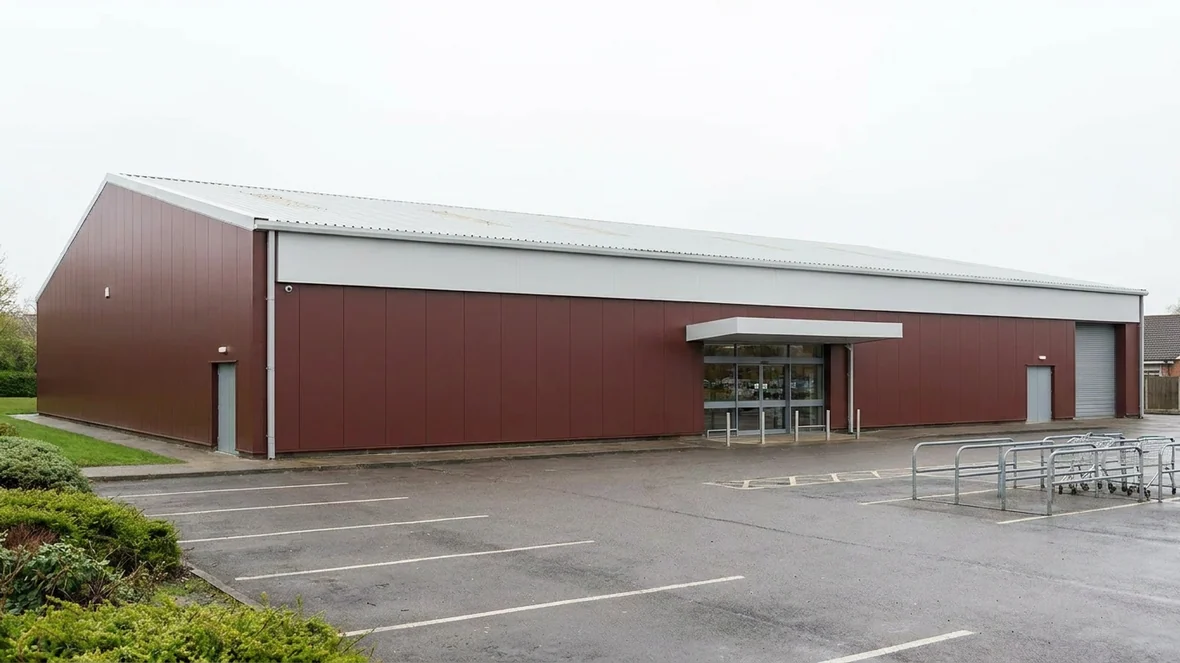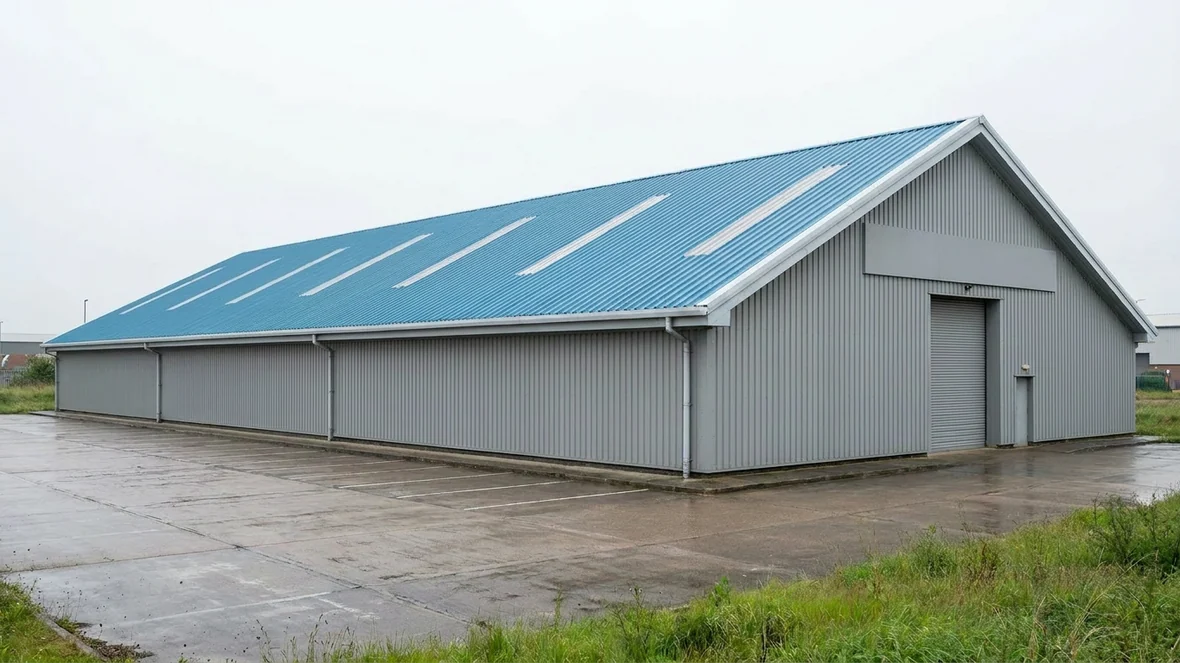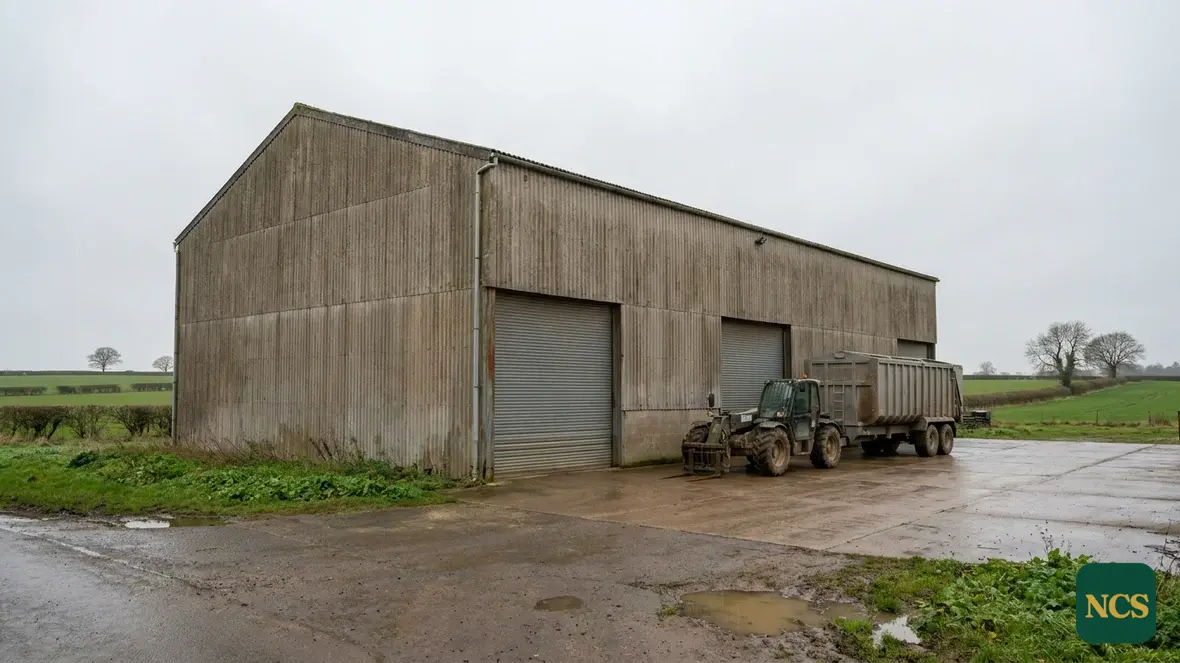




Farm Painters Berkshire from National Coating Specialists means one thing: we survey the building before we specify a system. Our farm painters berkshire work covers commercial, industrial and agricultural buildings, and every job starts with a free, no-obligation site survey.
Why farms across Berkshire call in farm painters
The working farms of Berkshire face some of the toughest conditions for maintaining buildings. The combination of year-round weather exposure, constant muck and ammonia from livestock, and frequent washdowns to meet hygiene standards takes a heavy toll on paintwork and protective coatings. What starts as minor wear can quickly become structural vulnerability when left untreated.
The farm building stock of Berkshire
From the dairy units around Reading to the arable storage barns of Newbury and the mixed livestock holdings dotting the Thames Valley, Berkshire’s rural buildings share common construction traits. Steel portal frames with composite roof sheeting dominate newer builds, while older brick and timber barns still form the backbone of many estates. The county’s proximity to London means many farms balance intensive production with maintaining heritage structures.
What farm painting work involves
Modern farm painting means more than slapping on another coat. Spray-applied coating systems are the standard for durability, with epoxy and polyurethane formulations chosen to match each substrate. Steel cladding requires different preparation and products from timber boarding or concrete blockwork. A proper job starts with identifying what’s underneath, then building up the right layers to protect against the specific challenges each building faces.
- Detailed substrate assessment before any paint touches the surface
- Specialist coatings matched to ammonia resistance requirements
- Full coverage of all exposed edges and vulnerable junctions
- Systematic approach to overlapping maintenance cycles
The repairs that come before painting
Farm painting rarely begins with a brush. Most jobs start with fixing the problems that caused the previous coating to fail – replacing corroded fixings, treating timber rot, or patching damaged roof sheets. Barn painters spend as much time on preparation as application, especially when dealing with ammonia degradation around livestock housing or weather damage to south-facing elevations.
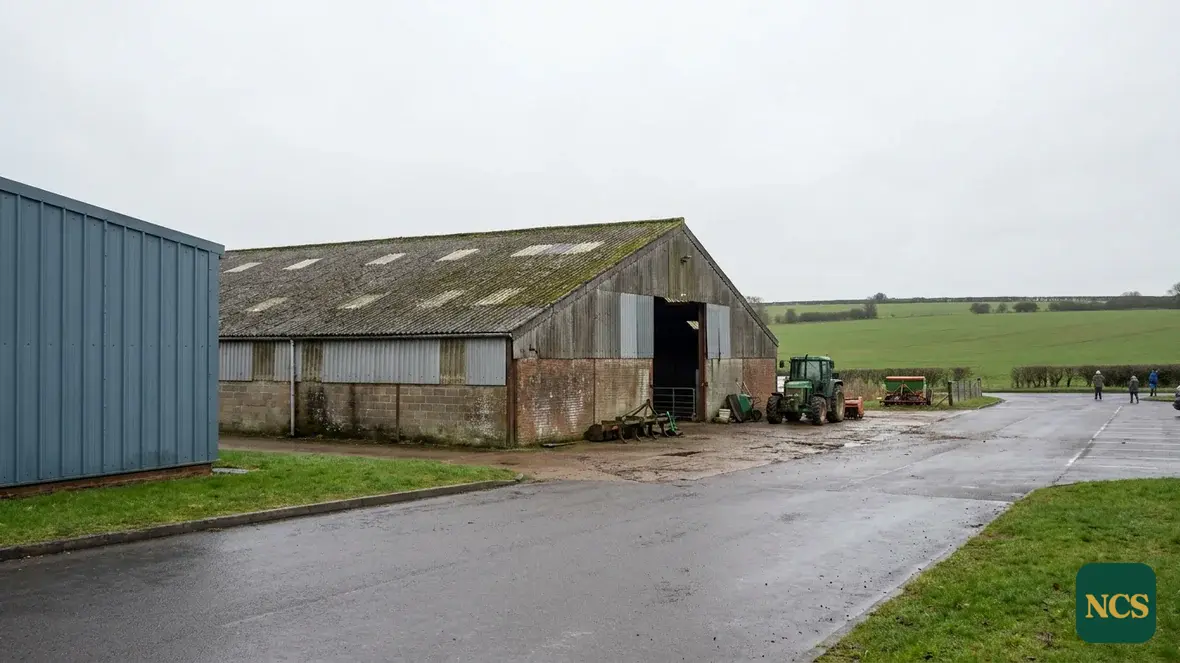
Our survey-led approach to farm painting
Every farm painting project starts with a site survey. We walk the buildings with you, noting how each structure is used and where previous coatings have held up or failed. This tells us more than any photo or description could – seeing where tractor arms scrape walls, which roof slopes take the worst weather, and how ventilation patterns affect condensation. Only then can we specify a coating system that will last.
Why the survey comes before specification
The right farm painting solution depends on understanding three things: what’s there now, how it’s failing, and why. A survey establishes all three. Without it, you risk either over-specifying expensive coatings where simpler solutions would suffice, or under-protecting areas that need more robust treatment. Our process ensures every recommendation is grounded in the actual conditions of your Berkshire farm buildings.
Learn more about our farm painting services or arrange your free survey.
Common questions about farm painters Berkshire
Can a rusty farm building be painted?
Often, yes, provided the metal remains structurally sound. We assess the depth and spread of corrosion before recommending treatment. Loose rust, failed paint and contamination must be removed, while heavily perforated or weakened sheets are generally better replaced. Coating will protect a viable substrate, but it will not restore lost structural strength.
Can you coat a farm roof without disrupting daily operations?
In many cases, work can be organised around livestock movements, machinery access, deliveries and other farm activity. The practical sequence depends on the building layout and safe access requirements. We agree working areas in advance and consider noise, overspray, ventilation and the protection of stored materials.
What is the best time of year to paint agricultural buildings?
Coatings need suitable surface temperatures, dry conditions and an acceptable weather window. Warmer months often provide more opportunities, although excessive heat, condensation and sudden rainfall can still cause problems. We plan around actual site conditions rather than relying on the calendar alone.
Can farm painters in Berkshire coat cladding as well as roofs?
Yes. Suitable metal wall cladding, roof sheets, gutters, trims, doors and other coated surfaces can often be refurbished. Each element may require different preparation because weathering, corrosion and previous repairs are rarely uniform across the whole building.
Can an asbestos cement farm roof be painted?
Potentially, but it requires a different approach from metal sheeting. The roof must first be identified and its condition assessed. Abrasive preparation methods that could release fibres are not appropriate. If sheets are badly damaged, friable or unsuitable for safe access, specialist removal and replacement may be the correct course.
Coating or replacement for an agricultural building?
Coating is usually worth considering when the roof or cladding remains serviceable but its factory finish has weathered, faded or begun to corrode. Careful preparation and a compatible coating system can protect the existing sheets while avoiding the disruption and material use associated with stripping the building envelope.
Replacement wins when sheets have widespread perforation, severe distortion, extensive cracking or inadequate structural support. It is also the better option where repeated patching has left an unreliable surface, where water ingress originates from failed construction details that coating cannot correct, or where the building needs substantial insulation or design changes.
A coating is not a substitute for renewing failed fixings, defective flashings or rotten supporting materials. Local sheet replacement and remedial work may be needed before coating, and there are cases where combining repairs with refurbishment is the most proportionate solution.
As farm painters in Berkshire, we base the recommendation on substrate condition rather than appearance alone. If replacement offers the sounder long-term result, we say so plainly.

Preparation details that determine coating performance
Agricultural buildings present a particular mix of contaminants and vulnerable details. Dust, organic residue, grease, algae and loose oxidation can all interfere with adhesion. We therefore establish what is on the surface before deciding how it should be cleaned and prepared.
- We check laps, cut edges, fixings and gutters, where corrosion commonly develops before it becomes obvious across the main sheet.
- We remove loose and unsound material rather than attempting to bind it beneath a new finish.
- We treat remaining corrosion with a preparation and primer suited to the substrate and its condition.
- We confirm that washed surfaces are clean and dry before coating begins.
- We protect rooflights, vents, doors, vehicles, stored crops and adjoining property from spray drift and debris.
- We monitor wind, moisture, surface temperature and the risk of condensation throughout application.
Edges and interfaces deserve particular care. Coatings can bridge small irregularities, but they should not be used to conceal open laps, loose fixings or failed sealant. Those defects need to be addressed directly so that the finished system is protecting a sound and properly prepared surface.
Practical preparation for agricultural buildings
Successful farm painting depends less on the final coat than on the condition of the surface beneath it. As farm painters in Berkshire, we assess each elevation, roof or internal area before deciding how it should be cleaned, repaired and coated. Agricultural buildings often combine several materials and exposure conditions, so a single preparation method is rarely suitable throughout.
Cleaning and surface assessment
We remove loose dirt, organic growth, flaking paint and other contamination that could prevent adhesion. Particular attention is paid to sheltered laps, fixings, gutters and lower wall sections, where moisture and debris tend to collect. Surfaces are then allowed to dry adequately before coating begins.
Metalwork and profiled sheeting
Corroded areas are prepared back to a sound edge, with loose rust and failed coatings removed. We inspect overlaps, cut edges, fasteners and local repairs because these details commonly deteriorate before the main sheet. Preparation is adjusted to the condition of the substrate rather than applied uniformly for convenience.
Masonry, timber and mixed substrates
Cracked, friable or powdery masonry requires stabilisation and local repair before decoration. Timber is checked for failed coatings, open joints and moisture-related deterioration. Where materials meet, we avoid bridging movement joints or sealing details that need to drain or ventilate.
Working around an operational farm
Access and sequencing are planned around livestock, machinery, stored materials and routine farm movements. Before work starts, we agree which areas must remain available and identify surfaces that require protection. Our practical controls may include:
- isolating the immediate work area from animals and unauthorised access;
- protecting doors, lights, vents, gutters and adjacent finishes;
- containing preparation debris and removing it from the work area;
- monitoring weather conditions before cleaning or coating exposed surfaces;
- keeping ventilation openings and drainage routes clear; and
- sequencing work so prepared surfaces are not left exposed unnecessarily.
This methodical approach gives the coating a properly prepared base and helps reduce avoidable disruption to day-to-day farm operations.
Recently — July 2026
Long daylight and warm, dry days are when a coating cures and bonds best, so summer is a sensible time to get the work booked in.
If a coating is not the right call for your building, we will tell you that after the survey rather than sell you a job that fails.
All access and work at height is planned in line with HSE work-at-height guidance.