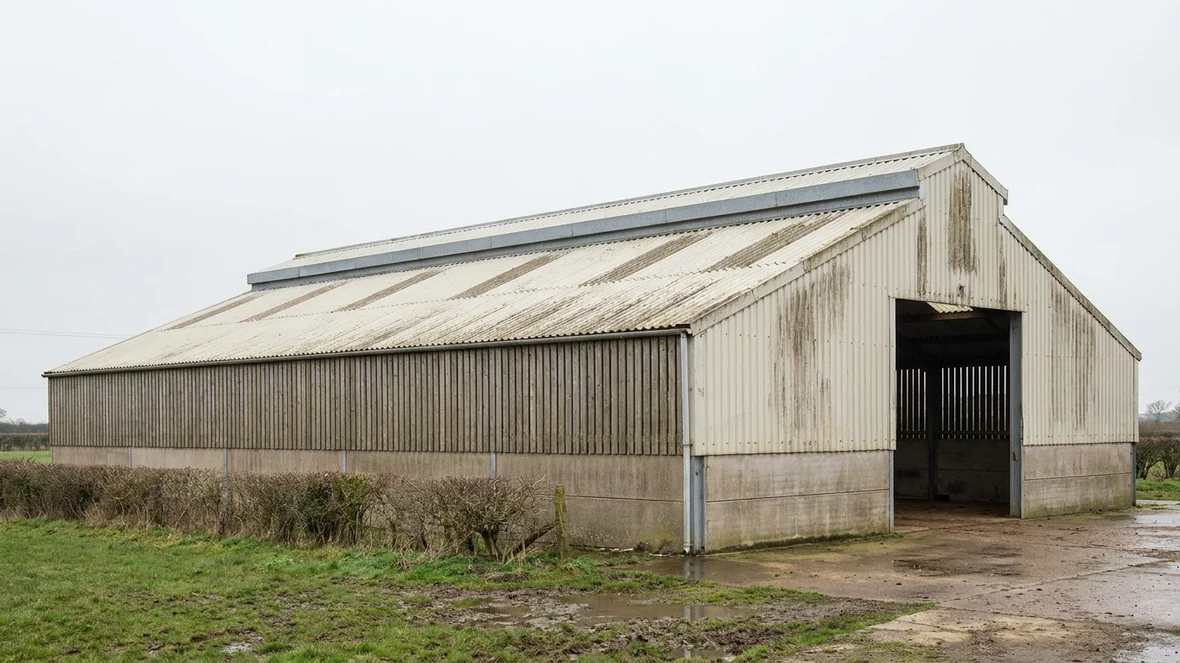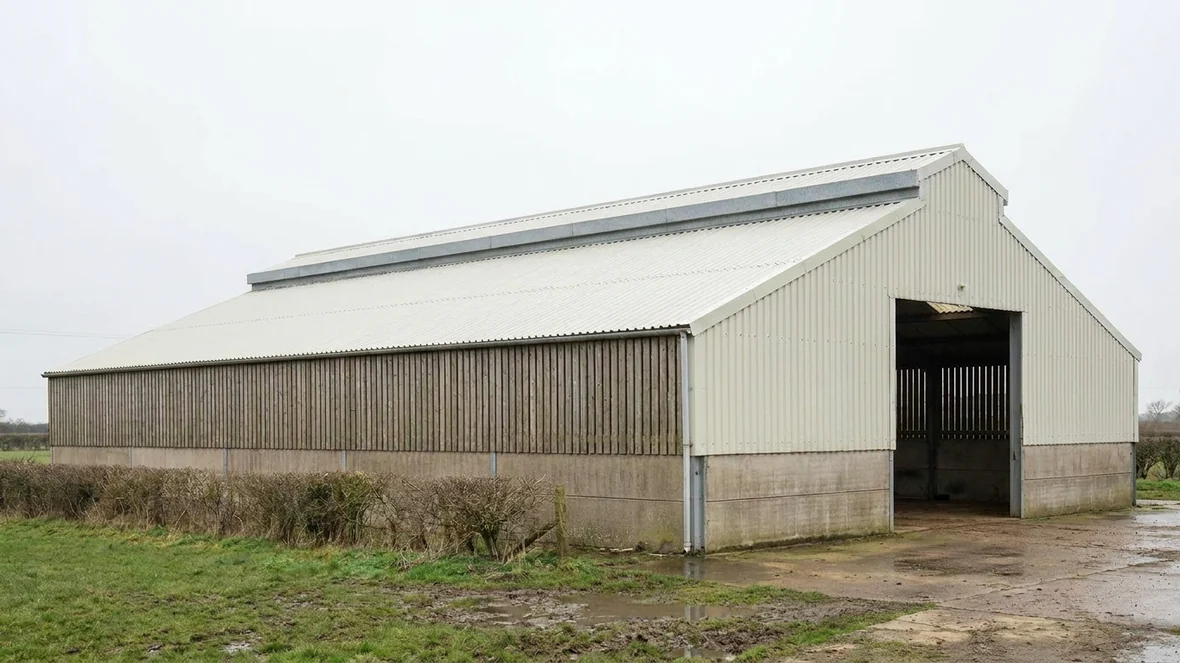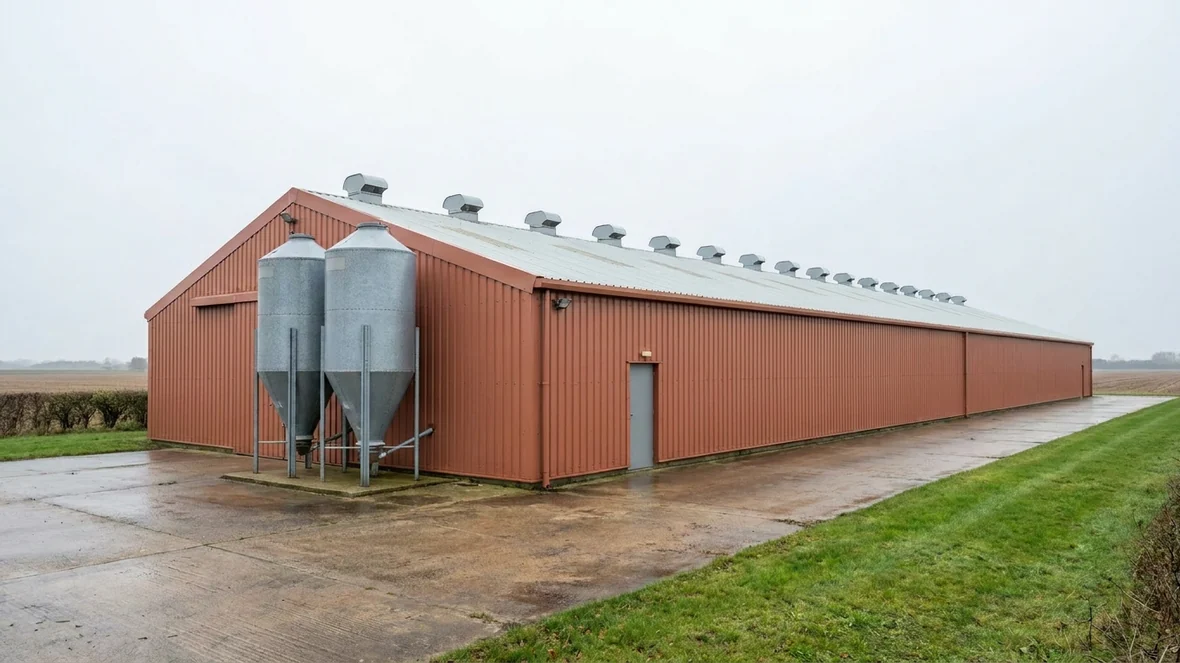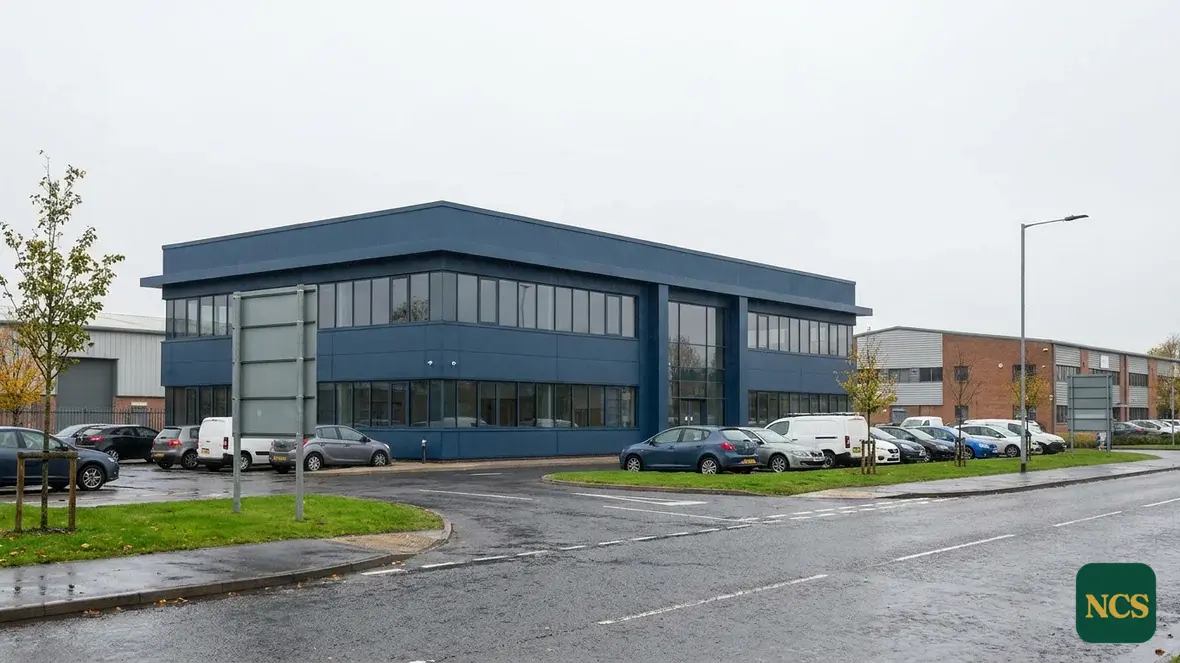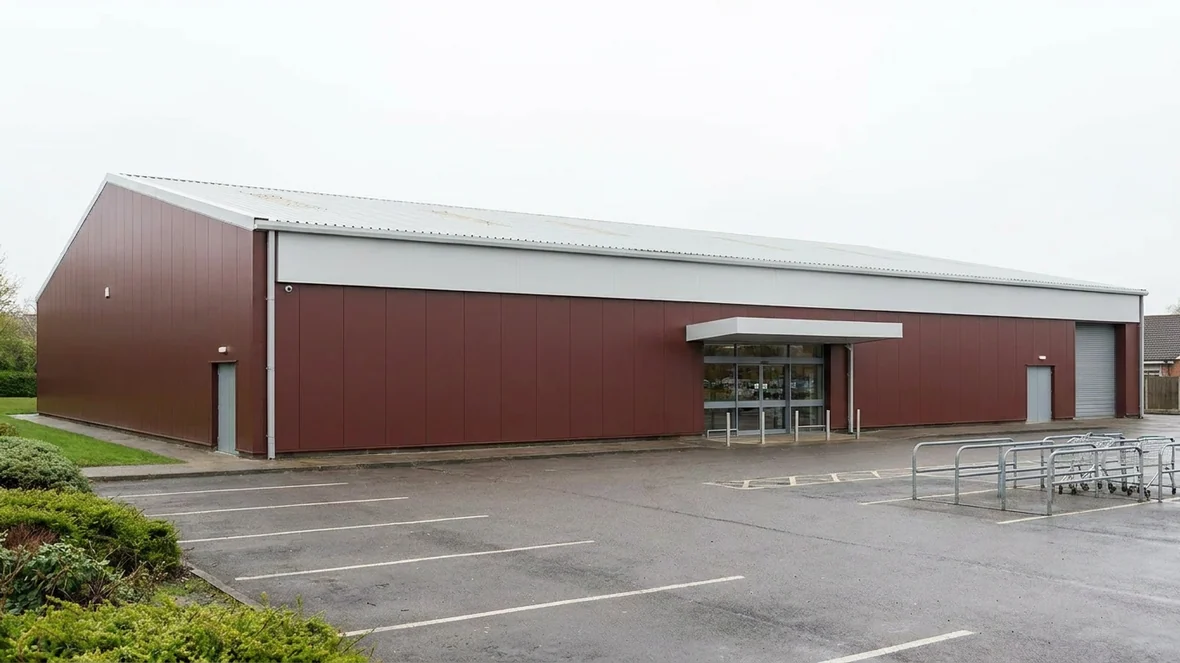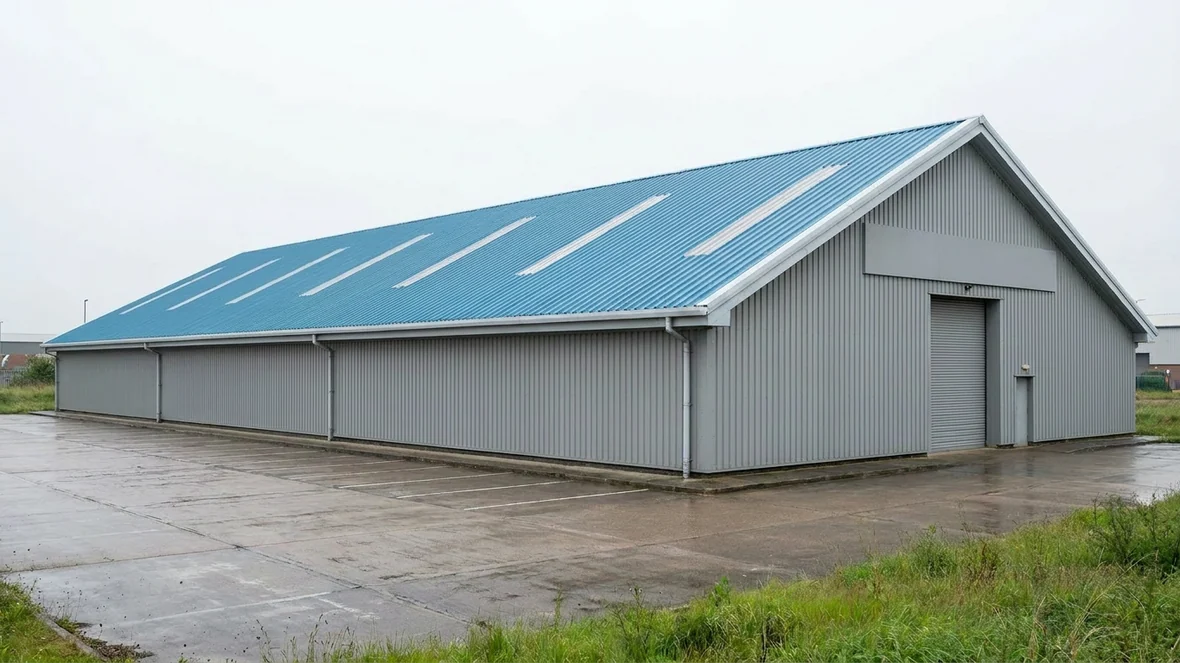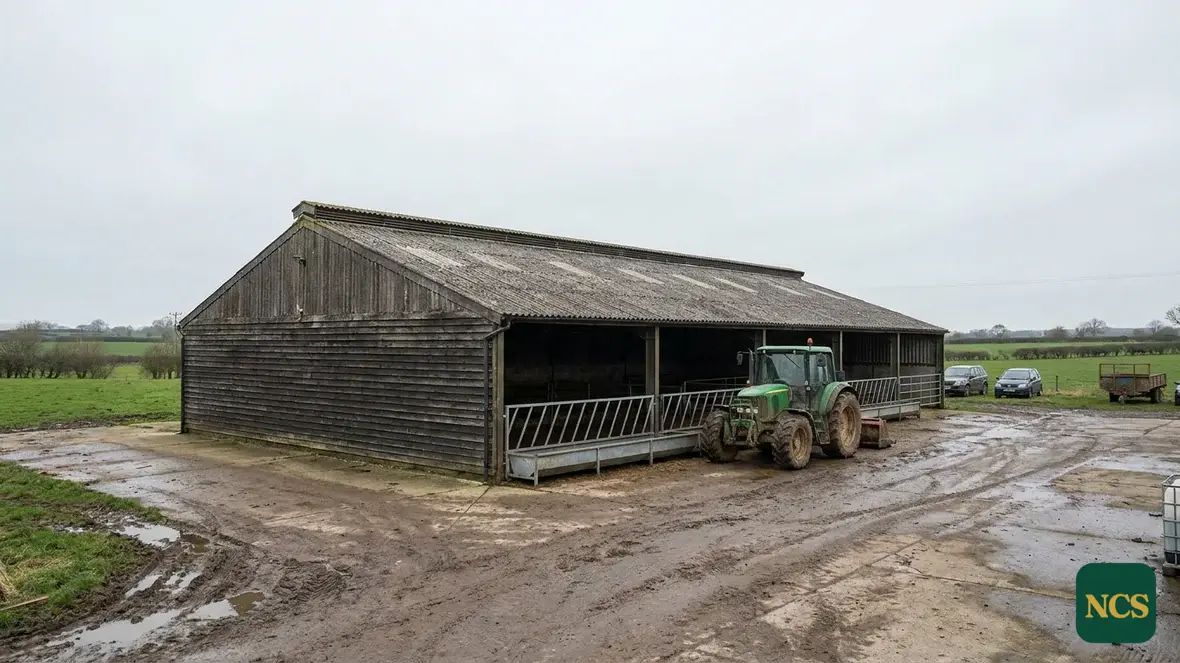




Barn Painters Oxfordshire means we follow the same survey-led route we apply everywhere: one of our surveyors inspects the building first, photographs the condition, and the specification follows the substrate rather than a price list.
Why barns across Oxfordshire need painting
Walk around any farm in Oxfordshire and you’ll see it: exposed timber and steel structures on agricultural buildings take a constant beating from the weather. Driving rain gets into untreated cladding, and UV radiation bleaches and cracks exterior surfaces. Livestock housing needs durable, hygienic coatings that can stand up to ammonia and moisture. We’ve seen plenty of estate buildings from the 1960s and 70s, especially around Witney and Bicester, where the original coatings have failed and the substrate is really starting to go.
The barn and shed stock of Oxfordshire
Oxfordshire’s working farms cover a lot of ground, from the Cotswold stone belt to the mixed arable units of the Thames Valley. You’ll find traditional timber-framed barns clustered around villages like Woodstock and Charlbury. Over near Abingdon and along the A34 corridor, larger, modern steel portal sheds serve dairy farms and grain stores. Then there’s the county’s equestrian sector, with extensive stable blocks, many with ageing timber weatherboarding that needs a good protective coating.
What commercial barn painting involves
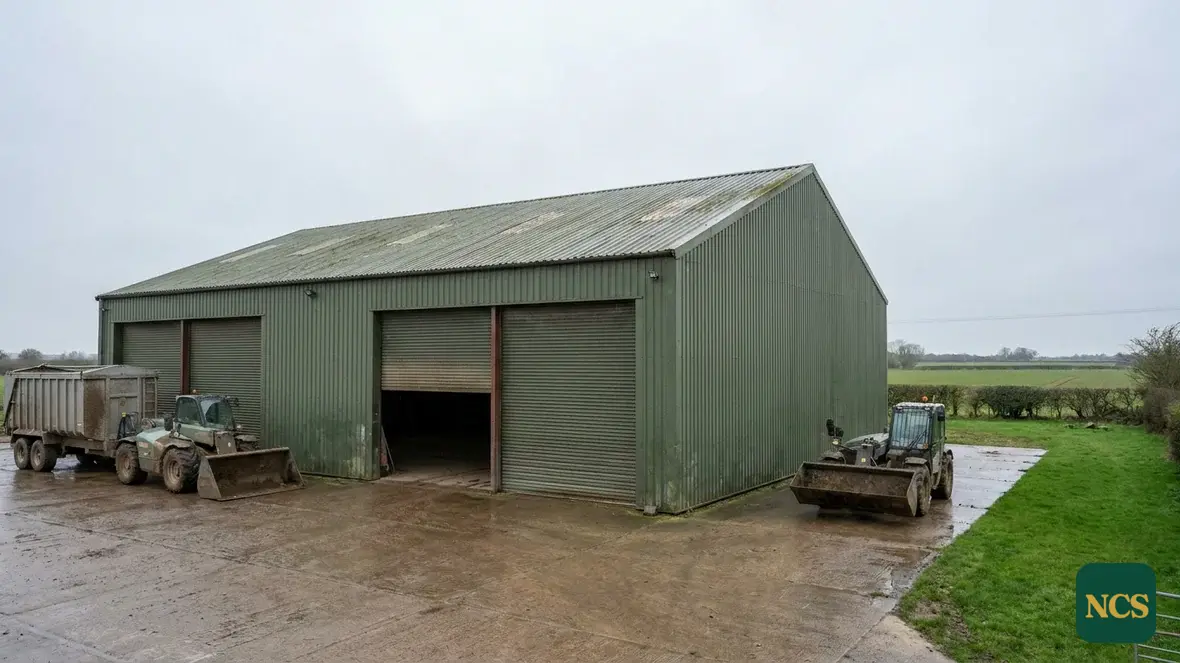
We use spray-applied coating systems to transform agricultural buildings, keeping disruption to a minimum. For timber, we specify breathable microporous finishes that let moisture out but keep water from getting in. Steel portal frames get corrosion-inhibiting primers before we put on the durable topcoats. The whole process starts with proper surface preparation: we pressure wash to get rid of organic growth, and we mechanically abrade existing coatings to make sure the new stuff sticks.
- We assess the substrate fully before we specify any coating.
- Pressure washing takes off algae and loose material.
- Spot repairs fix damaged timber or corroded steel.
- We apply coatings using airless spray systems for even coverage.
- Every critical junction and flashing gets inspected.
The repairs that come before painting
A coating system won’t perform if the surface underneath is shot. Our survey picks up rotten timber that needs replacing, especially at eaves and where it touches the ground. Steel portal frames often need corrosion treatment at the base plates and bolt holes. We sort these issues out before any paint goes on, making sure the new coating bonds to sound material.
Our survey-led approach to barn painting
Every single project we do starts with a detailed site assessment. We look at the substrate condition, the structural integrity and how exposed the building is to the elements. That’s how we work out the right coating system. We factor in things like building orientation, prevailing winds and what the building is actually used for: a dairy shed needs different solutions from a grain store. Only once we’ve done that evaluation do we specify products and application methods.
Why specification follows survey
If you just slap on coatings without knowing what the surface is like, it’ll fail early. A barn near Banbury might need timber preservative before a decorative finish. An equestrian complex in the Cherwell Valley could need extra UV protection. Our survey identifies these variables first. That way, the painting solution actually matches the building’s real needs, instead of just applying a standard, off-the-shelf spec.
Learn more about our barn painting services or book a free survey.
Common questions about barn painters Oxfordshire
Can a rusty corrugated barn roof be painted?
Often, yes. We first need to work out if the corrosion is just on the surface or if it’s actually weakened the sheets, fixings or laps. Sound metal can usually be cleaned, treated and coated. If the sheets have perforations, are extensively thinned or have failed edges, it’s usually better to replace them before we start coating work.
Can barn painters work around livestock and stored crops?
Usually, but we have to plan the job very carefully. We agree on access, isolate the working area and think about ventilation, any drifting spray, dust and the farm’s daily movements. Livestock, feed and sensitive equipment should be kept clear of all preparation and coating operations.
Can you paint an older fibre cement barn roof?
Possibly, but it really depends on its condition and what the material assessment tells us. Older fibre cement might contain asbestos, so you can’t treat it like ordinary cladding. We avoid uncontrolled abrasion and specify access, cleaning and coating methods that are appropriate for what our survey finds. If sheets are severely damaged or unsafe, they might need specialist removal rather than painting.
What weather do barn painters in Oxfordshire need?
Coatings need a decent weather window, not just a dry start. We have to consider the surface temperature, moisture levels, wind, the risk of condensation and the forecast during the curing period. Roofs and elevations can stay damp after rain or overnight cooling, even when they look dry from the ground.
How do I know whether a barn needs repainting?
Look for signs like chalking, fading, localised rust, exposed sheet edges, peeling around fixings and the coating failing at the laps. Getting on with maintenance early is generally simpler than waiting for widespread corrosion to take hold. We’ll survey the surfaces closely before we recommend how much preparation and coating is needed.

Barn coating or cladding replacement?
Coating is often the sensible choice when the roof or wall cladding is still structurally sound. It can bring back the weather protection, improve the look and slow down further surface corrosion without having to rip off perfectly good sheets. It’s particularly useful where the deterioration is mainly on exposed faces, cut edges, laps and fixings.
Replacement is the winner when the surface has simply reached the end of its working life. Perforated metal, extensive section loss, badly fractured fibre cement, constant leaks through failed sheets or widespread fixing failure can’t be fixed reliably with paint. Replacement might also be better if the building needs major changes to its insulation, ventilation or layout.
Sometimes, a bit of both is better than going to either extreme. We might suggest replacing a few defective sheets or components, then preparing and coating the sound cladding around them. Our survey helps us tell the difference between cosmetic coating failure and defects that need actual physical repair.
- Coating suits sound cladding with a stable surface that we can prepare properly.
- Local replacement suits isolated damage within an otherwise good elevation or roof.
- Full replacement suits widespread structural deterioration or if you’re planning to change the building’s performance.
- We won’t use coating to hide movement, active leaks or unsafe materials.
Preparation and detailing on corrugated barn cladding
The finish is only as good as the surface underneath it. We remove loose coating, dirt, organic growth and unstable corrosion using methods we choose specifically for the cladding material and its condition. If we suspect asbestos-containing surfaces, we take a different approach and never aggressively abrade them.
Corrugations create sheltered areas that are easy to miss from a distance. We pay very close attention to sheet laps, eaves, ridge details, cut edges, bolt heads and the lower sections of wall cladding where moisture and farm contamination tend to collect.
- We remove loose and failing material, we don’t just coat over it.
- Corroded areas are prepared back to a firm edge.
- Defective fixings and damaged sheets are identified before we start decorating.
- Laps and joints are checked for movement, trapped debris and moisture.
- Gutters, rooflights, vents and adjacent surfaces are protected during application.
- We check coating thickness and coverage across crowns, troughs and those awkward details.
The application method depends on access, how the building is used, wind conditions and how much detailed work is needed. Spray application can cover large profiles efficiently, but brushes and rollers are still useful around fixings, edges and in restricted areas. We pick the method that suits the building, rather than trying to force every barn into the same process.
Recently — July 2026
Settled summer weather suits coating and spraying work, with stable temperatures and dry surfaces helping systems cure and bond as specified.
Recent enquiries here have been a mix of metal industrial roofs, profiled cladding and ageing asbestos-cement sheets, all assessed on a free site survey before anything is specified.
All access and work at height is planned in line with HSE work-at-height guidance.