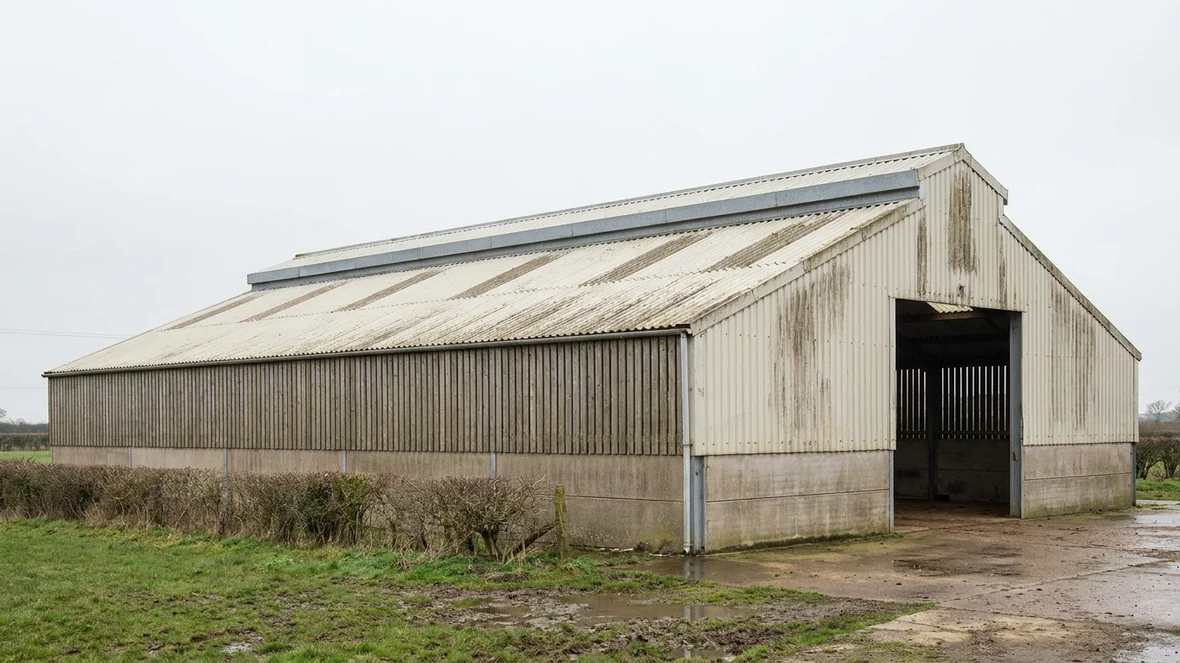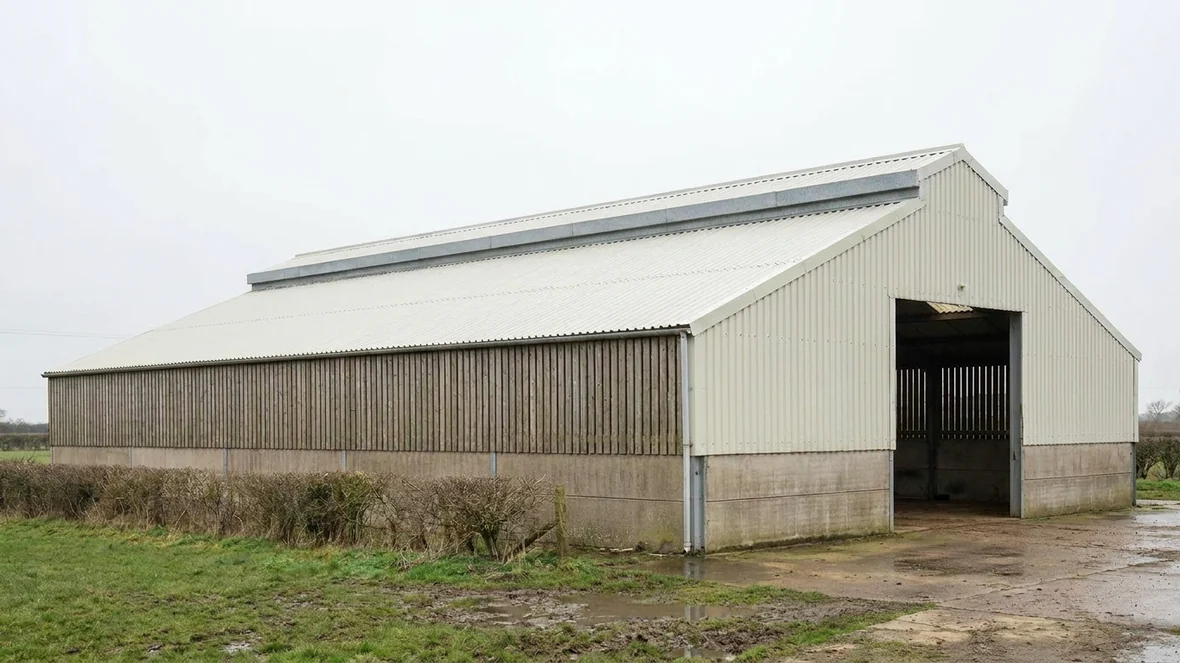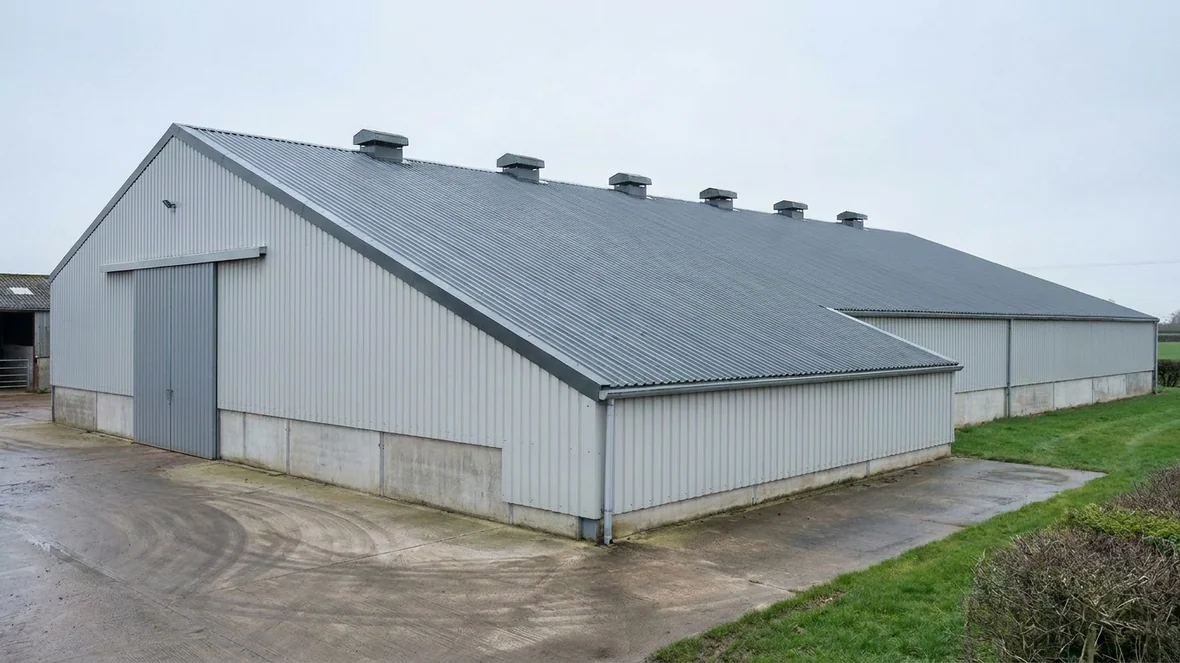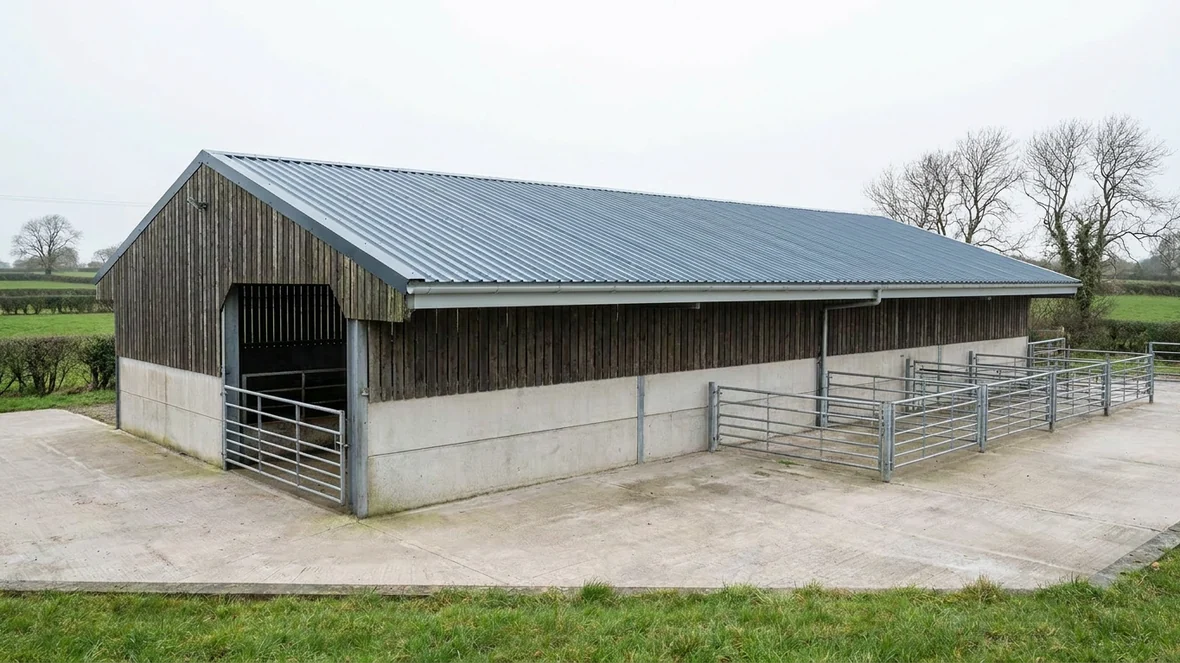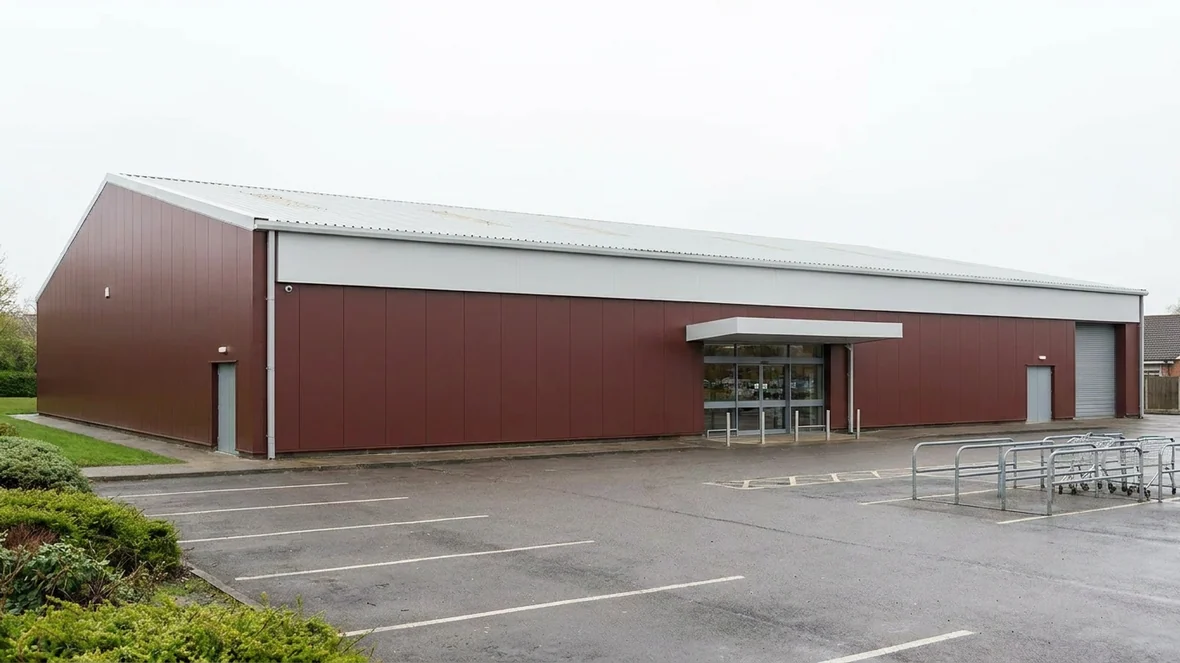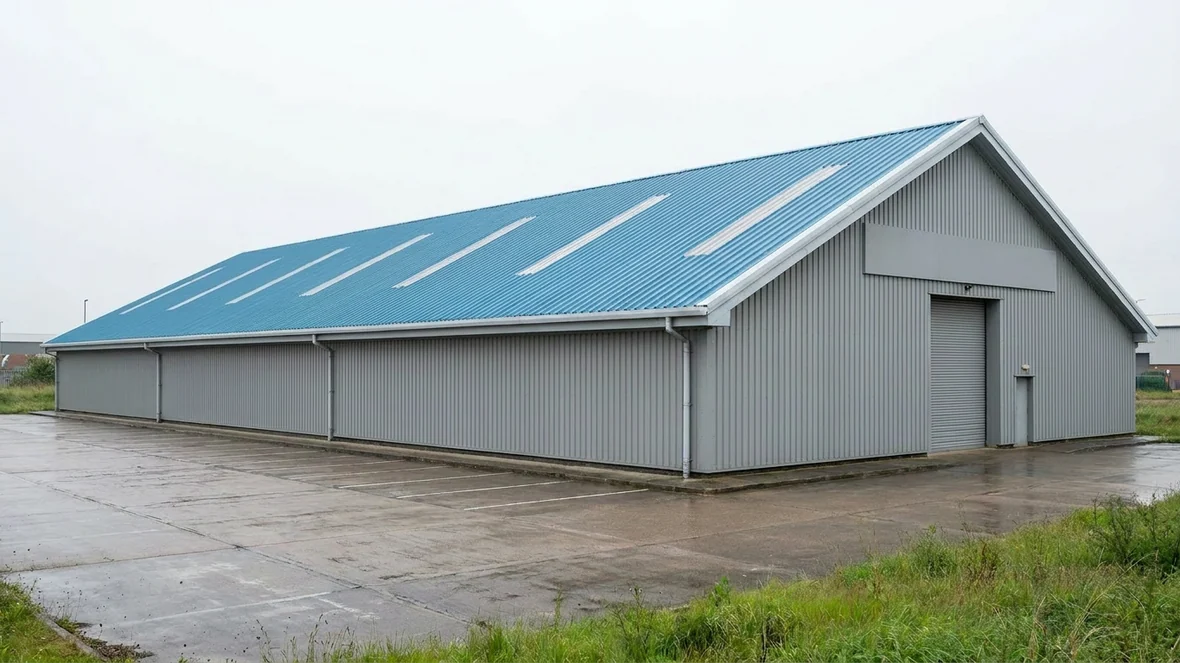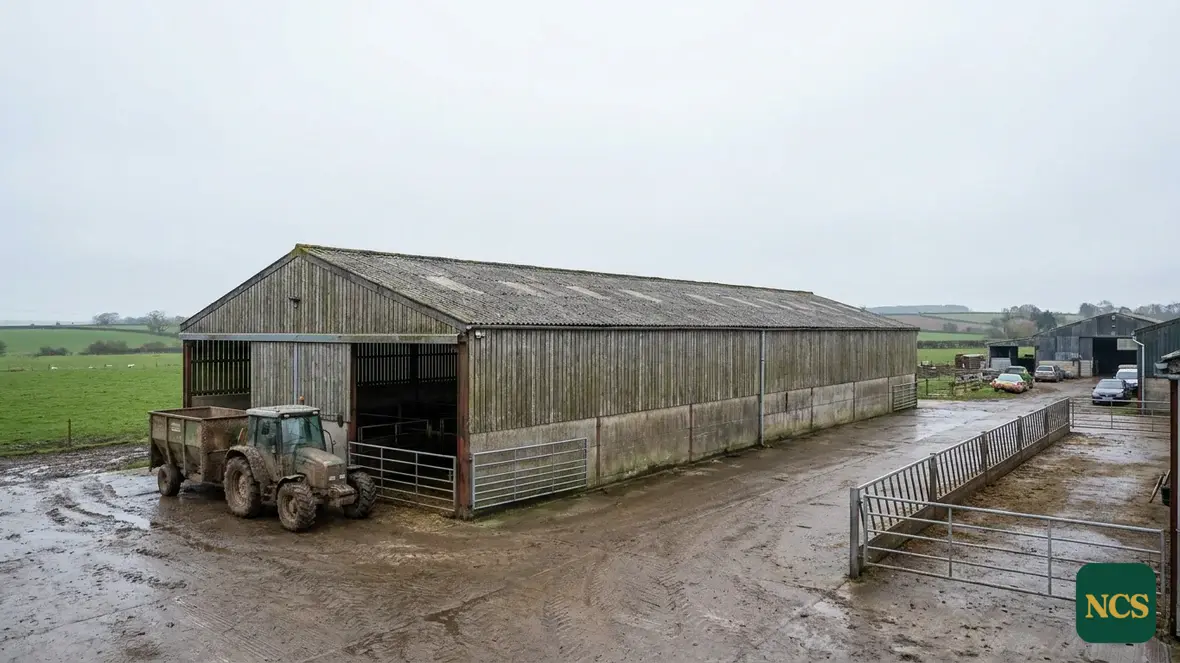




Farm Painters Oxfordshire means the same survey-led route we apply everywhere: one of our surveyors inspects the building first, photographs the condition, and the specification follows the substrate rather than a price list.
Why farms across Oxfordshire call in farm painters
The harsh realities of farming life take their toll on buildings. Daily exposure to ammonia from livestock, constant washdowns, and the abrasive effects of straw and feed storage gradually degrade even the toughest coatings. Around Oxfordshire’s working farms, we see the same patterns: peeling paint on timber cladding, corrosion creeping along steelwork, and protective layers failing prematurely under chemical attack.
The farm building stock of Oxfordshire
From the Cotswold stone barns of the north to the larger arable storage facilities near Bicester, Oxfordshire’s rural architecture reflects its mixed agricultural heritage. Many older buildings feature traditional timber cladding now requiring specialist attention, while modern steel-framed structures dominate newer developments. The county’s dairy farms around Witney and poultry units near Thame present particular challenges with their high ammonia environments.
What farm painting work involves
Proper farm painting goes far beyond slapping on another coat. We specify industrial coating systems designed for agricultural use – typically epoxy-modified acrylics or polyurethane topcoats over zinc-rich primers for steelwork, with breathable microporous finishes for timber. Application demands commercial painters experienced with airless spray equipment to achieve the necessary film thickness without runs or sags, especially on vertical surfaces like grain store cladding.
- Full substrate assessment before any coating begins
- Specialist products selected for ammonia resistance
- Proper surface preparation – never painting over problems
- Controlled application conditions for optimal curing
- Clear handover with maintenance guidance
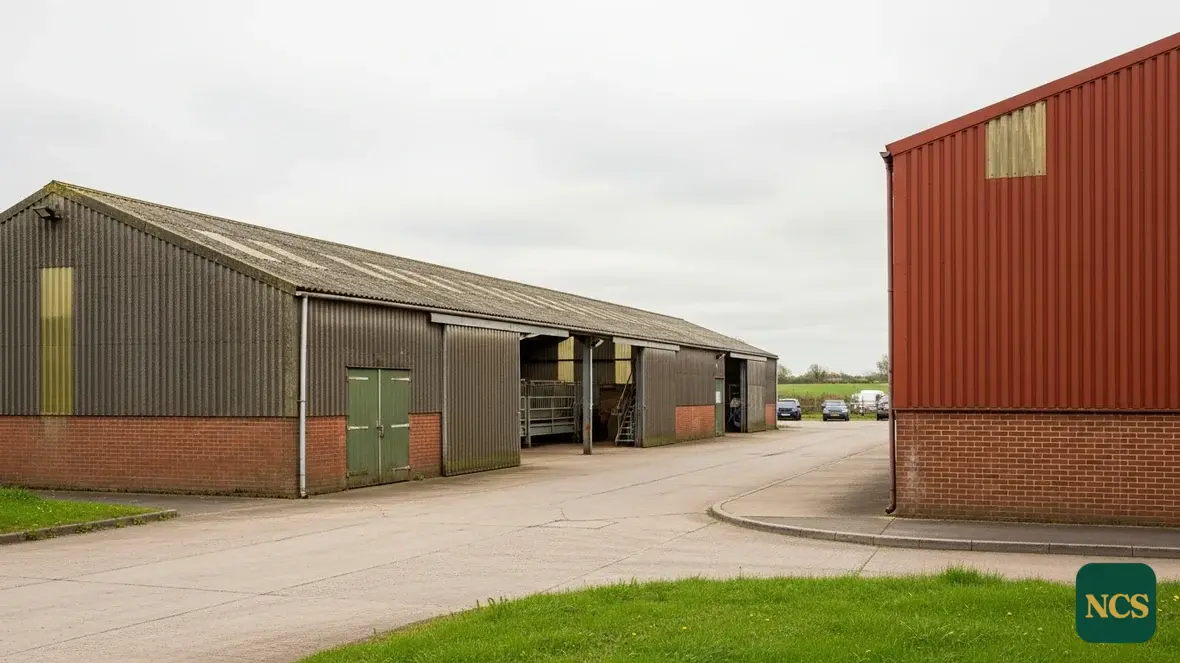
The repairs that come before painting
Barn painting often reveals underlying issues needing attention first. We routinely encounter rotten timber requiring splice repairs, corroded steel needing abrasive blasting back to bright metal, and failed flashings that must be replaced. On older Oxfordshire farmsteads, cracked mortar joints in stonework frequently need repointing before any protective coating can be considered.
Our survey-led approach to farm painting
Every project begins with a thorough site survey. We examine not just the obvious surfaces but the building’s entire envelope – checking for moisture ingress points, assessing previous coating failures, and identifying high-wear areas. This forensic approach allows us to specify exactly what preparation each substrate needs before considering which coating system suits the building’s use and exposure.
Why the survey comes before specification
There’s no shortcut to durable farm painting results. Without understanding why previous coatings failed or how ammonia vapours concentrate in certain areas, even premium products will underperform. Our process ensures we address the root causes of deterioration rather than just treating symptoms, giving Oxfordshire farm buildings protection that lasts.
Learn more about our farm painting services or book your free survey.
Common questions about farm painters Oxfordshire
How do I know whether a farm building can be repainted?
We begin with the condition of the substrate rather than the appearance of the old finish. Metal cladding with sound fixings and manageable corrosion is often suitable for preparation and recoating. If sheets are perforated, badly distorted or no longer securely fixed, painting will not correct the underlying failure.
A survey also helps us identify peeling finishes, failed overlaps, damaged fasteners, persistent moisture and contamination from agricultural use. These findings determine whether coating is sensible or whether repairs or replacement should come first.
Can farm painters work around livestock and normal farm operations?
Often, yes, although the work needs planning. We discuss livestock movements, machinery routes, deliveries, ventilation openings and working hours before starting. Spraying may require exclusion areas and temporary protection to prevent coating mist reaching animals, vehicles, stored crops or neighbouring property.
Where suitable separation cannot be maintained, work may need to be phased or completed when a building is empty. Safe access and control of the working area take priority over keeping every part of the farm operational.
Can a rusty corrugated roof be painted?
Surface rust can often be treated, provided the sheets retain sufficient strength. We remove loose corrosion and unstable coating, prepare sound edges and address vulnerable details before applying the specified coating system. Paint should not be used to disguise holes, severe section loss or failing fixings.
Leaks also need investigation. They may originate from laps, fasteners, flashings or penetrations rather than from the broad roof surface. Coating the sheets without dealing with those details rarely produces a satisfactory result.
Can asbestos cement farm roofs be coated?
Some asbestos cement roofs may be suitable for controlled coating, but their condition and legal status must be established first. They must not be treated like ordinary fibre cement or metal sheets. Aggressive cleaning can damage the surface and release fibres, so the preparation method, access arrangements and waste controls require particular care.
If sheets are extensively cracked, fragile or structurally unreliable, replacement by an appropriately competent contractor may be the better course. We do not present coating as a remedy for an unsafe roof.
When is the best time to paint an agricultural building?
Dry, settled conditions are preferable, but air temperature alone is not enough. We also consider surface temperature, condensation, wind, shade and the likelihood of rain before the coating has cured. Roofs and cladding can remain damp after the surrounding ground appears dry.
As farm painters in Oxfordshire, we also plan around harvest, livestock cycles and vehicle movements where possible. A workable programme depends on both the weather and the practical use of the site.

Coating or replacement for farm buildings?
Coating and replacement solve different problems. Coating preserves a serviceable substrate and restores its protective finish. Replacement removes material that has reached the end of its useful life. A survey should establish which of those situations applies before either option is specified.
When coating is the stronger option
Recoating is generally appropriate where roof or wall sheets remain structurally sound, corrosion is limited to treatable areas and the existing finish can be prepared to provide a stable base. It can also reduce disruption because much of the original building envelope remains in place.
- Sound sheets can be retained rather than removed unnecessarily.
- Local defects and failed details can be addressed before coating.
- The building can gain renewed weather protection and a more consistent appearance.
- Work can often be phased around access and farm operations.
Coating is not a shortcut around preparation. Its success depends on cleaning, removal of unsound material, treatment of corrosion and compatibility with the existing surface.
When replacement wins
Replacement is the better choice when sheets have widespread perforation, severe corrosion, extensive cracking or loss of structural integrity. It also wins where fixings and laps have failed throughout, where repeated patch repairs no longer provide a dependable envelope, or where the building requires substantial insulation or design changes that coating cannot deliver.
- Painting cannot restore strength to weakened sheeting.
- Coating will not correct major movement, distortion or structural defects.
- Persistent water entry may require new sheets, flashings or roof details.
- Unsafe or extensively deteriorated asbestos cement may require controlled removal rather than encapsulation.
There are also borderline cases in which selective replacement followed by coating is the most proportionate approach. Damaged sheets, flashings or fasteners can be renewed while serviceable areas are retained. We would rather define that boundary plainly than coat material that should have been replaced.
How we prepare agricultural cladding before coating
Preparation is where much of the useful work takes place. Agricultural buildings commonly carry a mixture of chalked paint, rust, algae, dust, grease and residues from livestock or stored materials. Applying a new finish over that mixture gives it little chance of remaining attached.
Cleaning and contamination control
We assess the type of contamination before choosing a cleaning method. Loose dirt and biological growth must be removed, while greasy deposits require separate attention. Cleaning water and debris need to be controlled so they do not enter feed areas, watercourses or occupied buildings.
The surface must then be allowed to dry. Corrugations, laps and shaded elevations can retain moisture longer than open, sunlit areas, so they are checked rather than assumed to be ready.
Removing loose coating and corrosion
Flaking paint and loose rust are taken back to a firm edge. Particular attention is given to cut sheet edges, fastener positions, gutter lines, overlaps and areas beneath failed coatings. Preparation should leave a stable surface with no loose material trapped beneath the new system.
Where corrosion has created holes or materially weakened a sheet, we stop treating it as a painting defect. The affected section needs repair or replacement before decorative or protective coating work continues.
Detailing laps, fixings and edges
Broad elevations are straightforward compared with the details. Fastener heads, side laps, end laps, flashings, penetrations and exposed edges are common starting points for deterioration. We inspect these areas closely and carry out suitable local preparation before the main coats are applied.
Sealants and previous patching materials also require inspection. Loose, brittle or incompatible repairs should not simply be buried beneath paint. If movement is expected at a joint, the detail must be able to accommodate it.
Controlling application
Spray application can provide an even finish on profiled sheets, but only where wind and site conditions allow proper control. Nearby vehicles, glazing, solar equipment, crops and neighbouring property may require masking or a different application method.
We monitor the surface and weather conditions during the work, not only at the start of the day. If condensation, wind or rain makes sound application doubtful, the sensible craft decision is to pause rather than force the programme.
Recently — July 2026
Dry summer spells are the window for tackling cut-edge corrosion and tired finishes before the autumn rain sets back in.
The starting point is always a proper survey of the sheets, laps, fixings and gutters, written up so you can see the condition for yourself.
All access and work at height is planned in line with HSE work-at-height guidance.
For farm painters oxfordshire that stands the test of time, the survey is what makes the difference. Our farm painters oxfordshire is specified to the substrate and the exposure, then applied properly by a trained team.