Managing asbestos roofs across Oxfordshire starts with the law, not the coating
Whoever controls maintenance of a non-domestic building in Oxfordshire carries a duty to manage asbestos under Regulation 4 of the Control of Asbestos Regulations 2012. That duty runs from an Oxford ring-road unit to a Cherwell grain store: identify the material, assess its condition, keep a written record and manage the risk. Crucially, it does not require removal. Asbestos cement sheeting in sound condition can be sealed, recorded and monitored in place, and encapsulation is simply that decision carried out properly and documented inside your management plan.
Sealing, coating or painting an asbestos roof in Oxfordshire all start the same way: a condition survey that says what the sheets can safely take.
Where asbestos cement roofing sits across the county
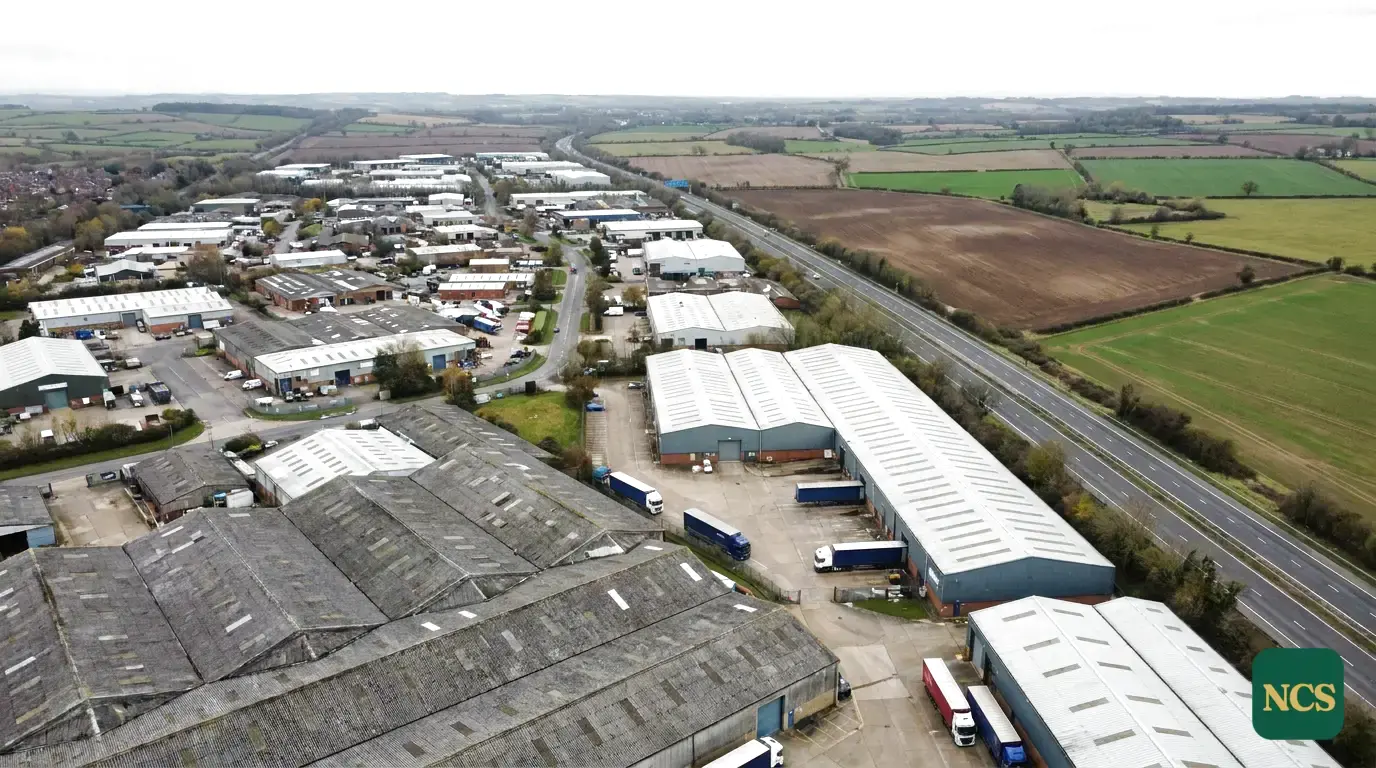
Oxfordshire’s commercial and rural building stock is full of 1960s to 1980s asbestos cement roofs, and they cluster in predictable places. Oxford’s eastern industrial fringe and the estates around the ring road carry portal-frame workshops and stores from the motor-industry era. The M40 logistics corridor at Bicester and Banbury is dominated by large warehouse and distribution roofs, with Banbury adding a strong manufacturing legacy. Didcot, Milton Park and the wider Science Vale mix ageing units with newer development. Around Witney and Carterton you find former mill premises and units serving the area near RAF Brize Norton. And across the Vale of White Horse and Cherwell, the agricultural belt carries mile after mile of corrugated sheet over barns, grain stores and livestock buildings. We’ve seen hundreds of these roofs. Most were built for a thirty-year life and have long outrun it.
Encapsulation, repair or removal, the honest choice
Encapsulation is not painting over a problem. We survey the roof sheet by sheet, clean it under controlled conditions, repair where fixings and rooflights have failed, and then seal it with a coating system made for asbestos cement. The cured surface binds the sheet, locks fibres in, restores water-shedding and adds years of service life. This usually costs a fraction of stripping, hazardous-waste disposal and full replacement, and you won’t need to empty the building. Where the substrate allows, it is the responsible route. Where it does not, it is not, and we will tell you which.
When we will tell you to remove instead
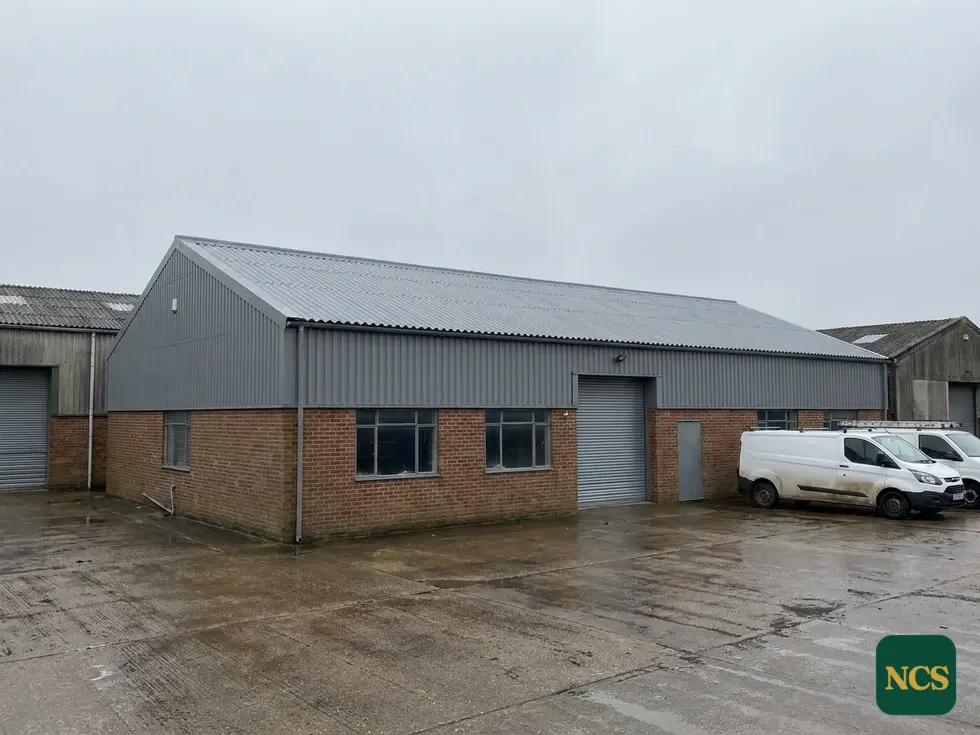
There are roofs we will not coat, and you should hear that before a survey rather than after a failure. Encapsulation is the wrong call where sheets are extensively cracked or holed, where decades of saturation have left the cement soft and friable, or where storm damage and structural movement have broken the roof’s integrity. It is also strictly limited to asbestos cement. If a survey finds insulation board, lagging or sprayed coating, that is licensable material and must be removed by an HSE-licensed contractor. Where removal is right for your building, we say so in writing and step aside.
Survey-led across Oxfordshire
We survey commercial, industrial, managed and agricultural buildings right across the county, including Oxford and Wallingford, and out to Banbury, Bicester, Didcot, Witney, Abingdon, Henley-on-Thames, Thame, Kidlington, Wantage and Chipping Norton. The process is the same wherever the building is:
- A condition survey of sheets, fixings, rooflights, gutters and structure
- A photographic record you can attach to your asbestos management plan
- A plain written recommendation: encapsulate, repair first, or refer for removal
- A specification and price only where coating is genuinely appropriate
- Work carried out under controlled, documented conditions
If a building in your portfolio dates from the 1960s to the 1980s and the roof has never been assessed, a free asbestos roof encapsulation survey answers the compliance question and the cost question at once.

Asbestos roof encapsulation across Oxfordshire towns
We survey commercial, industrial and agricultural buildings in towns across the county – choose yours for local detail:
- Oxford
- Banbury
- Bicester
- Didcot
- Witney
- Abingdon
- Wallingford
- Henley-on-Thames
- Thame
- Kidlington
- Wantage
- Carterton
- Burford
- Chipping Norton
Recently — July 2026
As always, where a coating is not the responsible answer we say so and point towards repair or replacement. The survey is what settles it honestly.
Long daylight and warm, dry days are when a coating cures and bonds best, so summer is a sensible time to get the work booked in.
We carry out asbestos roof encapsulation work in and around Oxfordshire. For the full survey-led service and how we assess each building, see our Asbestos Roof Encapsulation service, or request a free site survey.