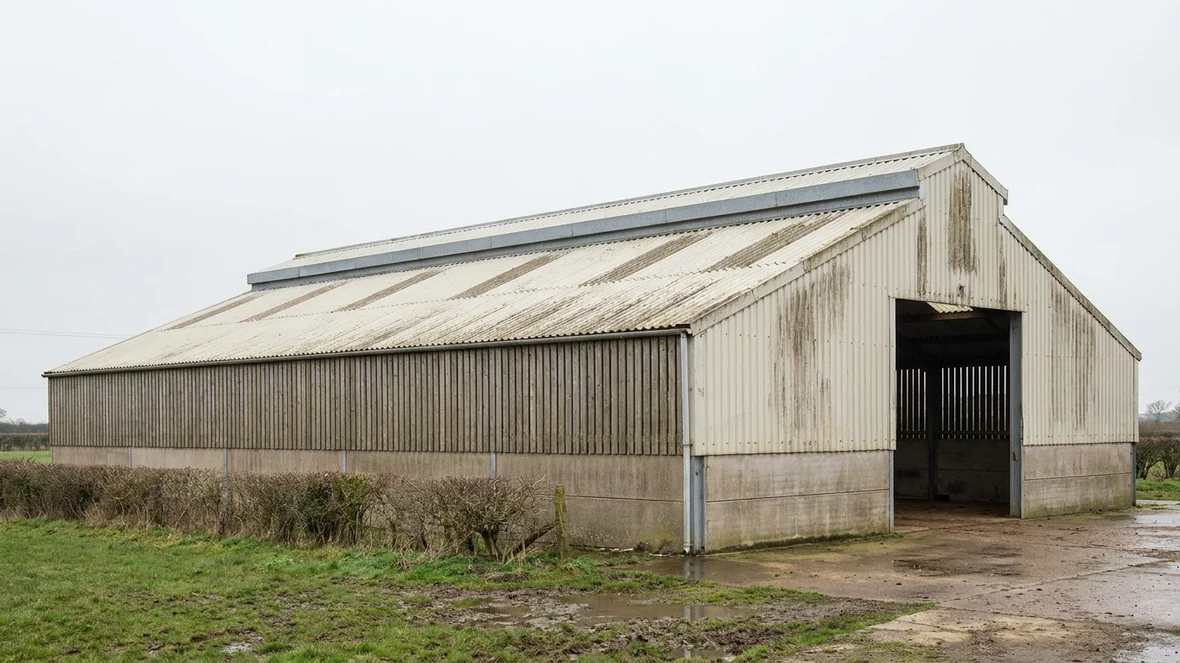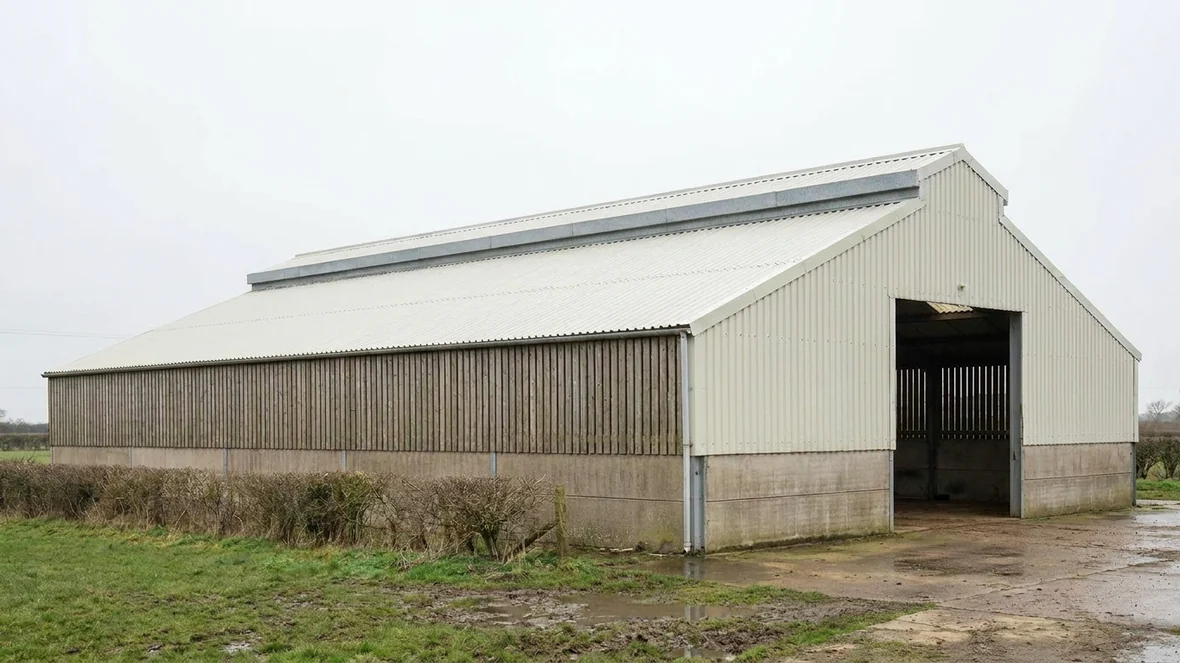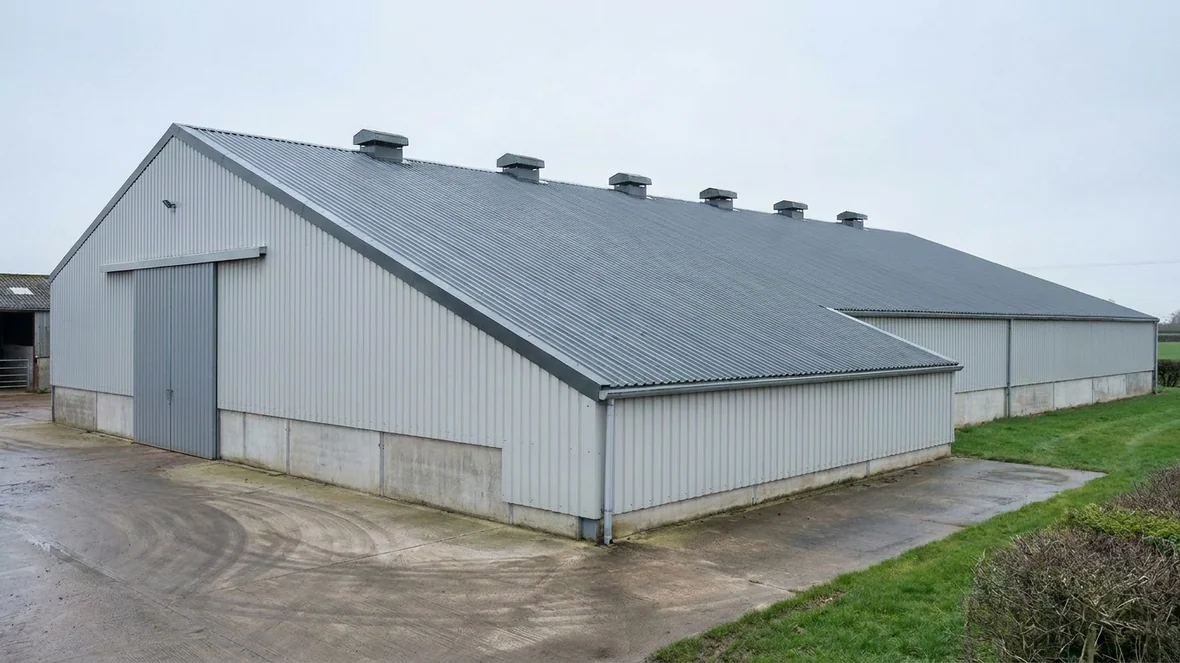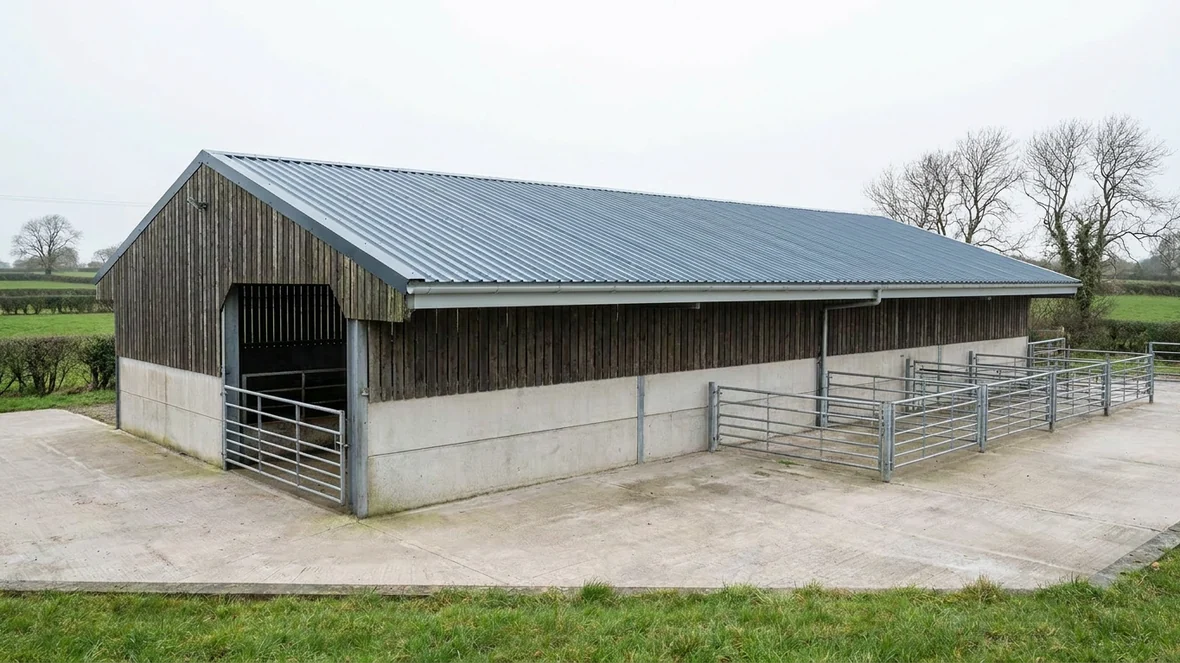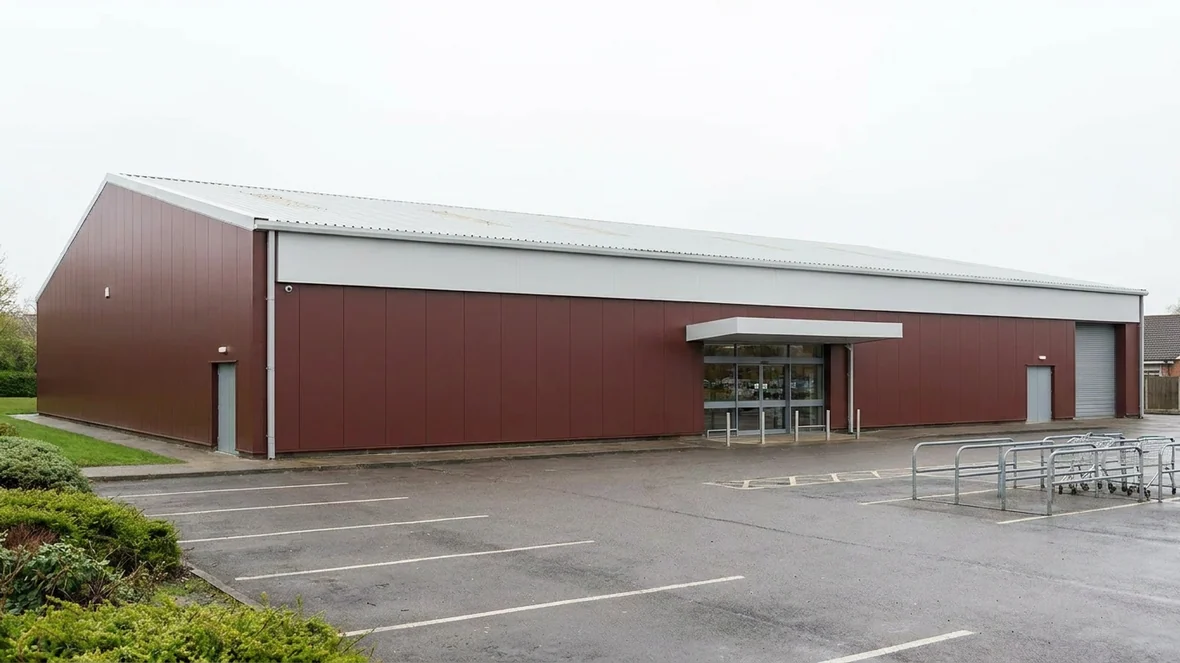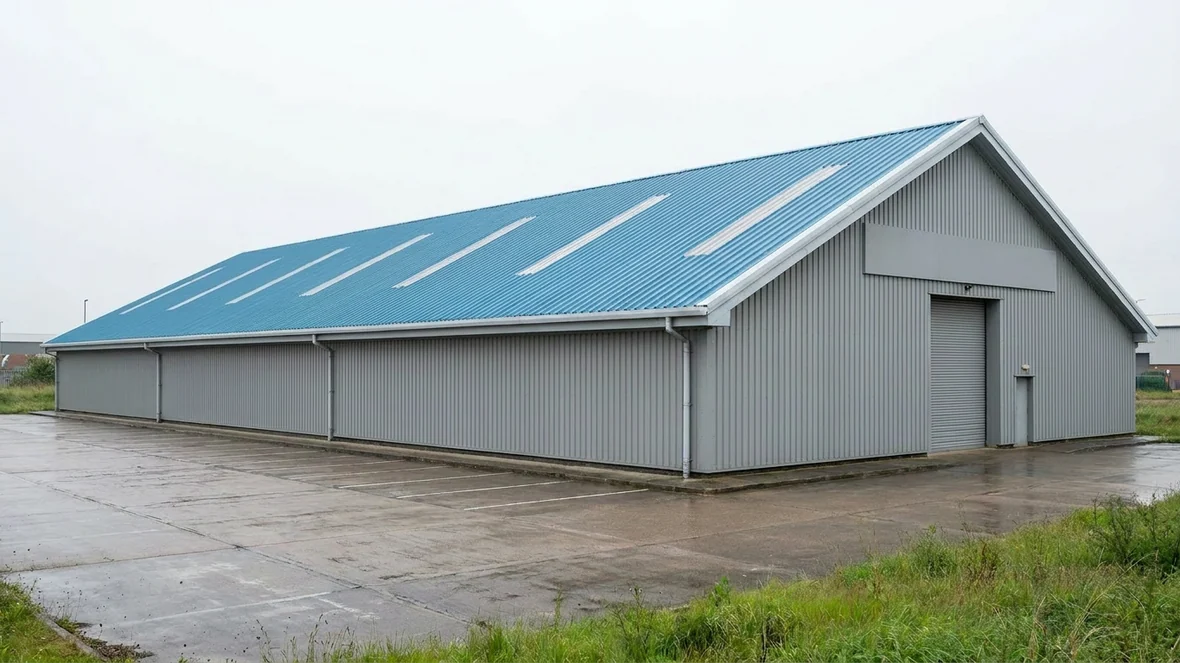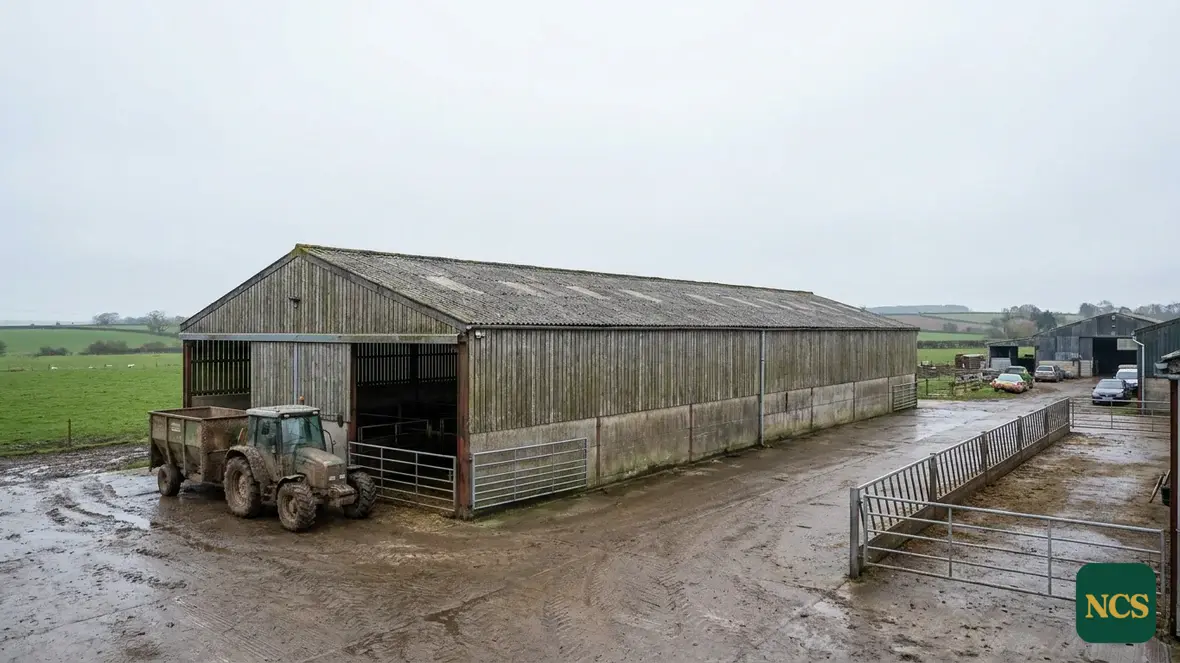




Farm Painters Oxfordshire means the same survey-led approach we apply everywhere: one of our surveyors inspects the building first, takes photos of the condition, and the specification follows what the substrate needs, not a price list.
Why farms across Oxfordshire call in farm painters
The daily grind of farm life really hammers buildings. You’ve got ammonia from livestock, constant washdowns, and the abrasive rub of straw and feed storage. All of it slowly breaks down even the toughest coatings. Around Oxfordshire’s working farms, we see the same old story: paint peeling off timber cladding, rust creeping under steel laps, and protective layers giving up too soon because of chemical attack.
The farm building stock of Oxfordshire
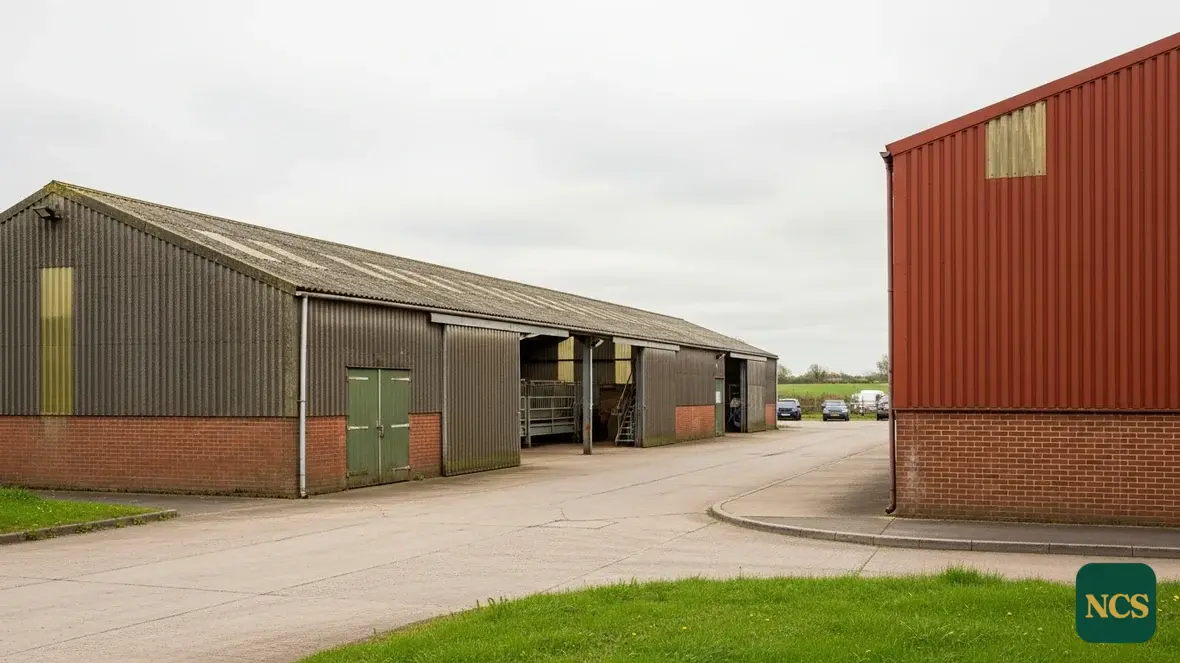
From the Cotswold stone barns up north to the big arable storage sheds near Bicester, Oxfordshire’s farm buildings show off its mixed agricultural past. Plenty of older places still have traditional timber cladding that needs a specialist touch. Newer builds are mostly steel-framed. And the dairy farms around Witney or the poultry units near Thame? They bring their own headaches with all that ammonia in the air.
What farm painting work involves
Proper farm painting isn’t just slapping on another coat. We specify industrial coating systems built for farm use. That’s usually epoxy-modified acrylics or polyurethane topcoats over zinc-rich primers for steel. For timber, we go with breathable, microporous finishes. Getting it on right means commercial painters who know their way around airless spray gear. You need to hit the right film thickness without drips or sags, especially on tall grain store cladding.
- Every substrate gets a full check before we even think about coating.
- We pick specialist products that can stand up to ammonia.
- Proper surface prep. We never just paint over a problem.
- Controlled application conditions so the coating cures right.
- A clear handover with advice on looking after it.
The repairs that come before painting
Start painting a barn, and you often find other problems that need fixing first. We regularly come across rotten timber that needs splicing, rusty steel that needs blasting back to clean metal, and failed flashings that just have to be replaced. On older Oxfordshire farmsteads, it’s often cracked mortar joints in stonework that need repointing before any protective coating stands a chance.
Our survey-led approach to farm painting
Every single job starts with a proper site survey. We don’t just look at the obvious bits; we check the whole building. That means looking for where water gets in, seeing why old coatings failed, and finding the areas that get the most wear. This detailed approach lets us spec exactly what prep each surface needs. Only then do we figure out which coating system will actually suit the building’s use and how exposed it is.
Why the survey comes before specification
There’s no quick fix for farm painting that lasts. If you don’t understand why the last coating failed, or where ammonia vapours really hit hardest, even the best products won’t perform. Our process means we get to the root cause of the problem, not just paint over the symptoms. That’s how Oxfordshire farm buildings get protection that actually lasts.
Learn more about our farm painting services or book your free survey.
Common questions about farm painters Oxfordshire
How do I know whether a farm building can be repainted?
We always start with the condition of the stuff underneath, not just how the old paint looks. Metal cladding, if the fixings are sound and the rust isn’t too bad, can often be prepped and recoated. But if the sheets have holes, are badly bent, or aren’t fixed down properly anymore, painting won’t fix those bigger failures.
A survey also helps us spot peeling finishes, failed overlaps, knackered fasteners, constant damp, and muck from farm use. What we find dictates whether coating is a good idea, or if repairs or replacement should come first.
Can farm painters work around livestock and normal farm operations?
Often, yes. But it needs planning. We talk through livestock movements, where machinery goes, deliveries, ventilation openings, and what hours you’re working before we start. Spraying might mean setting up exclusion zones and temporary covers to stop coating mist getting on animals, vehicles, stored crops, or next door’s property.
If we can’t keep things separate enough, then the work might need to be done in stages, or when the building is empty. Safe access and keeping the work area controlled always comes before keeping every bit of the farm running.
Can a rusty corrugated roof be painted?
You can usually treat surface rust, as long as the sheets themselves are still strong enough. We get rid of the loose corrosion and any unstable old coating, prep the sound edges, and sort out any vulnerable spots before putting on the new system. But paint won’t hide holes, big sections that have wasted away, or fixings that are failing.
Leaks also need a proper look. They might be coming from the laps, the fasteners, the flashings, or where things poke through the roof, not just the main roof surface. Painting the sheets without sorting those details rarely works out well.
Can asbestos cement farm roofs be coated?
Some asbestos cement roofs can be coated, but we need to know their condition and legal status first. You can’t treat them like regular fibre cement or metal sheets. Cleaning them too aggressively can damage the surface and release fibres, so the way we prep, how we access it, and how we handle waste all need extra care.
If the sheets are badly cracked, brittle, or just not sound anymore, getting a specialist contractor to replace them is probably the better option. We won’t pretend coating is a fix for an unsafe roof.
When is the best time to paint an agricultural building?
Dry, settled weather is what we want, but it’s not just about air temperature. We also look at the surface temperature, condensation, wind, shade, and whether it’s likely to rain before the coating has cured. Roofs and cladding can stay damp long after the ground around them looks dry.
As farm painters working in Oxfordshire, we also try to schedule around harvest, livestock cycles, and when vehicles are moving. A workable programme needs to factor in both the weather and the practicalities of the site.

Coating or replacement for farm buildings?
Coating and replacement solve different problems. Coating protects a building that’s still got life in it and brings back its finish. Replacement means getting rid of stuff that’s just worn out. You need a survey to figure out which situation you’re in before you pick either option.
When coating is the stronger option
Recoating usually makes sense when the roof or wall sheets are still structurally sound, the rust is limited to areas we can treat, and the old finish can be prepped to give a good base. It can also cause less disruption because most of the original building stays put.
- You keep sound sheets instead of ripping them off unnecessarily.
- Local problems and failed details can be fixed before we coat.
- The building gets renewed weather protection and looks better.
- Work can often be done in stages to fit around access and farm work.
Coating isn’t a way to skip the prep. How well it works all depends on cleaning, getting rid of bad material, treating the rust, and making sure it’s compatible with the existing surface.
When replacement wins
Replacement is the better call when sheets have widespread holes, severe rust, big cracks, or they’ve lost their structural strength. It also wins if the fixings and laps have failed everywhere, if constant patch repairs just aren’t reliable anymore, or if the building needs serious insulation or design changes that coating can’t deliver.
- Paint won’t make weakened sheeting strong again.
- Coating won’t fix big movement, distortion, or structural faults.
- If water keeps getting in, you might need new sheets, flashings, or roof details.
- Unsafe or badly broken-down asbestos cement might need proper removal, not just encapsulation.
Then there are the in-between cases, where replacing some bits and then coating the rest is the sensible way to go. You can renew damaged sheets, flashings, or fasteners while keeping the good bits. We’d rather be upfront about that line than coat material that should have been replaced.
How we prepare agricultural cladding before coating
Most of the real work happens in the preparation. Farm buildings usually have a mix of chalked paint, rust, algae, dust, grease, and muck from livestock or stored feed. Putting a new finish over that lot means it won’t stick for long.
Cleaning and contamination control
We figure out what kind of mess we’re dealing with before picking a cleaning method. Loose dirt and biological growth have to go, and greasy bits need separate attention. We have to control where the cleaning water and debris go so it doesn’t get into feed areas, watercourses, or occupied buildings.
Then the surface has to dry. The corrugated bits, the laps, and the shady sides can stay wet longer than the open, sunny areas. So we check them, we don’t just assume they’re ready.
Removing loose coating and corrosion
Flaking paint and loose rust get taken back to a solid edge. We pay close attention to cut sheet edges, where the fasteners are, gutter lines, overlaps, and any areas where old coatings have failed. The prep needs to leave a stable surface with no loose stuff trapped under the new system.
If rust has made holes or seriously weakened a sheet, we stop thinking of it as a painting problem. That section needs repairing or replacing before we carry on with any decorative or protective coating.
Detailing laps, fixings and edges
Big flat areas are easy compared to the details. Fastener heads, side laps, end laps, flashings, where things poke through, and exposed edges are all common places where things start to go wrong. We check these areas closely and do the right local prep before the main coats go on.
Sealants and old patch repairs also need a look. Loose, brittle, or incompatible repairs shouldn’t just be buried under paint. If a joint is going to move, the detail has to be able to handle it.
Controlling application
Spray application can give a really even finish on profiled sheets, but only if the wind and site conditions let us control it properly. Nearby vehicles, windows, solar panels, crops, and next door’s property might need masking, or we might have to use a different way of putting the paint on.
We keep an eye on the surface and the weather while we’re working, not just at the start of the day. If condensation, wind, or rain means a good application is doubtful, the sensible thing to do as tradesmen is to stop, not just push on.
Recently — July 2026
Dry summer spells are the window for tackling cut-edge corrosion and tired finishes before the autumn rain sets back in.
The starting point is always a proper survey of the sheets, laps, fixings and gutters, written up so you can see the condition for yourself.
All access and work at height is planned in line with HSE work-at-height guidance.
For farm painters oxfordshire that stands the test of time, the survey is what makes the difference. Our farm painters oxfordshire is specified to the substrate and the exposure, then applied properly by a trained team.