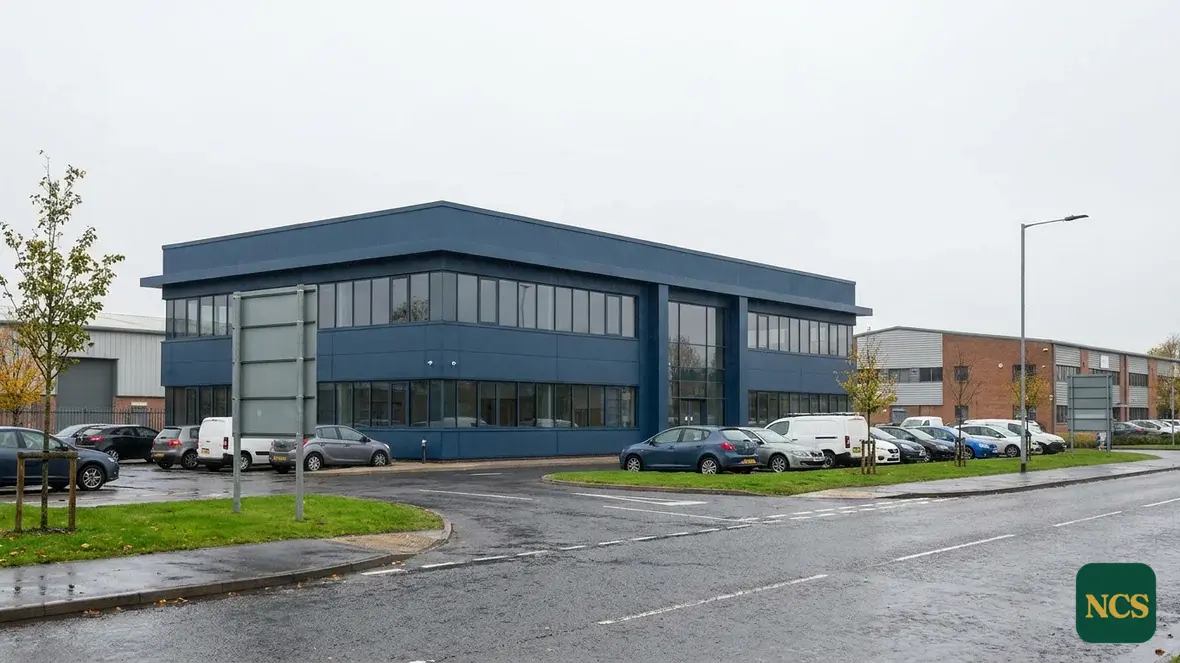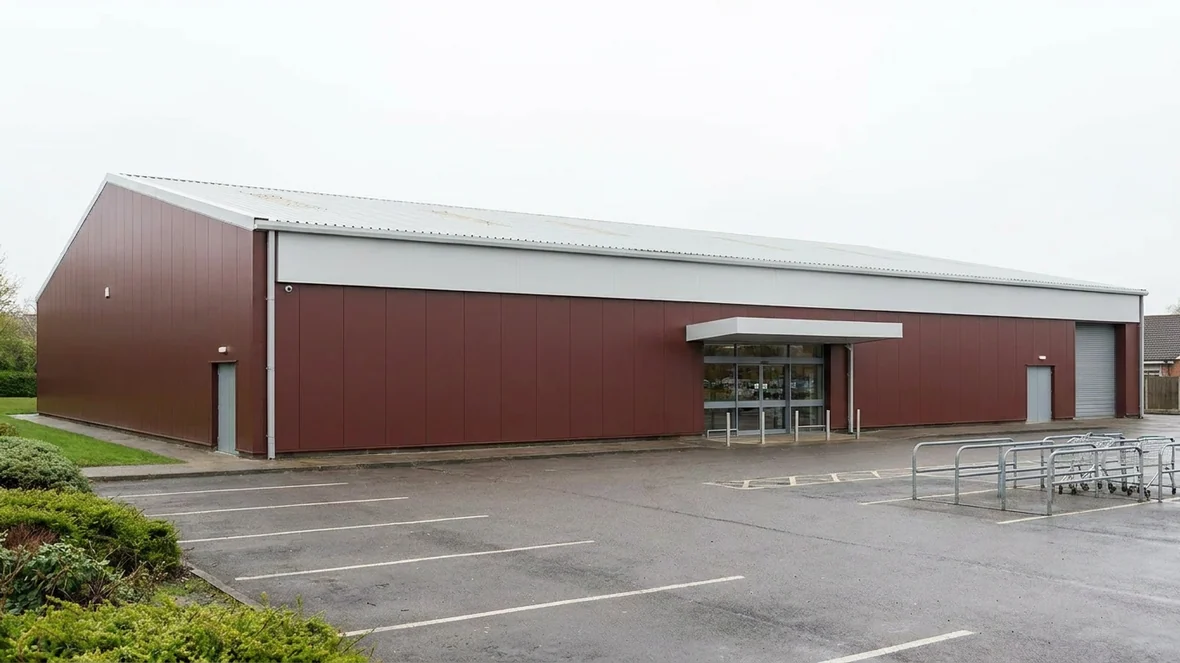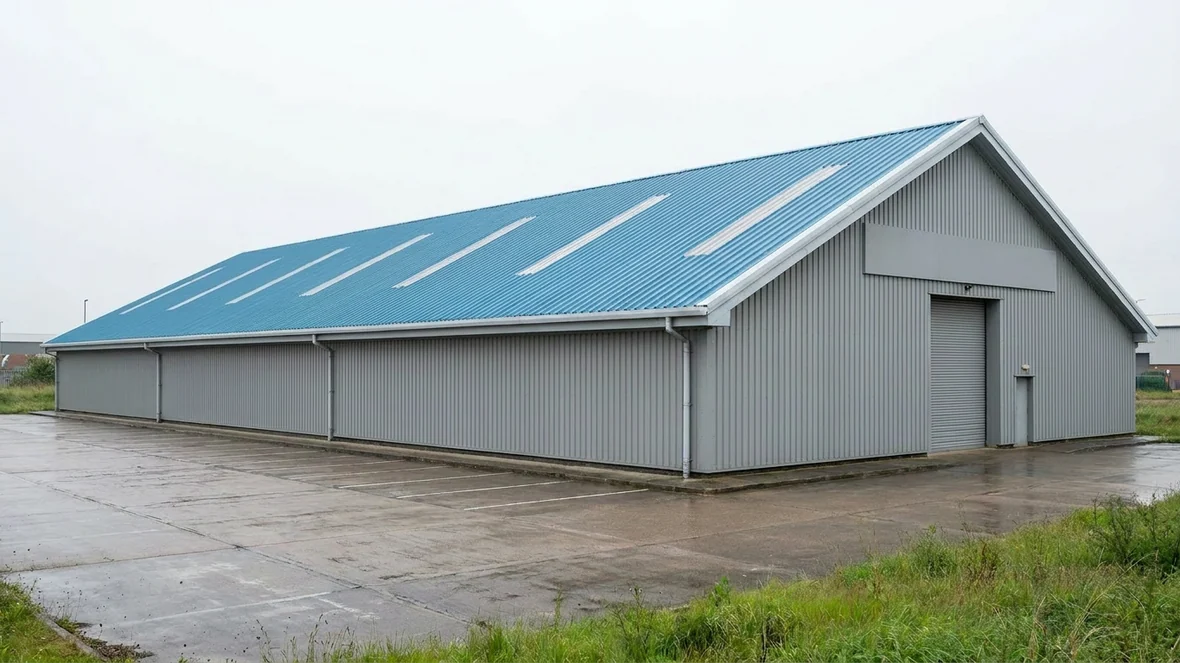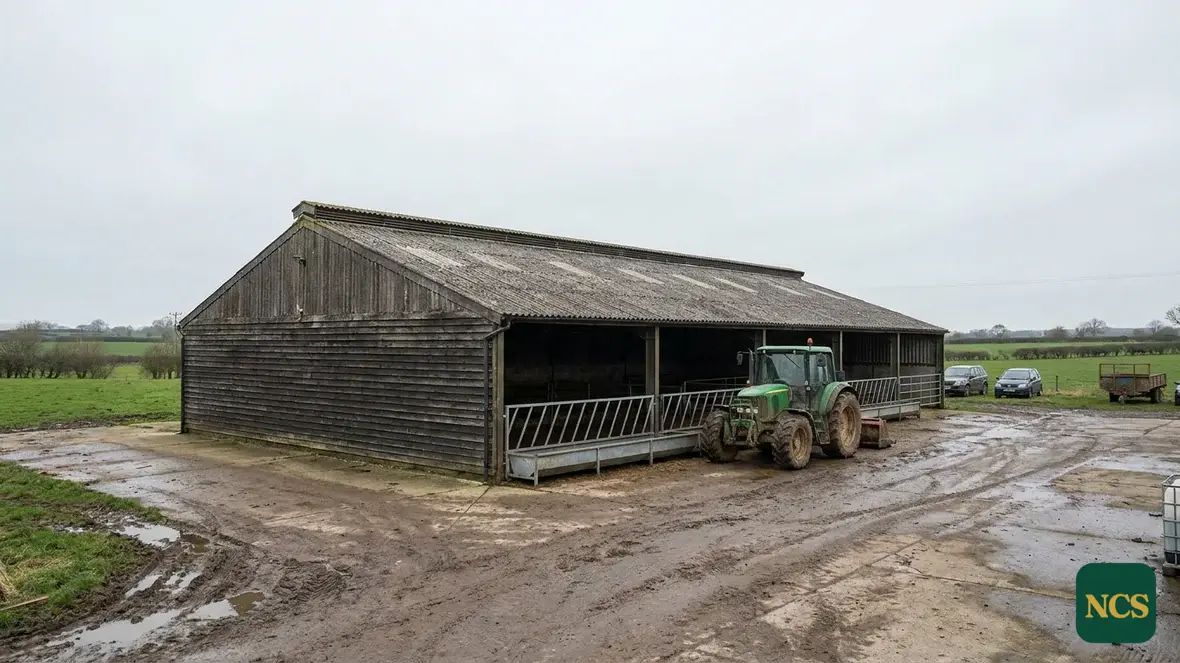




Barn Painters Oxfordshire means the same survey-led route we apply everywhere: one of our surveyors inspects the building first, photographs the condition, and the specification follows the substrate rather than a price list.
Why barns across Oxfordshire need painting
The exposed timber and steel structures of Oxfordshire’s agricultural buildings face constant weathering. Driving rain penetrates untreated cladding, while UV degradation bleaches and cracks exterior surfaces. Livestock housing demands durable, hygienic coatings that withstand ammonia and moisture. Many estate buildings dating from the 1960s and 70s now show advanced substrate degradation, particularly around Witney and Bicester where original coatings have failed.
The barn and shed stock of Oxfordshire
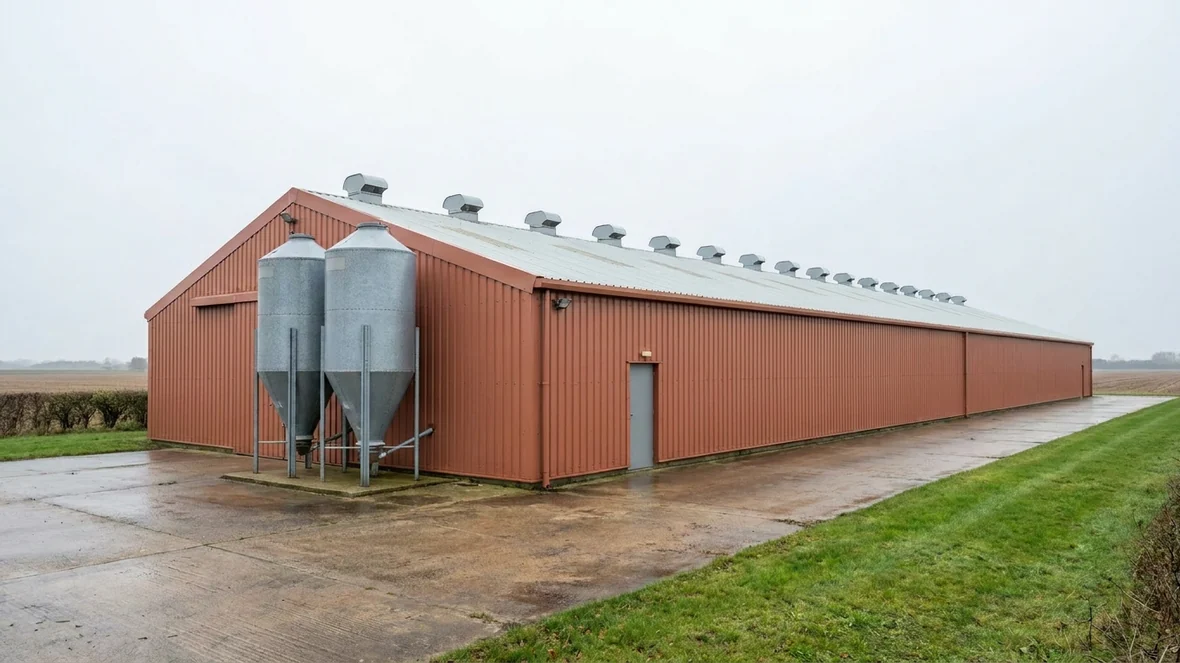
Oxfordshire’s working farms range from the Cotswold stone belt to the Thames Valley’s mixed arable units. Traditional timber-framed barns cluster around villages like Woodstock and Charlbury, while larger modern steel portal sheds serve dairy enterprises near Abingdon and grain stores along the A34 corridor. The county’s equestrian sector maintains extensive stable blocks, many with ageing timber weatherboarding requiring protective coatings.
What commercial barn painting involves
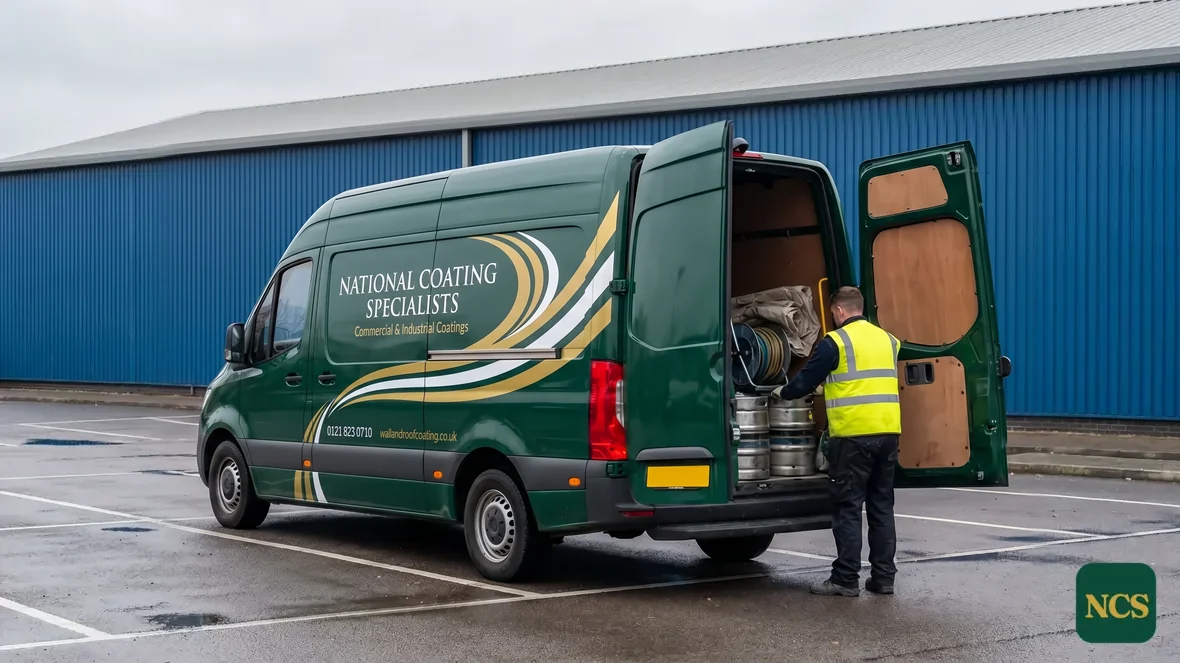
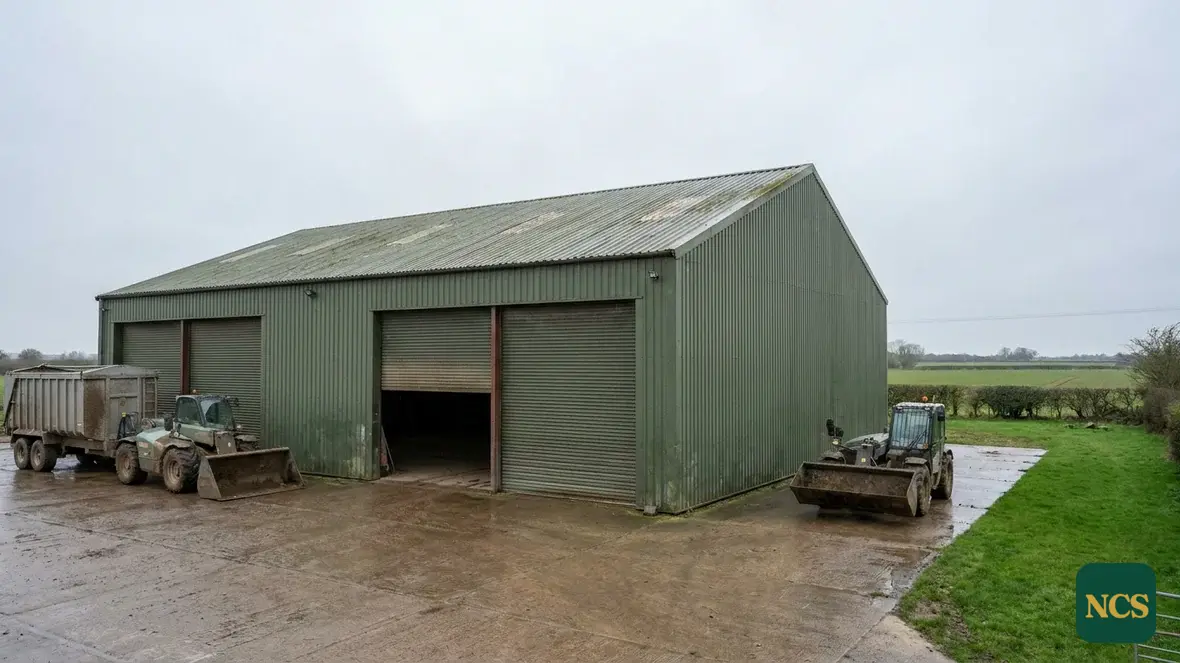
Our spray-applied coating systems transform agricultural buildings with minimal disruption. For timber substrates, we specify breathable microporous finishes that allow moisture transmission while blocking water ingress. Steel portal frames receive corrosion-inhibiting primers before durable topcoats. The process begins with thorough surface preparation – pressure washing removes organic growth, while mechanical abrasion profiles existing coatings for adhesion.
- Full substrate assessment before coating specification
- Pressure washing to remove algae and loose material
- Spot repairs to damaged timber or corroded steel
- Application using airless spray systems for even coverage
- Inspection of all critical junctions and flashings
The repairs that come before painting
No coating system performs over compromised substrates. Our survey identifies rotten timber requiring replacement, particularly at eaves and ground-contact points. Steel portal frames often need corrosion treatment at base plates and bolt holes. We address these issues before any paint touches the surface, ensuring the new coating bonds to sound material.
Our survey-led approach to barn painting
Every project begins with a detailed site assessment. We examine substrate condition, structural integrity and environmental exposure to determine the appropriate coating system. This process accounts for building orientation, prevailing winds and specific use – dairy housing demands different solutions to grain storage. Only after this evaluation do we specify products and application methods.
Why specification follows survey
Prescribing coatings without understanding substrate condition leads to premature failure. A barn near Banbury might need timber preservative before decorative finish, while an equestrian complex in the Cherwell Valley may require extra UV protection. Our survey identifies these variables first, ensuring the painting solution matches the building’s actual needs rather than applying a standard specification.
Learn more about our barn painting services or book a free survey.
Common questions about barn painters Oxfordshire
Can a rusty corrugated barn roof be painted?
Often, yes. We first establish whether the corrosion is superficial or has weakened the sheets, fixings or laps. Sound metal can usually be cleaned, treated and coated. Sheets with perforation, extensive thinning or failed edges are better replaced before coating work begins.
Can barn painters work around livestock and stored crops?
Usually, but the work must be planned carefully. We agree access, isolate the working area and consider ventilation, drifting spray, dust and daily farm movements. Livestock, feed and sensitive equipment should be kept away from preparation and coating operations.
Can you paint an older fibre cement barn roof?
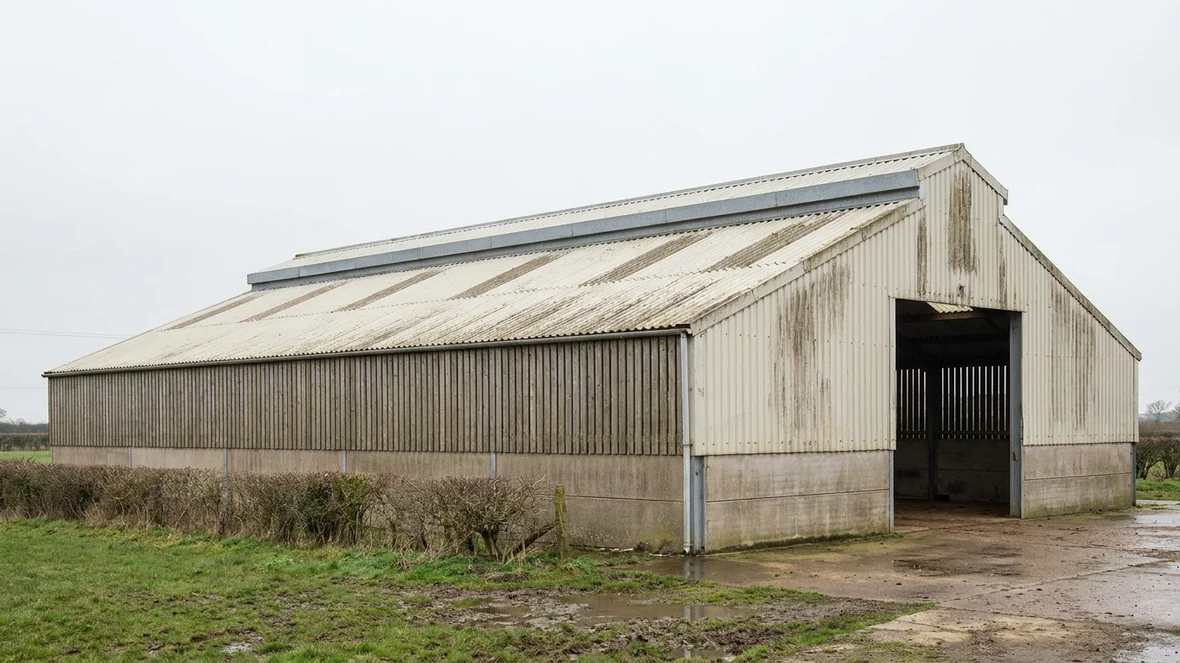
Potentially, subject to its condition and material assessment. Older fibre cement may contain asbestos, so it must not be treated like ordinary cladding. We avoid uncontrolled abrasion and specify access, cleaning and coating methods appropriate to the survey findings. Severely damaged or unsafe sheets may require specialist removal rather than painting.
What weather do barn painters in Oxfordshire need?
Coatings need a suitable weather window, not merely a dry start. We consider surface temperature, moisture, wind, condensation risk and the forecast during curing. Roofs and elevations can remain damp after rain or overnight cooling, even when they appear dry from ground level.
How do I know whether a barn needs repainting?
Typical signs include chalking, fading, local rust, exposed sheet edges, peeling around fixings and loss of coating at laps. Early maintenance is generally simpler than waiting for widespread corrosion. We survey the surfaces closely before recommending the extent of preparation and coating.

Barn coating or cladding replacement?
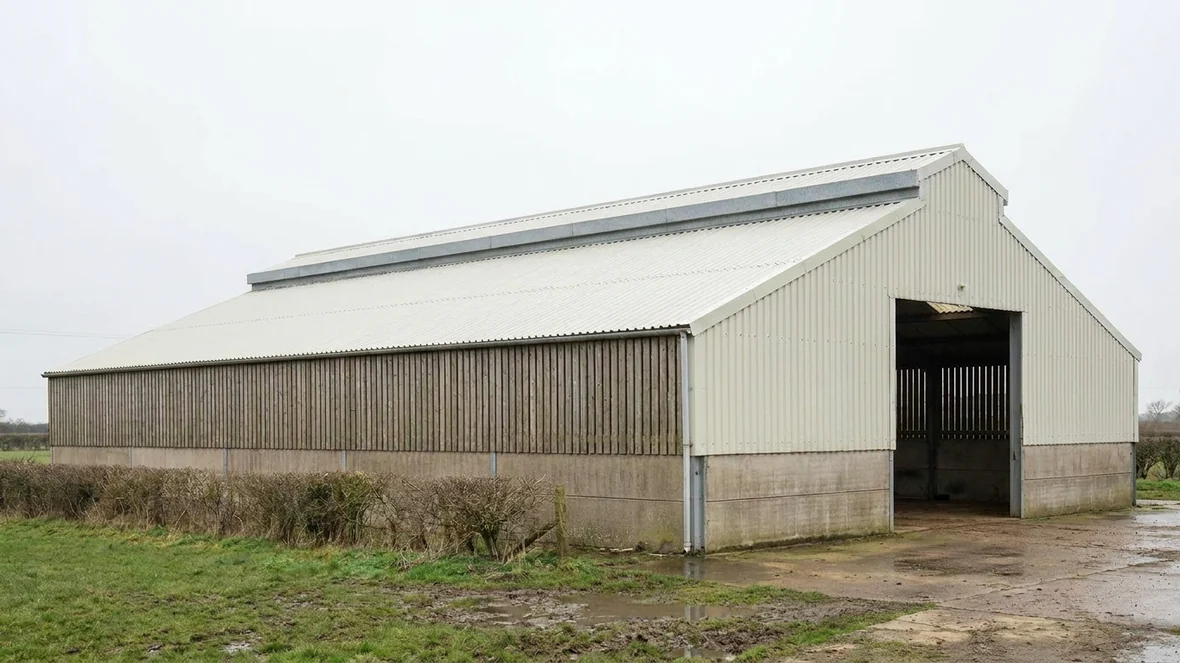
Coating is often the sensible option when the roof or wall cladding remains structurally serviceable. It can restore weather protection, improve appearance and slow further surface corrosion without removing otherwise sound sheets. It is particularly useful where deterioration is concentrated around exposed faces, cut edges, laps and fixings.
Replacement wins when the substrate has reached the end of its practical life. Perforated metal, extensive section loss, badly fractured fibre cement, persistent leakage through failed sheets or widespread fixing failure cannot be corrected reliably with paint. Replacement may also be preferable where the building requires substantial insulation, ventilation or layout changes.
A mixed approach is sometimes more appropriate than either extreme. We may recommend replacing isolated defective sheets or components, followed by preparation and coating of the sound surrounding cladding. Our survey distinguishes cosmetic coating failure from defects that need physical repair.
- Coating suits sound cladding with a stable, preparable surface.
- Local replacement suits isolated damage within an otherwise serviceable elevation or roof.
- Full replacement suits widespread structural deterioration or a planned change in building performance.
- Coating should not be used to conceal movement, active leaks or unsafe materials.
Preparation and detailing on corrugated barn cladding
The finish is only as dependable as the surface beneath it. We remove loose coating, dirt, organic growth and unstable corrosion using methods selected for the cladding material and condition. Suspect asbestos-containing surfaces require a different approach and must not be aggressively abraded.
Corrugations create sheltered areas that are easy to miss from a distance. We pay particular attention to sheet laps, eaves, ridge details, cut edges, bolt heads and the lower sections of wall cladding where moisture and farm contamination tend to collect.
- Loose and failing material is removed rather than coated over.
- Corroded areas are prepared back to a firm edge.
- Defective fixings and damaged sheets are identified before decoration.
- Laps and joints are checked for movement, trapped debris and moisture.
- Gutters, rooflights, vents and adjacent surfaces are protected during application.
- Coating thickness and coverage are checked across crowns, troughs and awkward details.
Application method depends on access, building use, wind conditions and the amount of detailed work required. Spray application can cover broad profiles efficiently, while brushes and rollers remain useful around fixings, edges and restricted areas. We select the method to suit the building rather than forcing every barn into the same process.
Recently — July 2026
Settled summer weather suits coating and spraying work, with stable temperatures and dry surfaces helping systems cure and bond as specified.
Recent enquiries here have been a mix of metal industrial roofs, profiled cladding and ageing asbestos-cement sheets, all assessed on a free site survey before anything is specified.
All access and work at height is planned in line with HSE work-at-height guidance.