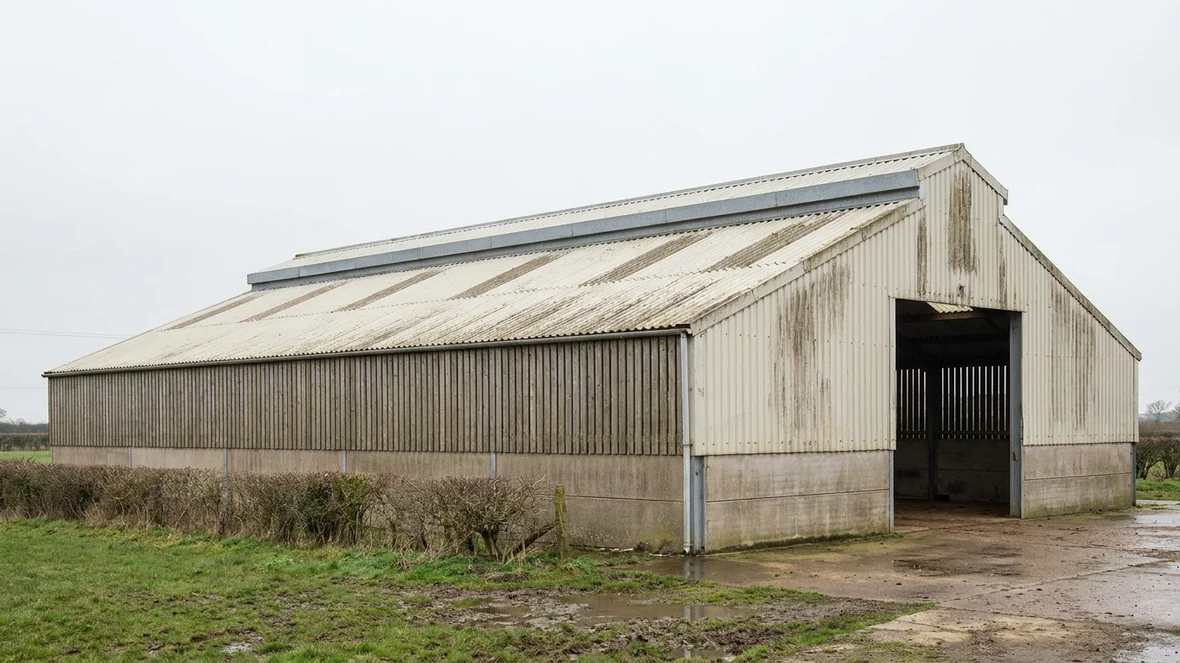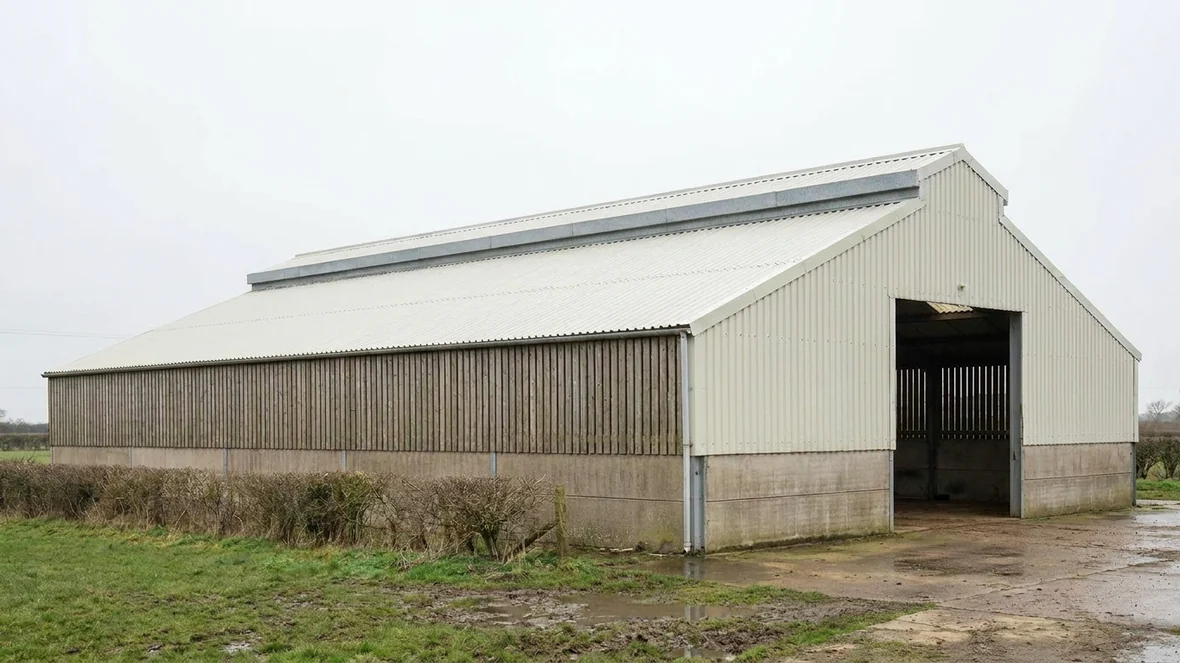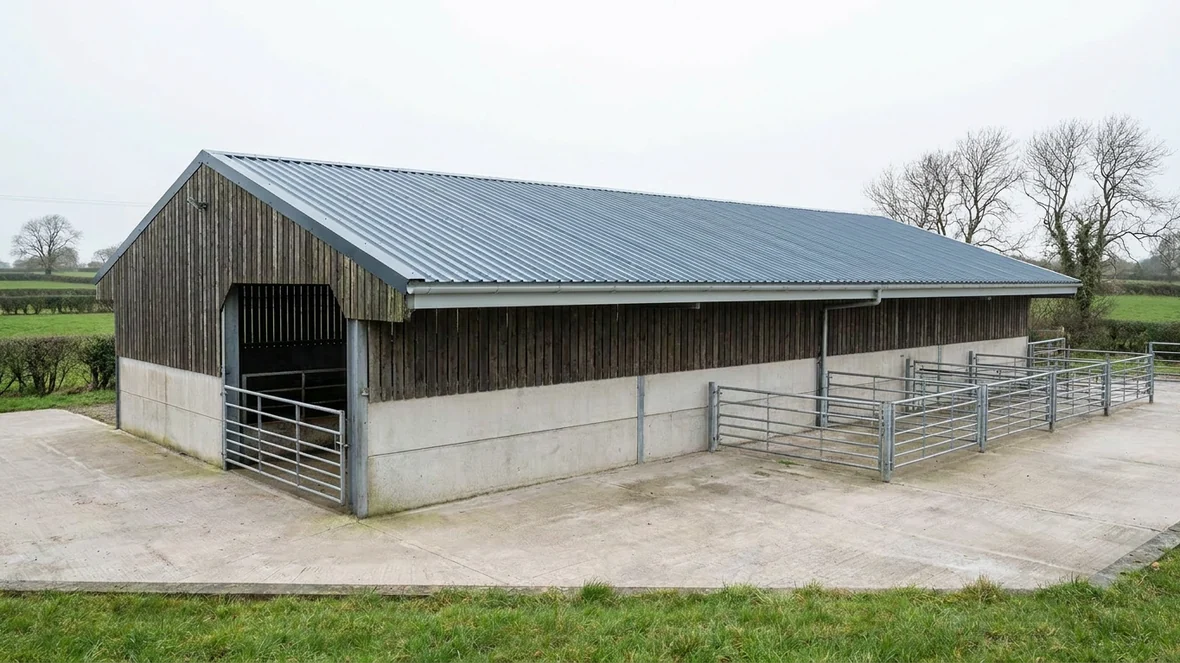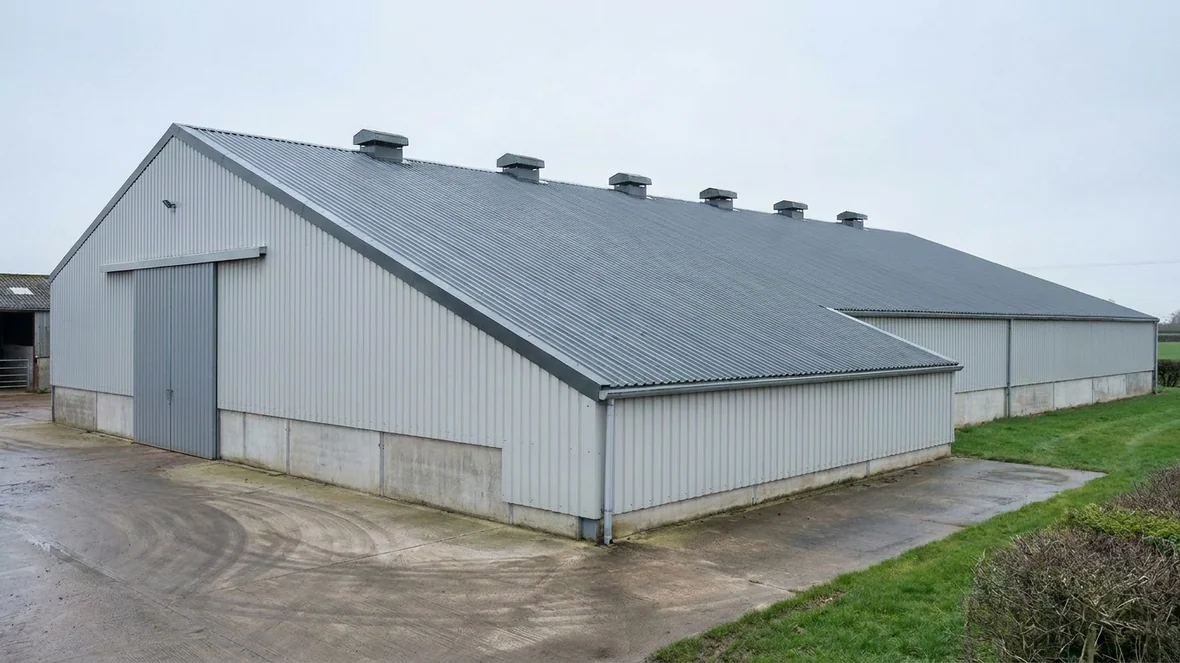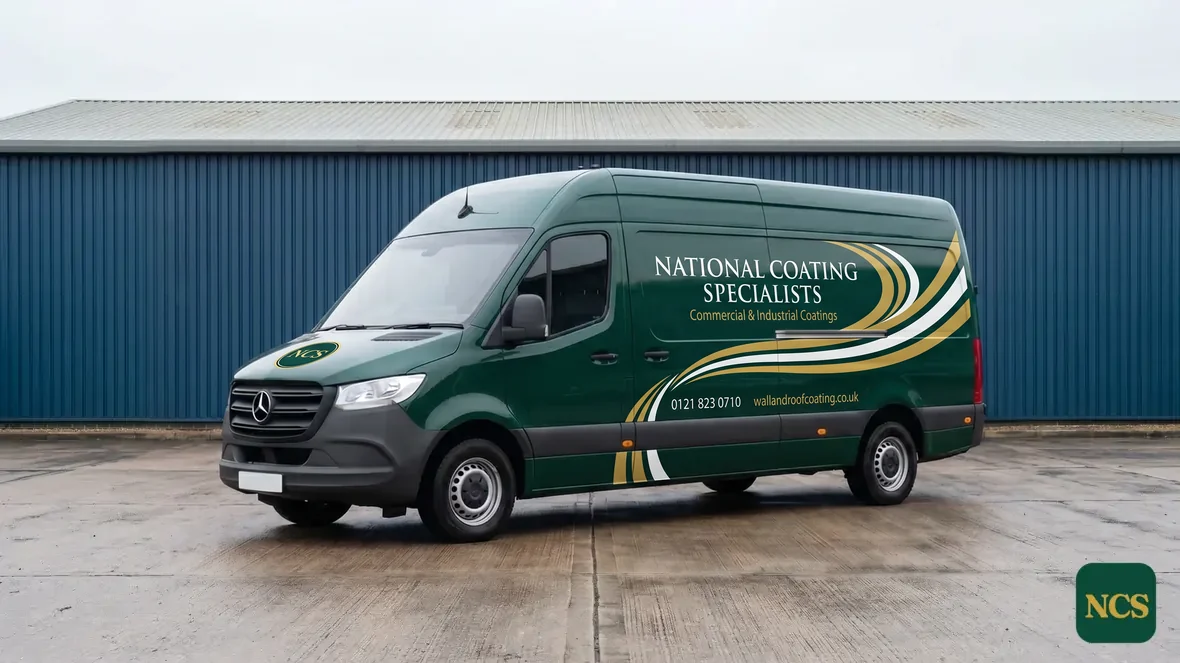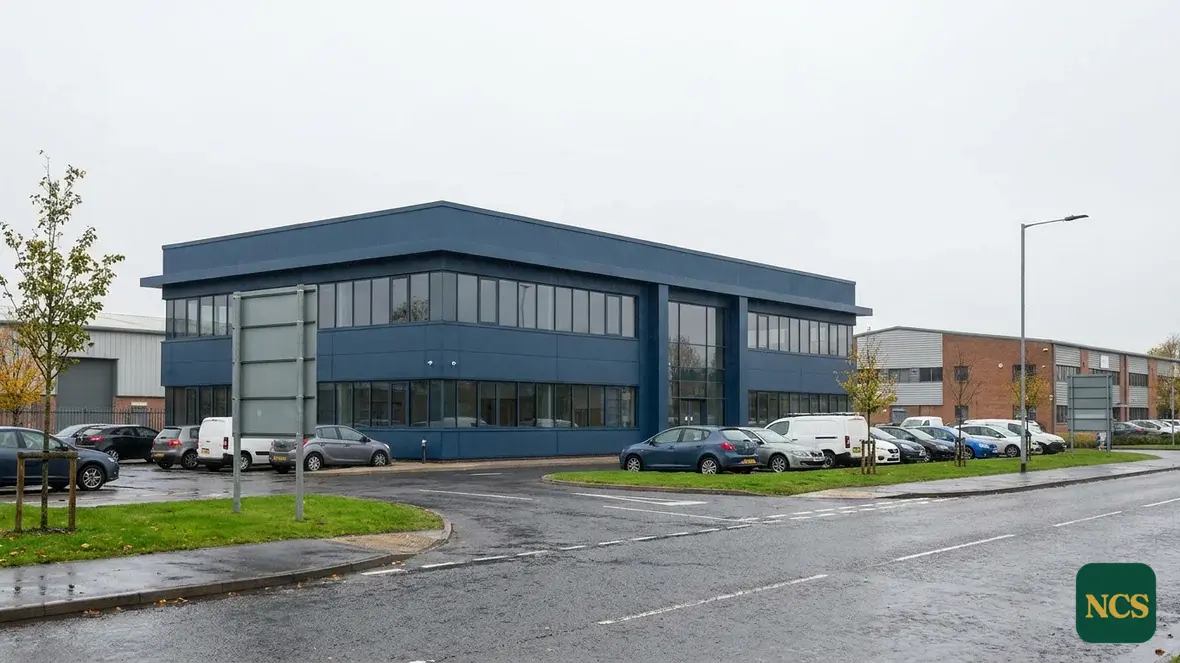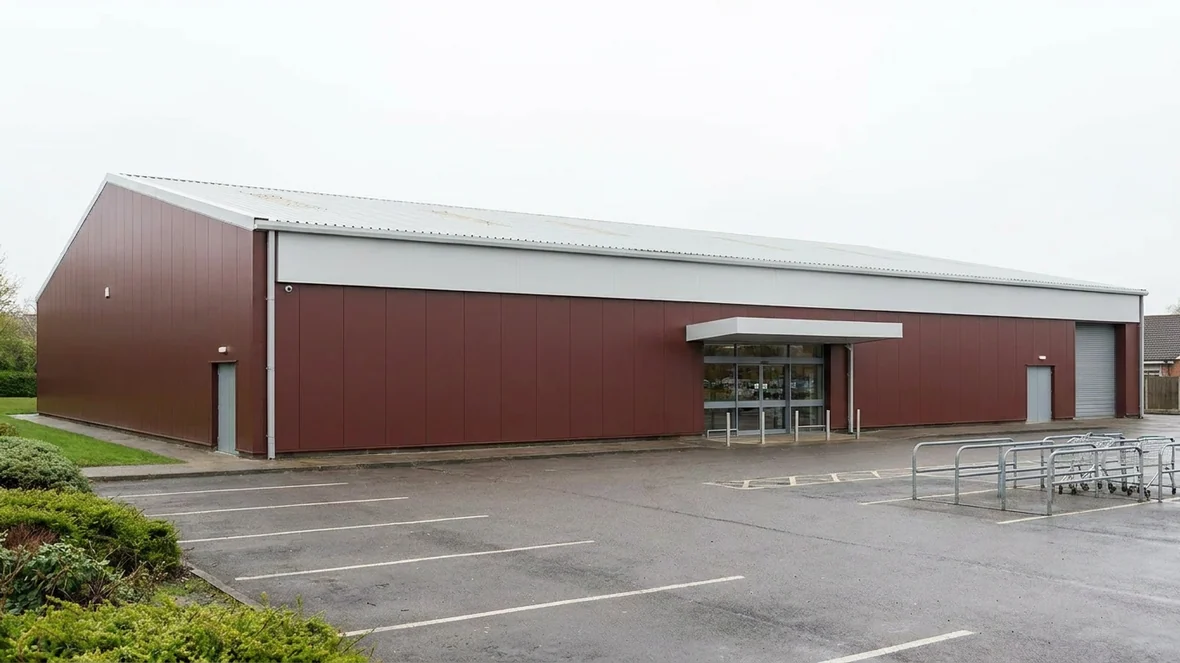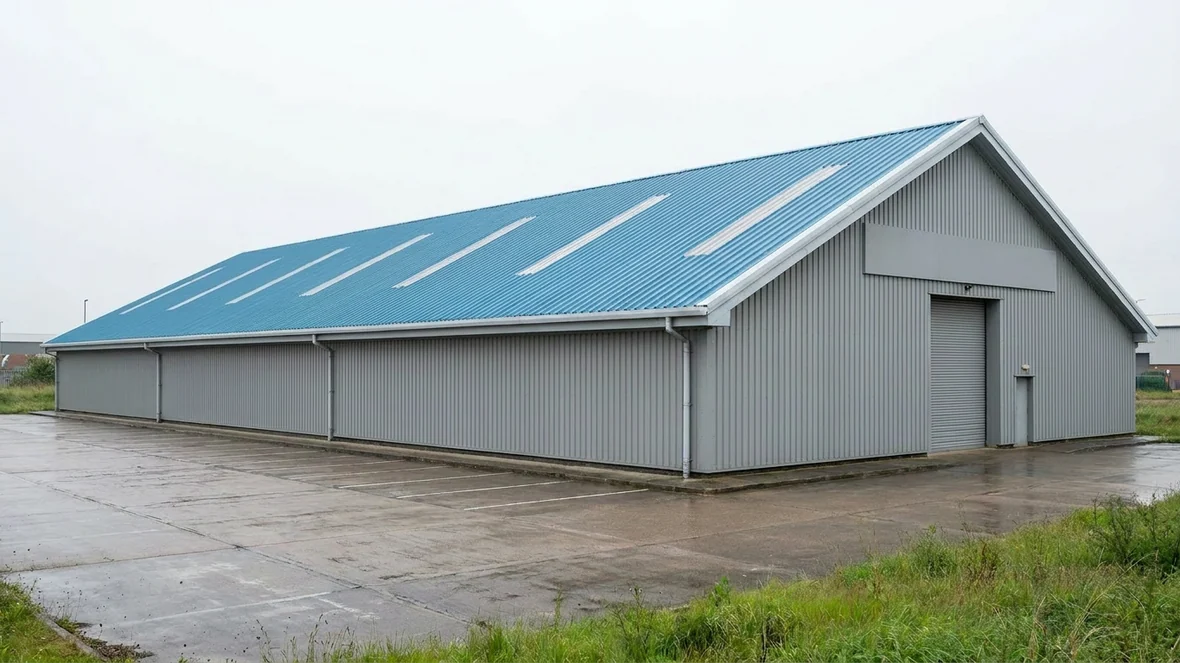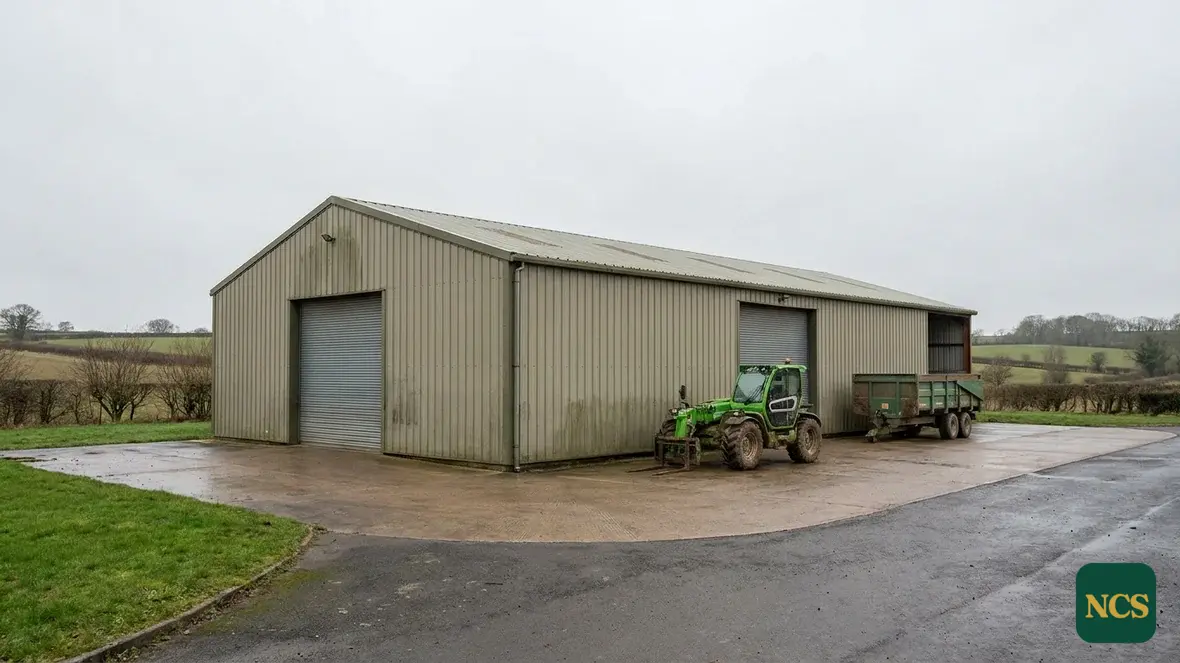




Barn Painters Gloucestershire means we follow the same survey-led approach we use everywhere. One of our surveyors will inspect the building first, taking photos of the condition. Then, we spec the job based on what we find on the substrate, not some price list.
Why barns across Gloucestershire need painting
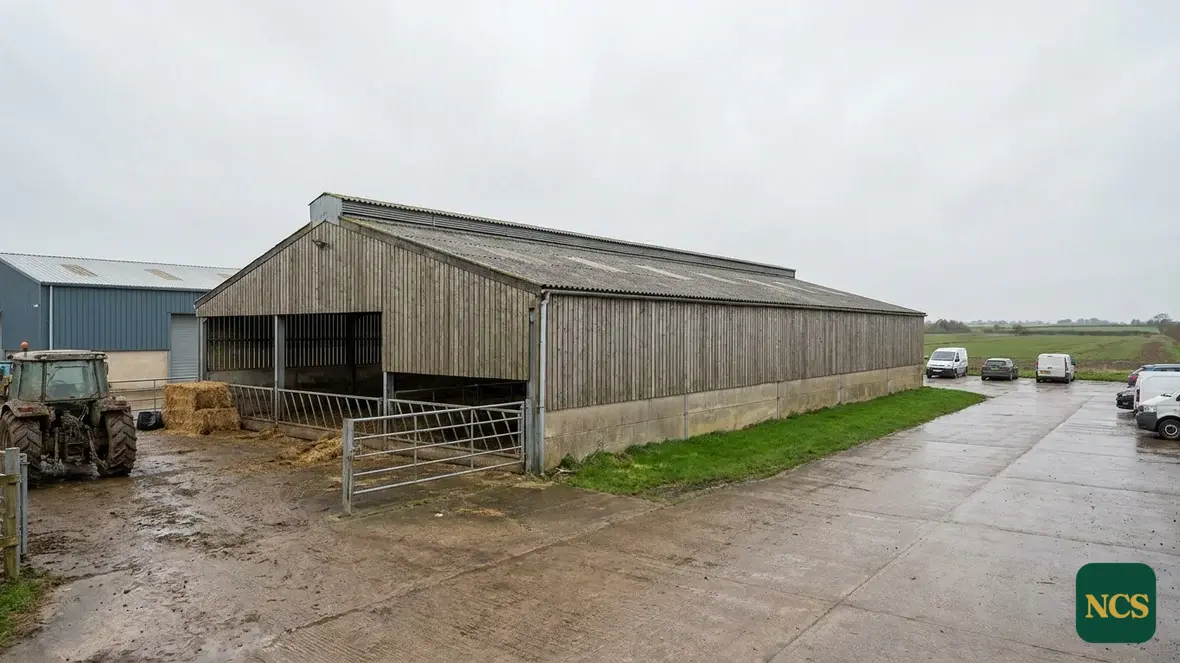
The exposed rural buildings of Gloucestershire get hammered by the weather, from the Cotswold escarpment right across to the Severn Vale. You see it on traditional timber barns and modern agricultural sheds alike, decades of rain, wind, and UV taking their toll. Livestock buildings have it even worse. The ammonia from housed animals speeds up corrosion on metal cladding, and feed stores or grain silos are constantly fighting moisture getting in. We often find older buildings around Stroud and Tewkesbury with paint systems that have packed it in, leaving the wood to rot and the metal to rust.
The barn and agricultural building stock of Gloucestershire
From those old stone Cotswold barns to the modern dairy units down in the Vale of Berkeley, Gloucestershire’s working buildings really show off its farming diversity. Head to the fruit-growing areas near Newent and you’ll see polytunnels and packhouses next to traditional orchards. Up on the farms around Cheltenham, they go for big hay barns with timber boarding. A lot of the estates near Cirencester have converted historic buildings, but they’ve kept the original cladding, and that needs specialist attention. We often see flaking paint on weatherboarded grain stores, chalky render on stable blocks, and corrosion at the cut edges of steel-clad poultry houses.
What professional barn painting involves
Our commercial painters use industrial-grade coating systems, usually applied by airless spray to get full coverage. For timber barns, that generally means opaque microporous paints. They let the wood breathe but stop fungal growth. Metal agricultural buildings get direct-to-metal coatings that are specially formulated, often with a high zinc phosphate content to stop corrosion. We match every coating to the substrate, whether it’s aged western red cedar near Dursley or corrugated steel on those intensively used cattle sheds north of Gloucester. Preparation is everything for how long it lasts. So, we’ll strip back to bare material where needed and fix any underlying problems before we even think about coating.
- We’ll assess the substrate fully to find any hidden moisture or corrosion.
- All loose or flaking existing coatings get removed.
- We’ll do targeted repairs to timber battens and metal fixings.
- Primer, intermediate, and topcoat go on as the system demands.
- Then, a final inspection to make sure coverage is uniform on all the critical bits.
The essential repairs that come before painting
Barn painting in Gloucestershire often uncovers bigger problems. You might find rotten purlins hiding under cladding that looks sound, or rust-jacketed bolts barely holding roof sheets in place. We systematically check flashings around Gloucester cathedral slate roofs on converted barns, test timber for wet rot in the Severn floodplain areas, and inspect metal fasteners on steel-framed buildings across the county. If we find any compromised structural elements, we sort them out before the coating work starts. That means timber repairs using preservative-treated softwood and metalwork getting galvanic protection where it’s needed.
Our survey-led approach to barn painting
Every single project starts with a detailed site survey. We cover everywhere from Stroud to the Forest of Dean. Our coatings specialists don’t just look at the building’s current state. We also assess its exposure, how it’s used, and how easy it will be to get at for future maintenance. That tells us which paint system to pick, whether it’s high-build elastomeric coatings for timber that flexes, or chemically resistant finishes for dairy units. We document all the substrate conditions using moisture meters and adhesion testing. Then, we give you clear recommendations. We always prioritise what will last over a quick cosmetic fix.
Why specification follows survey
You can’t just quote barn painting over the phone. Hidden substrate conditions dictate both what preparation is needed and which coating system will work best. A 19th-century threshing barn near Moreton-in-Marsh might need completely different solutions to a 1990s steel feed store outside Coleford. We can only specify paints that will perform for years, not months, by inspecting the joinery, testing timber moisture content, and finding corrosion hotspots. This thorough approach stops callbacks and makes sure farmers and estate managers get coatings that are up to Gloucestershire’s specific challenges.
Learn more about our barn painting services or book a free survey of your agricultural buildings.
Common questions about barn painters Gloucestershire
Can a rusty metal barn be painted?
Often, yes. Light surface corrosion can usually be cleaned back, stabilised, and then coated. If the corrosion is more advanced, we need to look closer, especially around sheet laps, fixings, gutters, and the lower edges of wall cladding. Paint won’t fix steel that’s perforated, dangerously thin, or structurally unsound. We’ll find those areas during the survey, so you can get repairs or sheet replacement sorted before we start coating.
Do you need to remove all the old paint first?
Not always. If the paint is sound and stuck down well, we can sometimes leave it as part of the prepared surface. But any loose, flaking, or poorly bonded material has to go. The edges of any retained coatings should be feathered, so you don’t get visible ridges. We also check that the existing finish is compatible with the new coating. Putting a new system over something unstable or incompatible just means it will fail later.
Can barn painters work around livestock and stored materials?
We can often plan work around an occupied agricultural site, but we need to talk about access, ventilation, containment, and daily operations beforehand. Livestock, feed, machinery, and sensitive stored materials might need to be moved or isolated from the work area. We agree on practical controls before any preparation starts. We don’t want to rely on last-minute arrangements once dust or spray is already being produced.
What time of year is best for painting a barn in Gloucestershire?
Dry, settled weather is best, but the season alone doesn’t decide if we can coat. Surface temperature, moisture, condensation, wind, and the chance of rain all matter. Barn roofs can stay damp even after the ground around them looks dry, and shaded elevations might take ages to warm up. We check the conditions right at the surface and stop application if they fall outside the suitable working range.
Can you change the colour of existing barn cladding?
Usually, yes, as long as the substrate and existing finish are good enough for recoating. A big colour change might mean more preparation and more coats to get an even look. Colour also affects how dirt, fading, and small surface bumps are seen. We recommend picking a colour with the building’s setting, any adjoining elevations, and planning considerations in mind.
Coating a barn or replacing the cladding
Coating and replacement sort out different problems. Coating is generally right when the roof or wall sheets are still fundamentally sound but have faded, chalked, got some local corrosion, or lost their protective finish. With proper preparation, a coating system can make it look better and protect it again, without ripping out perfectly serviceable cladding.
Replacement is the winner when the sheets themselves are no longer a reliable base. Widespread holes, serious material loss, extensive cracks, failed profiles, constant leaks through damaged sheets, or lots of failed fixings aren’t painting defects. Covering them up might make the building look tidier for a bit, but it won’t fix what’s actually wrong underneath.
Replacement might also be the better choice if the owner plans to change the insulation, sort out condensation in the roof build-up, add new rooflights, or significantly change what the building is used for. In those cases, keeping the existing outer sheets can get in the way of the wider work and end up being a false economy.
The decision isn’t always black and white. Sometimes, replacing a few sheets locally, putting in new fixings, and repairing trims can make an otherwise sound elevation ready for coating. But on the flip side, replacing a few visibly bad sheets won’t help if corrosion is widespread under the laps and around the fixings. As barn painters in Gloucestershire, we base our recommendation on adhesion tests, the condition of the substrate, and a close look at all the vulnerable spots, not just how it looks from the ground.
- Coating suits sound sheets with weathered finishes and local defects that can be managed.
- Local repairs can make sense when the damage is only in specific areas.
- Replacement is better when the cladding has lost its integrity or can’t be a dependable base for coating.
- If you’re changing insulation, ventilation, or how the building is used, replacement might be the way to go.
- A survey should tell the difference between cosmetic wear and tear, and defects that affect weatherproofing or safety.
Preparation and detailing at laps, fixings and edges
The big, flat areas of a barn roof or wall are rarely where the real headaches start. Coating failures usually begin at the details. That’s where moisture sits, movement happens, or preparation is just plain awkward. So, we pay extra attention to side laps, end laps, bolt heads, washers, cut edges, ridge pieces, flashings, and gutter lines.
Cleaning and surface preparation
Dirt, chalking, organic growth, grease, and any loose coating material have to come off before we can properly check adhesion. We prepare corrosion back to a firm edge, and any retained coatings get checked for soundness. We pick the preparation methods to suit the substrate and the condition of the existing finish. Too aggressive, and you can damage thin cladding just as easily as inadequate preparation can leave rust behind.
Fixings and sheet laps
We inspect fixings for corrosion, movement, damaged washers, and if they’ve lost their grip. A coating isn’t a fix for defective fixings. Laps get checked for trapped debris, open joints, and corrosion spreading between sheets. If water is getting in through a failed detail, we have to repair that defect before we start with the decorative finish.
Cut edges, gutters and rooflights
Cut edges are vulnerable because the exposed metal can deteriorate faster than the main face of the sheet. Gutters and lower roof edges also get wet for longer and often collect gunk from the roof. Rooflight perimeters need careful masking and preparation. And brittle rooflights? Those are a safety concern, not something to be walked on or casually worked around.
Application control
We plan the application method based on access, neighbouring property, vehicles, livestock areas, and weather exposure. Spraying can be efficient on large profiles, but if there’s a risk of wind and overspray, controlled roller or brush work might be better in sensitive areas. Brushing is also useful for working the coating into prepared fixings, edges, and awkward junctions before we do the main areas.
Recently — July 2026
Through the drier summer months we can programme preparation, coating and curing with far less chance of a weather delay holding the job up.
Surveys remain free and no-obligation, with a written report on condition, the realistic options and the recommended route.
All access and work at height is planned in line with HSE work-at-height guidance.
For barn painters gloucestershire that stands the test of time, the survey is what makes the difference. Our barn painters gloucestershire is specified to the substrate and the exposure, then applied properly by a trained team.