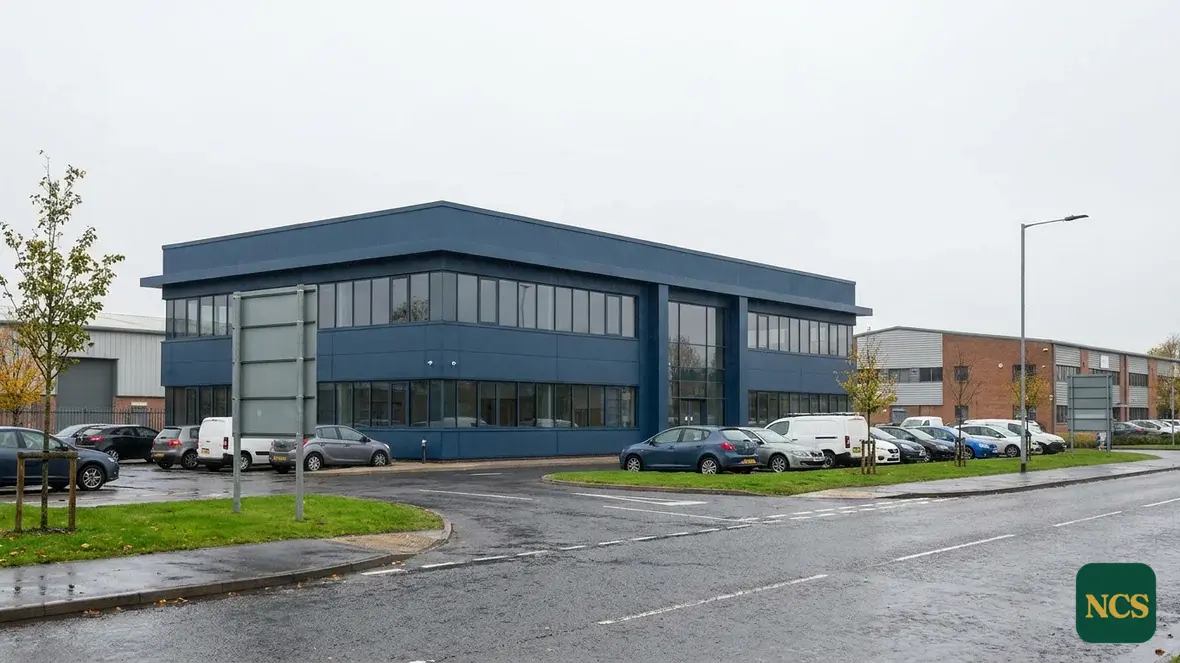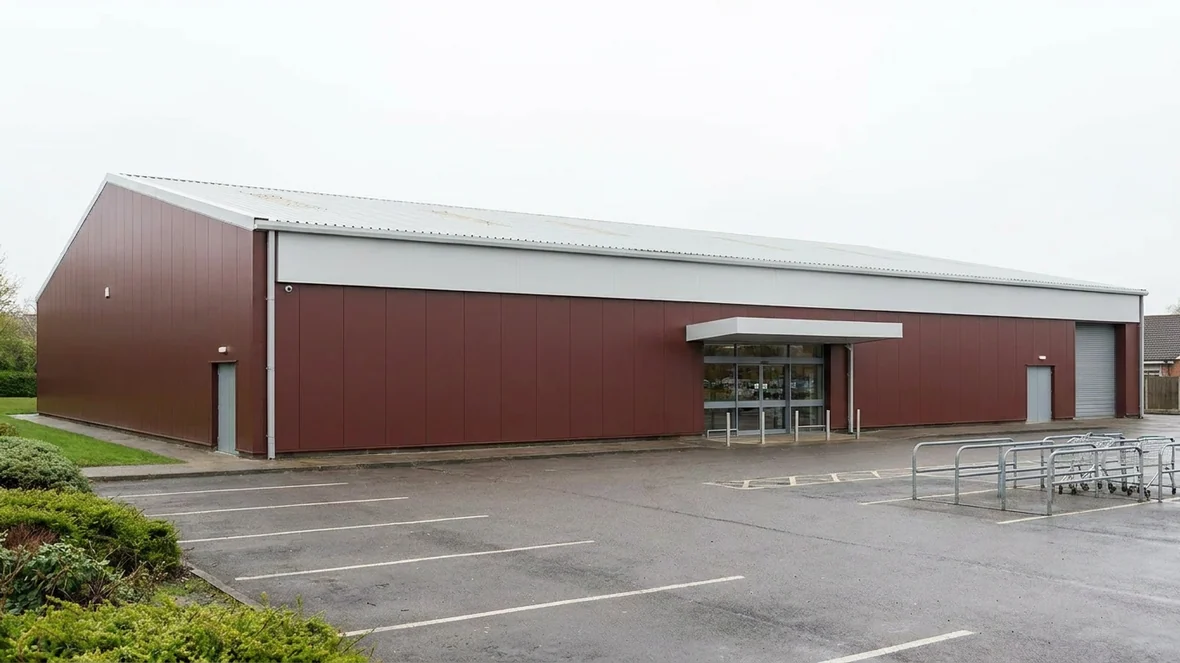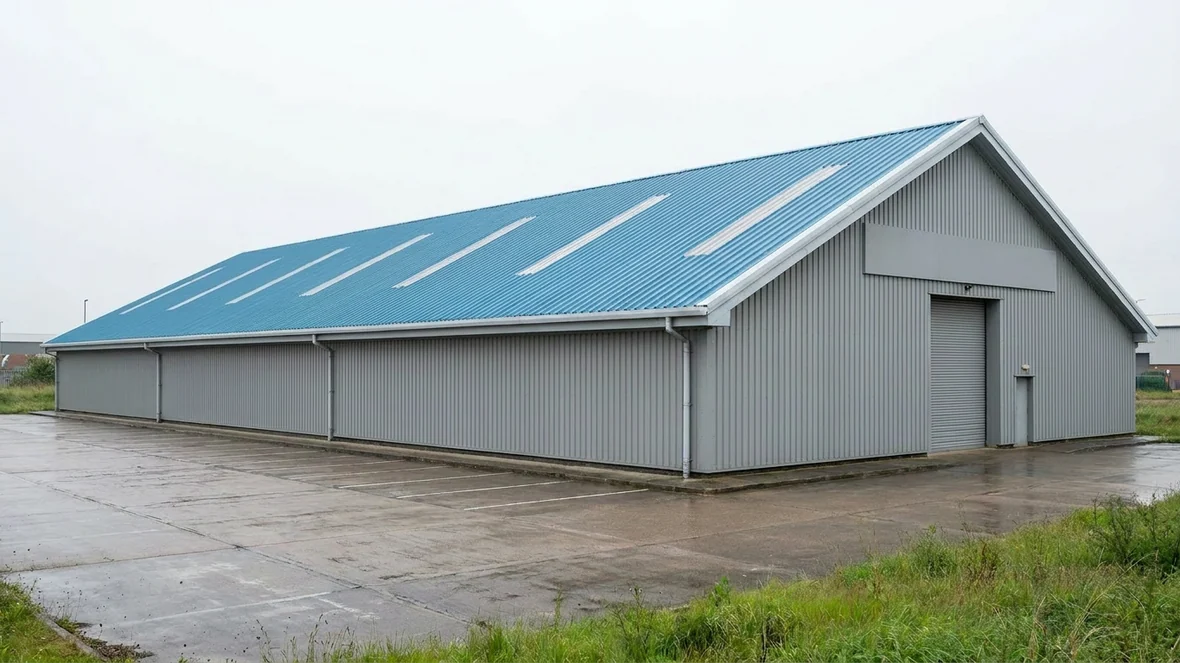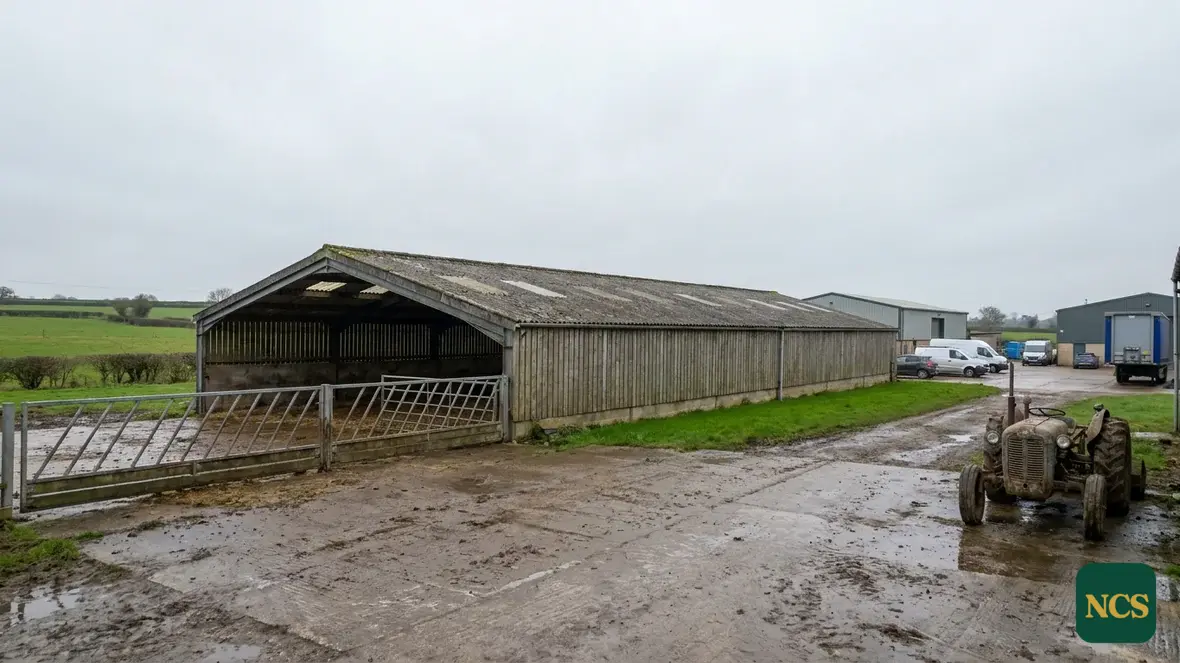




Agricultural Roof Coating Gloucestershire from National Coating Specialists means one thing: we survey the building before we specify a system. Our agricultural roof coating gloucestershire work covers commercial, industrial and agricultural buildings, and every job starts with a free, no-obligation site survey.
Why farm roofs around Gloucestershire reach the coat-or-replace decision
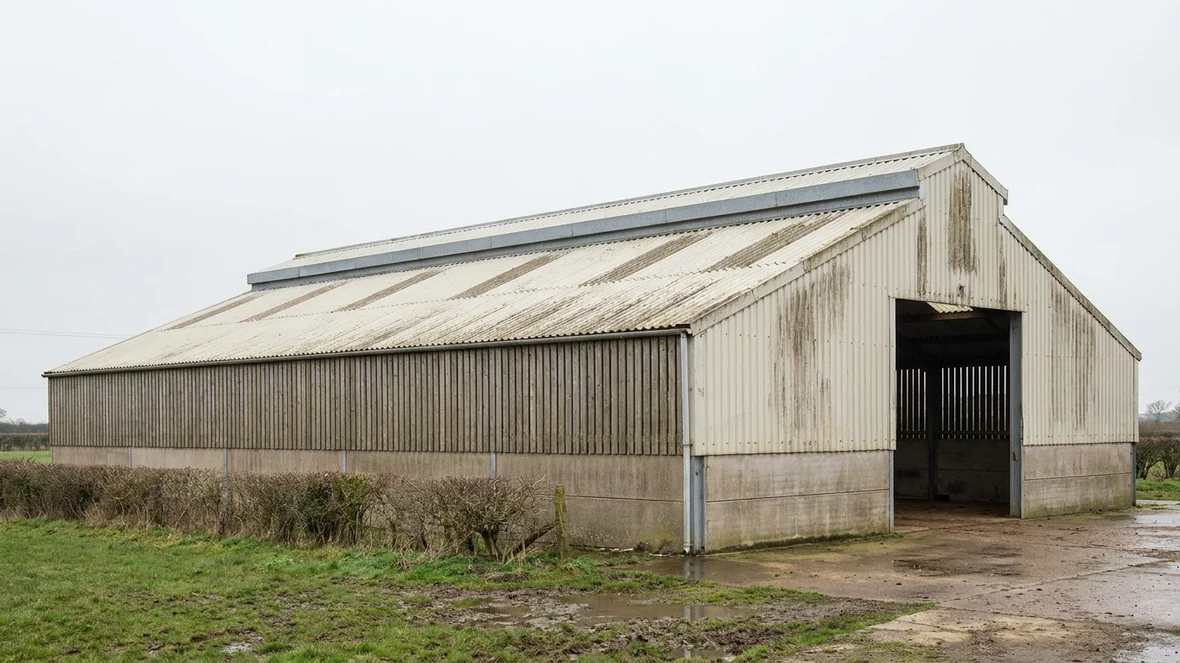
The farm buildings across Gloucestershire have it tough. All that weather coming in off the Severn Vale and hitting the Cotswold escarpment, year after year. Add in the constant demands of a working farm, and those roofs often reach a point where coating just makes sense. Take the old fibre cement sheets on barns near Stroud, for example. You’ll see how years of rain and wind have started to wear them down. Or the older asbestos cement roofs on livestock sheds around Tewkesbury; they might still be structurally sound, but they’re not keeping the water out like they used to.
The agricultural roof stock of Gloucestershire
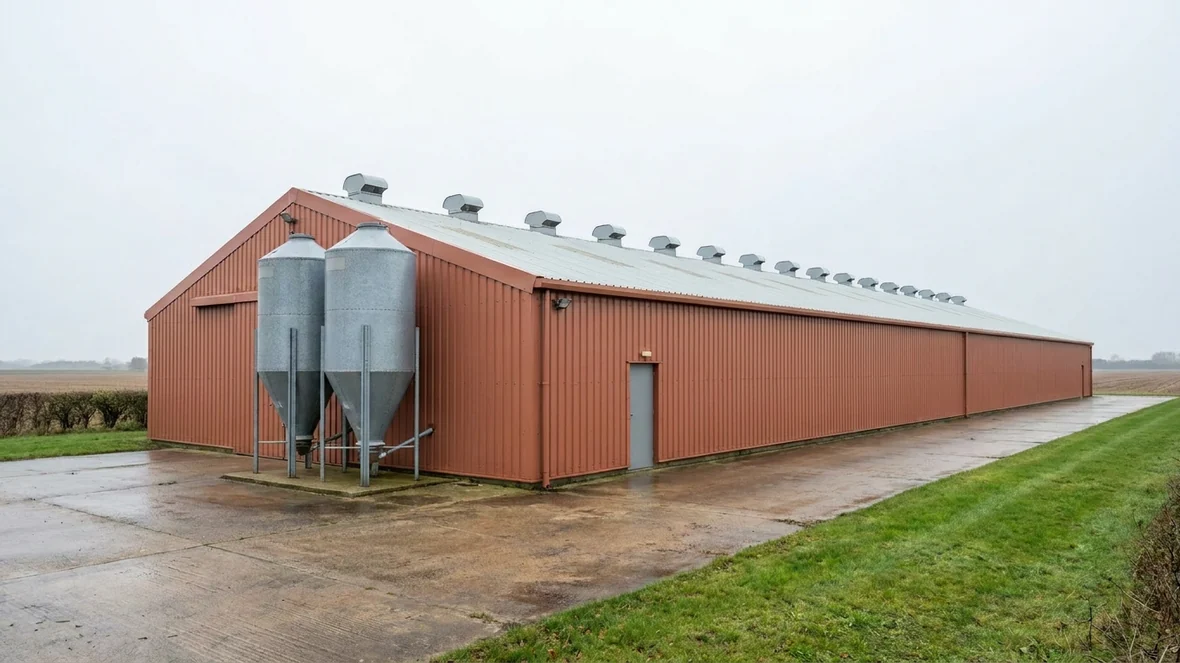
You can tell a lot about Gloucestershire’s farming from its roofs. Dairy and arable operations need solid, low-fuss buildings, so we see a lot of profiled steel, fibre cement and asbestos cement sheets around here. Newer steel-clad barns are common around Cheltenham and Gloucester, while the older buildings in villages like Painswick often have that classic wave pattern of asbestos cement. What they all share is the need to keep feed dry, gear safe, and stock sheltered. A good roof isn’t just nice to have; it’s essential.
What agricultural roof coatings do
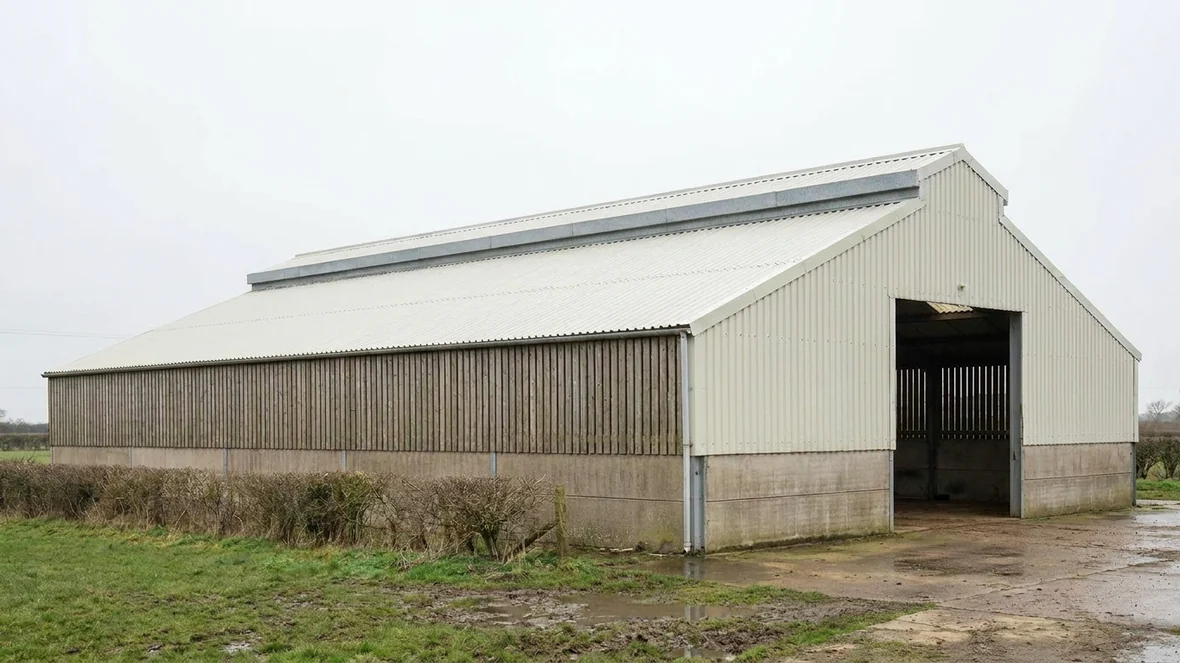
A properly put-on roof coating can really sort out those tired sheets, and you don’t get the hassle of ripping the whole roof off. On the steel roofs you see around Cirencester, it’ll stop the rust creeping in at the fixings and where the sheets overlap. For fibre cement near Newent, it binds up those surface fibres that the weather starts to lift. We’re not just painting; we’re putting down a proper weatherproofing system. It seals up leaks at the seams, around vents, and protects what’s underneath for years. Sometimes, if the damage is a bit more serious, we’ll need to build up a few layers.
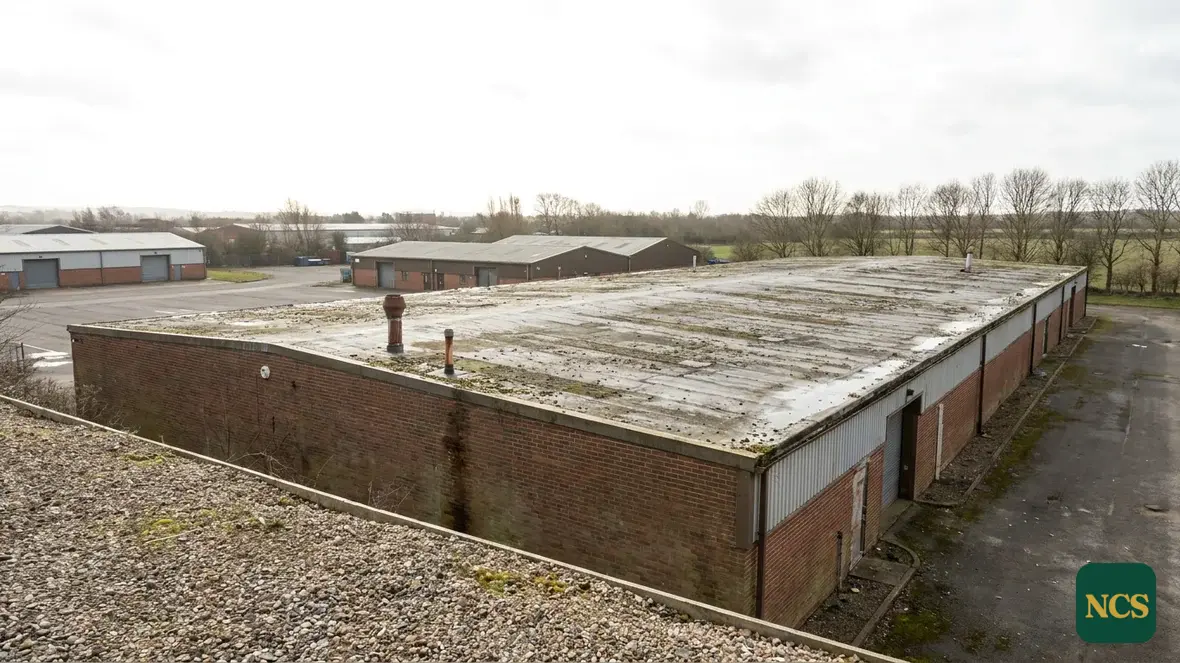
Asbestos cement sheets, cut edges and gutters – what gets assessed first
When we look at older asbestos cement roofs, especially on farm buildings along the A417, we always hit the most vulnerable spots first. That means the cut edges where sheets were trimmed on site, the state of the gutters, and any bits where livestock might have rubbed against fixings. These are the places where water gets in, and where a coating system really has to prove itself. We go over every single one systematically before we even think about recommending any work.
- We give a full assessment of the sheet condition, fixings and overlaps.
- We pinpoint high-wear areas, like around feed hatches and access points.
- We check any existing coatings or treatments that could affect how our stuff sticks.
- We’ll tell you straight what the coating can and can’t do for your roof.
Our survey-led process around the farming calendar
Farming doesn’t stop just because the roof needs doing. We always plan around your silage, harvest, and when the animals are moving. The survey tells us what needs doing and, crucially, when we can do it with the least disruption to your operation. For dairy units near Ross-on-Wye, that might mean fitting in between milkings. For arable farms in the Vale, we’ll steer clear of peak seasons when the grain stores are packed. We work to your timetable, not the other way around.
Why the survey comes first
Every farm roof in Gloucestershire has its own story. You might have a barn near Dursley with decades of patch-up jobs, or one by the Forest of Dean showing serious corrosion from all that woodland moisture. If we don’t get up there, inspect the sheets close-up, and understand how you use the building, any recommendation we make is just guesswork. We start with facts, not assumptions. Your roof needs to stand up to those Gloucestershire winters, and we make sure it will.
Learn more about our agricultural roof coating service or book a free survey.

Common questions about agricultural roof coating Gloucestershire
Can a rusty agricultural roof be coated?
Often, yes, as long as the roof sheets are still sound. We survey to see if it’s just surface rust we can treat, or if you’ve got perforations, serious metal loss, or failed fixings. If it’s too far gone in places, those bits need repairing or replacing before we can even think about coating.
Can you coat an old fibre cement farm roof?
We can coat a fibre cement roof if it’s in good enough nick. That means the surface is stable, the sheets aren’t falling apart, and the structure underneath can handle us working on it. We look for cracks, damaged laps, porous patches, moss, and if the roof is too fragile. Coating won’t fix sheets that have simply run out of life.
Will roof coating stop leaks in an agricultural building?
A good coating helps protect the roof surface, but you’ve got to find out where the water’s coming from first. Common culprits are loose fixings, knackered washers, damaged sheets, open overlaps, dodgy flashings, or blocked gutters. We sort those issues out separately. We don’t expect the coating to patch up structural problems.
When is the best time for agricultural roof coating in Gloucestershire?
We need a good spell of weather. The roof has to be dry, and the conditions right for us to prep, coat, and let it cure properly. We look at rain, wind, temperature, condensation, and the chance of moisture overnight. So, we programme the work based on what the weather’s actually doing, not just what the calendar says.
How do I know whether coating or roof replacement is more appropriate?
We check the condition of the sheets, any rust, the fixings, laps, flashings, any old coatings, and the structure underneath. Coating an agricultural roof in Gloucestershire is the right call when the existing roof still gives us a solid base to work on. If it’s widely deteriorated or the structure’s looking shaky, then it’s more sensible to repair or replace it.
How we prepare and detail an agricultural roof before coating
How well we prepare the roof makes all the difference to how well the coating sticks. We start by working out what the roof is made of, what’s already on it, and what needs fixing. We plan all the access and fragile-roof controls before we even start.
- We get rid of dirt, chalking, moss, lichen, and anything loose, using methods that suit the roof material.
- We clean back any corrosion to a stable surface and treat the metal if the roof’s condition allows.
- We check the fixings and washers, replacing or correcting any faulty ones if that’s part of what we’ve agreed.
- We examine sheet overlaps, ridge details, flashings, penetrations, gutters, and roof edges for anything that could let water in.
- We make sure the roof is completely dry and ready before we put any coating down.
- We apply the chosen coating evenly, paying close attention to the profiles, edges, fixings, and other tricky bits.
We won’t coat over dirt, trapped moisture, or anything that’s clearly unstable. If we find damage during prep that could mess up the job, we’ll flag it and agree on the right repair before we carry on. This survey-led approach keeps our coating work honest and effective for your agricultural roof.
All access and work at height is planned in line with HSE work-at-height guidance.