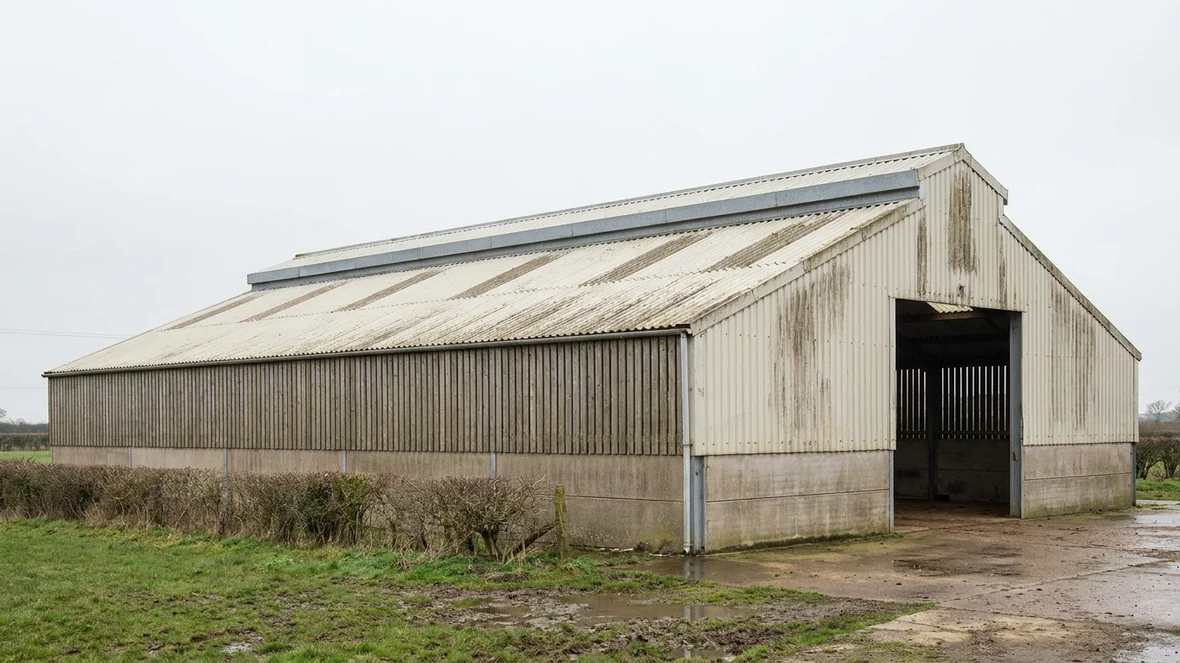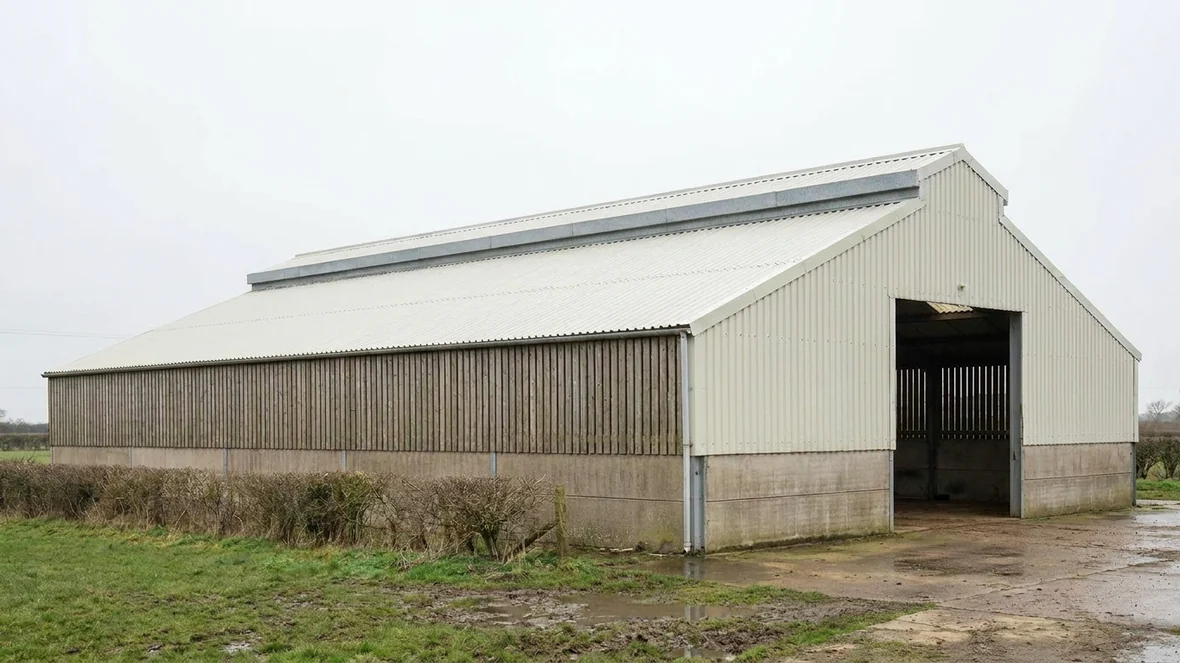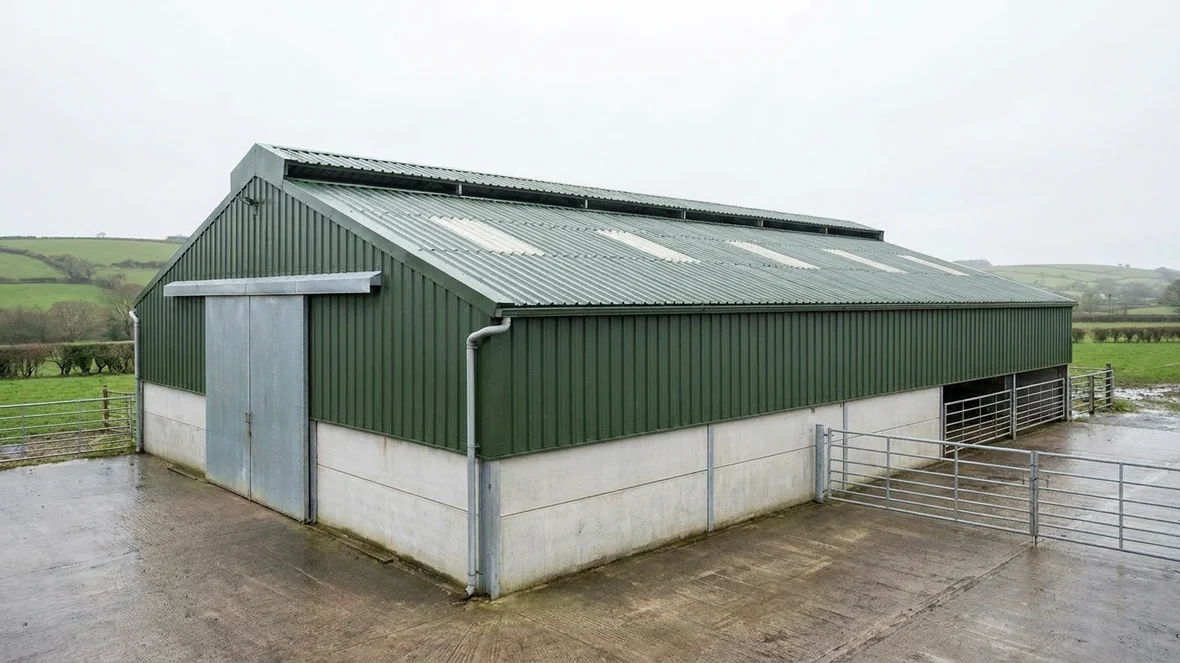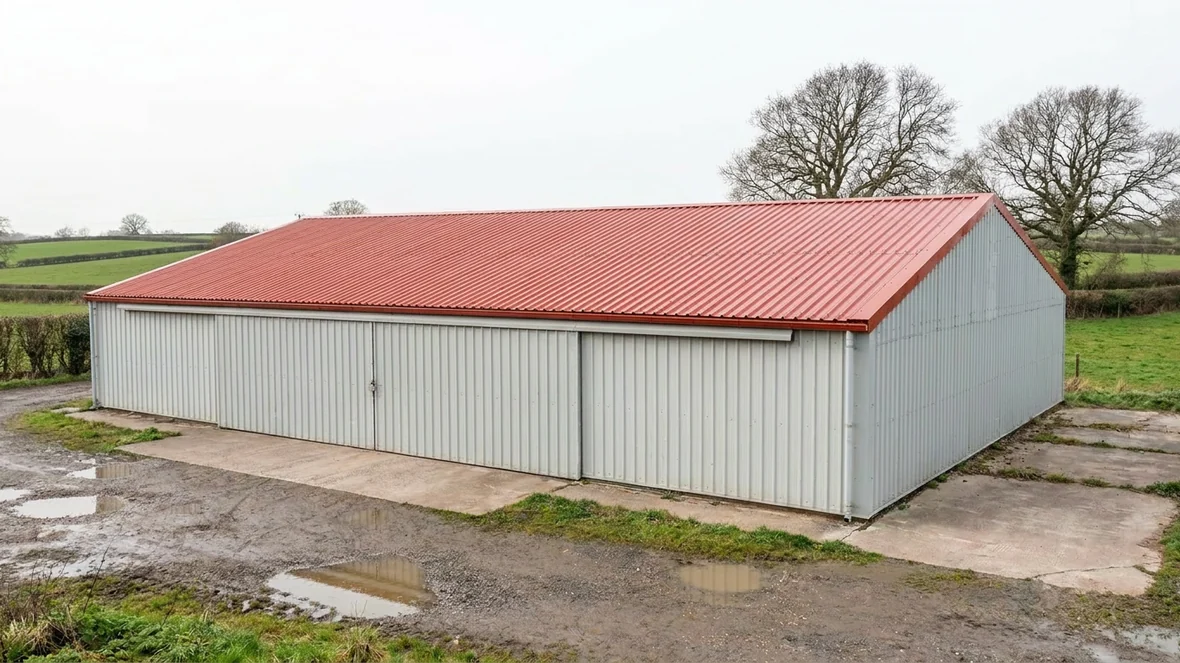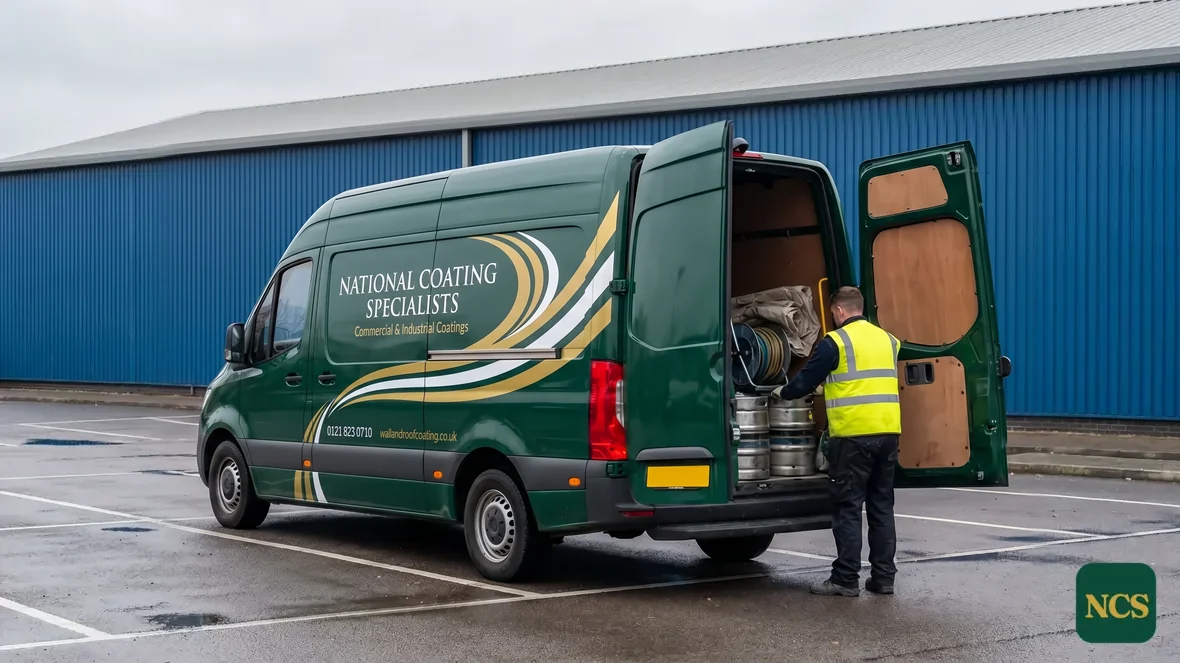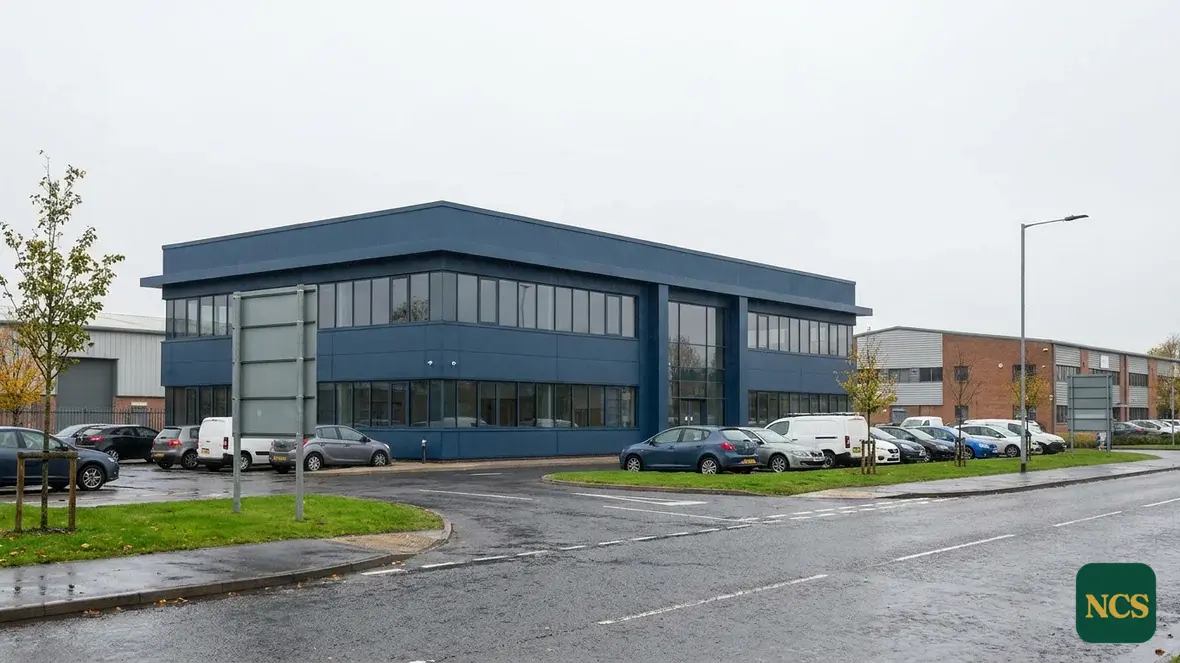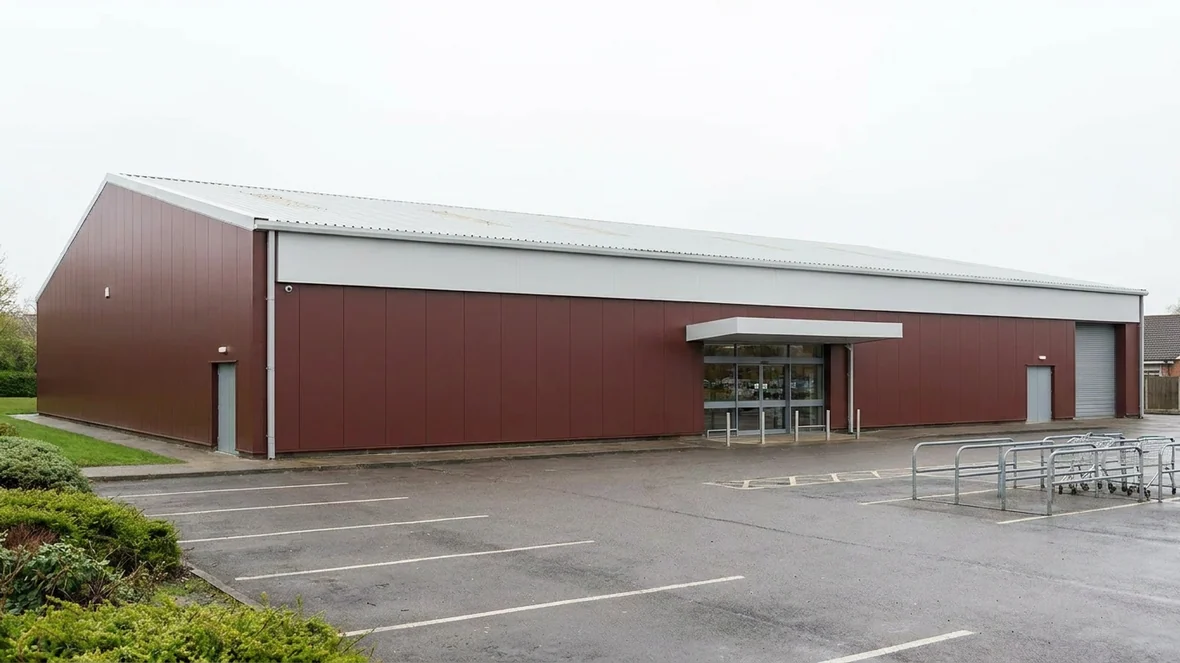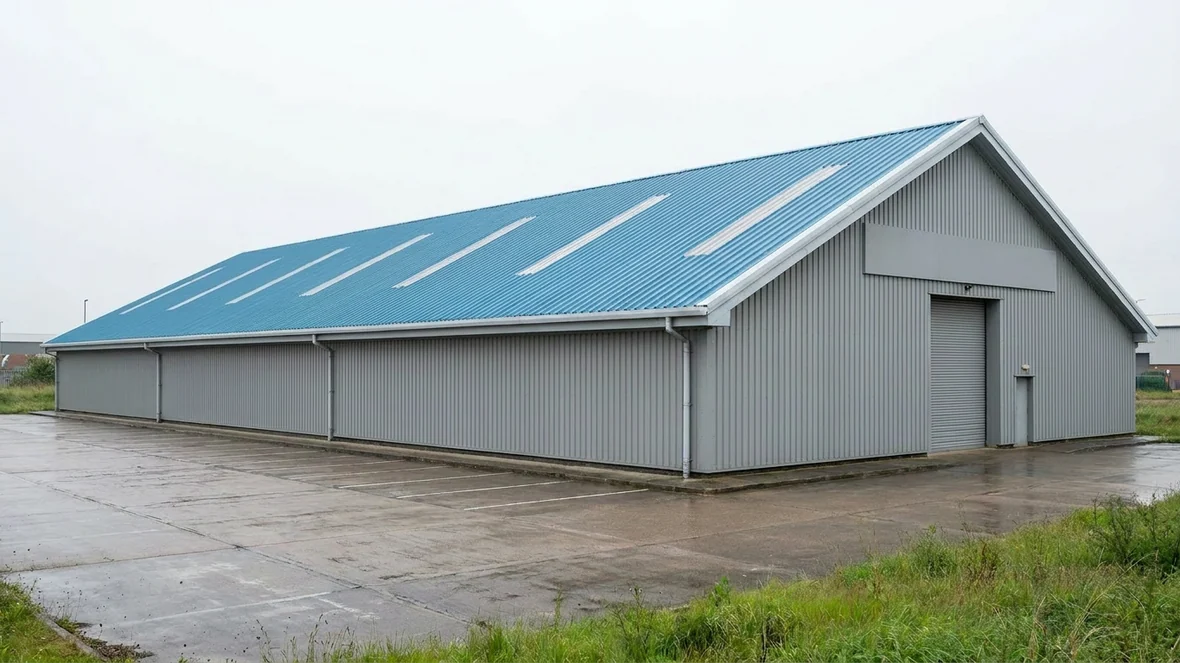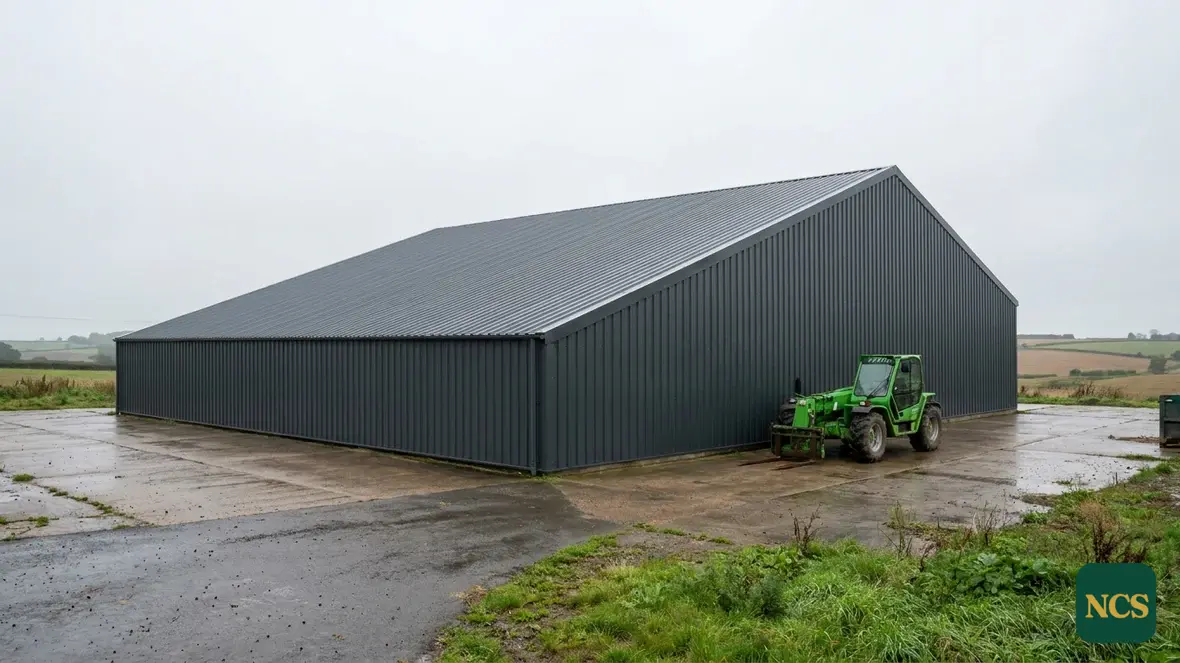




Farm Painters Gloucestershire means we do it our way, just like everywhere else. One of our surveyors comes out first, inspects your building, takes photos of what’s going on, and we build the spec around the substrate, not some price list.
Why farms across Gloucestershire need professional farm painters
The farm buildings around Gloucestershire take a real battering. You’ve got the driving rain off the Cotswolds and the constant exposure to muck, ammonia and those fierce high-pressure washdowns. Even the toughest coatings eventually give up. We often see farm buildings where the original paint has completely gone, leaving bare timber or metal open to rot and corrosion. Take the dairy-heavy areas like the Vale of Berkeley, for example. That combination of moisture and airborne ammonia from slurry can strip protective layers right off in just a few seasons.
The farm building stock of Gloucestershire
From those old stone barns in the Cotswolds to the modern dairy sheds near Newent and Tewkesbury, Gloucestershire’s farm buildings really show the variety of farming here. We see a lot of big dairy units, especially in the Severn Vale, where it’s mostly steel-framed buildings with composite cladding. Head towards the Forest of Dean and you’ll find more of the older timber barns and storage buildings, many of them looking pretty tired after decades outside. Then you’ve got the poultry sheds around Cheltenham and Stroud, which bring their own set of problems with the specialist ventilation and frequent disinfection cycles.
What farm painting involves in Gloucestershire
Proper farm painting isn’t just about splashing on a new coat. We use industrial spray systems to put down high-build coatings that are specifically made for farm environments. For steel structures, that usually means an epoxy or polyurethane system, something with serious corrosion resistance. Timber buildings often need a different approach to prep and coating, sometimes with specialist preservative treatments before the topcoats go on. The trick is always matching the system to the material and to what the building actually does, whether that’s standing up to dairy fumes, abrasion in a grain store, or the traffic in a feed mill.
- We assess the surface thoroughly before we specify anything
- Preparation matches the existing coating failures, not a formula
- Hard-wearing coatings, put on by people who know what they’re doing
- Full system documentation, so you know what you’ve got for future maintenance
The repairs and preparation that come before painting
Pretty much every farm painting job we do in Gloucestershire starts with repairs. Steel buildings often show corrosion at bolt holes, base plates, and where the cladding overlaps. Timber structures might need rot cut out and treated, especially around the eaves or where ventilation is poor. Even relatively new buildings often have damage from installation or spots the original coating missed. We fix all these things systematically before any paint goes on. No coating system will perform right if it’s put over a dodgy surface.
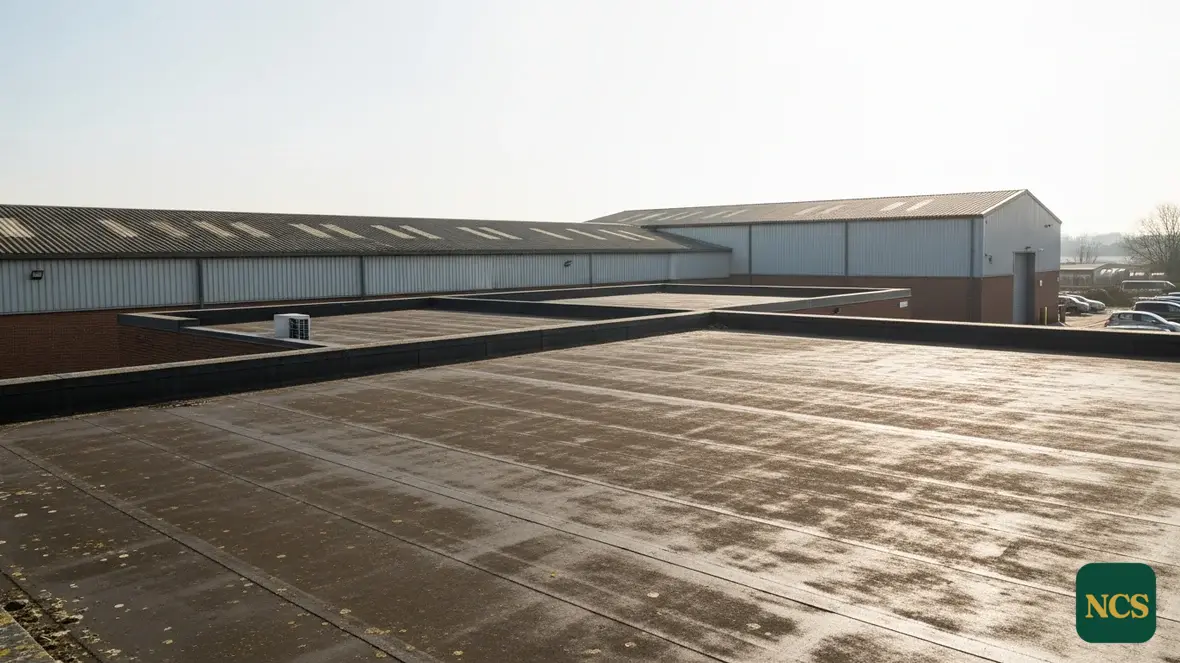
Our survey-led approach to farm painting
Every project starts with us properly looking at your buildings. We check the condition of all the surfaces, spot any structural problems that would affect the paint, and figure out the environmental challenges unique to your place and how you run things. This survey is what we base our spec on, making sure the coatings we suggest are exactly right for what your buildings need. If you’ve got a big farm or estate, we often plan the work in phases, prioritising areas and working around your seasons.
Why specification follows survey
There’s no single answer for farm painting in Gloucestershire. A building’s age, how it’s built, where the existing coating is failing, and what you use it for all mean different approaches. That’s why we never just give out standard specs or off-the-shelf answers. Only by properly surveying can we tell if a building needs a full strip-back, just some localised repairs, or simply a refresh of what’s already there. This careful, evidence-based way of working means your investment in painting will actually give you lasting protection.
Learn more about our farm painting services or book your free survey.
Recently — July 2026
With surfaces staying dry for longer, summer lets us prepare and coat a roof in a single planned visit rather than working around showers.
We do not price a roof we have not stood on, so every job here starts with a proper look at the building.
Farm Painters Gloucestershire: our survey-led approach
What sets our farm painters gloucestershire apart is the survey. Before any coating is specified, one of our surveyors inspects the substrate, the access and the exposure, so the farm painters gloucestershire system we recommend suits the building in front of us.
- Condition of the roof, walls and cladding, checked in person
- Repairs and preparation identified before any coating goes on
- The right manufacturer system matched to the substrate and exposure
- A written report and an honest coat, repair or replace recommendation
That is why our farm painters gloucestershire work lasts: the specification follows the building, not a price list.
All access and work at height is planned in line with HSE work-at-height guidance.

Common questions about farm painters Gloucestershire
Can a rusty farm roof be painted?
Often, yes, provided the sheets remain sound. Surface corrosion can usually be prepared and treated before coating. Painting is not an adequate remedy for perforated sheets, severe section loss, loose laps or failing supports. We inspect the roof first and distinguish treatable corrosion from defects that require repair or replacement.
How do you prepare agricultural cladding before painting?
Preparation depends on the substrate and its condition. We remove dirt, organic growth, loose coating and unstable corrosion, then deal with fixings, cut edges, laps and local defects. The surface must be clean, dry and suitably keyed before coating. Simply spraying over weathered cladding may improve its colour briefly, but it does not provide a dependable coating system.
Can you paint a farm building while it is still in use?
In many cases we can plan the work around normal farm operations. Livestock, stored produce, vehicles and machinery may need to be moved or protected, and access routes must remain controlled. Ventilation, overspray risk and the activities taking place inside the building all affect the method. We agree these practical points before work begins rather than leaving them to be resolved on site.
What is the best weather for painting farm roofs and cladding?
Coatings need suitable surface and weather conditions during preparation, application and curing. Rain, condensation, frost, strong wind and excessive surface heat can all prevent satisfactory work. Gloucestershire weather does not always follow the programme, so we monitor conditions and pause when the substrate is outside the appropriate limits.
Will rust come back through the new coating?
Rust can return if corrosion is left active beneath the coating, if water continues to enter at laps and fixings, or if the metal has already deteriorated beyond a maintainable condition. We pay particular attention to these vulnerable areas and specify preparation accordingly. No coating removes the need for sensible inspection and maintenance.
Coating or replacement for a Gloucestershire farm building?
Coating is usually worth considering when metal roof sheets or wall cladding remain structurally serviceable but have become faded, chalked or affected by manageable surface corrosion. It can retain the existing envelope, reduce unnecessary strip out and improve protection without replacing sound material.
That does not make coating the right answer in every case. Replacement wins when sheets are extensively perforated, badly distorted, embrittled or no longer secure. It is also the better course where widespread lap failure cannot be repaired reliably, supporting steelwork requires major intervention, or the building needs a fundamental change to its insulation, ventilation or condensation control.
Localised replacement and broader coating can sometimes be combined. Damaged sheets, failed rooflights, corroded fasteners or weak edge details may be renewed before the remaining sound areas are prepared and coated. This can be more appropriate than treating every sheet as though it were in the same condition.
Older fibre cement and other potentially hazardous materials require separate consideration. A coating must not be used to disguise poor condition or avoid the correct controls. Where the substrate is fragile, seriously degraded or unsuitable for safe preparation, replacement by an appropriately managed route may be the only sensible option.
As farm painters Gloucestershire building owners can consult at survey stage, we base the comparison on condition, access, intended use and the repairs needed before coating. If replacement provides the more dependable outcome, we say so plainly.
Preparation details that determine the finish
Fixings, laps and cut edges
Broad sheet areas are rarely the most troublesome parts of agricultural cladding. Corrosion commonly develops around fixings, beneath washers, along cut edges and where overlapping sheets retain moisture. We inspect these details closely, remove unstable material and identify fixings or sheet sections that need repair rather than paint alone.
Cleaning without driving water into the building
Agricultural buildings often carry dust, algae, bird fouling, grease and residues from previous use. These contaminants interfere with adhesion. Cleaning methods must suit the cladding and the building below it; uncontrolled washing can force water through laps, openings and rooflight junctions. We plan the direction of work and protect sensitive internal areas where necessary.
Managing existing coatings
An old coating does not always need to be removed in full, but it must be firmly attached and compatible with the proposed system. We check for flaking, chalking, brittleness and poor adhesion. Unsound areas are taken back to a stable edge, while intact surfaces are cleaned and prepared to provide a suitable key.
Keeping spray application controlled
Spraying can give an even finish over profiled sheets, but only when wind, access and nearby property are properly managed. Vehicles, crops, livestock areas, watercourses and neighbouring buildings may affect whether spraying is appropriate. We use masking, sheeting and controlled working zones, or select another application method where overspray cannot be managed responsibly.
Finishing around rooflights and junctions
Rooflights, gutters, vents, flashings and changes in profile need careful treatment. Heavy coating at a drainage edge can obstruct water movement, while careless application to rooflights can reduce daylight. We work around these junctions deliberately, keeping outlets clear and avoiding the assumption that more coating is always better.