



Farm Painters the Cotswolds
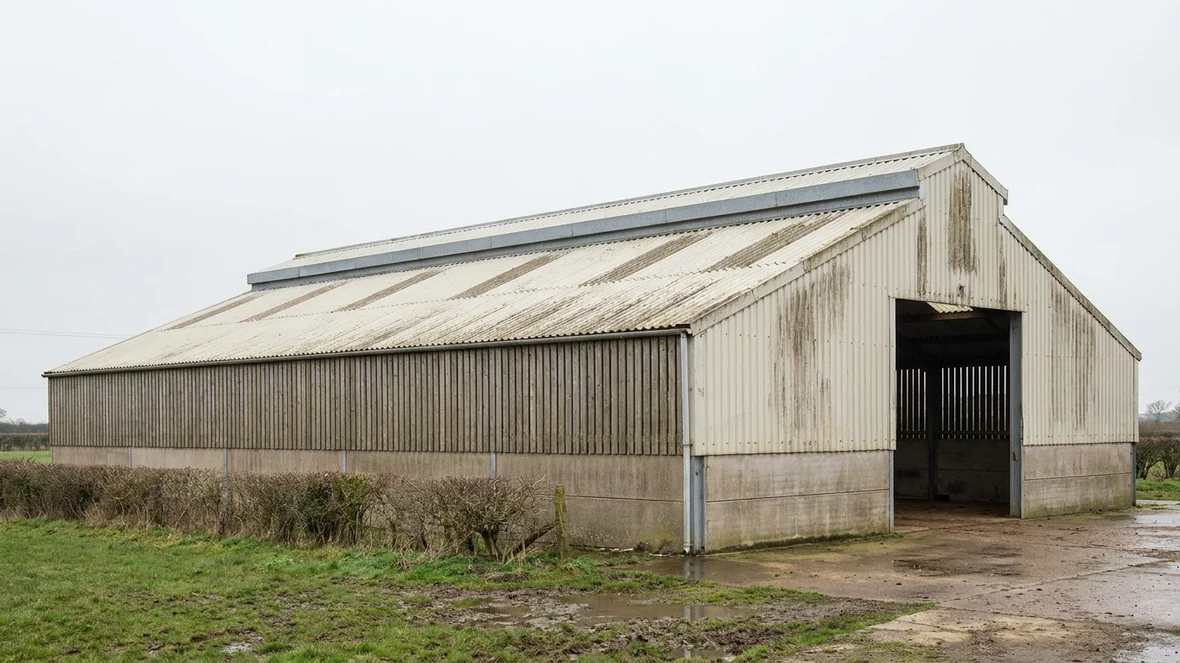
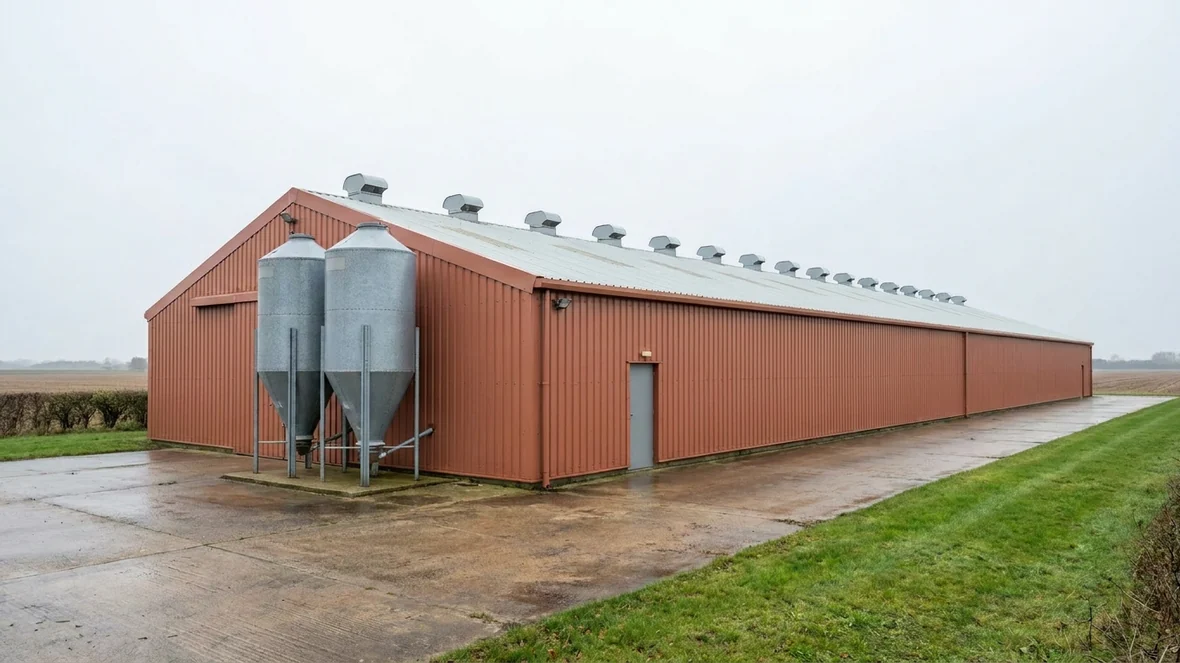
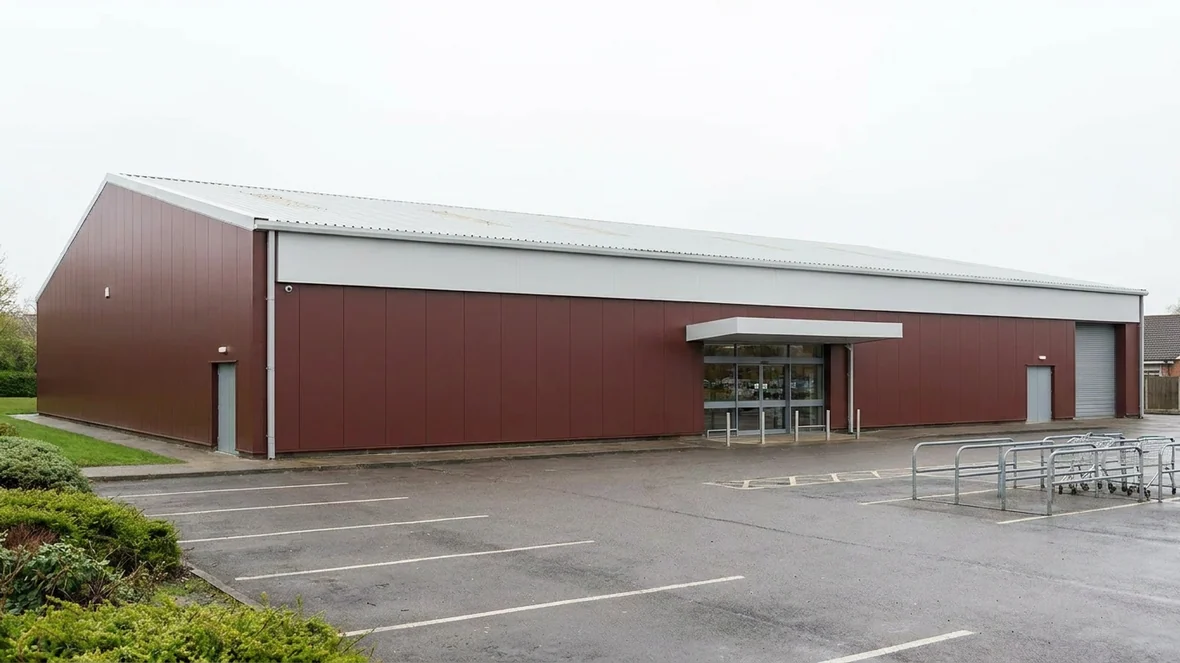
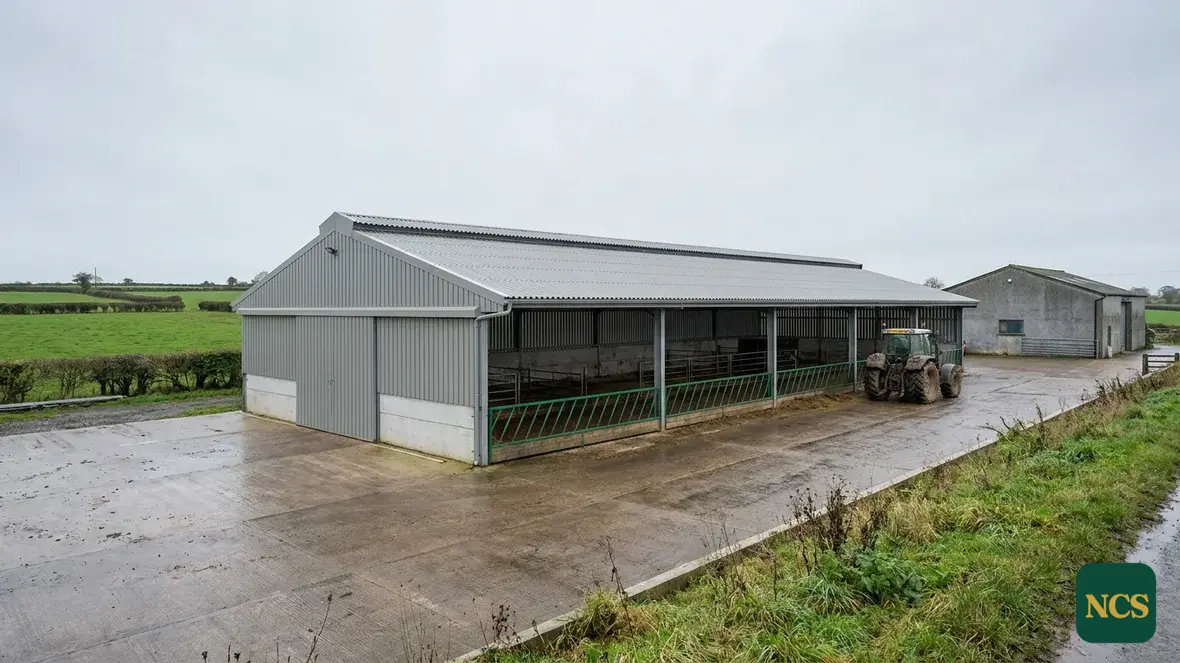
Working farms and rural estates here in the Cotswolds have a constant battle on their hands. Weathering, muck build-up, ammonia damage on their buildings. We get called in when traditional maintenance methods just won’t cut it anymore. We’re talking barns, grain stores, livestock housing. The driving rain and winter freeze-thaw cycles around here are relentless. Mix in animal waste fumes and frequent pressure washing, and you’ve got some of the harshest conditions for agricultural buildings in southern England.
Why farms across the Cotswolds need professional painters
From the fruit farms in the Vale of Evesham to the sheep pastures around Cirencester, those buildings take a real beating. We see concrete and steel structures corroding where ammonia has got under porous coatings. Timber cladding warping because it’s been damp for too long. Even some of the newer agricultural buildings around Stow-on-the-Wold show early fatigue. That’s usually where washdown hoses have forced water behind a poorly stuck-on paint system. We regularly find metal roof sheets in the North Cotswolds that would have lasted decades longer if their factory finishes had been properly looked after.
The farm building stock of the Cotswolds
This Area of Outstanding Natural Beauty has some of England’s oldest working agricultural buildings. You’ll find them right alongside modern dairy and poultry units. We’re talking stone barns that go back centuries, next to big steel-framed structures near Moreton-in-Marsh and Bourton-on-the-Water. Lots of estates along the A429 corridor have swapped out asbestos cement roofs for composite panels, but those still need protective coatings. This mix of heritage and high-intensity farming means no two painting projects are ever the same.
How we approach farm painting work
Modern farm painting means spray-applied coating systems. They’ll outlast traditional brush work ten times over. We specify industrial-grade acrylics and polyurethanes for timber cladding. We match them to how much each substrate expands and contracts. Metal roofing gets zinc-rich primers, especially where cut edges or fastener holes are starting to rust. Get the right system on there, applied to a properly prepped surface, and it’ll stand up to years of tractor spray, bedding dust and disinfectant runoff.
The repairs that come before any painting
Look, no coating is going to last over cracked concrete or rusting steel. Our teams always survey the structural integrity first, before we even talk about finishes. We’ll check for loose fixings around Burford or spalling concrete near Chipping Campden. Timber gets treated for rot. Metalwork gets abrasion cleaned. And every surface gets tested for contaminants. A peeling coat is often just a symptom of deeper issues. Only proper repair work will sort those out.
Our survey-led approach to farm painting
Every single project starts with us coming out to your farm. We’ll document the exposure conditions, what coatings are already there, and how that building actually gets used day-to-day. Dairy washdown areas need different systems to dry grain stores. We always prioritise coatings that mean less downtime during application and curing. That’s crucial on working farms. You can’t just move animals or machinery out of the way for weeks on end.
- We’ll give you a detailed assessment of all your substrates and structural conditions.
- We’ll clearly explain exactly what preparation work is needed.
- We’ll match coating options specifically to your farm’s environment.
- We’ll plan timelines around your agricultural cycles.
Why specification follows survey
No two Cotswolds farm buildings get the exact same weathering or wear. A coating that works perfectly for a stone barn near Winchcombe might fail early on a steel-framed building west of Cheltenham. Our process makes sure every recommendation we make comes directly from what we’ve actually seen on site, not just some off-the-shelf solution. The right protective system becomes obvious once we’ve mapped out the moisture paths, chemical exposure, and mechanical wear patterns unique to your buildings.
Learn more about our farm painting services or book a free site survey.
Recently — July 2026
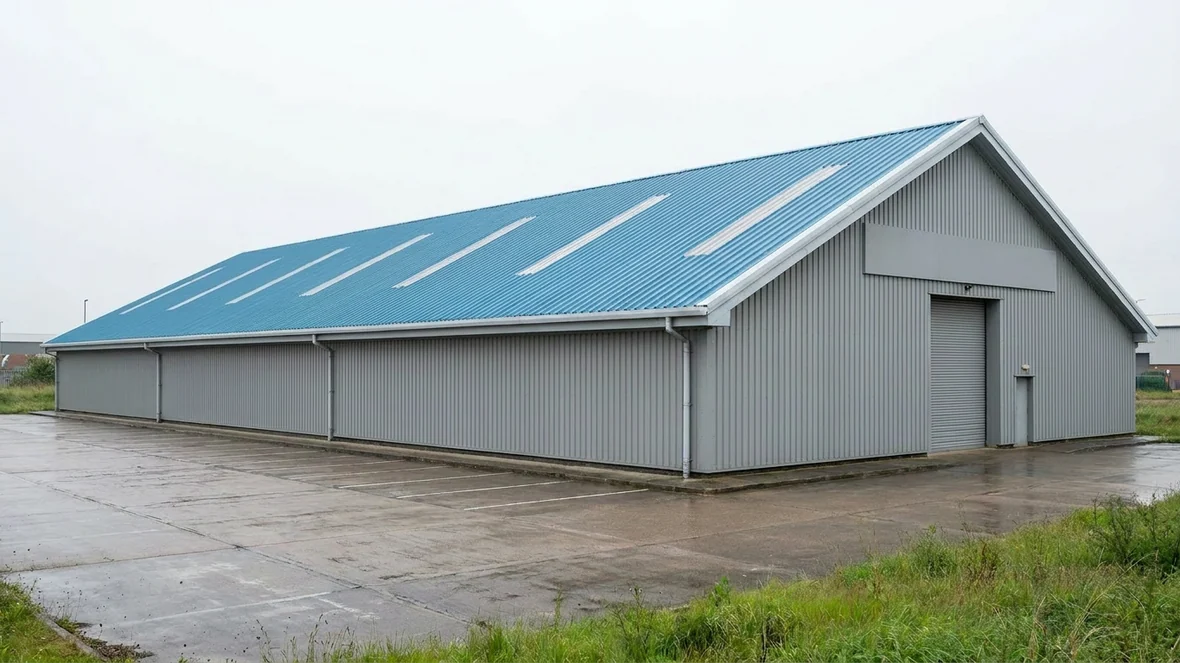
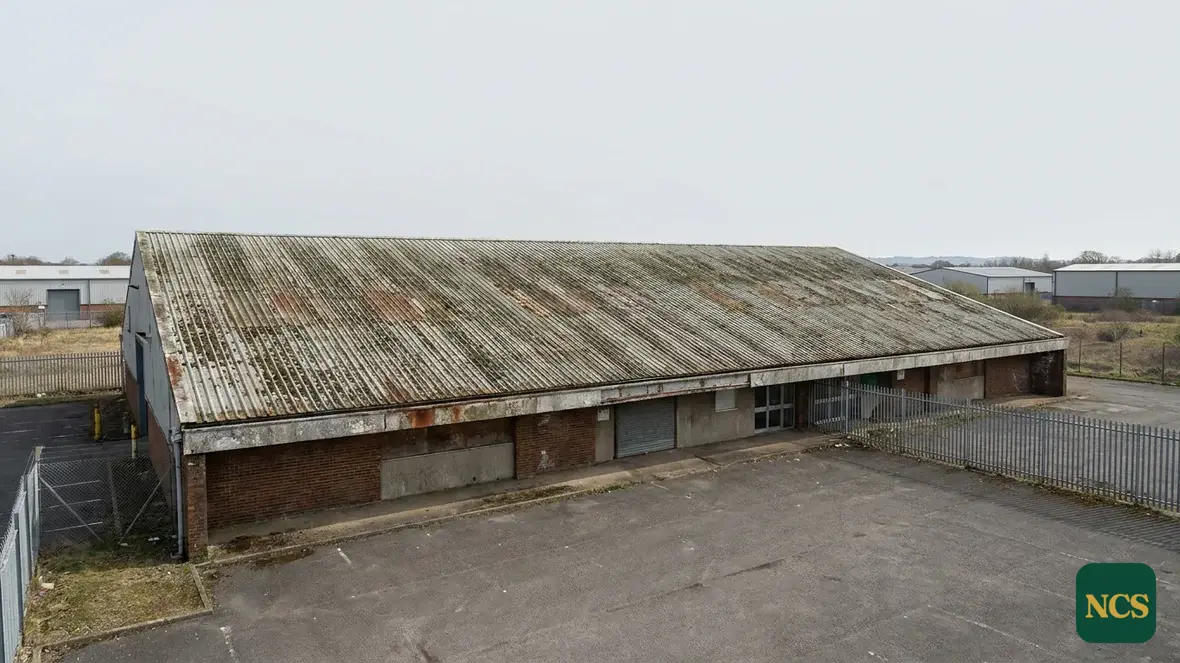
Recent enquiries here have been a mix of metal industrial roofs, profiled cladding and ageing asbestos-cement sheets, all assessed on a free site survey before anything is specified.
Through the drier summer months we can programme preparation, coating and curing with far less chance of a weather delay holding the job up.

Common questions about farm painters the Cotswolds
Can weathered farm cladding be painted?
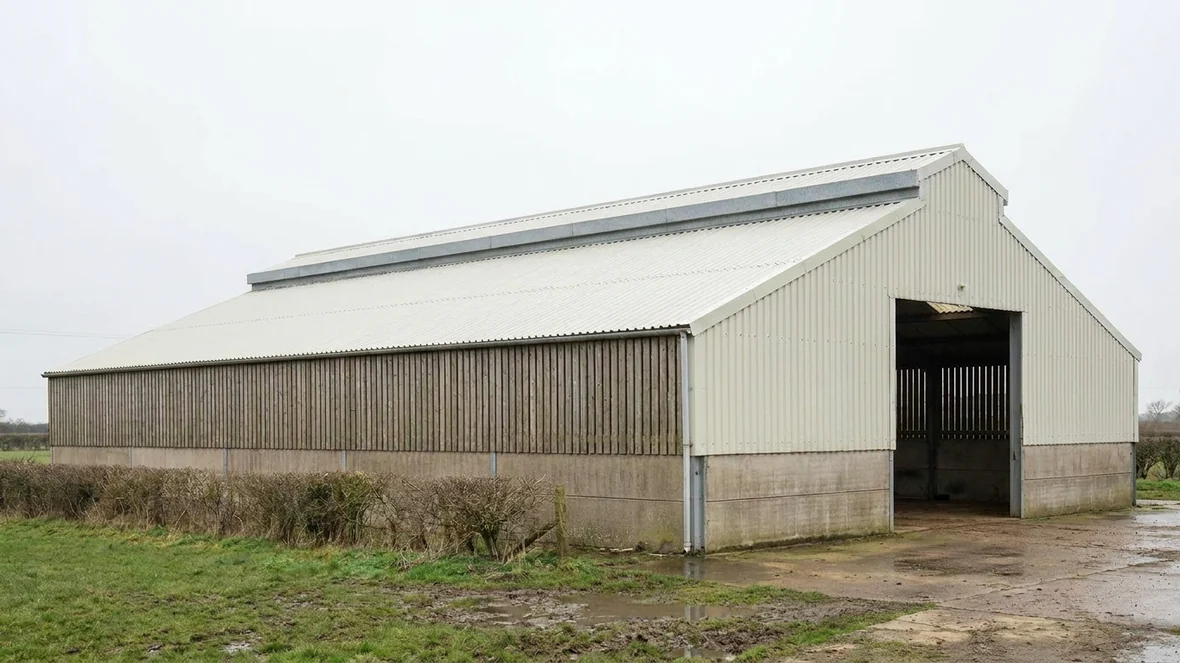
Often, yes. Metal cladding can usually be coated where it remains sound, securely fixed and capable of accepting preparation. Chalking finishes, light corrosion and local coating failure do not automatically mean that the sheets require replacement. We first inspect the substrate, existing finish, laps, fixings and cut edges. Severely perforated, distorted or structurally unsound sheets should be replaced rather than disguised with paint.
Can you paint a farm building without disrupting normal work?
In many cases, we can phase the work around livestock movements, machinery access, deliveries and other farm operations. The practical arrangement depends on safe access and the coating method required. Vehicles, stored materials and animals may need to be moved away from the working area, particularly where spraying is appropriate. We agree working zones beforehand rather than expecting the farm to stop operating altogether.
What is the best time of year to paint agricultural buildings?
Coatings need suitable temperatures, a dry substrate and a workable weather window. Wind is equally important because it affects spray control and can carry dust or overspray. Exposed sites across the Cotswolds may require more flexible scheduling than sheltered buildings. We assess the forecast and conditions at the surface, not simply the season shown on the calendar.
Can farm painters coat rusty corrugated roofs and cladding?
Surface rust can often be prepared and treated before coating. Loose corrosion, failed paint and contamination must be removed to the standard appropriate for the substrate. Particular attention is needed at fixings, overlaps, gutters and cut edges, where moisture tends to remain. If corrosion has materially weakened the sheet or produced holes, local or complete replacement is usually the more responsible course.
Do I need permission to change the colour of a farm building in the Cotswolds?
Routine maintenance does not always require consent, but a marked colour change can be more sensitive where a building is listed, lies within a conservation area or affects a protected landscape. Planning conditions may also specify colours or finishes. Building owners should check the position with the relevant planning authority before work starts. As farm painters in the Cotswolds, we favour restrained finishes that sit sensibly with the building and its surroundings, but colour suitability does not replace formal consent where consent is required.
Coating farm buildings or replacing the cladding
Coating is usually worth considering when the roof or wall sheets remain structurally sound but their factory finish has faded, chalked or begun to fail. Proper preparation and a compatible coating system can restore a uniform appearance and protect exposed metal without removing serviceable cladding. It can also avoid disturbing internal operations more than necessary.
Replacement wins when the substrate has reached the end of its useful life. Sheets with widespread perforation, serious deformation, failed side laps or insufficient structural integrity should not be treated as a painting problem. Replacement may also be preferable where the owner needs to improve insulation, alter the building envelope, address persistent condensation or redesign openings and drainage.
Localised defects do not always justify complete replacement. Individual sheets, flashings or fixings can sometimes be renewed before the remaining elevations are coated. Conversely, repeated patching across a generally weak building can create false economy. We distinguish between coating failure and substrate failure during the survey because paint cannot restore lost metal or correct structural movement.
The nature of the existing material also matters. Older fibre-cement sheets may require controls that rule out aggressive cleaning or mechanical preparation. Suspected asbestos-containing materials must be identified and managed appropriately before a specification is agreed. Fragile roof surfaces also require suitable access planning, whether the eventual decision is coating or replacement.
- Choose coating where the substrate is sound and the principal problem is surface deterioration.
- Consider local replacement where defects are confined to particular sheets, edges or flashings.
- Choose wider replacement where corrosion, cracking or distortion is extensive.
- Prefer replacement where thermal performance or the construction of the building needs to change.
- Do not use a coating to conceal unresolved leaks, unsafe fixings or structural defects.
Preparation and detailing that determine the finish
Agricultural coating work is rarely difficult because of the size of the flat areas. The demanding parts are the edges, fixings, laps, junctions and areas affected by farm contamination. A finish is only as dependable as the preparation beneath it, so we start by identifying what is on the surface and how firmly the existing coating remains attached.
Cleaning agricultural contamination
Cladding may carry dust, algae, exhaust deposits, grease, bird fouling or residues from stored crops and livestock activity. These contaminants can prevent adhesion even when the surface looks reasonably clean from ground level. We select cleaning methods according to the substrate and collect or control debris where the site requires it. Coating does not begin while the surface remains damp or contaminated.
Treating corrosion and failed edges
Corrugated metal sheets commonly deteriorate first at cut edges, bolt holes and overlaps. Loose coating and corrosion must be removed without unnecessarily damaging sound material around them. Bare areas then receive the preparation and treatment required by the chosen coating system. Simply applying a heavy coat over rust may improve the immediate appearance, but it does not constitute sound preparation.
Masking and controlling spray
Spraying can provide an even finish across profiled cladding, but it is not suitable in every location or every weather condition. We account for nearby vehicles, glazing, rooflights, stonework, neighbouring property, livestock areas and public access. Masking, screening and temporary exclusion zones help control the work. Where spray control cannot be achieved reliably, brush or roller application may be more appropriate for particular sections.
Checking the building before completion
After application, we inspect the finish from practical working positions rather than relying on the view from the yard. We look for missed troughs in profiled sheets, thin coverage around fixings, masking defects and incomplete edges. Gutters and drainage routes are left clear, and temporary protection is removed carefully. This final attention is unremarkable craft practice, but it is what separates a coated elevation from one that has merely been made to look different from a distance.