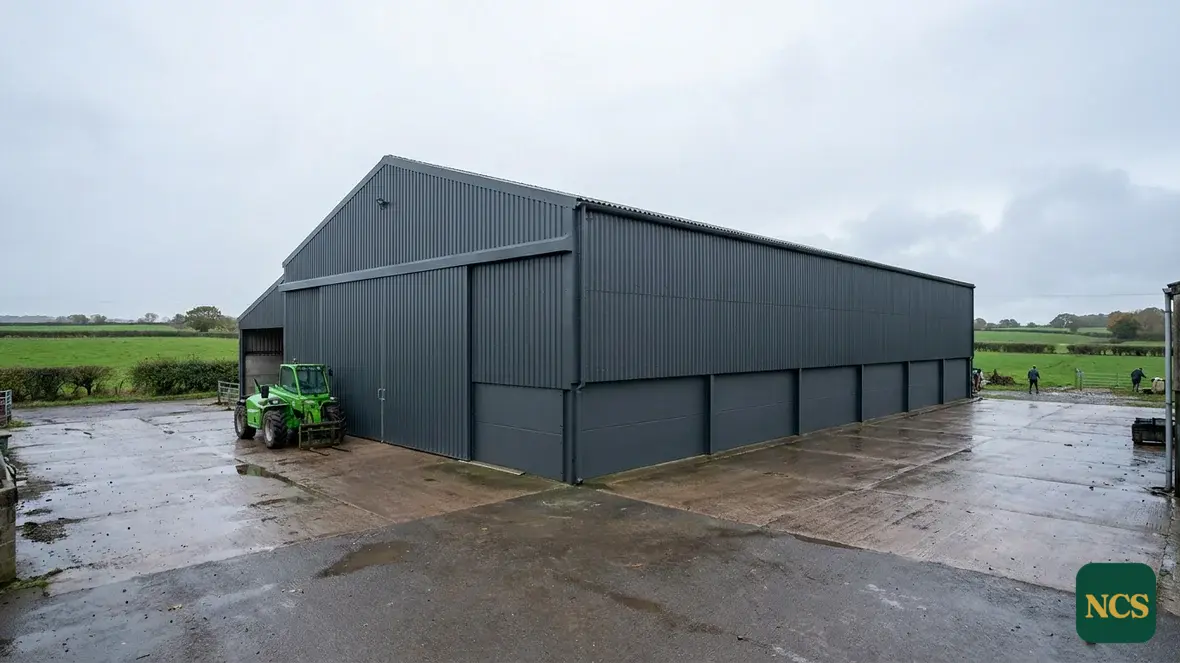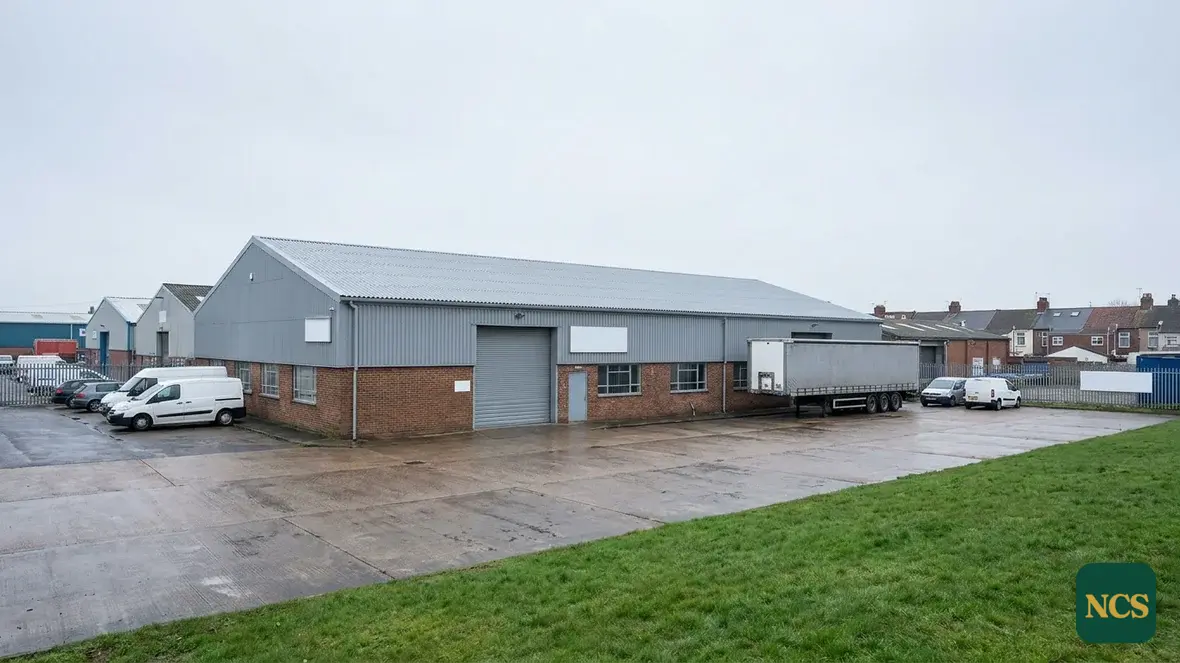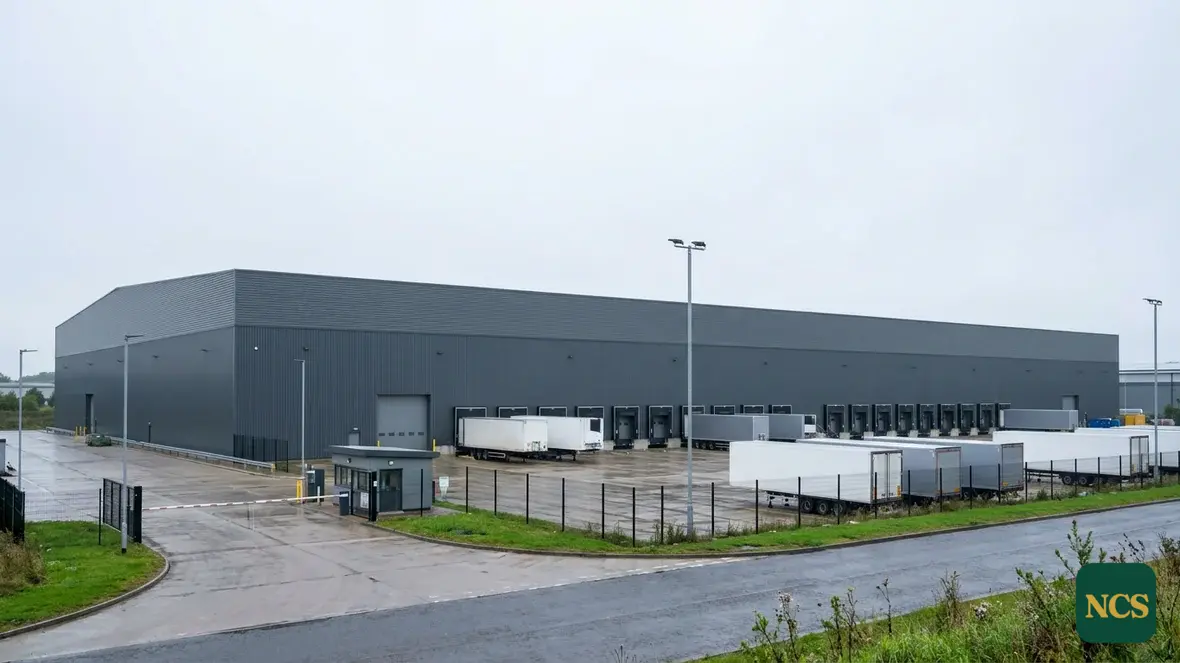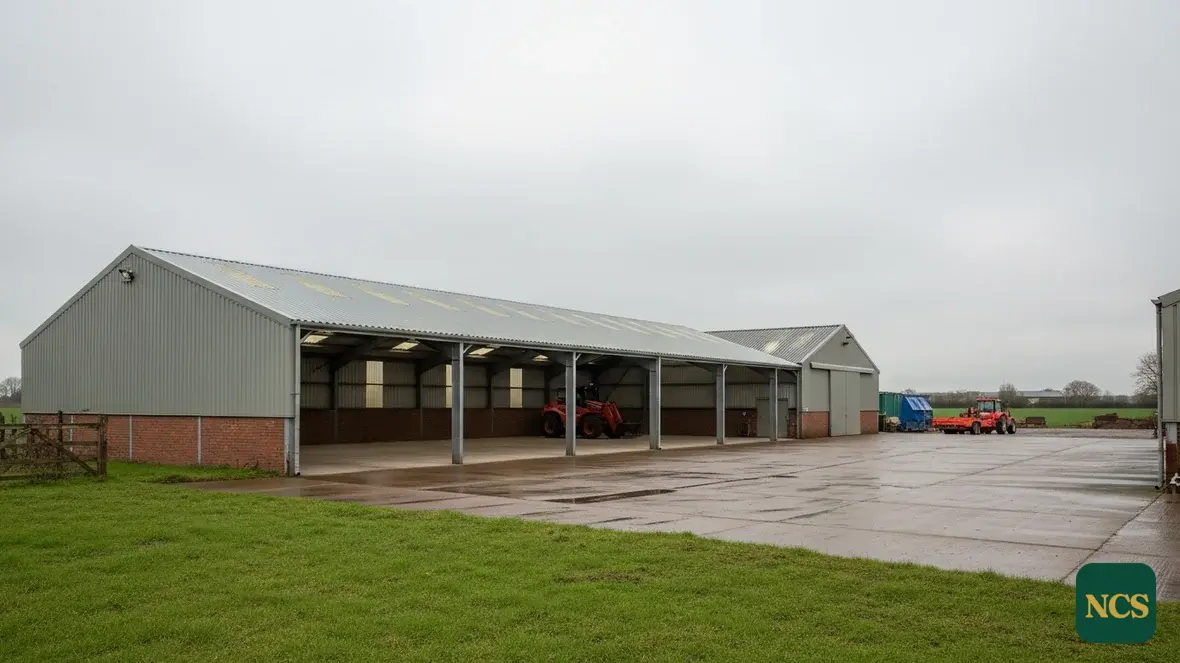
The land around Milton Keynes is classic arable country. Once you leave the grid roads behind, the fields open into the big grain-growing ground of north Buckinghamshire and over the border into Bedfordshire, dotted with grain stores, machinery sheds and the steel-framed barns a modern arable farm runs on. National Coating Specialists is a survey-led exterior coating contractor working across England, and from our South-East base these farms sit comfortably within reach. On arable ground, the building that matters most is often the one that has to be dry and pest-tight when the combine starts.
Grain stores set the priorities
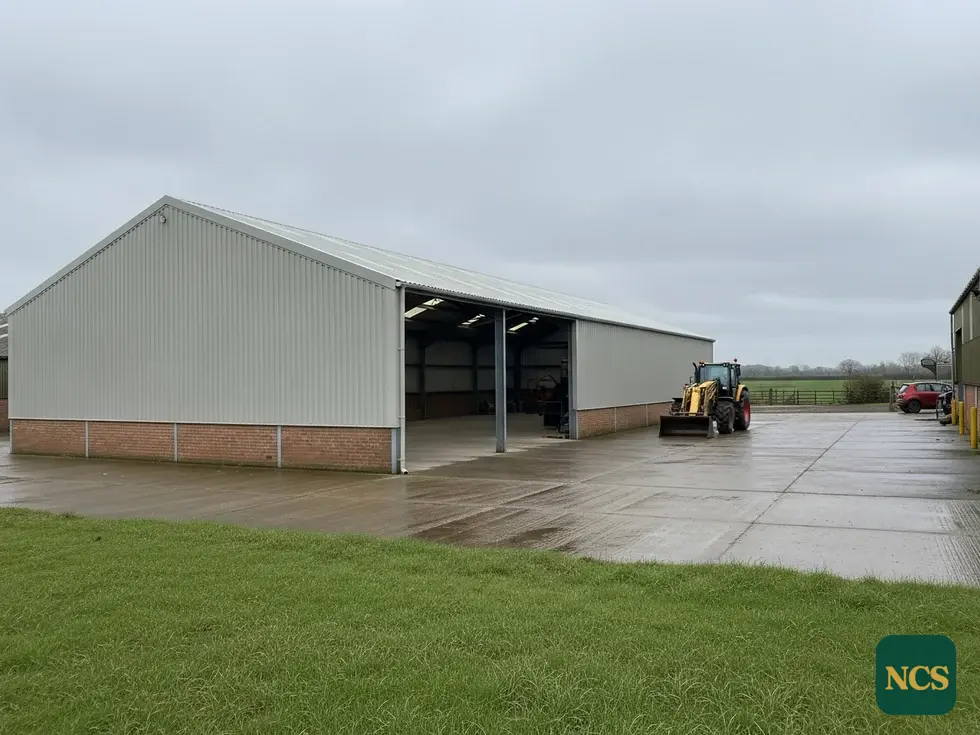
A leaking grain store is not just an inconvenience around Milton Keynes, it is a direct risk to the value of a harvest. Damp from a failing roof can spoil grain and invite the kind of problems that make a crop hard to sell. So when we survey arable buildings here, the stores tend to come first, then the machinery sheds that keep expensive kit out of the weather. The usual culprits are ageing profiled steel and fibre-cement roofs: factory finishes break down, cut edges and laps corrode, and fixings let water track in. Condensation is the other quiet problem, dripping off cold metal onto grain or equipment even when the roof itself is not leaking. A roof that looks tired is frequently still structurally sound, and where the frame is good and the sheet intact, a proper coating can keep a store weathertight for many more seasons without the cost and downtime of a re-roof.
Timing is everything on arable ground
The arable year leaves clear windows and hard deadlines. Stores empty out through late winter and spring, which is the natural time to work on them; nobody wants contractors near a building once it is filling with grain, and the weeks around drilling and harvest are off limits. We plan coating around that calendar: grain and machinery stores in the empty months, work finished and out of the way well before the store is needed. Weather is the other constraint, since coatings need dry, settled conditions to cure properly, so we build a sensible margin into the timing rather than chasing a deadline in the wrong weather. Access and vehicle movements are agreed with you so the job never tangles with the farm’s own traffic.
What we check on the survey
We do not quote arable roofs from the gate. Every job starts with a survey, because the condition that decides a roof’s future is not visible from the yard:
- Sheet condition, with close attention to cut edges, laps and fixings
- Movement, loose sheets and the state of washers and seals
- Gutters, valleys and rooflights, which often go before the roof
- Water staining on purlins, frames and anything stored below
- Access and ground conditions for the plant the work needs
The findings come to you with photographs before any price, and each slope is judged on its own merits.
Not every roof should be coated
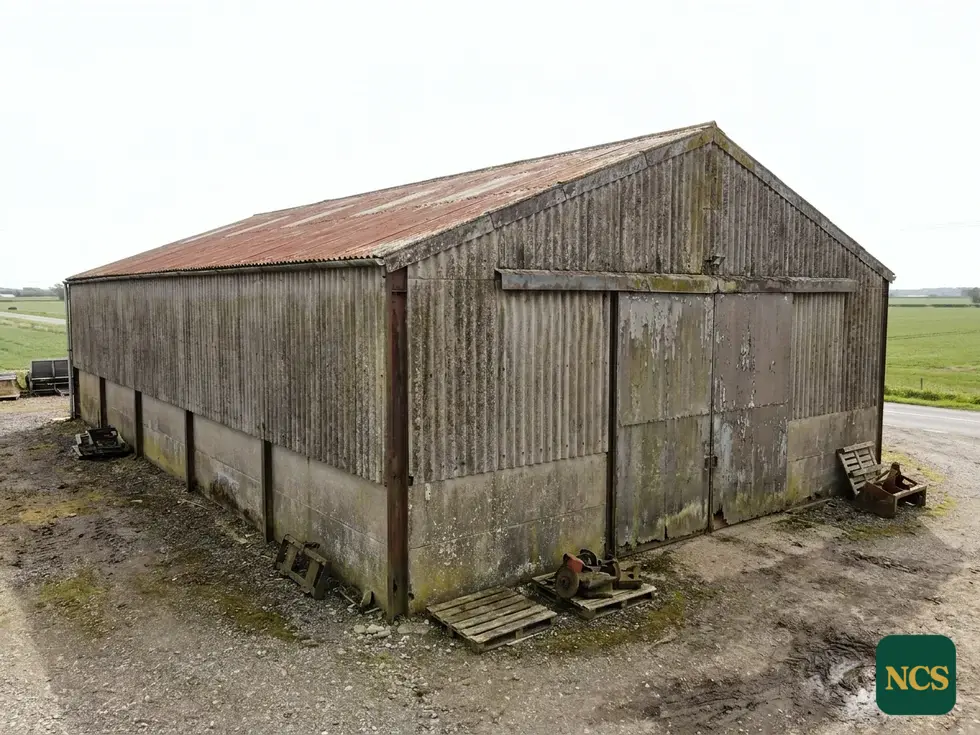
This is the part we will not soften. Coating is the right answer for general surface breakdown on structurally sound sheets, and it can save an arable business a great deal against a full re-roof. It is the wrong answer where sheets are holed, soft, brittle or failing at the fixings, and on those we recommend replacement and say why. Fragile or delaminated asbestos-cement goes to a licensed removal contractor, never under a coating. Localised damage on a good roof is a simple repair. You get an honest verdict, so the spend matches what the building actually needs. We put that judgement in writing with the survey findings, which gives an arable business near Milton Keynes something solid to plan a budget around rather than a verbal estimate that shifts later.