Cladding spraying in Milton Keynes
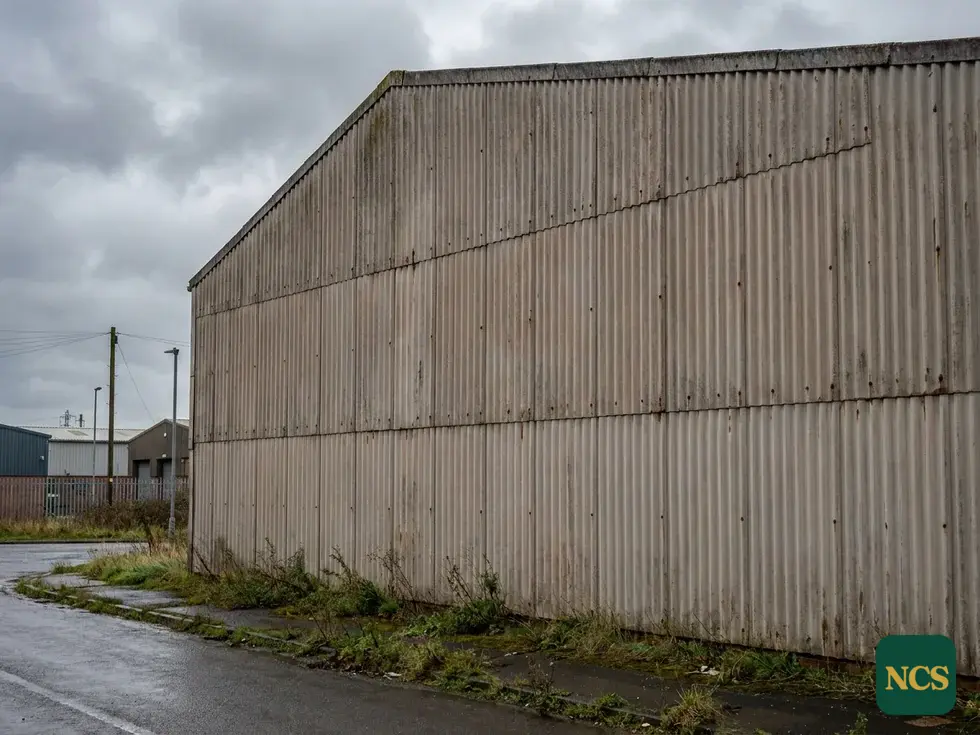
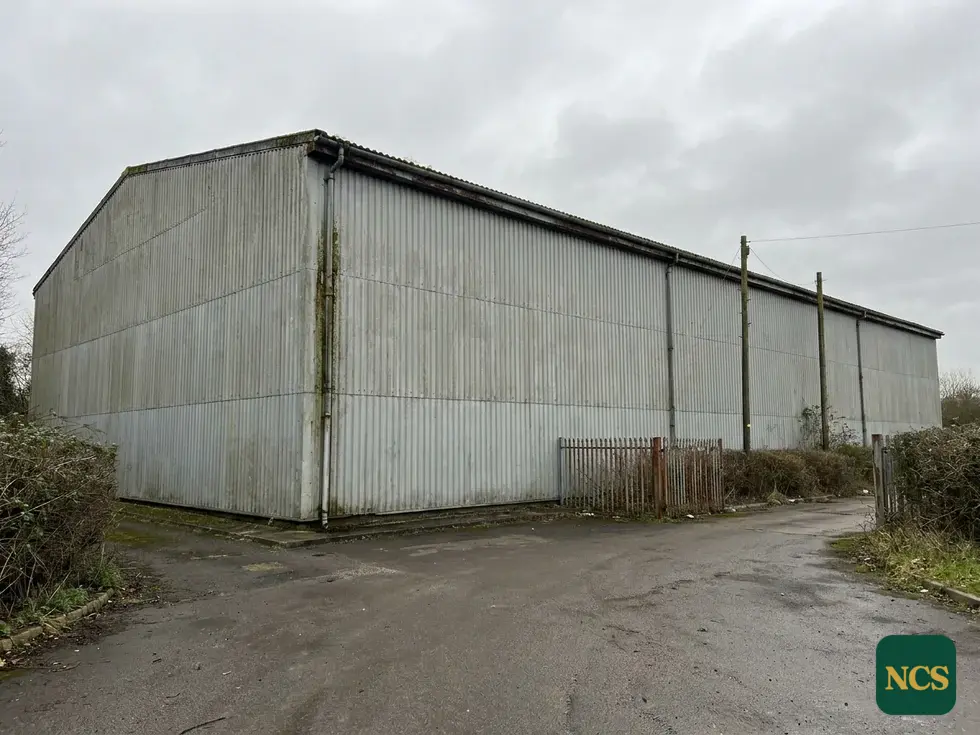
Milton Keynes is a young city with ageing cladding. Much of the commercial stock that went up alongside the grid roads in the 1970s and 1980s is now well past the design life of its original factory finish, and plenty of the big distribution sheds that followed are heading the same way. Cladding spraying in Milton Keynes addresses exactly that gap: the panels are still doing their structural job, but the coating on them has faded, chalked or started to corrode along the cut edges.
Respraying on site renews that finish without the cost, waste or downtime of replacement. Whether a particular building qualifies is a question only an inspection can answer, which is why we will not price one without surveying it first.
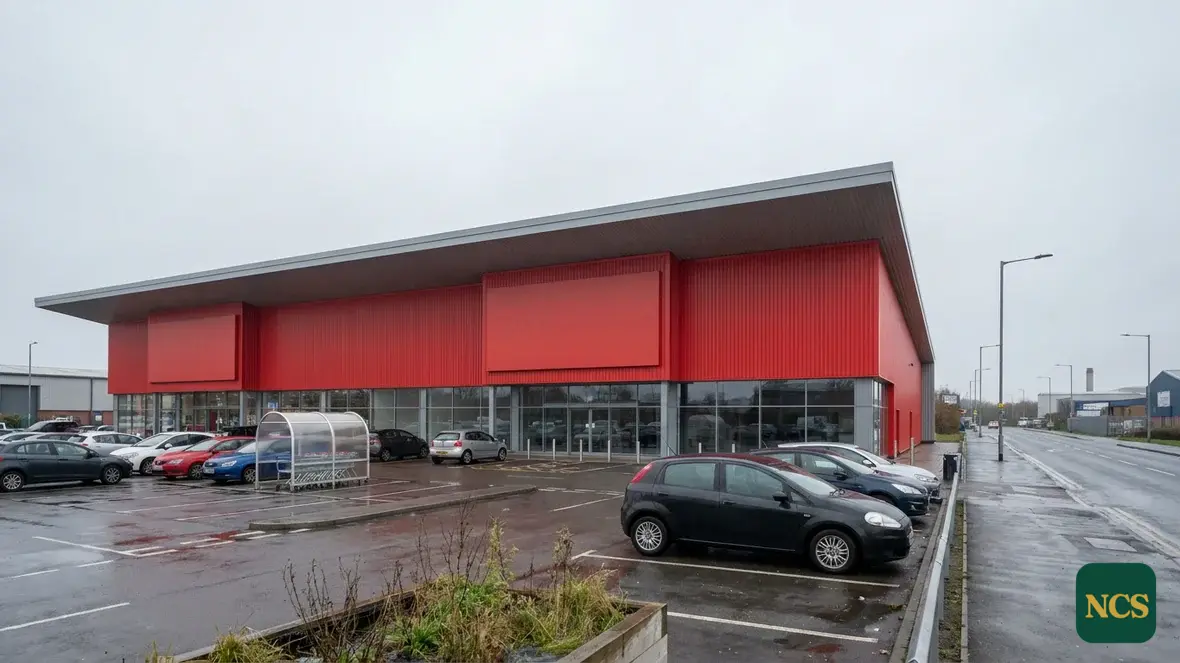
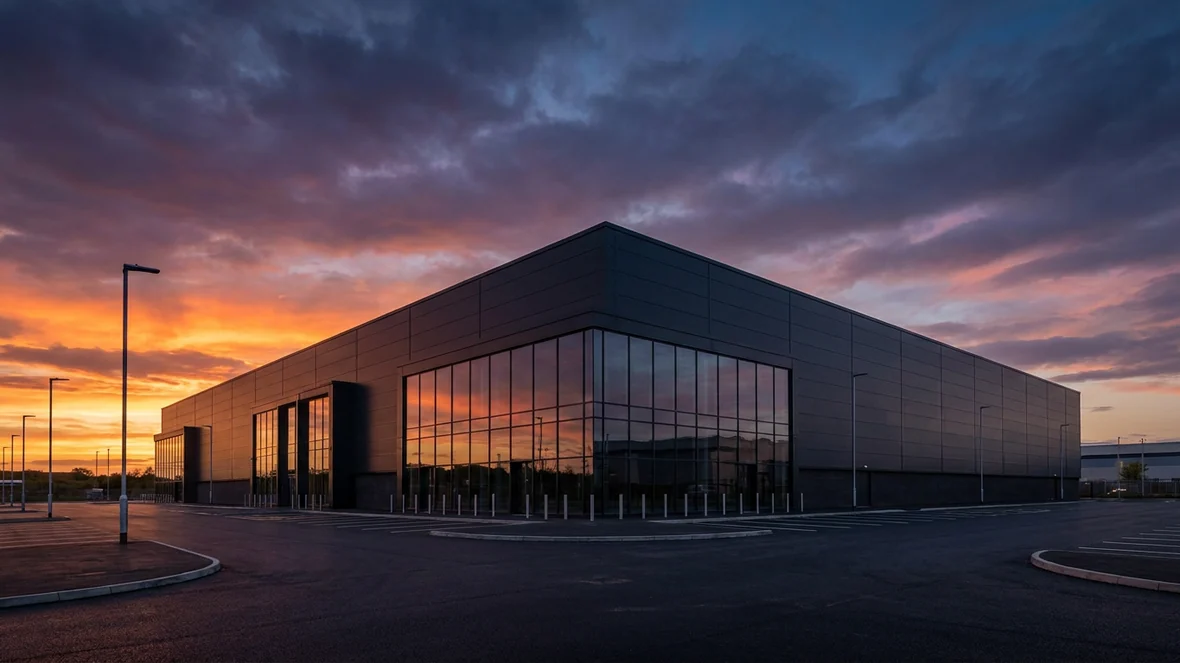
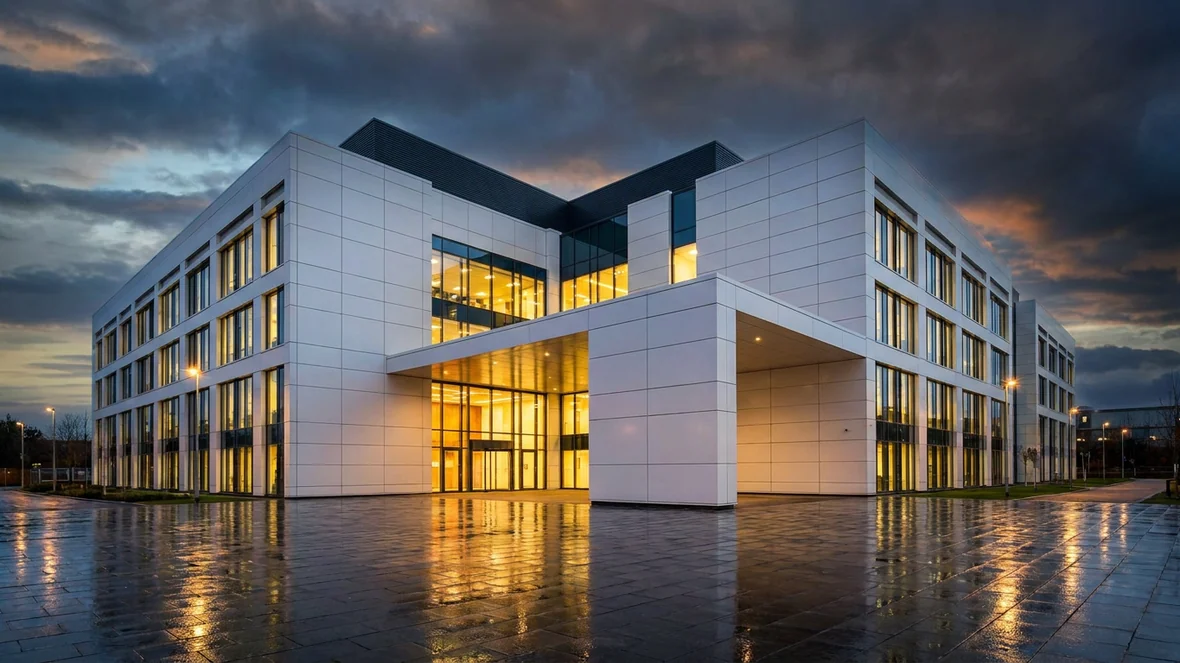
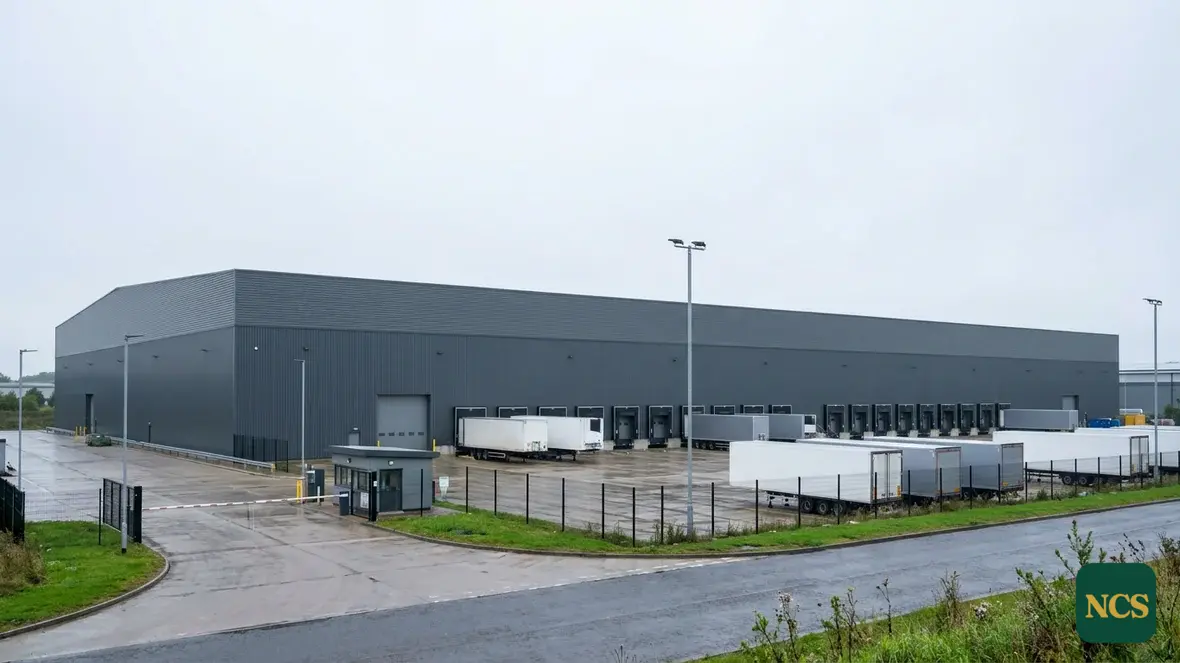
The kinds of buildings this usually involves
Across the city, enquiries about sprayed cladding tend to involve a familiar set of buildings:
- Distribution and logistics warehouses, from first-generation sheds to recent big-box units
- Trade parks and industrial units on the established estates
- Offices with profiled metal or composite panel facades
- Retail and leisure sheds along the main corridors
- Depots and workshops dating from the city’s earliest phases
Buckinghamshire’s weather is moderate by national standards, but four decades of ultraviolet light will dull any factory coating. South and west elevations usually go first, which is why a building can look presentable from one grid road and visibly tired from the next.
How a survey shapes the project
The survey is a physical visit, not a desktop exercise. We examine the panels at close range, test how well the existing finish is adhering, map any corrosion and note the access, masking and programme constraints the site imposes. Everything that follows, the preparation, the repairs, the coating system and the price, is written around what that visit finds.
On the job itself, cleaning and rust treatment come before any colour, edges and repairs are dealt with individually, and the finish is checked elevation by elevation before we ask anyone to sign it off. The identical approach serves Bletchley and Newport Pagnell on the city’s doorstep, and stretches comfortably to Bedford and Northampton.
Live sites are the norm here rather than the exception. Loading yards keep running, offices stay occupied, and the programme is planned around that: elevations sequenced to keep doors and docks clear, masking that protects vehicles and glazing, and working hours agreed before anyone arrives on site.
The honest answer is sometimes no
Some buildings should not be sprayed, and we say so. Corrosion that has eaten through a sheet, composite panels whose faces are separating from the core, fixings that have failed or insulation that has taken on water: these are repair and replacement problems, and a coating would only postpone the conversation while the defect worsens underneath.
Where the survey turns up issues like these, the report says so in plain terms and sets out what should happen first. Occasionally that means partial recladding before any coating work. Occasionally it means no spraying at all. We would rather lose a job than apply a finish we know will fail.
Why the survey comes first
A coating system is only as good as the surface it is applied to, and the surface is only as good as the assessment that preceded it. Contractors who quote from photographs find this out at your expense, halfway up the scaffold, in the form of variations and shortcuts. A survey-led contractor finds it out on day one, while it is still information rather than an invoice.
That is the working method behind everything described above. If you own or manage clad commercial property in Milton Keynes and the facade is starting to show its age, an honest inspection is the quickest way to find out exactly where you stand.