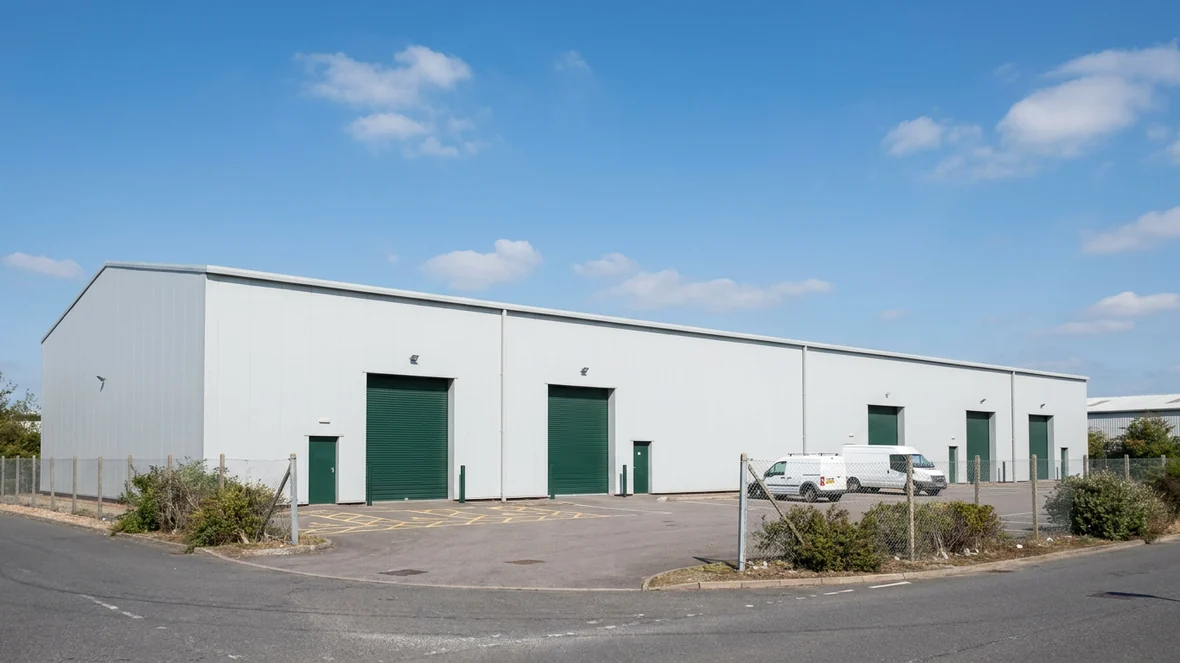
Commercial wall coating in Milton Keynes
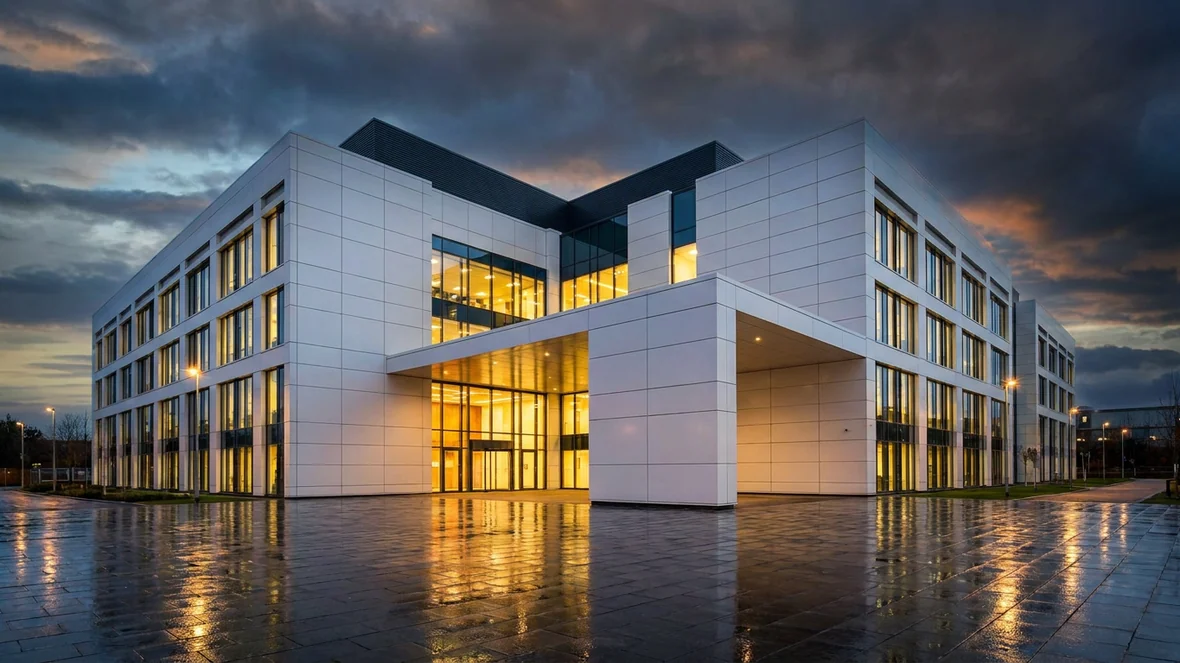
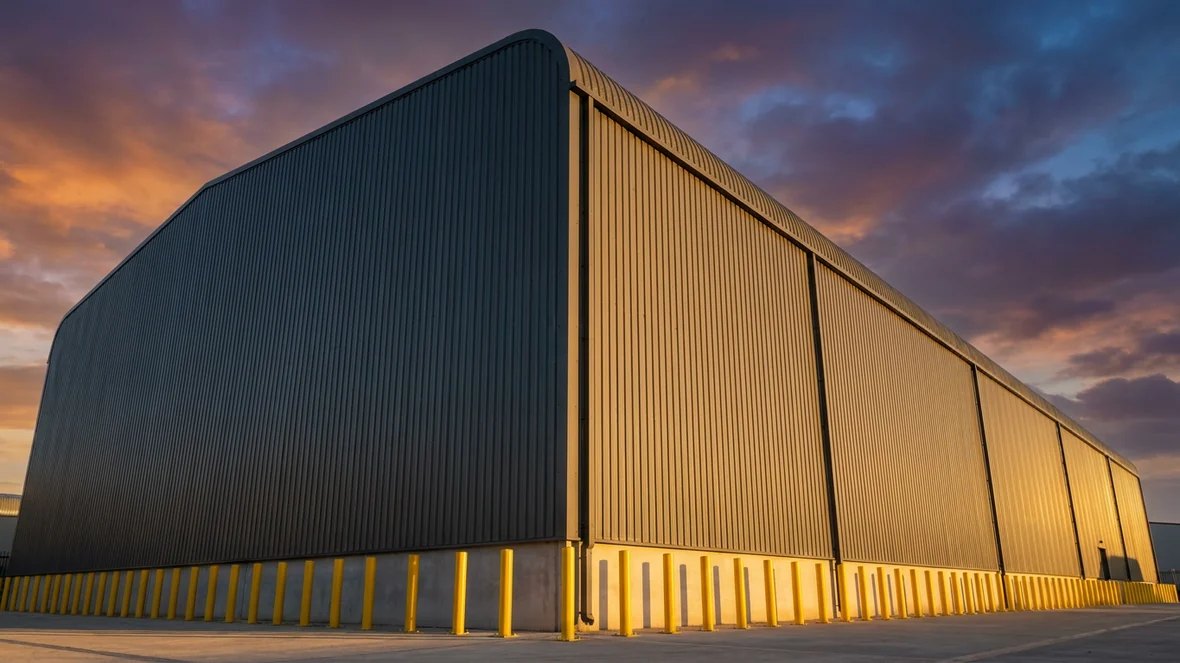
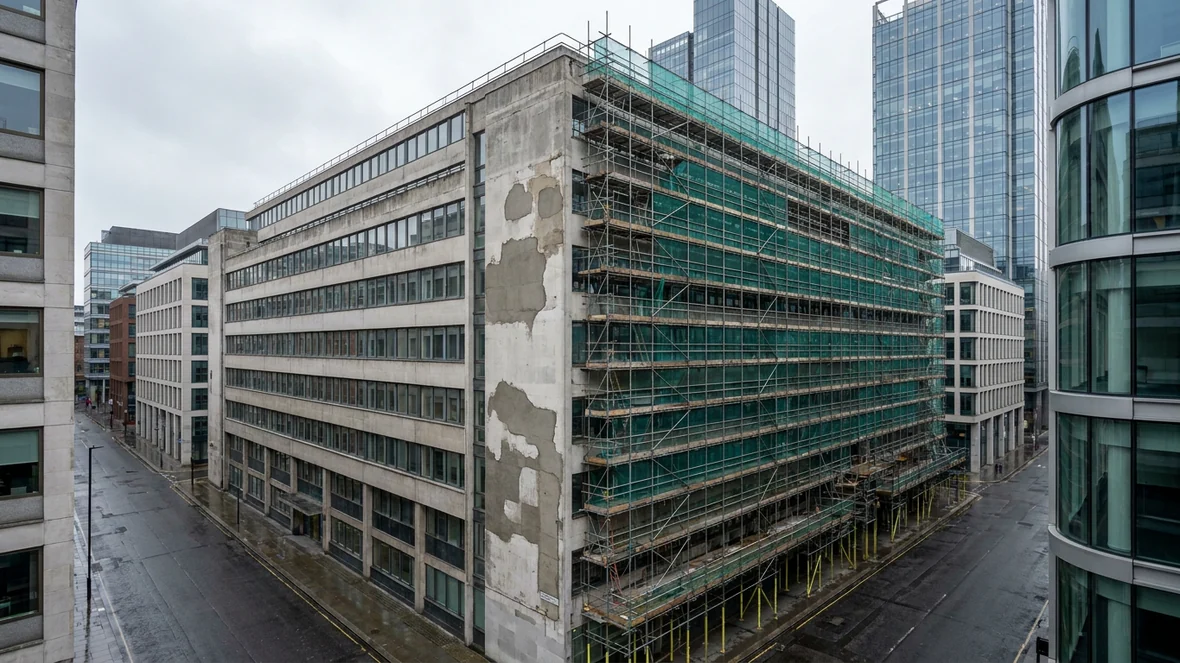
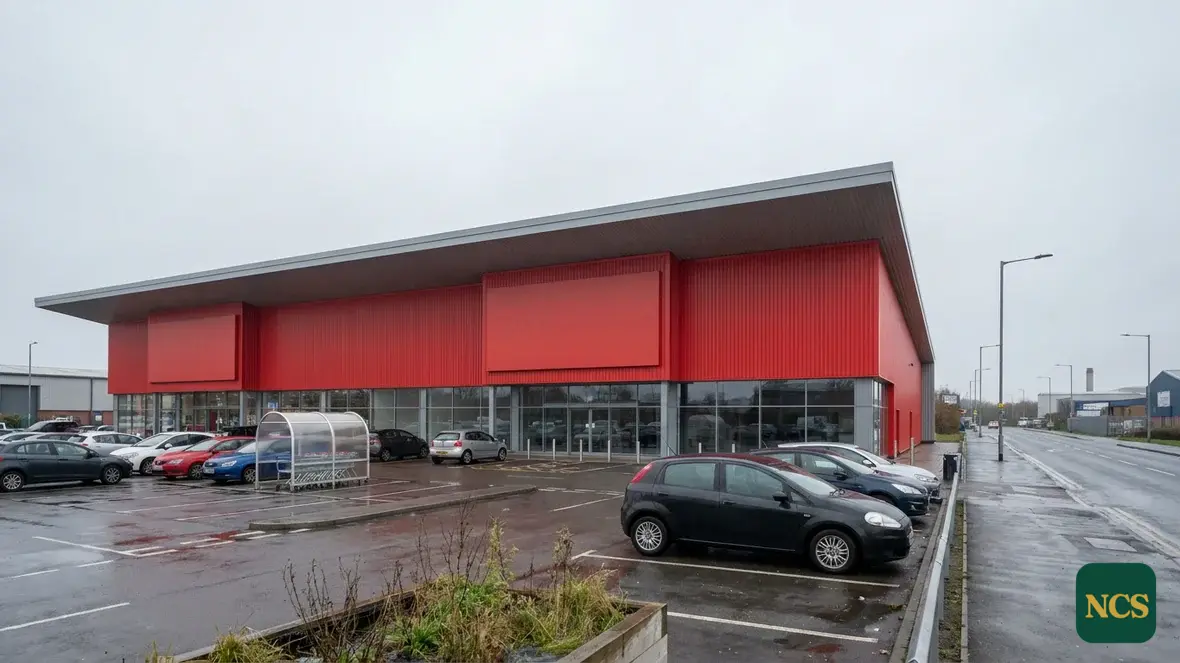
Milton Keynes has an unusual problem for a city: almost all of its commercial buildings were built within the same few decades, so their external finishes are ageing together. Commercial wall coating in Milton Keynes is increasingly about that first generation of stock, the brick-clad frames, rendered office buildings, concrete panels and grid-square retail parades put up from the 1970s onwards, now reaching the point where original finishes have faded, crazed or been patch-repaired too many times to look right. Alongside those sit newer business park units in thin-coat render that has chalked early on exposed elevations. For the owner or managing agent, a coating programme can reset the appearance of a whole building and add real weather protection, provided the system is matched to what the wall is actually made of. That is a survey decision, not a catalogue decision, and it is where every project of ours begins.
How we approach a building here
The first visit is a survey of the elevations, not an estimate from the car park. The surveyor establishes the substrate and any previous coatings, takes moisture readings, and records every defect that needs attention before a coating goes anywhere near the wall: cracked or hollow render, open movement joints, failed sealant, spalled concrete, corroded fixings. Access and programme are planned around the way the building trades, because most commercial premises in Buckinghamshire cannot simply close for a fortnight. The same surveyor-led routine covers the surrounding towns, so buildings in Bletchley, Newport Pagnell, Bedford and Northampton are inspected and specified to exactly the same standard as one beside the city centre.
When the honest answer is not a coating
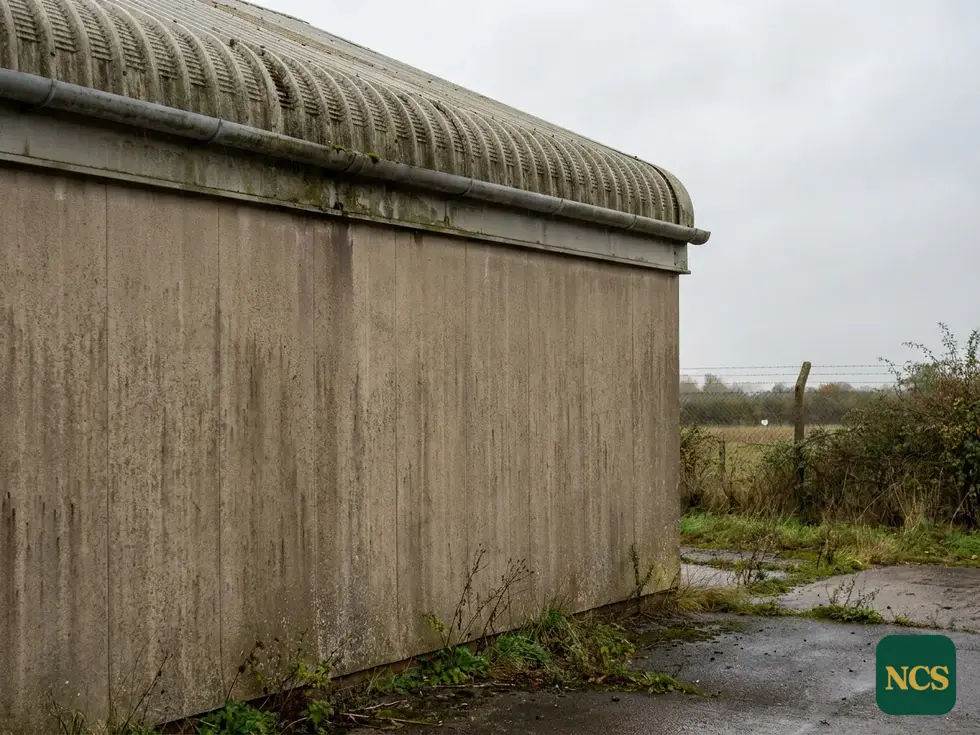
Coatings solve a specific set of problems. They do not fix saturated walls, failed damp-proofing details, active movement or render that has lost its bond over large areas. Where the survey finds those conditions, the right sequence is repair first, coat later, and sometimes the right answer is no coating at all: a wall that needs recladding, rerendering or structural attention should get that, not a cosmetic layer over the top. We put those findings in the report even when they reduce the size of our own job, because a coating applied over a known defect fails early and takes the contractor’s reputation with it.
What you should have in writing before work starts
Whoever you appoint in Milton Keynes, the paperwork should exist before the scaffold does. As a minimum, expect:
- The survey findings: substrate, previous coatings, moisture readings and condition notes per elevation
- An itemised repair schedule, stating what gets fixed and before which stage
- The named coating system, with the reason it suits this wall and this exposure
- An access and sequencing plan that keeps the building trading through the works
- The standard the finish will be checked against at sign-off
A contractor who surveys first can produce all of this without difficulty, because it is simply their working method written down. A contractor who priced your building from a photograph cannot, and the gaps in their paperwork usually become the gaps in their workmanship. If you take one thing from this page, make it that test: ask for the written specification before you compare any prices, and treat the answer as part of the quote.