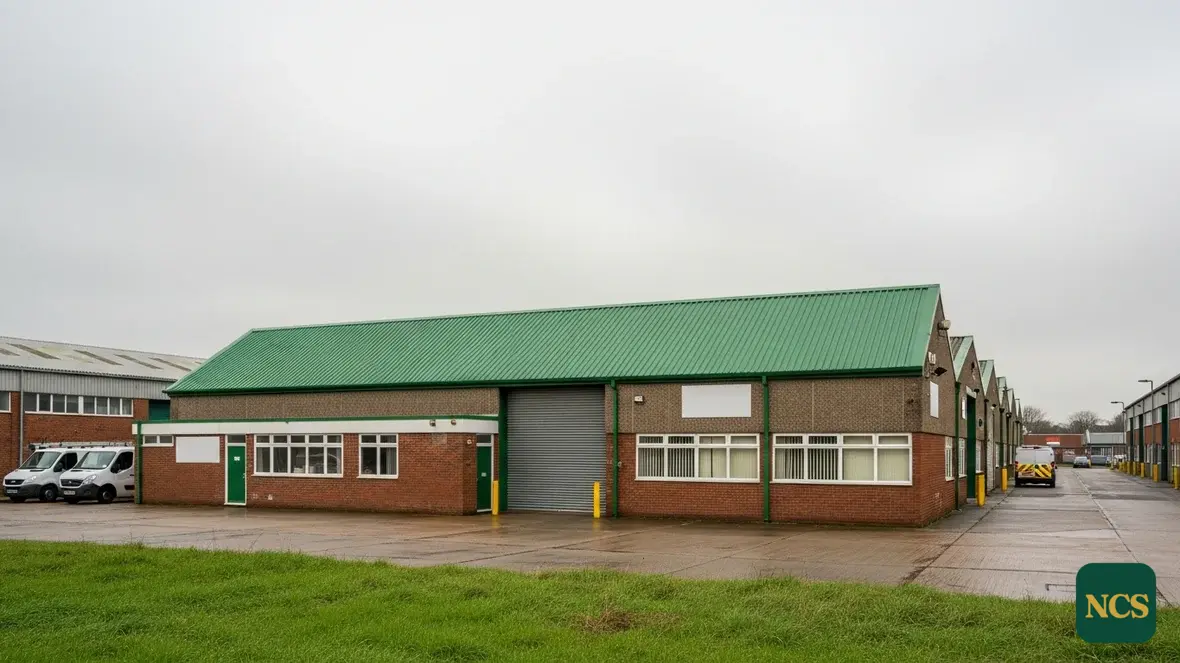
A new town built in the asbestos cement era
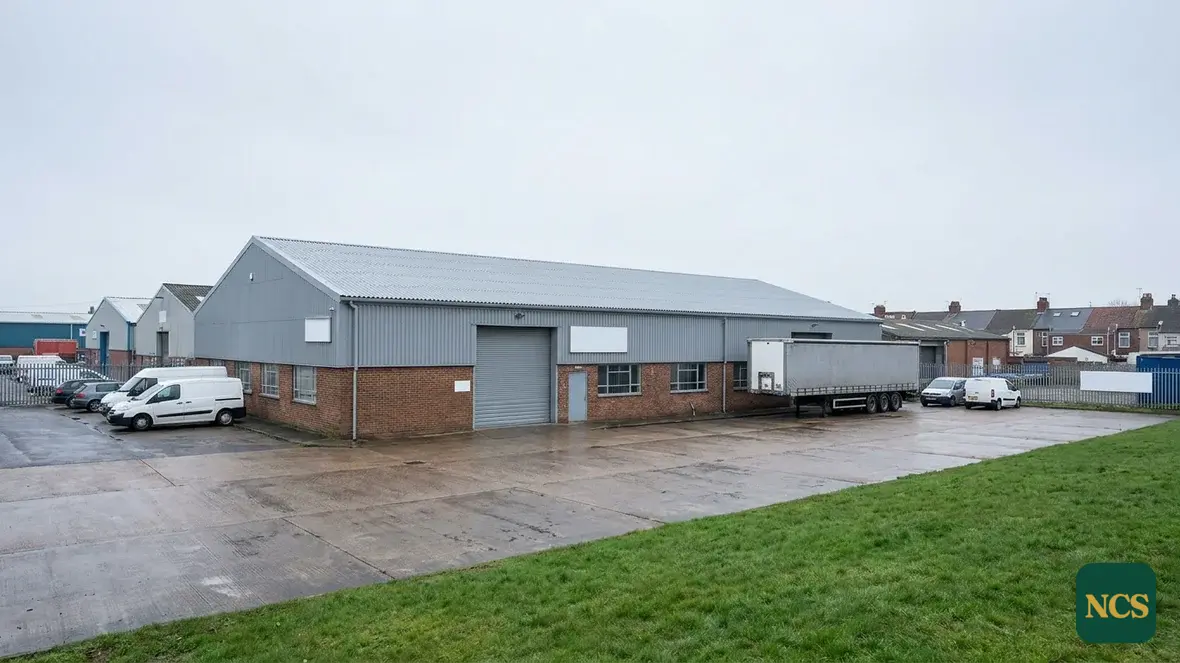
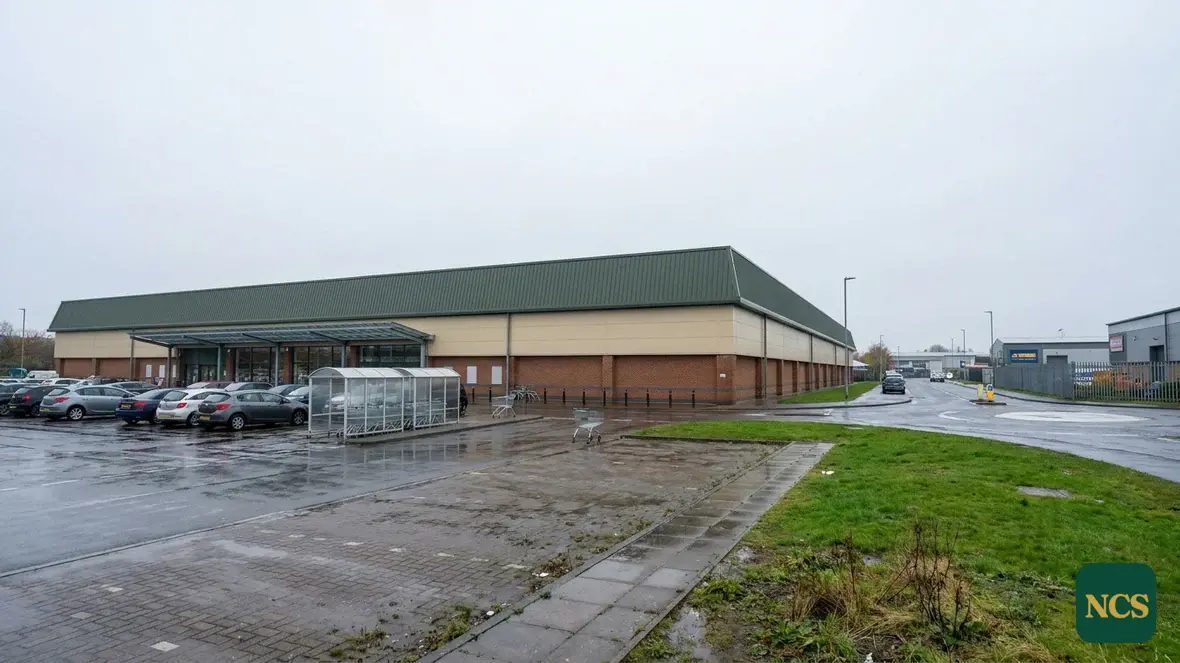
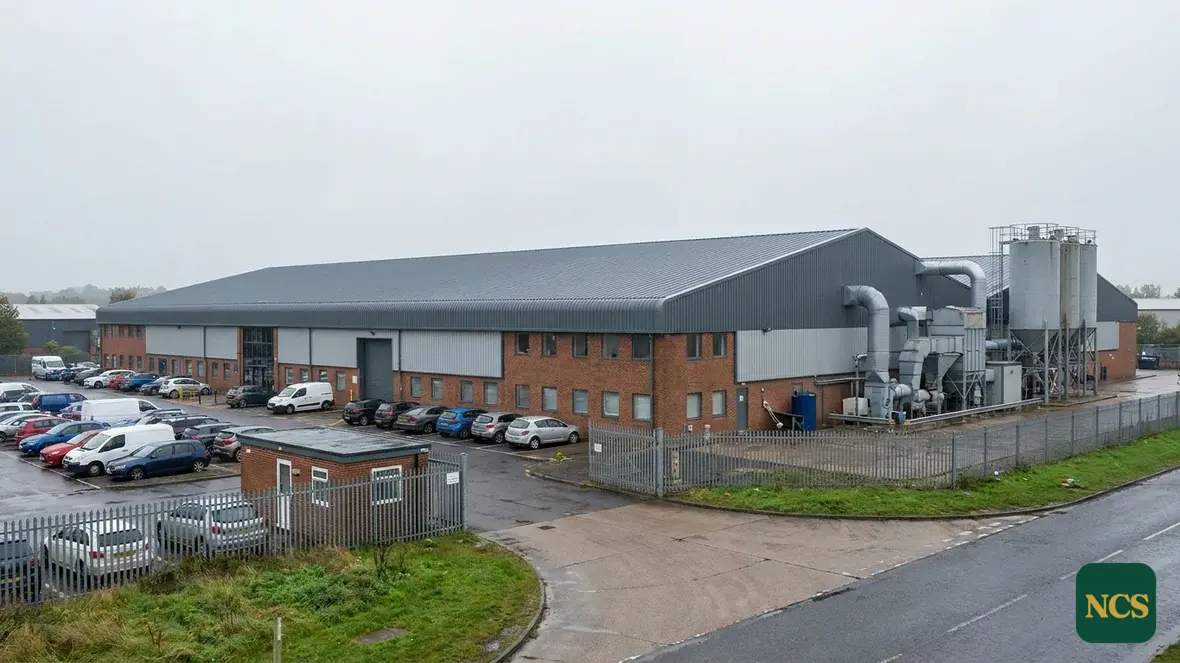
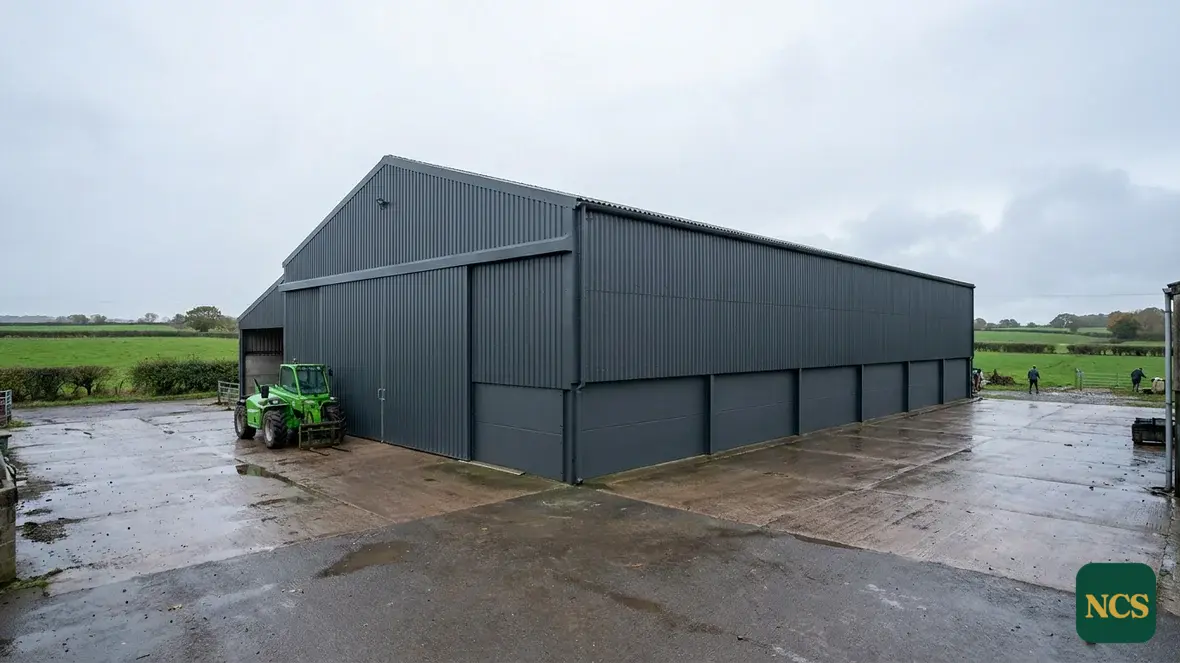
Milton Keynes is younger than most English towns, and that is precisely why asbestos cement roofing is part of its story. The town’s major growth ran from the late 1960s through the 1980s, the same decades in which asbestos cement was a standard roofing and cladding material for industrial and commercial buildings. The same logic applies to the older commercial pockets of Bletchley, Wolverton and Stony Stratford, which were established long before the new town boundary was drawn around them, and to the farm buildings across the surrounding countryside. Asbestos was only banned outright in 1999, so any profiled sheet roof from before then should be treated as suspect until identified.
What the law expects from duty holders
The Control of Asbestos Regulations 2012 place a duty to manage on whoever controls non-domestic premises. In practical terms you must find out whether asbestos-containing materials are present, presume they are where the evidence is unclear, assess their condition, and maintain a written management plan that says what you are doing about them. Removal is one answer. Managing sound material in place is another, and HSE guidance supports it where condition allows. The point is that doing nothing, or not knowing, is not an option the regulations recognise.
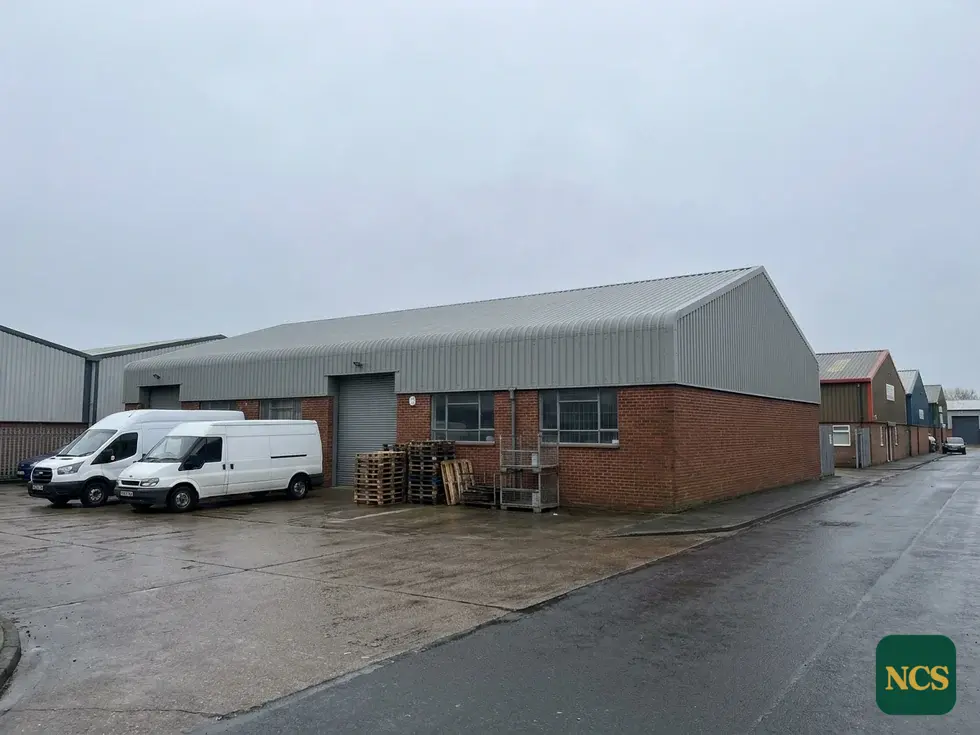
Encapsulation: managing a sound roof in place
Where a survey confirms the sheets are sound, encapsulation seals the roof rather than removing it. The surface is cleaned with controlled methods, damaged fixings and minor defects are repaired, roof lights and flashings are dealt with, and an elastomeric encapsulant coating is applied across the sheet area. The coating locks the weathered surface, keeps water out and stays flexible as the roof moves with temperature.
For an occupied unit in Milton Keynes the practical advantages are hard to ignore: the building stays in use, no asbestos waste leaves the site, and the cost is typically well below a strip and re-sheet. Just as importantly for compliance, the work is documented, which gives your asbestos management plan a dated record of action taken.
The honest limits of encapsulation
We will not coat every roof we survey, and you should be wary of any contractor who would. Encapsulation is wrong where sheets are extensively cracked or crumbling, where the material is friable or turns out to be asbestos insulation board, where storm or fire damage has gone too far, or where the building is heading for redevelopment, a live consideration in a town that renews itself as steadily as Milton Keynes does. In those cases removal is the right answer, through a licensed asbestos contractor where the material demands it, and our report will say so without hedging. There is no shame in that outcome; a clear removal recommendation is just as useful to your management plan as a coating specification.
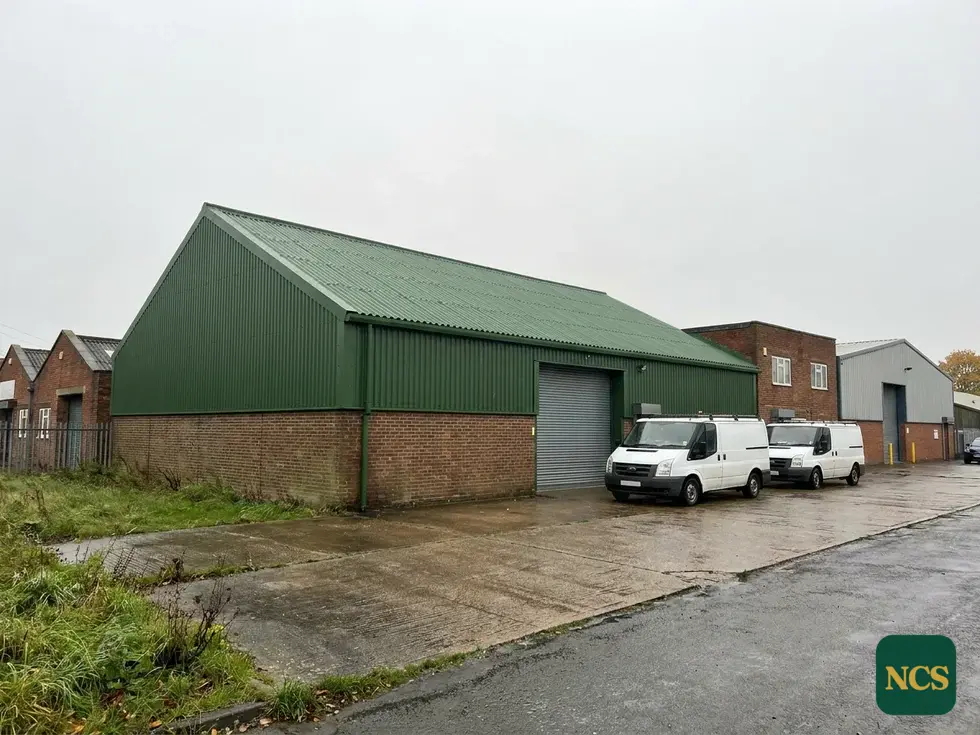
Survey first, anywhere in England
National Coating Specialists works England-wide from a South East base, and our process is survey-led wherever the building stands. The survey exists to answer five questions honestly:
- Is the cement matrix still firm, or softening and delaminating?
- How widespread are cracks, holes and previous patch repairs?
- Can fixings, laps, roof lights and gutters be put right economically?
- Is the structure safe to access and work on?
- Given the building’s future, is sealing or removal the better use of your budget?
If the answers favour encapsulation, you get a clear specification. If they do not, you get a straight recommendation for removal. Either way, you end the process knowing where your roof, and your duty to manage, actually stand.