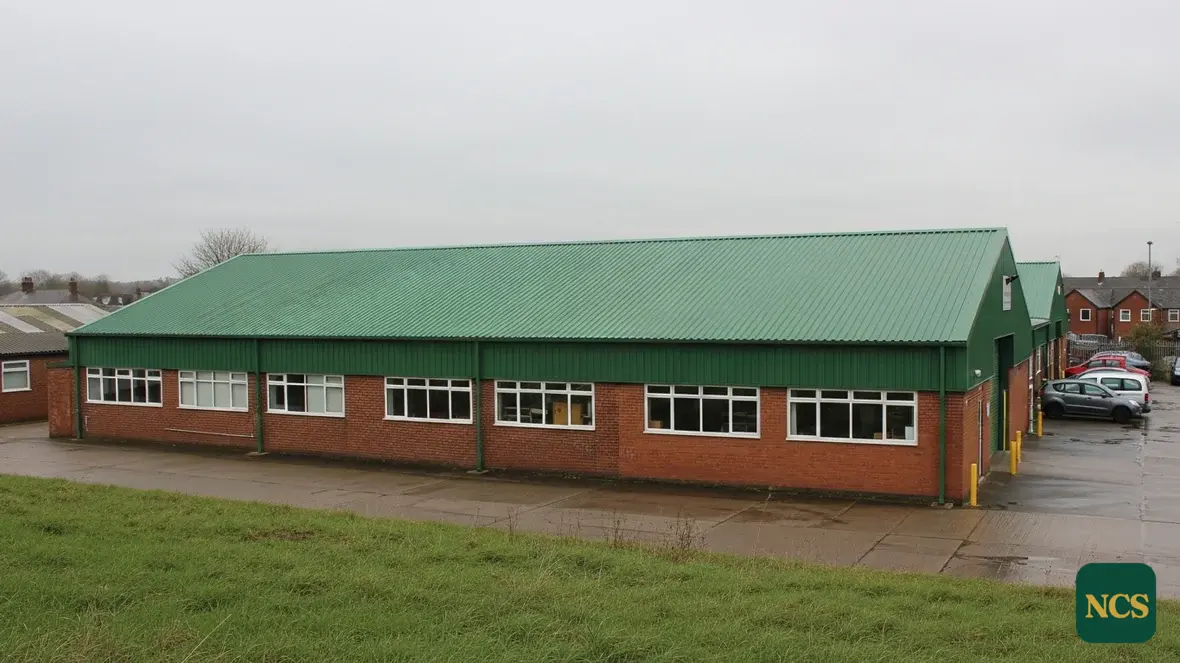
Why so many roofs around Newark-on-Trent contain asbestos
Between the 1950s and the 1980s, asbestos cement was the most cost-effective way to put a roof on a commercial building. Around Newark-on-Trent, we’ve seen plenty of it. Drive across the Nottinghamshire farmland and you’ll spot it on grain stores, barns, and machinery sheds. Look at the industrial units on the town’s trading estates or the workshops near the A1 corridor, and you’ll find profiled cement sheet from that period. The UK didn’t ban asbestos until 1999, so if your roof is from that era, assume it contains asbestos unless you’ve had it tested.
Just because a roof is old doesn’t mean it’s condemned. Many are still watertight and structurally sound. The Control of Asbestos Regulations 2012 lets you manage a sound asbestos roof in place. Encapsulation is how we do that properly.
Encapsulation and the duty to manage
Regulation 4 of CAR 2012 is clear: if you control a non-domestic building, you need to find asbestos-containing materials, check their condition, and manage the risk with a written plan. That plan should say where the asbestos is, what state it’s in, what you’ve decided to do, and then you review it as things change. Encapsulation fits this perfectly. We apply a specialist coating to seal the weathered surface, cut down on fibre release from normal erosion, and give the roof a longer working life. Because we always start with a documented survey, you also get dated proof of action. That’s exactly what an assessor or insurer will want to see.
Asbestos cement sheets around Newark-on-Trent chalk and grow moss long before they fail. An encapsulating paint coat on surveyed sheets keeps the weather out and the fibres in.

What the work involves on a sound roof
Encapsulation isn’t just slapping on some paint. Treat it like that, and you’ll get a shoddy job. When a roof is sound, here’s our process:
- We do a sheet-by-sheet condition survey and give you a written report.
- We clean the roof carefully to get rid of moss and grime without disturbing any fibres.
- We fix any issues with fixings, laps, flashings, and minor sheet damage.
- We sort out roof lights and gutter lines before we even think about coating.
- Then we apply an elastomeric encapsulant across the whole roof area.
For a farm building or industrial unit near Newark-on-Trent, you end up with a sealed, weatherproof roof that stays in service. No need for the hassle, waste handling, downtime, or cost of a full strip and re-sheet.
When we advise removal instead of coating
Sometimes, our survey leads to a recommendation that doesn’t put money in our pocket. That’s how it should be. If the sheets are badly cracked, soft, or delaminating, or if there’s widespread damage from storms or impacts, encapsulation isn’t the right tool. It’s definitely not the answer if the material is asbestos insulation board, not cement, or if coating just doesn’t make sense for the building’s structure or future plans. Those roofs need to be removed, and if the material requires it, that means a licensed asbestos removal contractor. Our report will tell you exactly that. Sealing a failing roof doesn’t manage the risk; it just hides it, and the regulations are there to stop that from happening.
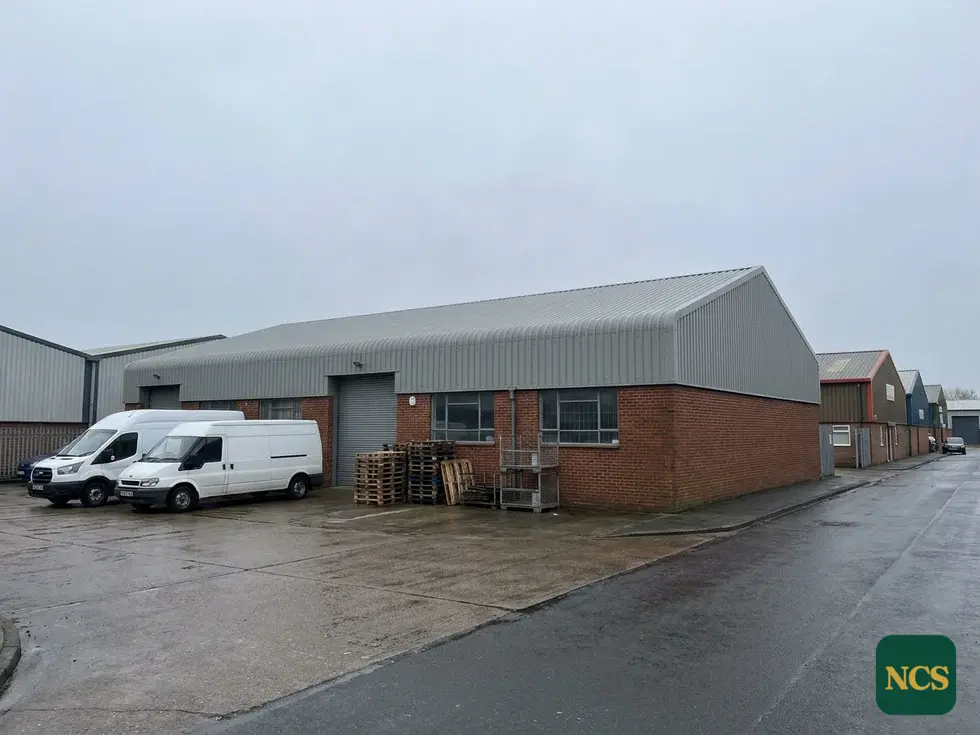
A survey-led contractor covering Nottinghamshire and beyond
National Coating Specialists is based in the South East, and we carry out asbestos roof encapsulation right across the UK. Newark-on-Trent and the wider Nottinghamshire area are well within our reach. We always start with a proper survey, we’ll tell you honestly what we find, and we only coat the roofs that actually deserve coating. Even if you decide to hold off on the work, a dated condition report proves you’ve taken your duty seriously, not just ignored it. If your building dates back to the asbestos cement days and the roof hasn’t been formally assessed, that assessment is the most sensible first step.