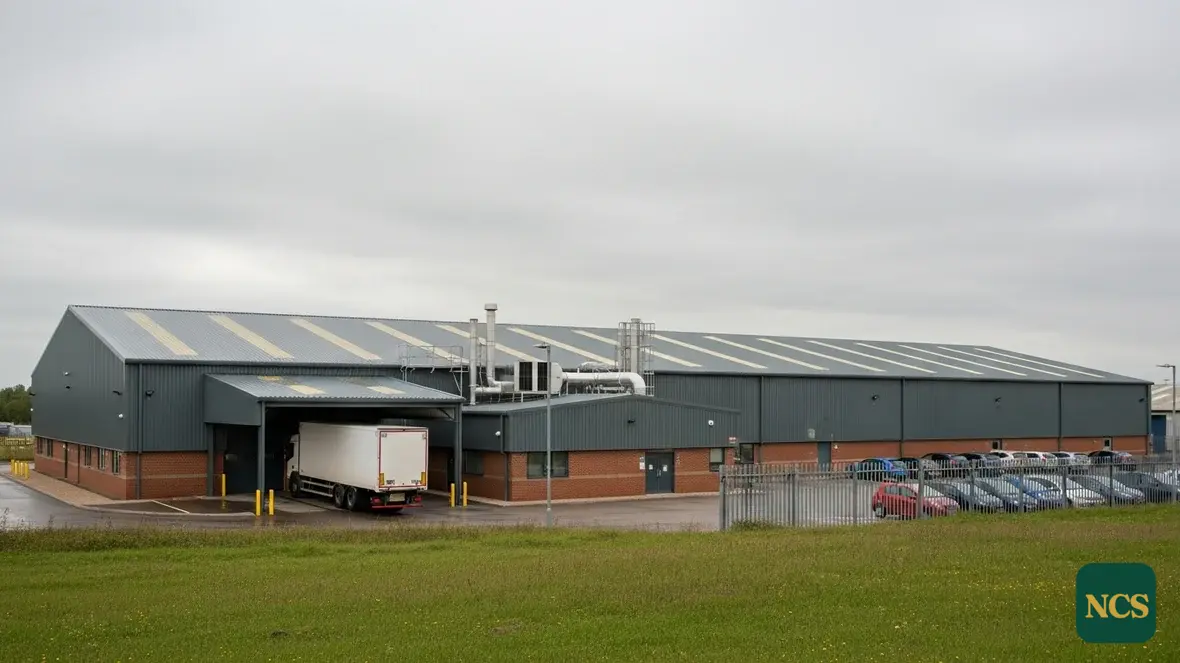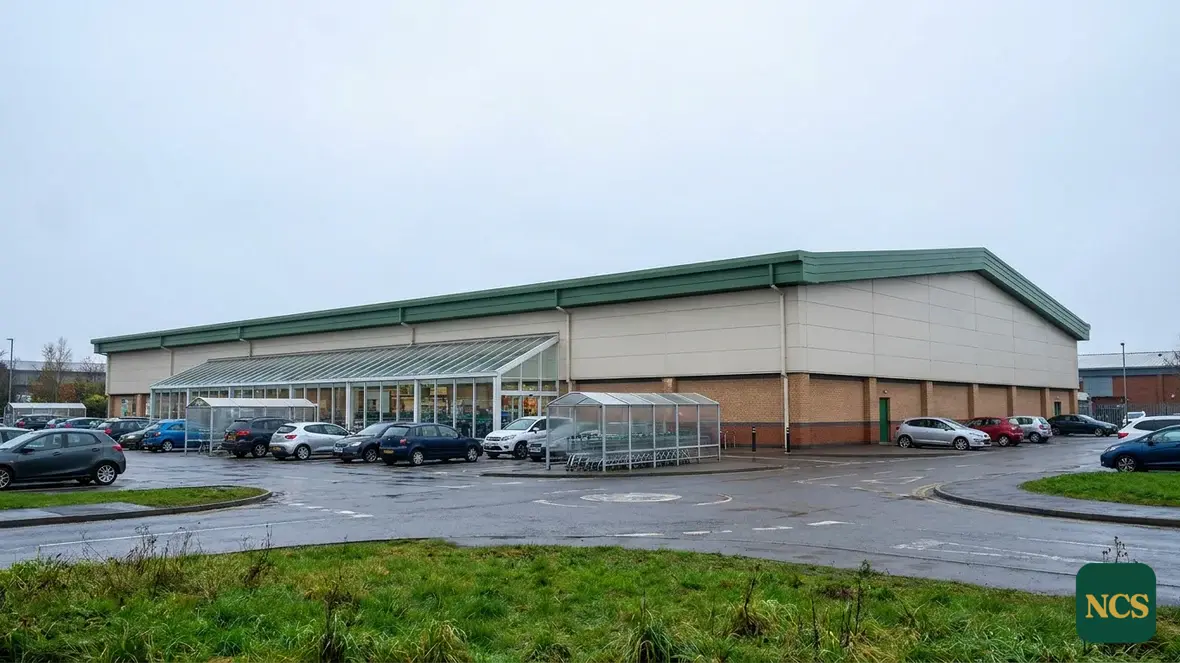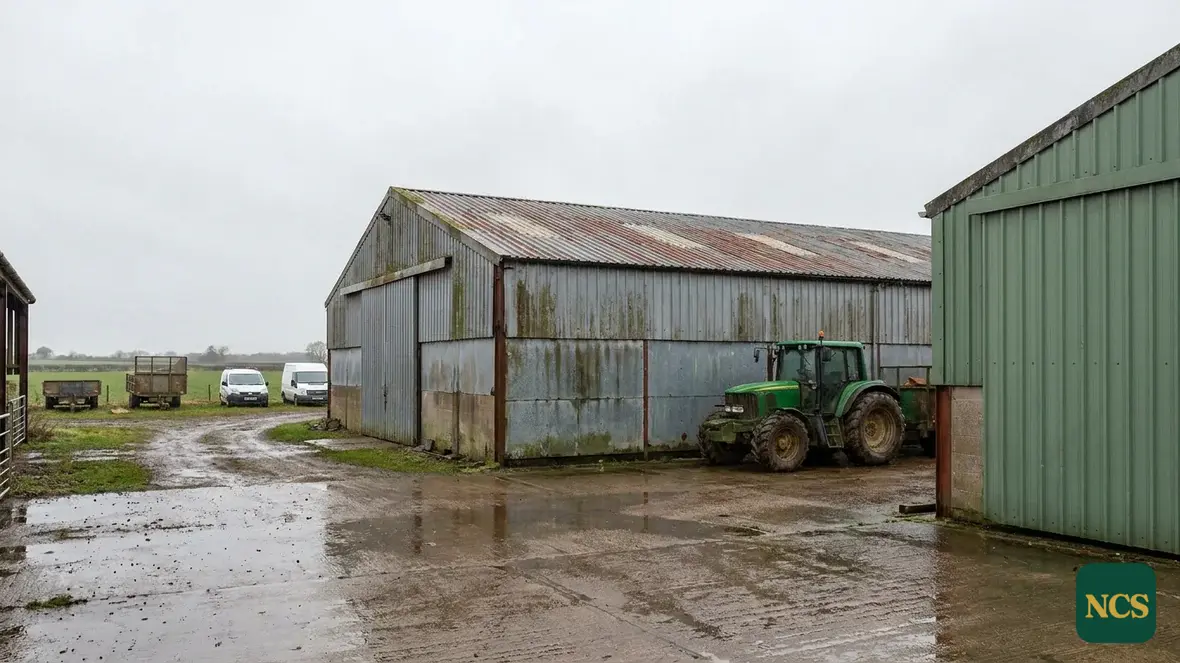
Why farm roofs reach the coat-or-replace decision
Farm building roofs face harsh conditions year-round. Rain, wind, frost and sun exposure wear down roofing materials over time, leading to leaks, corrosion and structural weakness. Many older agricultural roofs were built with materials like asbestos cement or corrugated iron, which deteriorate faster under modern farming pressures. When roofs start leaking extensively or show major structural flaws, farmers face a choice: replace the whole roof at high cost or apply a protective roof coating to extend its life. Repairs alone often can’t fix widespread wear.
The farm buildings roof stock and its failure modes
Most UK farm roofs are corrugated steel sheets, asbestos cement panels, or older fibre cement and aluminium roofs. Steel roofs rust at lap joints and fastener holes. Asbestos cement roofs become brittle, guttering cracks and panels slip. Older aluminium roofs corrode and leak at seams. Nearly all develop fixings issues over decades. UV exposure causes widespread cracking and fading. Ammonia from livestock speeds rusting. Roofs also face physical damage from extreme weather. Walkways wear thin, and cracked panels allow leaks. Poor cleaning leaves moss fouling roof sheets and blocking drainage.
Plenty of these enquiries arrive as roof painting for farm buildings, and done properly that is what the work is: a surveyed deck, treated steel and a liquid system rather than a cosmetic coat.
When coating helps and when it doesn’t
Roof coatings bond to existing materials to seal cracks, protect against weather and prevent further deterioration. They provide long-term water resistance and reduce heat losses. Coatings are ideal for roofs with overall sound structure but widespread surface wear needing repair. They extend roof life cost-effectively versus total re-roofing. However, coatings cannot fix roofs with structural failures, inadequately supported trusses or severe leaks. Existing debris must be removed first, and coatings require properly prepared surfaces. Coatings are unsuitable for roofs needing major structural repairs.
Leaks, fixings and rooflights – the repairs before coating
Agricultural roofs take more structural stress than most commercial buildings. The constant vibration from feed systems, the weight of snow loads in winter, and decades of thermal movement all work loose the original fixings. Before any coating is considered, every roof needs a full mechanical inspection. This means checking each sheet fixing for tension, replacing any missing or corroded bolts, and sealing any cracked washers. Rooflights yellow and brittle with age – they often need full replacement rather than attempted coating. Gutters clogged with straw and grain dust must be cleared and tested for leaks at every joint.
- Sheet fixings checked and tightened across the whole roof area
- Rooflights assessed for brittleness and UV damage
- Gutter joints tested under running water
- Any asbestos cement sheets inspected for cracks
- Vermin damage to insulation and flashings repaired
Only once these structural issues are resolved can the coating specification begin. A roof still losing sheets in high winds or leaking at the overlaps will undermine even the best coating system.
Working around the farming calendar
Dairy parlours cannot pause milking. Lambing sheds must stay operational during the spring peak. Grain stores see heaviest use at harvest. These realities dictate when coating work can happen. The ideal window falls between major seasonal pressures – late summer after harvest but before autumn housing, or early winter after housing but before lambing. Even then, work must fit around daily routines. Early morning starts avoid disrupting milking times. Isolating sections of a building allows livestock to remain in the other half. Temporary covers protect feed stores during application.
Access constraints shape the approach too. Narrow farmyards limit crane positions for high-level work. Low doorways rule out some equipment. Every survey maps these practicalities upfront, so the coating plan works with the site rather than against it. The best specifications adapt to the building’s use, not the other way round.
Why survey comes before specification
No two agricultural roofs age the same way. A dairy parlour’s ammonia-rich atmosphere attacks metal fixings faster than a dry grain store. Straw dust accumulation creates hotspots of corrosion under roof sheets. These variables make prescriptive coating solutions unreliable. Only a hands-on survey can identify which areas need more preparation, which substrates require specific primers, and which sections have unseen damage.
The survey also reveals how the building is used day to day – where feed lorries turn, which doors stay open in winter, which roofs take the worst weather exposure. These operational details determine not just what coating system will last, but how it can be practically applied without disrupting the farm’s work. The result is a specification grounded in the building’s actual condition and use, not generic assumptions about agricultural roofing.
Where this sits in our work
This work runs under our roof coating service, alongside everything else we do for agricultural buildings. If one of these buildings is on your list, book a free survey and a surveyor will walk it before anything is specified.
See a recent example of this work in our case study: Roof Coating and Gutter Lining on a Livestock Building near York, North Yorkshire.
See a recent example of this work in our case study: Cut Edge Corrosion Treatment and Roof Coating on a Machinery Store near Hereford, Herefordshire.