The duty to manage that sits behind every Bath asbestos roof
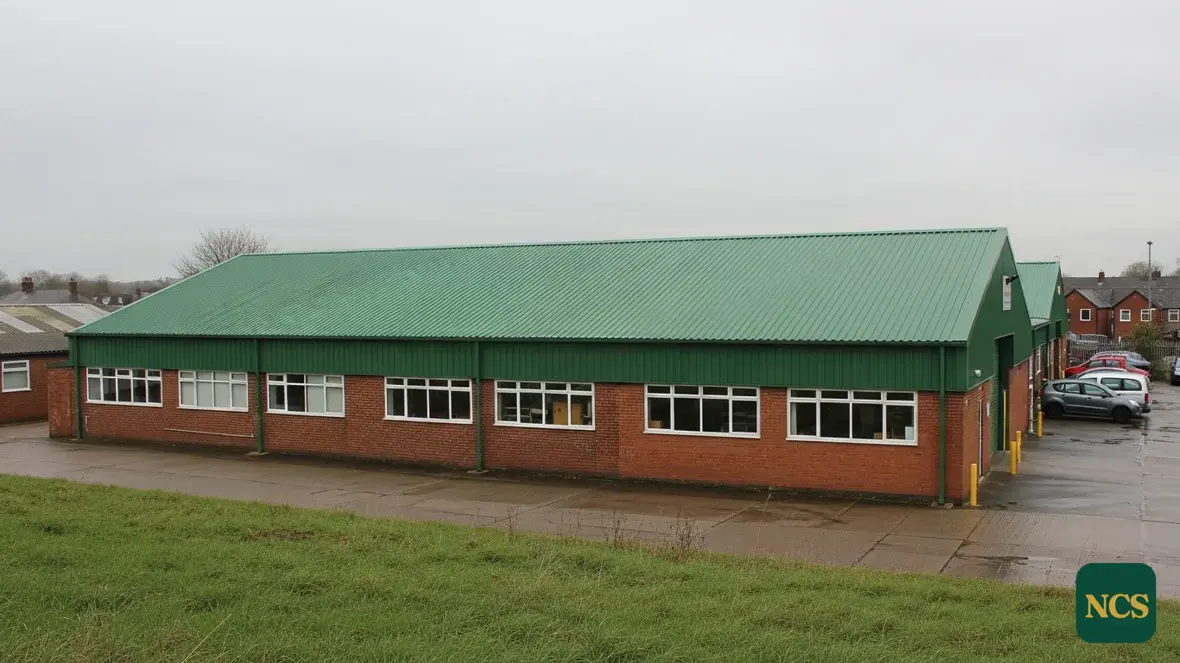
If your building was put up between the 1960s and the mid-1980s, there is a reasonable chance its roof contains asbestos cement sheeting. Under the Control of Asbestos Regulations 2012, the person responsible for maintaining a non-domestic building carries a legal duty to manage that material: to find it, record it, assess its condition and decide how it is controlled. That duty applies just as much to a tucked-away unit on the commercial fringes of Bath as it does to a large distribution shed elsewhere. Encapsulation is one of the recognised ways to discharge it, and it is the route we look at first whenever the sheets are still structurally sound.
What encapsulation actually involves
Encapsulation means sealing the asbestos cement in place rather than stripping it out. The roof is cleaned and stabilised, any minor defects are made good, and a high-build coating system is applied over the whole surface. That coating binds the fibres into the substrate and shields the sheet from rain, frost and UV, the three things that age cement roofs fastest. The asbestos stays where it is, fully contained, and the roof keeps doing its job. Done properly, this is a controlled, lower-disruption treatment that avoids the broken-out sheeting, skip loads and consignment paperwork that full removal brings.
When the sheets are sound, and when they are not
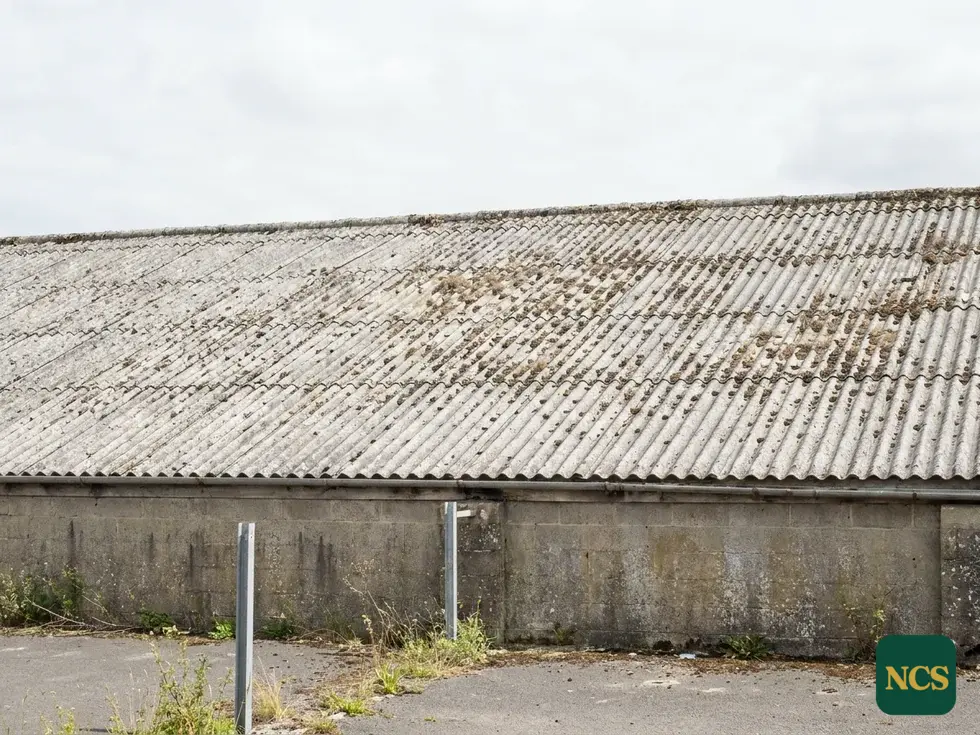
Encapsulation only works on a roof that has enough life left in it. We survey first and we will tell you plainly if it is not the right call. Sheets that are cracked through, heavily delaminated, friable at the surface or already shedding fibres cannot be safely coated and should be removed instead. Removal of asbestos cement sheeting is generally non-licensed work, but it still has to be carried out by competent operatives working to HSE standards under CAR 2012, with the right controls and waste handling. We would rather lose the coating job than seal a roof that needs to come off.
Bath’s building stock and the practical picture
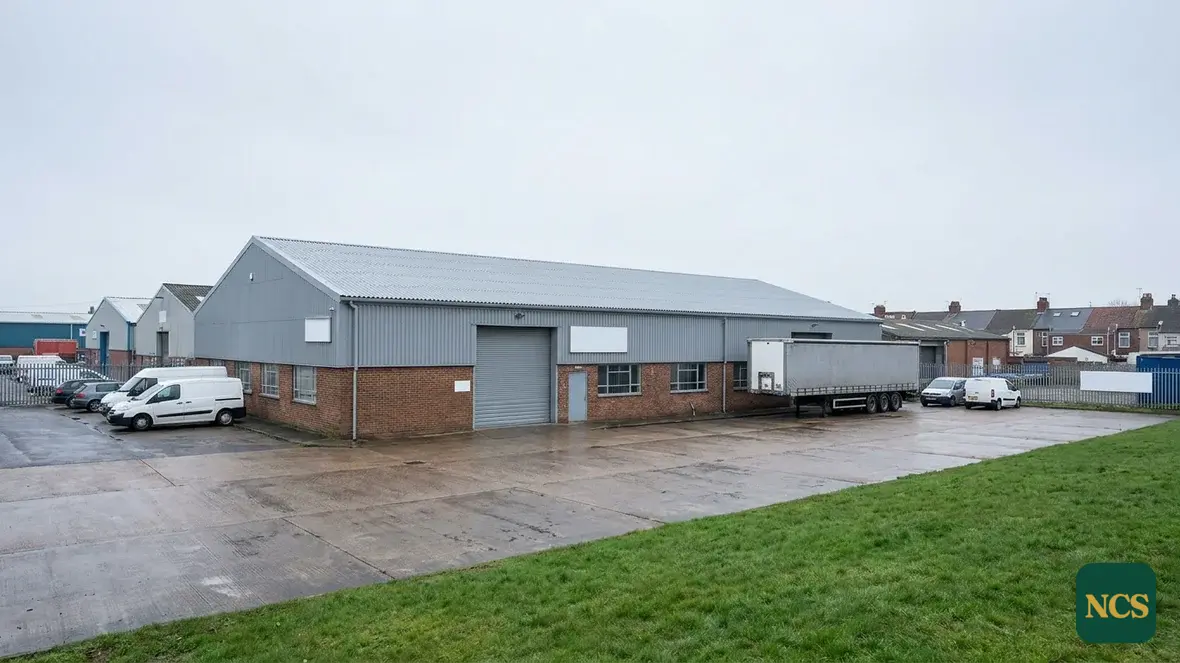
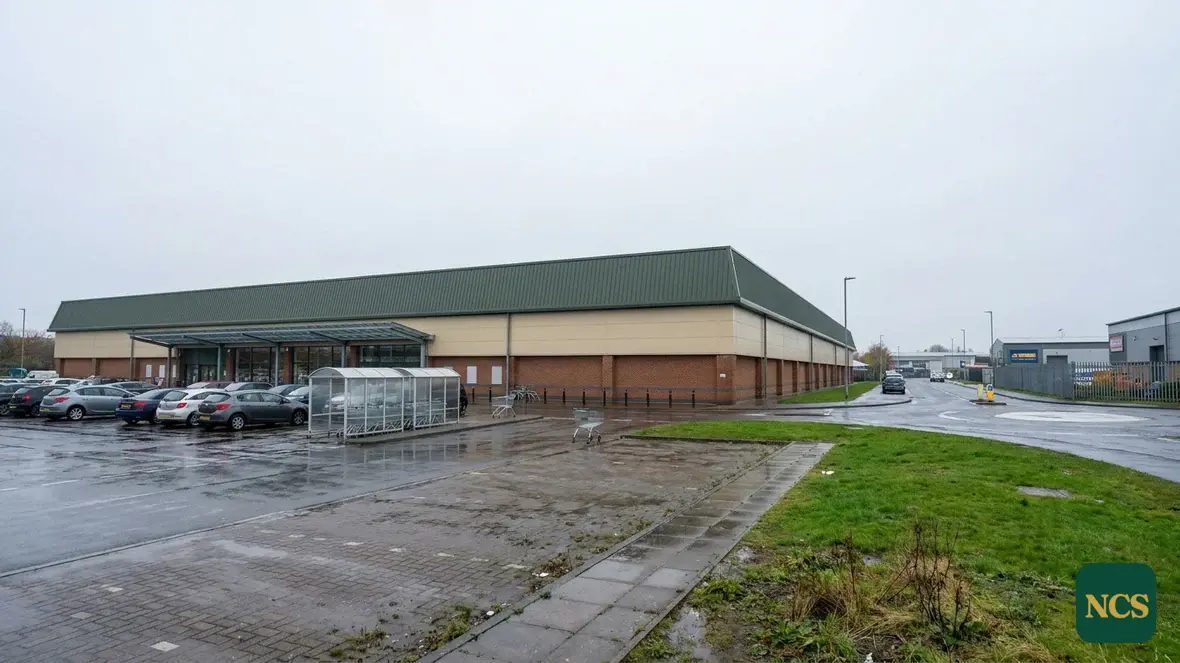
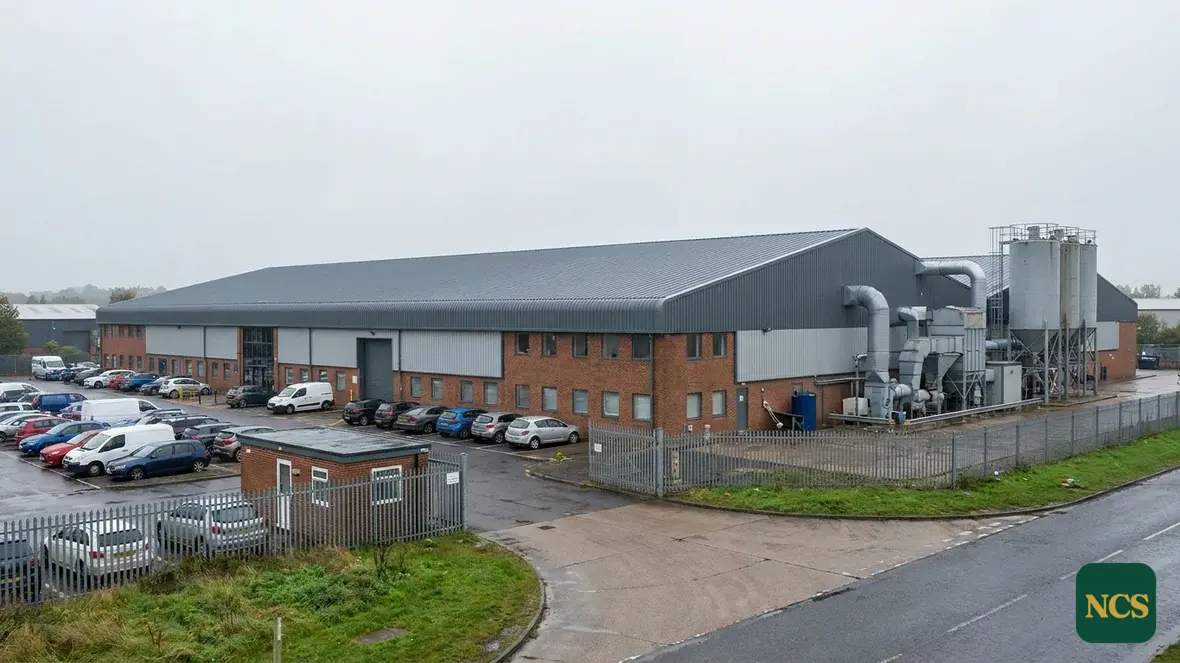
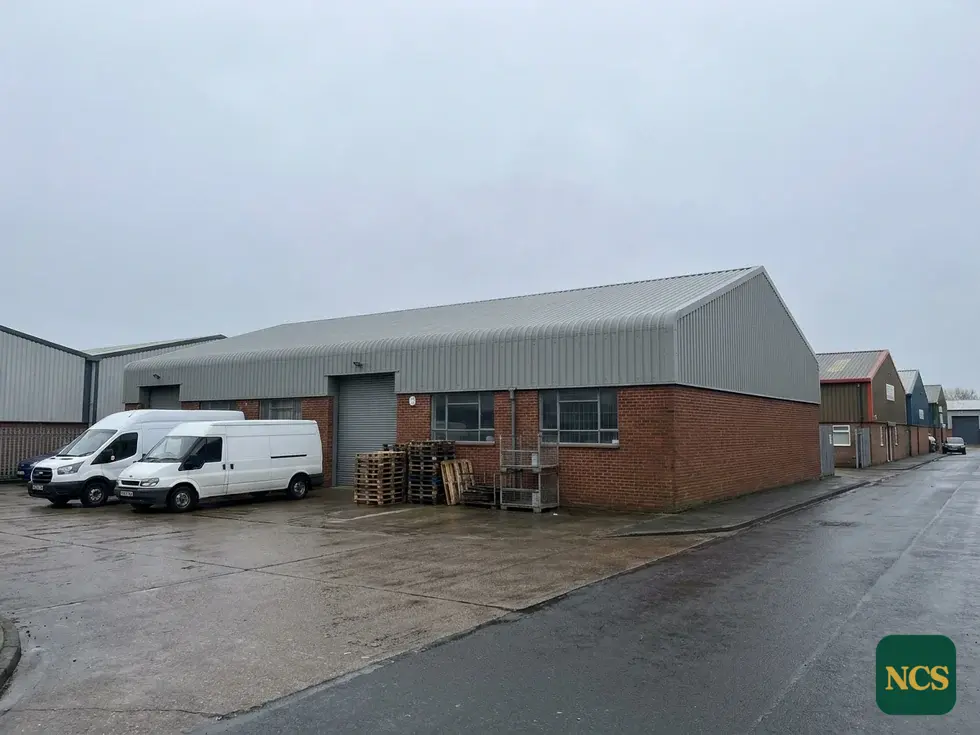
Bath is best known for its Georgian centre, but the asbestos roofs we are asked about sit on the working buildings around it: the light-industrial units, trade premises, workshops and storage sheds on the edges of the city and along the river corridor. These are the everyday commercial structures that tend to carry corrugated cement roofs of exactly the right age. Encapsulation typically costs less than full removal and keeps the unit in use while the work is done, which matters when the building is earning its keep. We do not quote a figure online, because the price depends on the area, the access and the condition we find on site.
The honest verdict
Encapsulation is a genuine, compliant option for managing an asbestos cement roof in Bath, not a shortcut around your obligations. It suits a roof that is weathered but intact. It does not suit one that is failing, and on those we will recommend removal by suitably competent contractors instead. A survey is the only way to know which camp your roof falls into. Our assessment is free and the report is yours to keep, whatever you decide to do next.
- Condition survey of the existing asbestos cement roof
- Honest sound-versus-degraded assessment before any work is proposed
- Clean, stabilise and make good minor defects
- High-build encapsulation coating applied across the full roof
- Clear written record to support your CAR 2012 duty to manage