Not all honey-coloured stone: where Bath’s metal roofs are
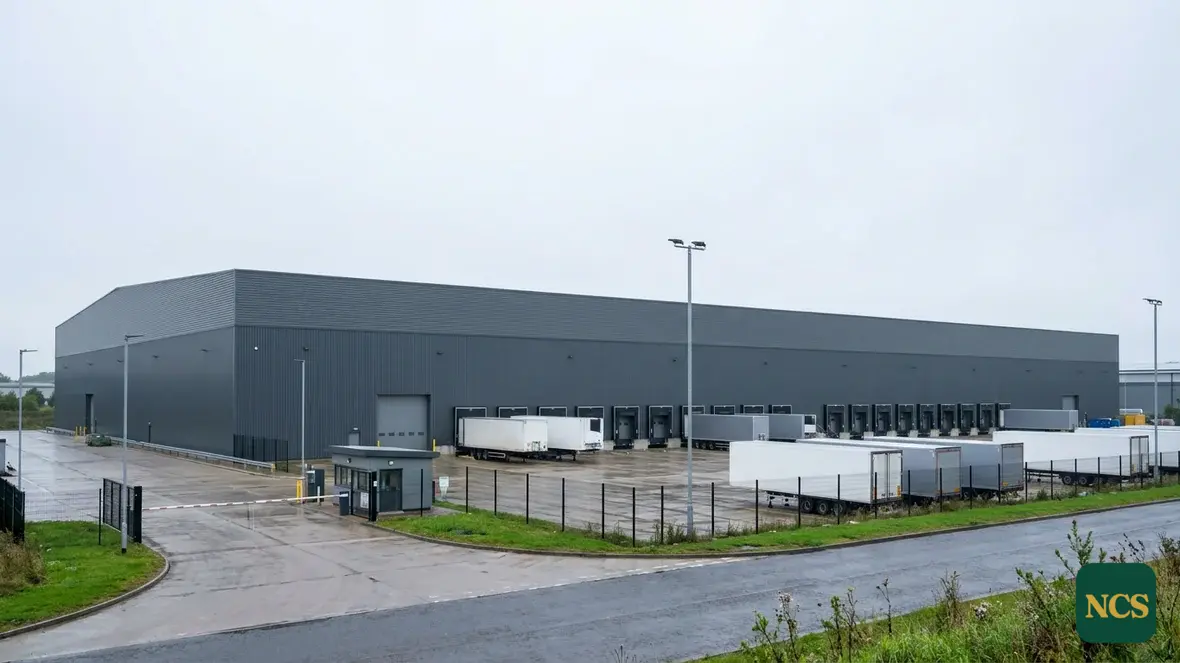
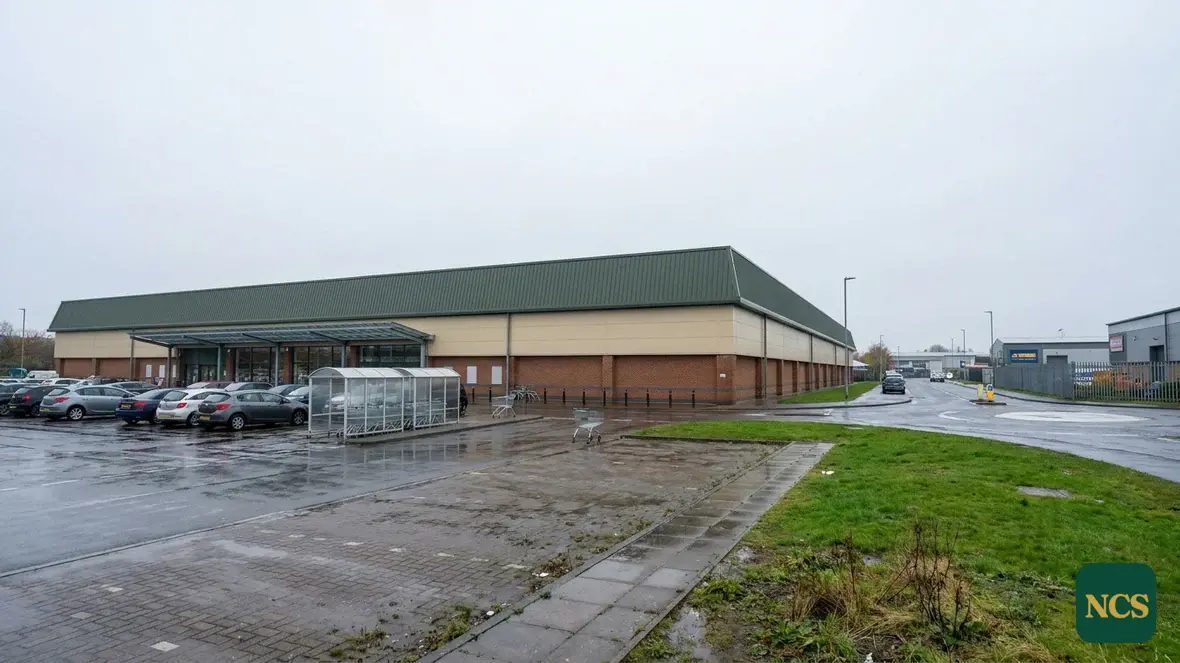
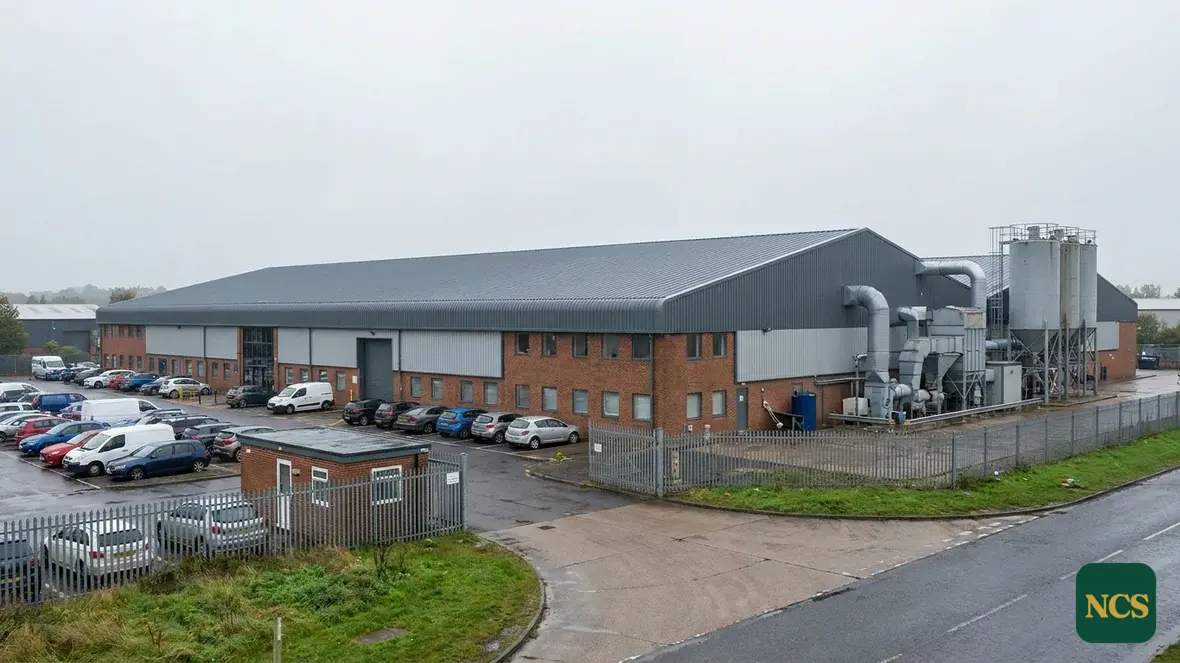
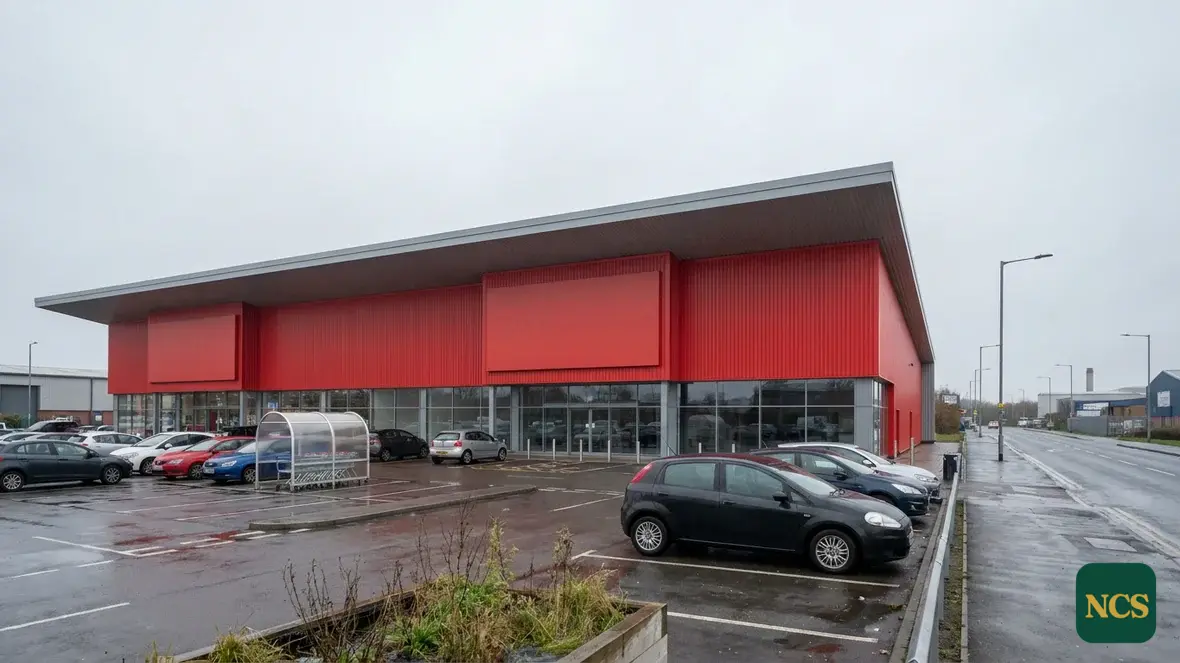
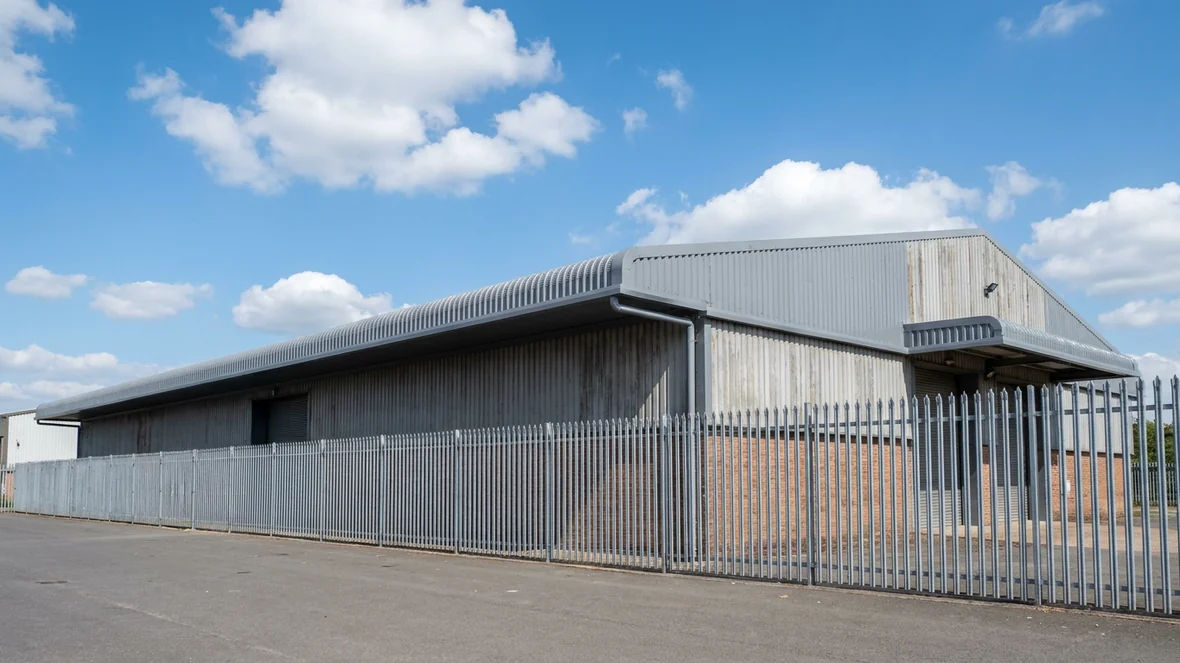
The terraces get the postcards, but the city earns its living in less photogenic buildings. Out past the centre, on the trading estates towards Lower Bristol Road and the industrial pockets along the valley, there is a working stock of profiled steel roofs over workshops, depots and light industrial units. Those roofs share one weakness with every coated-steel roof in the country: the cut edge. Wherever a sheet was trimmed to length at the factory, the protective finish stops at the cut, leaving a bare line of steel along every eave, end lap and gutter edge.
Bath sits low in a river valley, which holds damp air and keeps roofs from drying as quickly as more open sites would. That suits cut edge corrosion, and it is why we see the defect on plenty of the city’s commercial buildings.
Why a thin line of rust does not stay thin
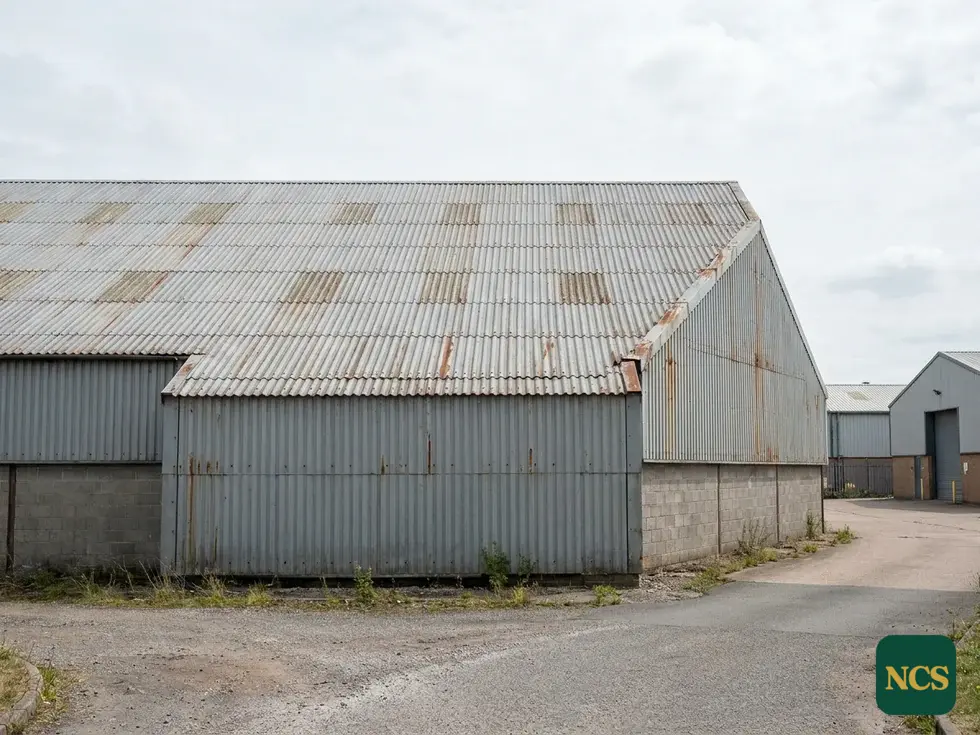
Corrosion begins on the exposed cut, then works sideways beneath the neighbouring coating, breaking its bond with the steel. The finish lifts and peels, more metal is laid bare, and that fresh steel rusts in turn. The process feeds on itself, which is why a roof can look settled for years and then deteriorate quickly.
End laps hide the worst of it. Water is drawn into the overlap and held between the two sheets, so the joint corrodes from the inside where no ground-level glance will catch it. By the time staining shows in the gutters, the laps have usually been deteriorating for some time.
Treating it now versus paying for it later
While the steel at the edge is still sound, this is an in-situ repair rather than a roof replacement. The corroded edges are prepared back to clean metal, primed with a rust-inhibiting system, and sealed with a flexible coating carried across the laps and into the gutter line. The building stays in use, the existing sheets stay on the roof, and most of the covering’s remaining life is preserved.
Left alone, the same defect ends in perforated sheet ends, leaks over whatever the unit holds, and eventually a strip-and-resheet project at many times the cost. The gap between those two invoices is the entire argument for acting early.
The honest part: some roofs are beyond treatment
We quote from a survey on the roof, not from a photo emailed over, and sometimes the survey says no. If sheet ends have rusted through, if laps have corroded internally until there is no sound metal to seal to, or if rust has spread across the body of the sheet rather than staying at the edge, coating over the top would be your money wasted, and we will say so plainly.
Many roofs around Bath sit between the two extremes: a handful of sheets too far gone, the rest entirely treatable. There a mixed approach works well, replacing the failures and treating and protecting the remainder. The survey is what separates the two, and you get the photographs to judge for yourself.
From treated edges to a full roof coating
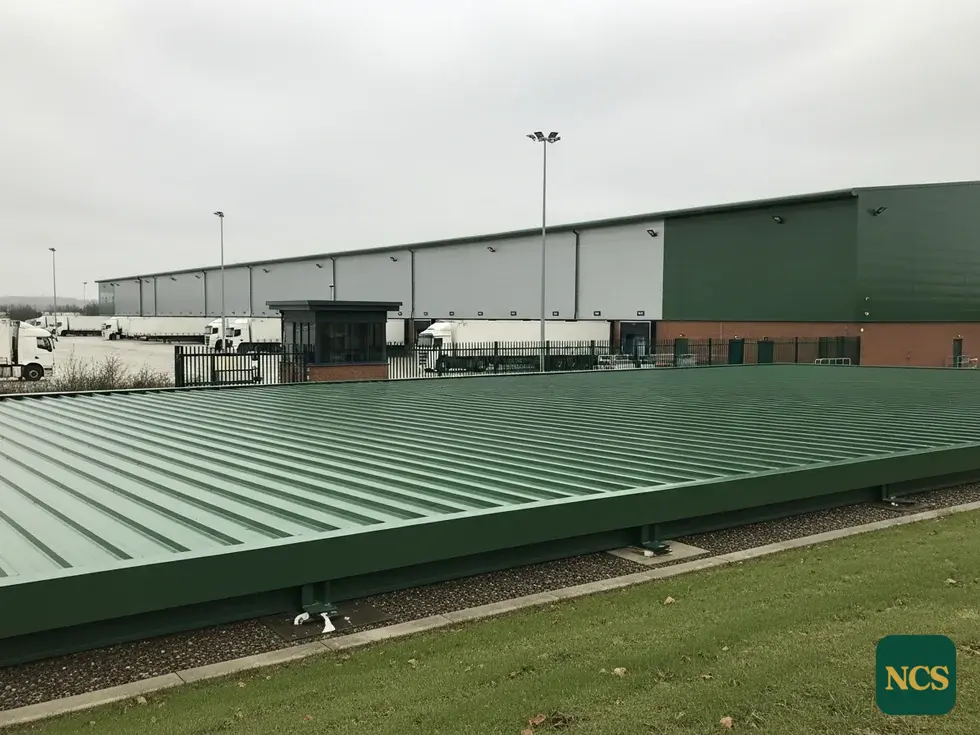
Cut edge corrosion rarely arrives on its own. If the edges are failing, the surrounding factory finish is usually chalking and thinning too, and freshly treated edges beside a tired surface only solve half the problem. Overcoating the whole roof in the same programme seals the treated edges, refreshes the weathered finish and brings the entire covering back to one maintainable condition, with roof access paid for once.
We are a survey-led contractor based in the South East and working across England, with Bath comfortably within our range. If your sheet ends are staining, the sensible first step is a roof survey with photographs, so you can see the real condition before spending anything on it.