Cladding spraying around Bath
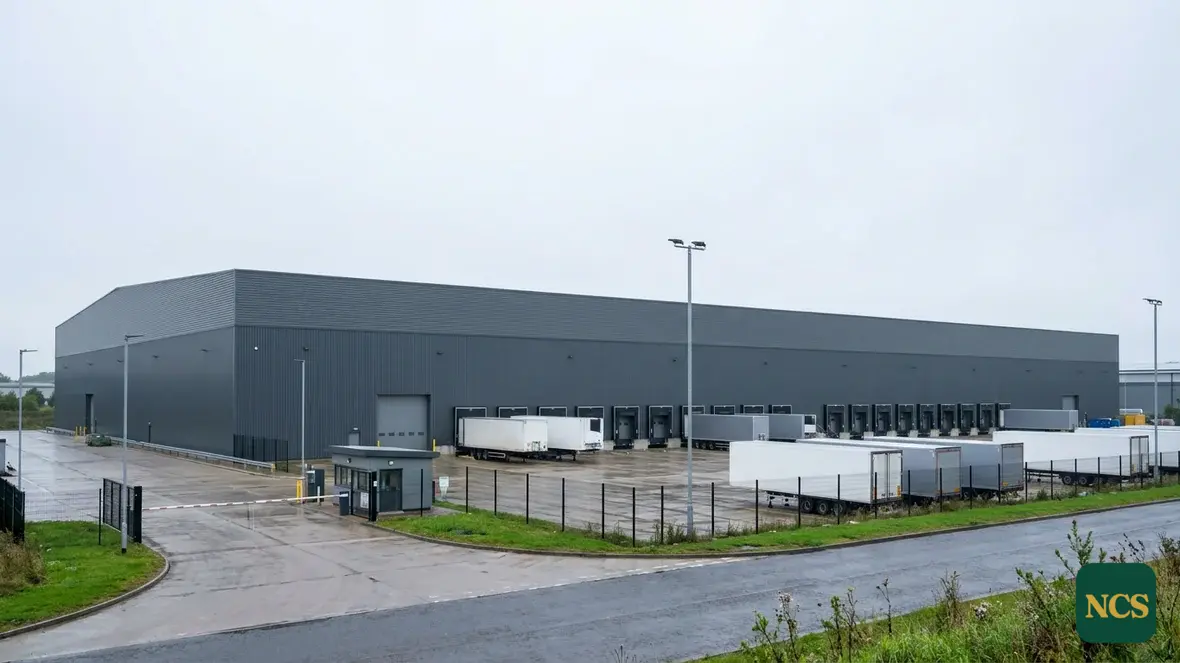
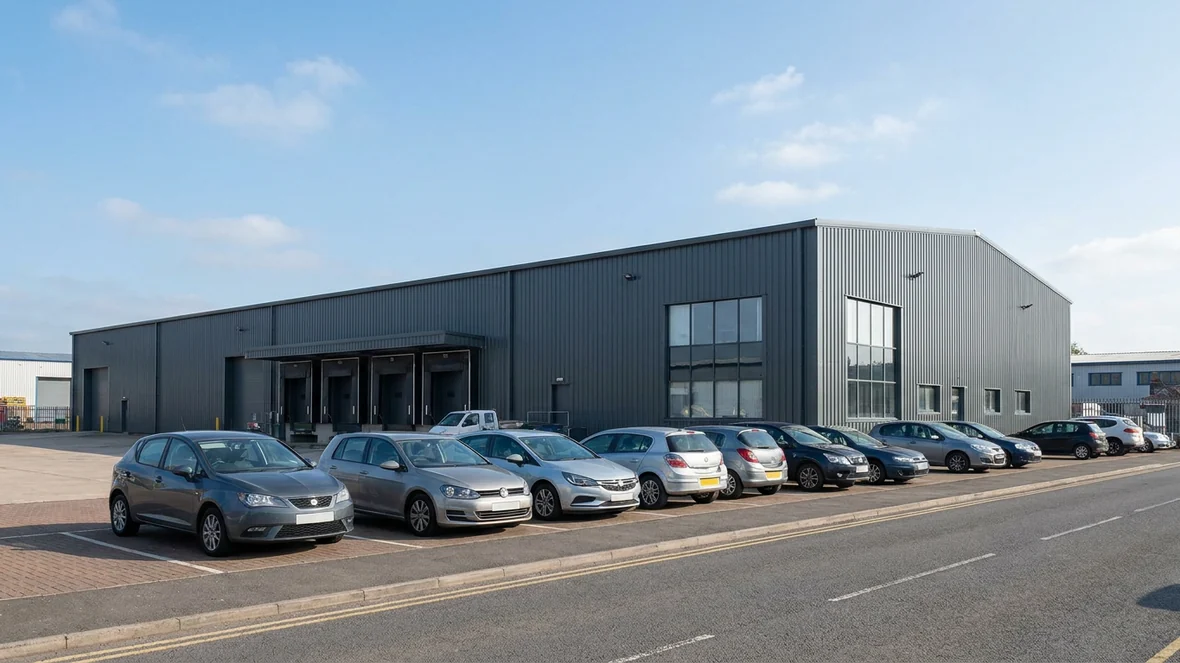
Bath’s reputation is built on Georgian stone, but the city’s working buildings tell a different story. On the trading estates and business parks around the edges of the city, and along the corridor towards Bristol, the stock is coated steel and composite panel like anywhere else in England, and Somerset weather fades and chalks it just the same. Cladding spraying in Bath serves that side of the city: surveying, preparing and spray-coating commercial cladding in place so it protects properly and looks the part again.
The survey comes first, every time. Until the panels have been inspected at close range, any price is a guess, and guesses are how preparation gets skipped on site.
The commercial stock beyond the stone
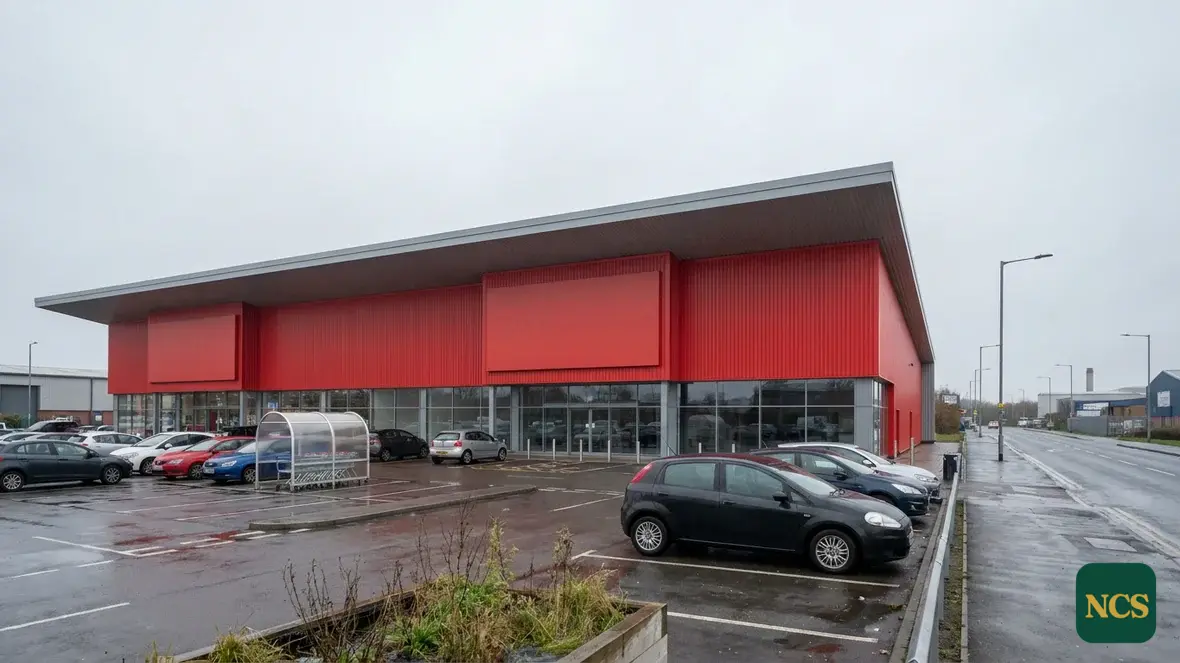
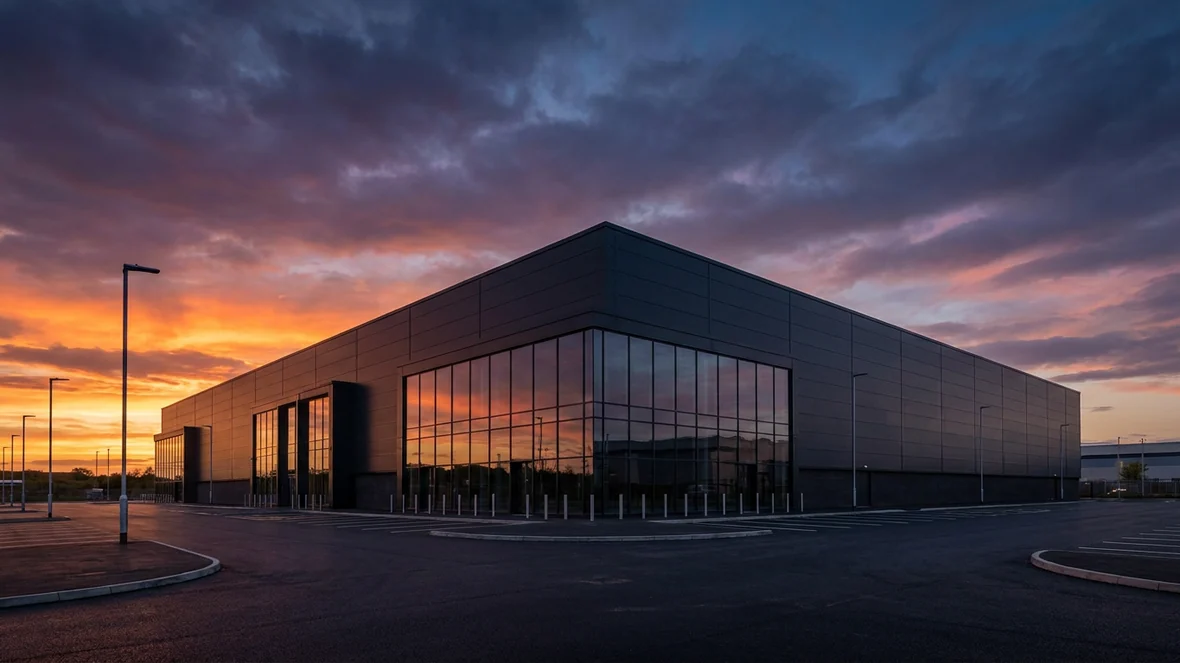
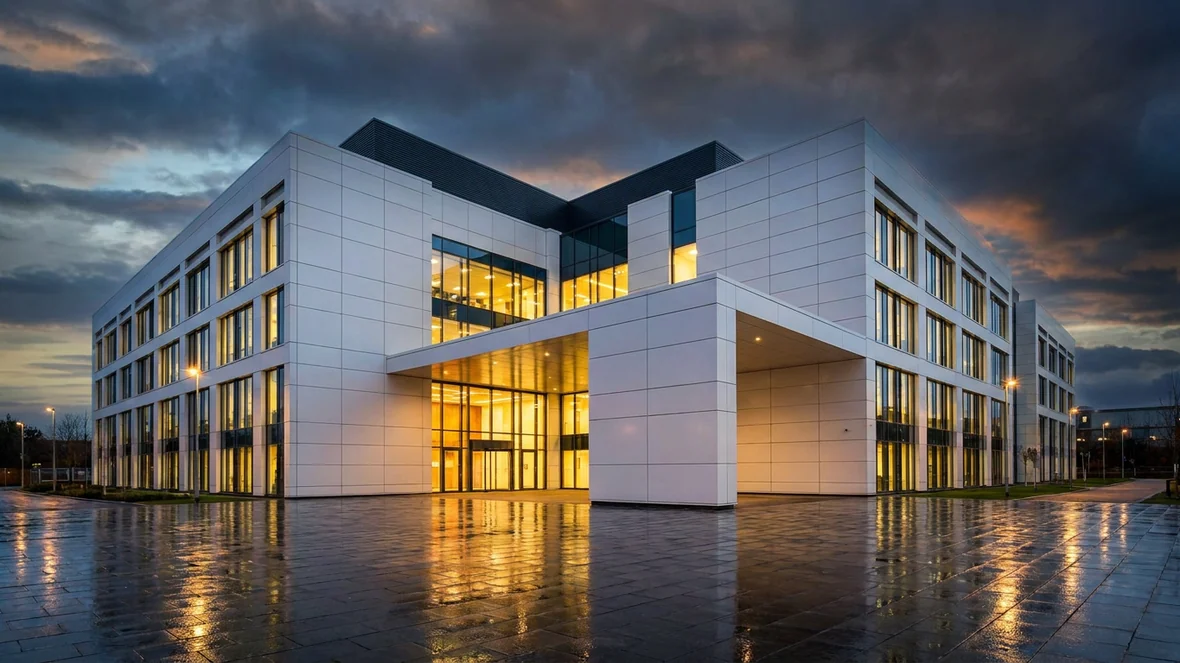
Typical candidates around Bath include industrial and trade units, storage and workshop buildings, retail and leisure premises, and offices with curtain walling or panel infills. The usual presentation is plastisol or similar coated steel that has lost its colour and started to chalk, sometimes with cut-edge corrosion beginning at laps, sills and gutter lines. Shutters, fascias, soffits, window frames and rainwater goods generally join the schedule, and because sprayed systems can be matched to any RAL or BS colour, a refurbishment is often paired with a rebrand or a smartening-up between tenants. Schools, depots and leisure operators own this kind of stock as often as industrial landlords do, and the assessment is the same whoever holds the keys.
Honesty about limits: when not to coat
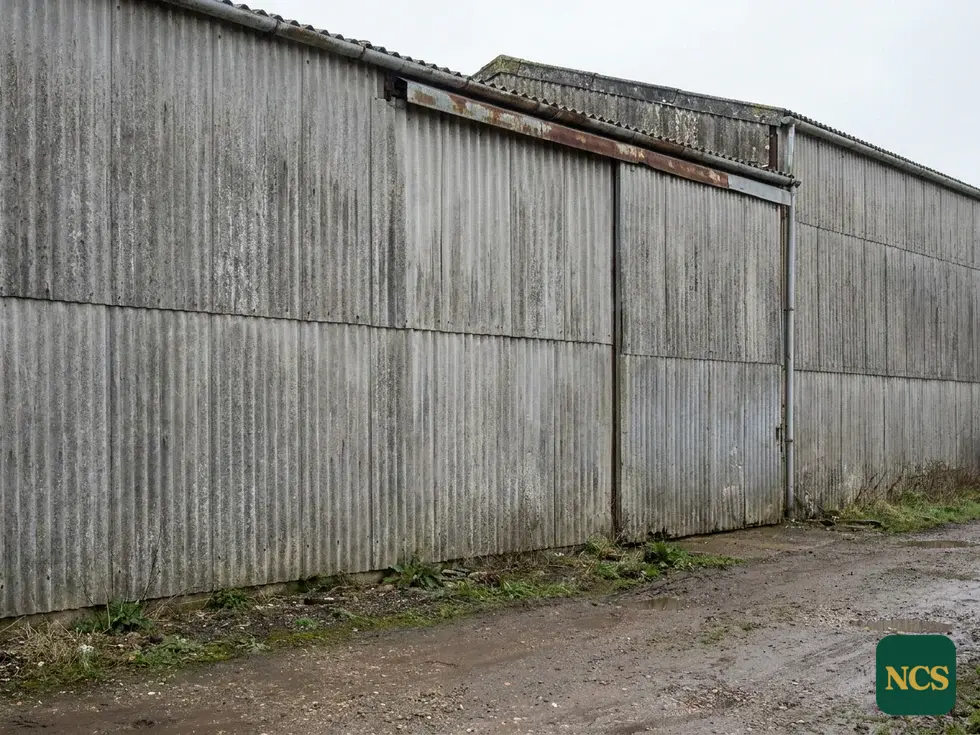
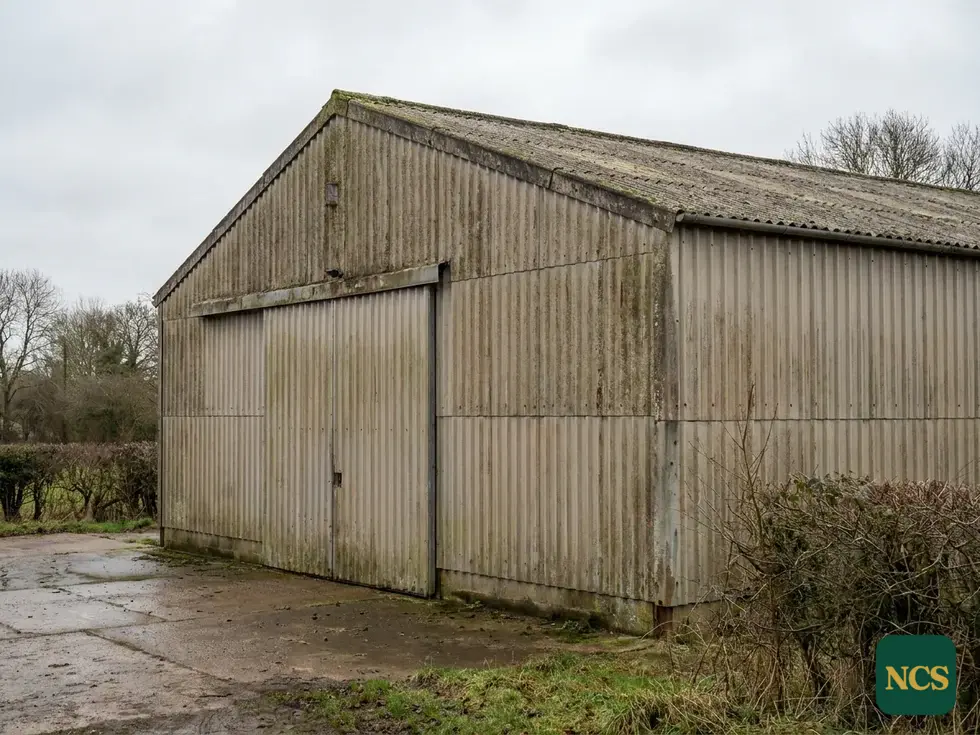
A respray is the right answer often, but not always, and the difference matters. We advise against coating where corrosion has gone through the panel, where a composite core is damp or delaminating, where fixings or flashings have failed, or where the building is already in line for recladding on thermal or fire-safety grounds. Spraying over any of those conditions buys a brief cosmetic win and a larger bill later. If the survey finds them, the report says so with photographs, and we will point you towards the work the building actually needs rather than the work we happen to sell.
Our survey-led method
The inspection produces a panel schedule, condition notes, a corrosion map and an access plan, which become a written specification and a fixed quotation. On site we wash and degrease, treat corrosion and prime bare steel, mask everything not being coated, and apply the system in controlled spray coats, elevation by elevation around your operation so the building stays in use. Access is planned at survey stage as well: powered platforms where the yard allows, towers or scaffold where it does not, so the quotation includes the kit rather than adding it later as an extra. Finish level is agreed up front too, from matt through to full gloss, with sample areas available where a colour decision needs sign-off. The same teams cover Bristol, Keynsham, Trowbridge and Chippenham, so owners with sites spread across Somerset and into Wiltshire can run the whole programme through one contractor and one standard.
Working with a contractor who surveys first
What you gain is certainty in both directions:
- A quotation priced on inspected condition, not assumption
- Preparation stages fixed in writing before work starts
- A system chosen for the panel type and its exposure
- A clear statement when cladding is not worth coating
- Handover records of what was applied and where
The specification also gives you a fair way to judge any quote against another, because the scope is written down rather than implied. If a clad building near Bath is starting to look tired, the survey will tell you honestly whether spraying is the right spend, what doing it properly involves, and what it cannot fix.