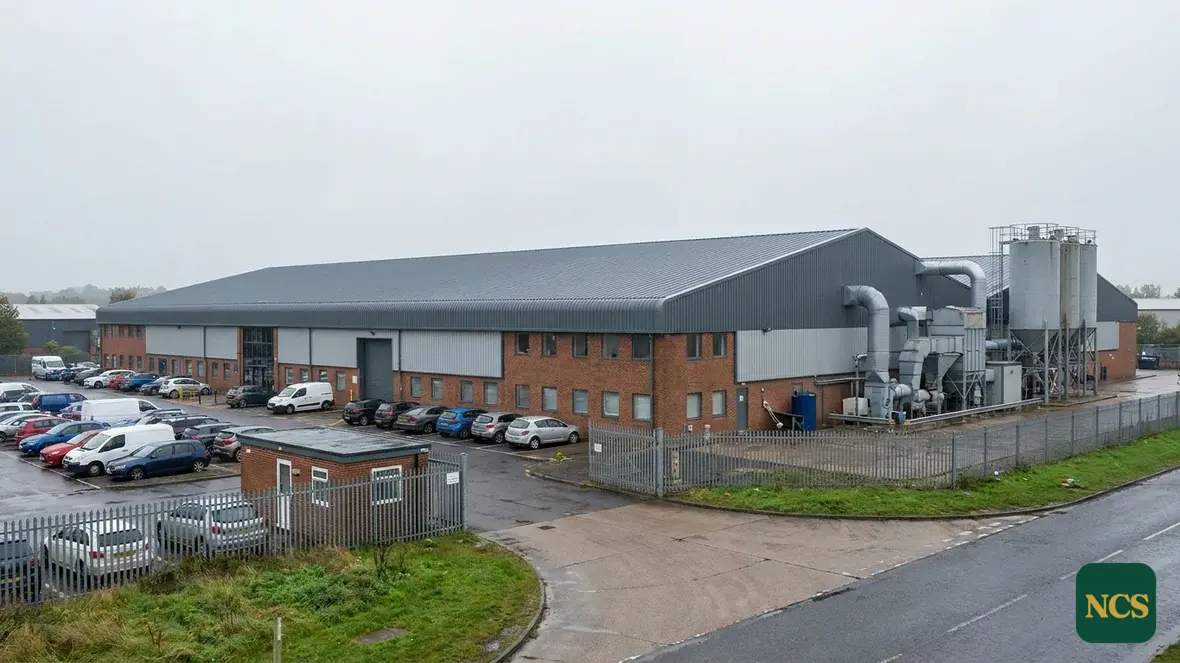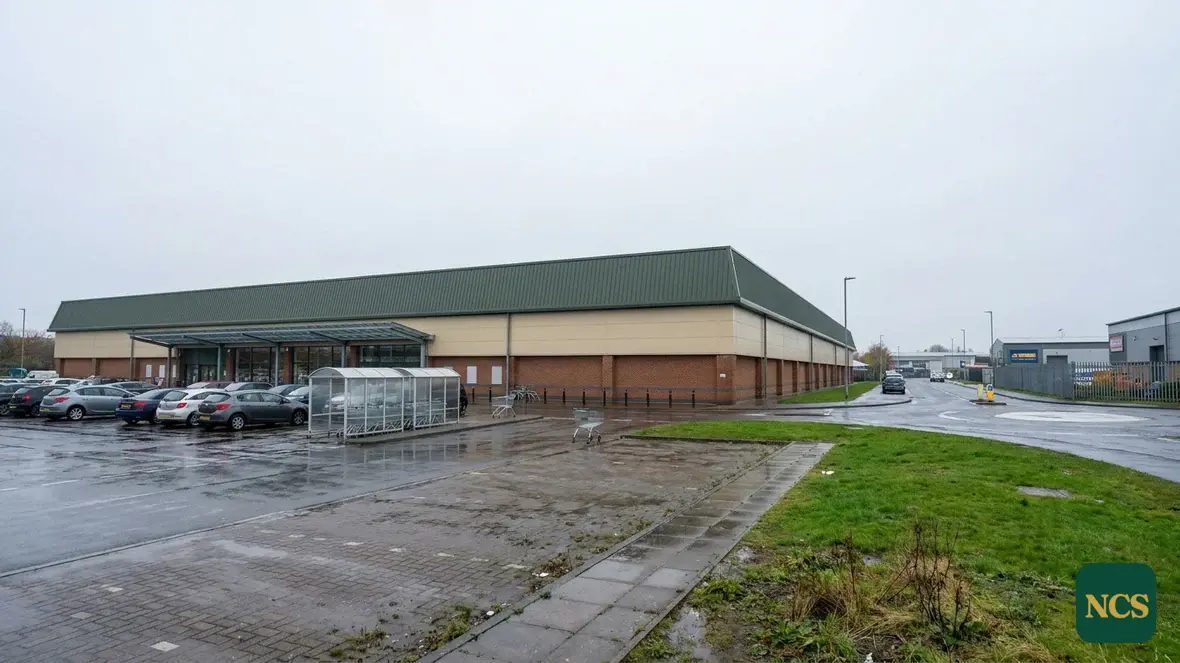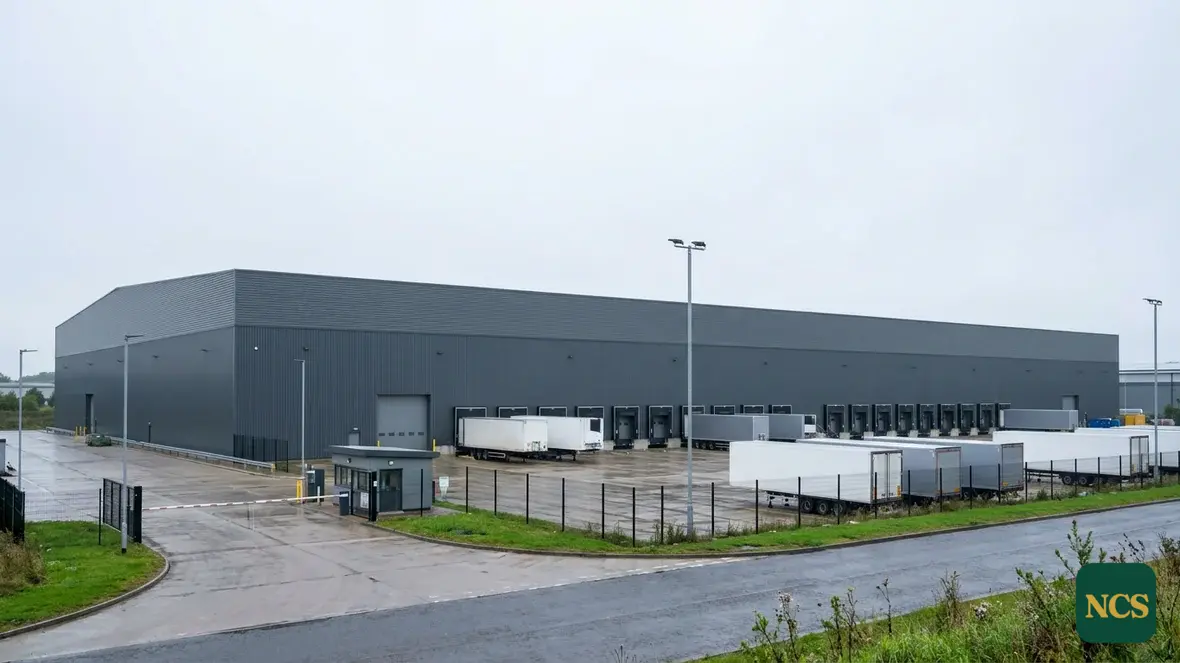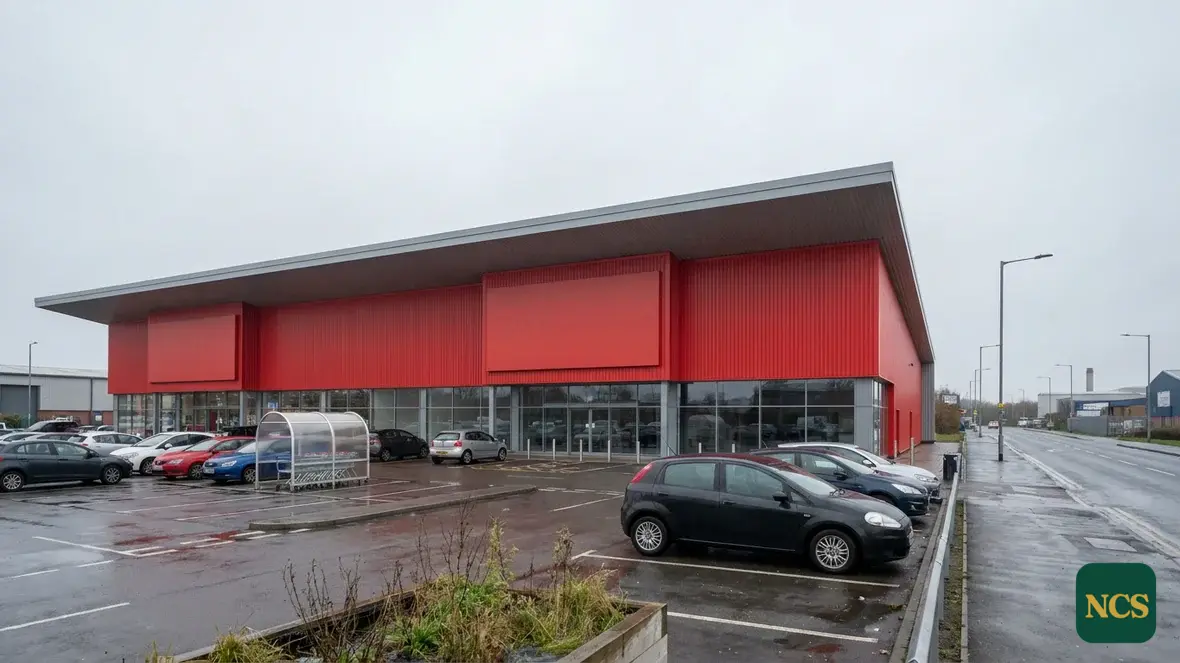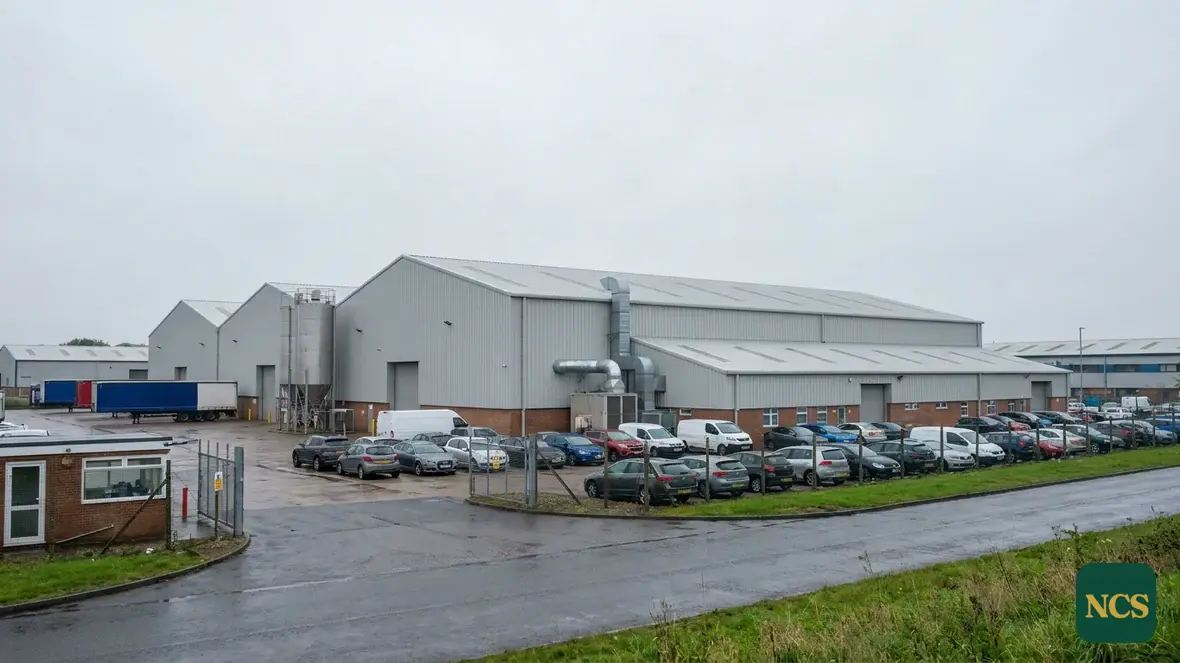
Bath is better known for its terraces and tourism than its industrial sheds, yet the city still runs on working buildings: trading estates tucked along the river corridor, units on the western fringes, and older premises that have been adapted and re-let many times over. Most share one feature, a large profiled metal roof now well into its service life, and a facilities team wondering whether it needs replacing or whether there is a more sensible option.
Coating versus replacement on an occupied unit
For estates and facilities managers, full roof replacement is normally the last resort. Strip-and-replace is costly, slow, weather-dependent and hugely disruptive to whatever happens underneath, whether that is storage, light manufacturing or trade counters. A correctly specified coating system, applied to a roof that is structurally sound, restores weather protection for far less money and with far less interference in daily operations.
The key phrase is structurally sound. A coating is a protective layer, not a structural repair, which is why everything we do starts with a survey rather than a quotation.
What the survey looks for
Before any specification is written, we inspect the roof in detail and report plainly on what we find. On the industrial stock around Bath and the wider West Country, the recurring issues are familiar:
- Cut-edge corrosion at sheet overlaps, eaves and gutter lines
- Failing factory finishes that are peeling or chalking
- Brittle, discoloured rooflights that have lost light transmission
- Corroding fixings and fastener washers
- Blocked or rusting gutters causing localised ponding
- Old patch repairs that are themselves now failing
The survey tells us, and you, whether the roof is a genuine coating candidate. If it is, the findings shape the preparation work and the system specified. If it is not, we say so.
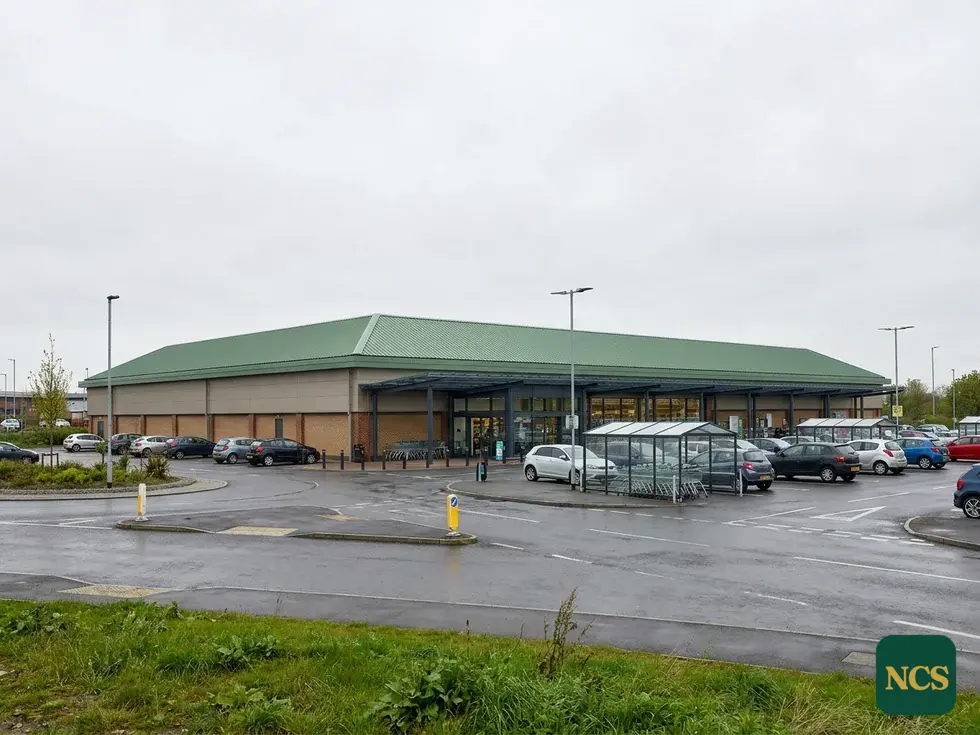
Cut-edge corrosion: the defect that decides roof life
On profiled metal roofs, the exposed cut edges of each sheet are where the factory finish ends and bare steel meets the weather. Left alone, corrosion creeps back from the edge beneath the coating, and what begins as a thin rust line becomes delamination and, eventually, perforation. Caught early, cut-edge corrosion is treatable: edges are prepared, primed and sealed as part of the coating works. Caught late, it can take a roof past the point where coating makes sense. The difference between the two is usually a few years of inaction, which is why an early survey is worth arranging even if the works themselves wait for the next budget year.
When we will tell you not to coat
Honesty matters more to us than winning the job. We advise against coating where sheets are already perforated across large areas, where corrosion has taken hold on the underside as well as the top, where insulation inside a built-up system is saturated, or where the supporting structure and fixings are failing. In those cases a coating would only hide the problem and spend your budget badly; the right answer is sheet replacement or a full re-roof, and our report will say exactly that. We would rather lose a coating job than put a fresh finish over a roof that is beyond saving.
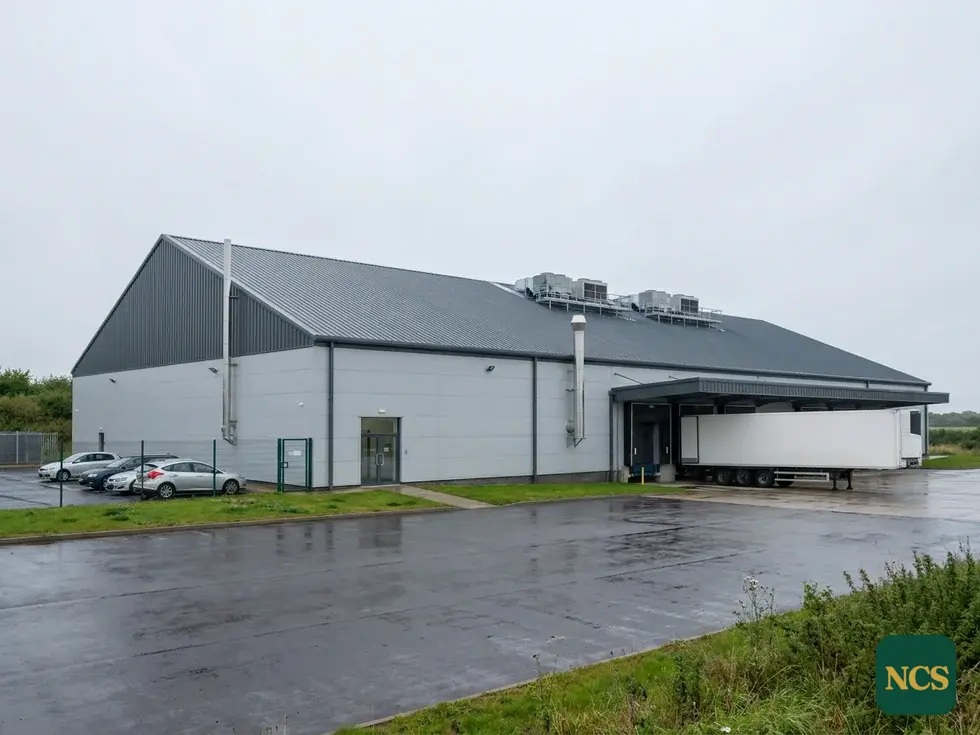
Working around a live operation in Bath
Coating works are carried out from roof level, with no strip-off, no exposed building and far less noise than replacement. Occupiers keep trading throughout, and on multi-let estates we can phase the work unit by unit so no single tenant carries all the inconvenience. We are a survey-led contractor based in the South-East and working across England, and Bath’s commercial roof stock, from older estate units to adapted industrial buildings, suits this approach well. The sensible first step is a survey and an honest written report, so the coat-or-replace decision is made on evidence rather than guesswork.