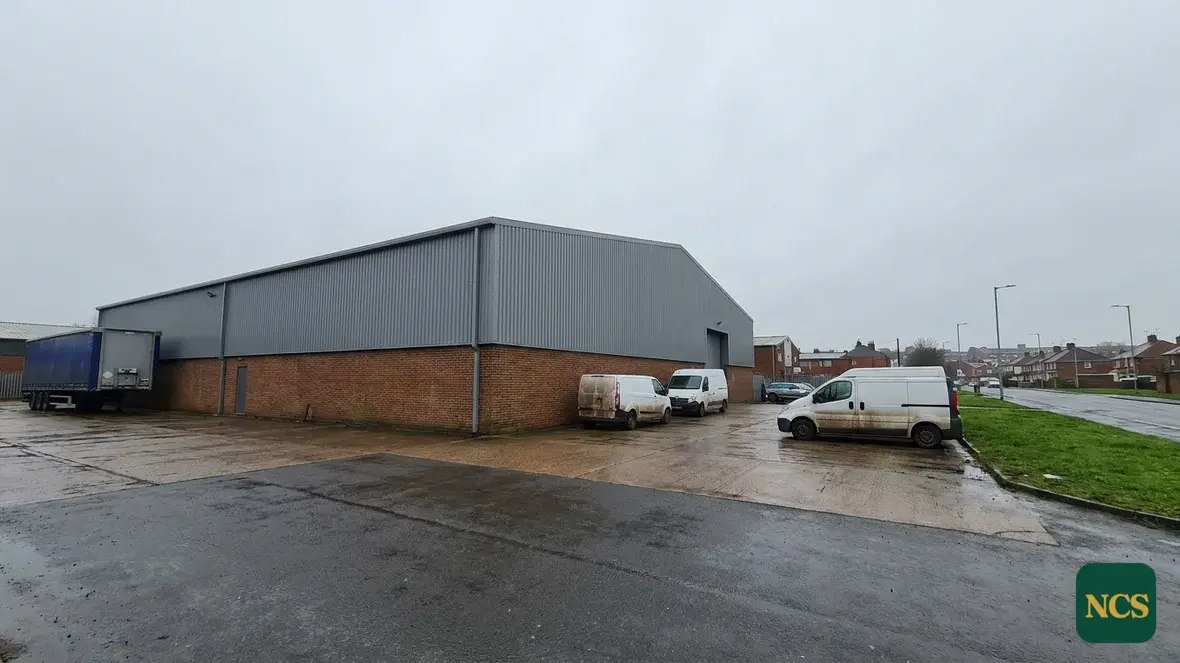
Every building owner or manager with an old asbestos cement roof eventually runs the same sums: keep patching it, strip and replace it, or seal the whole thing up and stop the rot. Around Derby, where the engineering and railway industries left us with a fair few mid-century workshops, sheds and depots, that calculation is well overdue on a lot of buildings. Here’s how we see it.
Doing nothing is not a management plan
The Control of Asbestos Regulations 2012 are clear: if you control a non-domestic building, you need to identify asbestos, assess its condition and manage the risk with a written plan. An asbestos cement roof that’s slowly weathering away, dropping fibres into the gutters a bit more each year, doesn’t really fit that duty. Monitoring has to lead to action at some point, and the regulations expect you to know when that is.
Encapsulation against removal: the honest arithmetic
Removal means full access, a controlled strip, getting rid of the sheets as asbestos waste, then a whole new roof. Your building might be out of action while all that happens. It’s the right call for a roof that’s truly failed, and sometimes the only call, but it’s a big capital project.
Encapsulation, on the other hand, means we clean, repair and seal the existing sheets right where they are. The fibres get locked in, the weathering stops, the roof becomes watertight again, and your building keeps working below. It’s a lot cheaper and faster, with one crucial condition: the sheets absolutely must be structurally sound. A coating will extend the life of a good roof; it won’t bring a bad one back from the dead.

Where these roofs sit around Derby
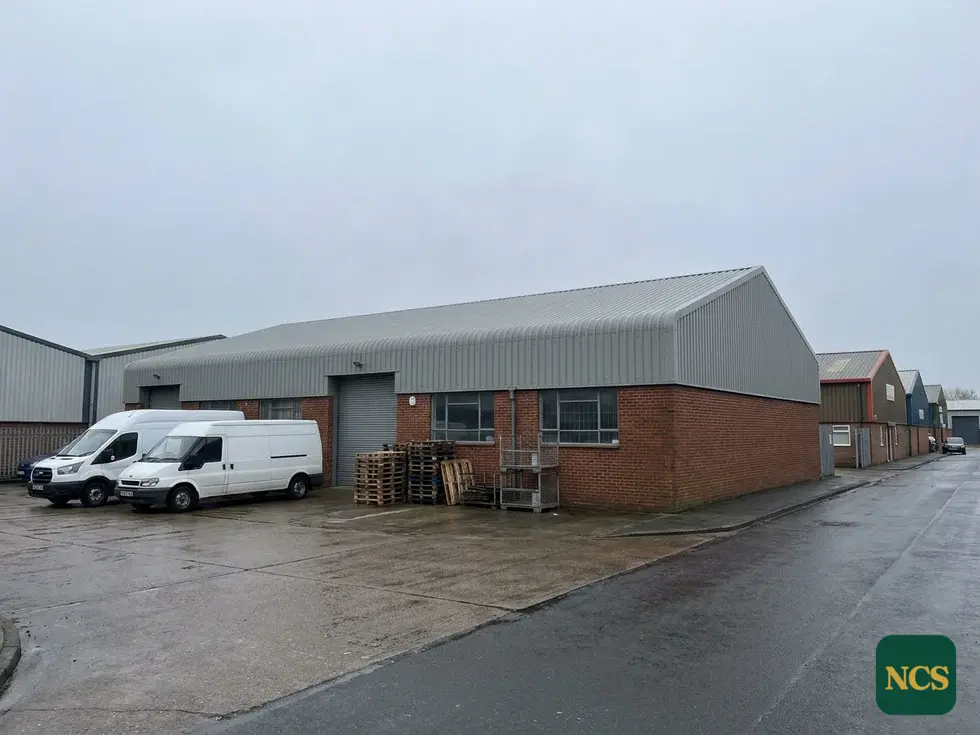
The pattern across Derby and the surrounding county is pretty familiar to us: workshop and factory units from the post-war decades, storage sheds and depots on the trading estates, garage blocks behind older commercial places, and plenty of farm buildings out in the Derbyshire countryside. Many of these were roofed with the same corrugated asbestos cement between the 1950s and early 1980s. Sheets that old are rarely beyond hope, but they’re also rarely untouched by weathering, which is why we need to establish the condition for every single job.
Owners in Derby ask for asbestos roof coating, sealing or painting, and it is the same careful job: survey, controls, then a system the sheets can take.
When coating would be money wasted
We won’t encapsulate a roof that really needs to be removed. We’ll tell you exactly which side of that line your roof falls. Brittle or delaminating sheets, widespread cracks, sheets breaking up around the fixings, a structure that’s moved or rotted, or persistent leaks that have soaked the building below: those are removal jobs. A coating sold over the top of those would fail, and it would take your money with it.
Also, if the material turns out to be something higher risk than asbestos cement, like asbestos insulation board, that work usually needs an HSE-licensed removal contractor. That’s not a service we’ll try to improvise.
How the survey works
Everything starts with a condition survey. We look at the sheets up close, the fixings and laps, rooflights, gutters, any evidence of leaks inside, and the supporting structure. You’ll get our written findings and a recommendation you can hold us to. A few things help us if you have them ready:
- Your current asbestos register and management plan
- Any previous survey or sample results
- The building’s leak and repair history
- Access arrangements and operational constraints
- Your plans for the building over the next ten years
That last point matters more than most people think. Encapsulation is an investment in a building’s future, so our survey conversation should really start with whether the building has one.