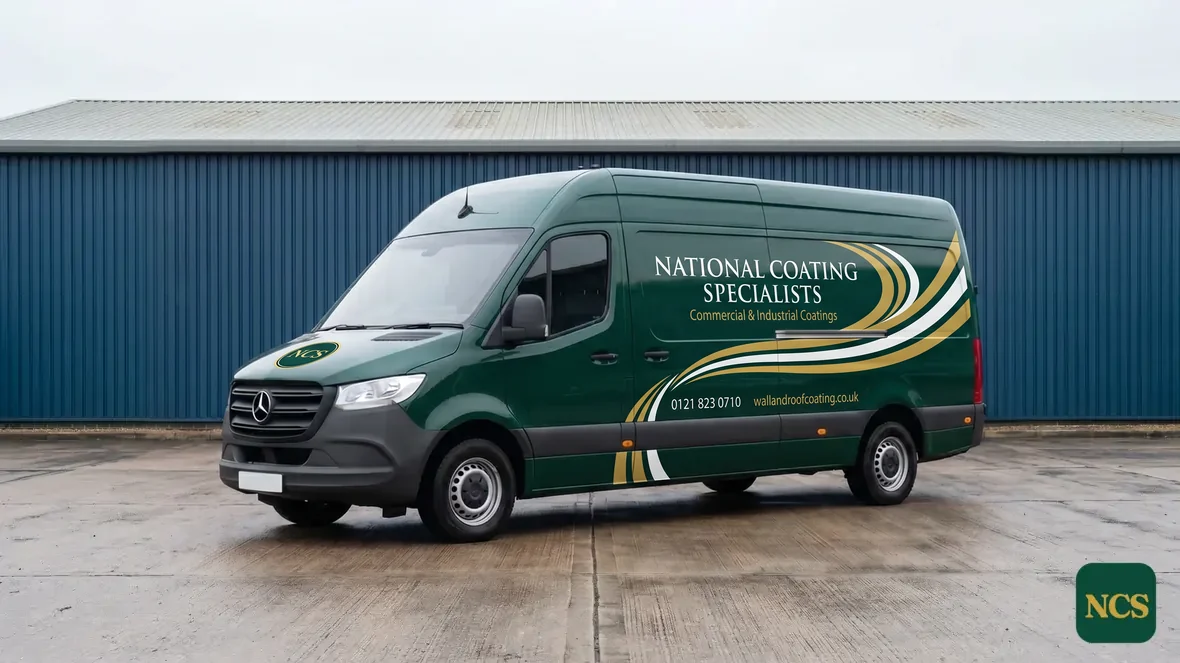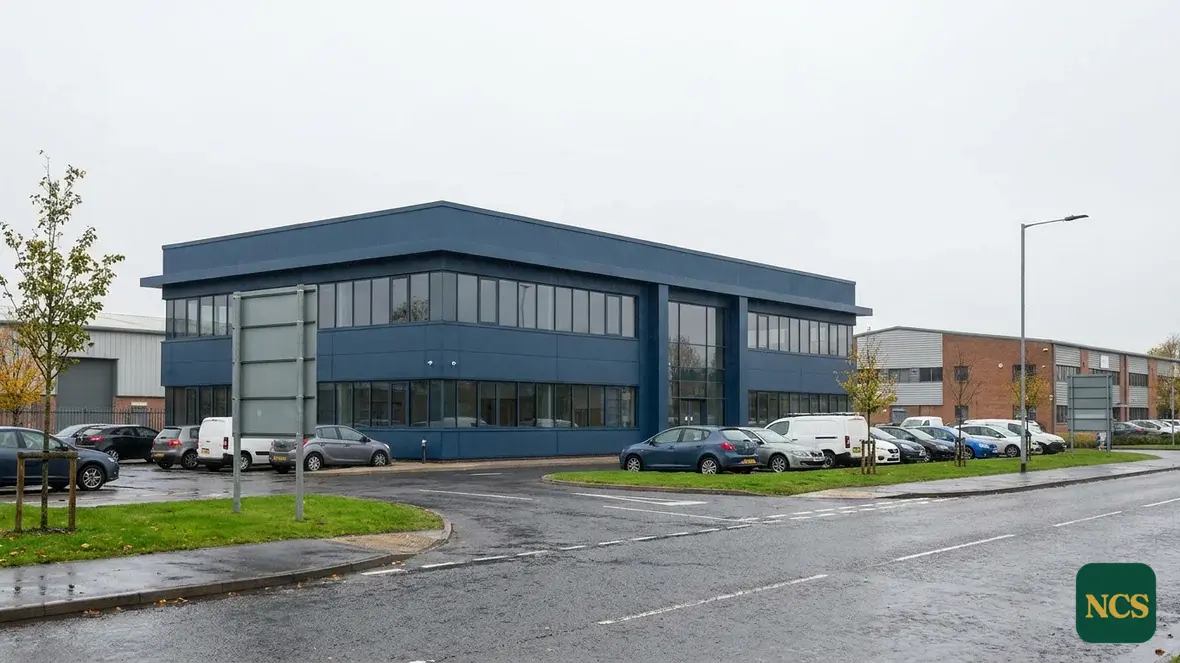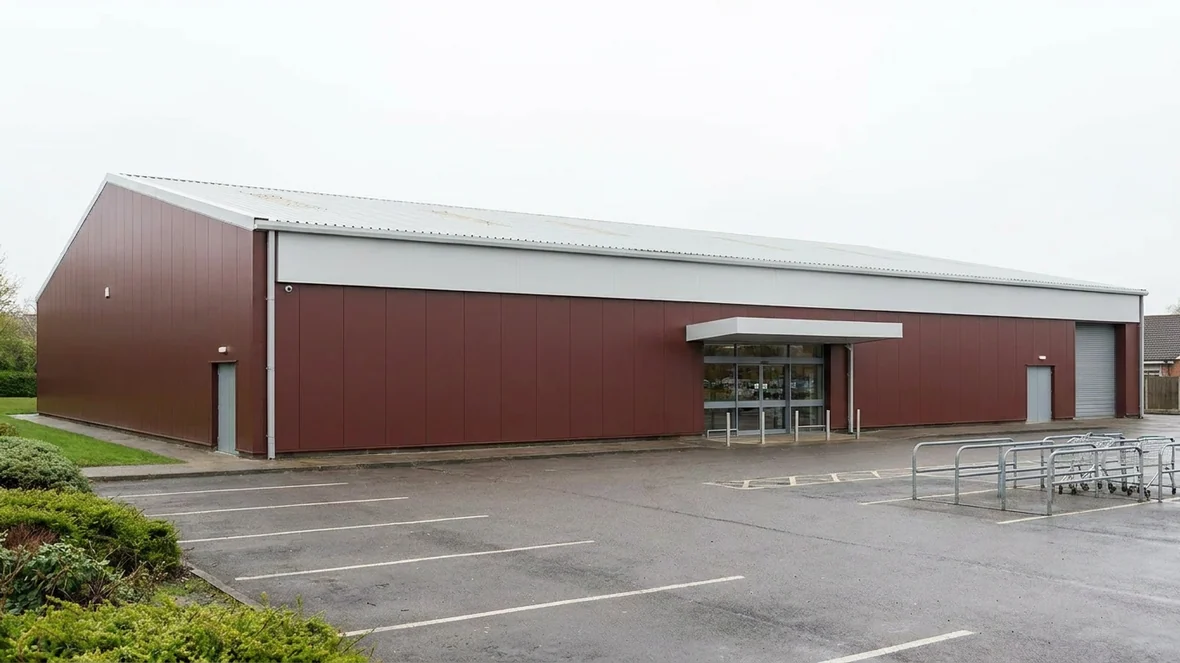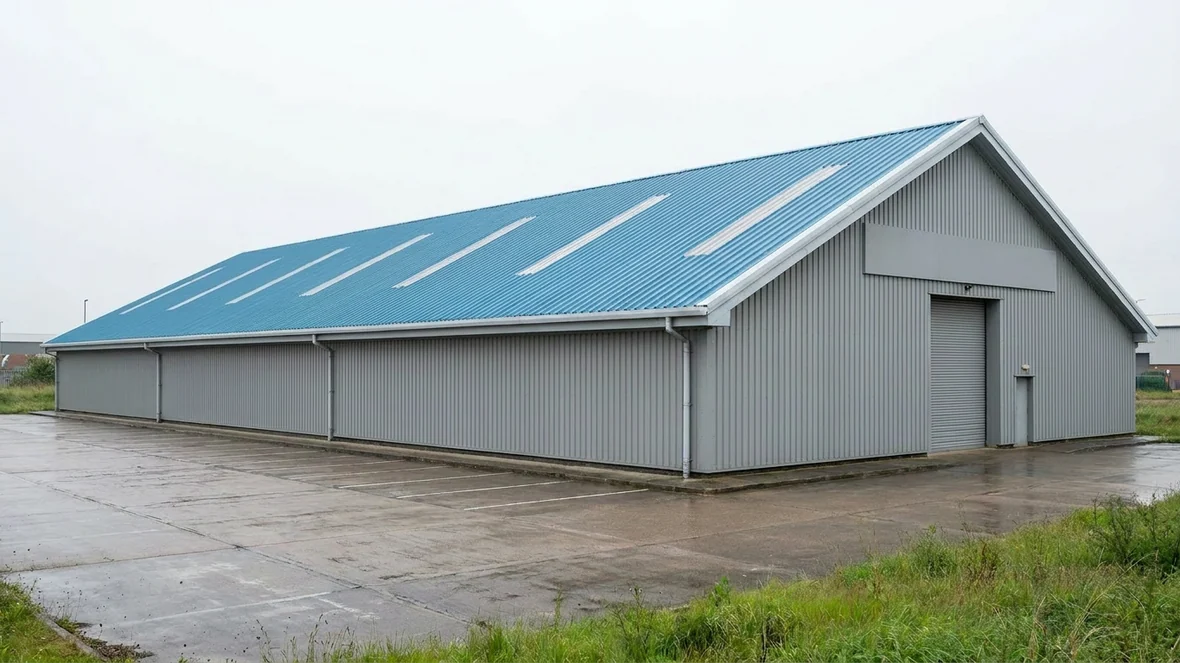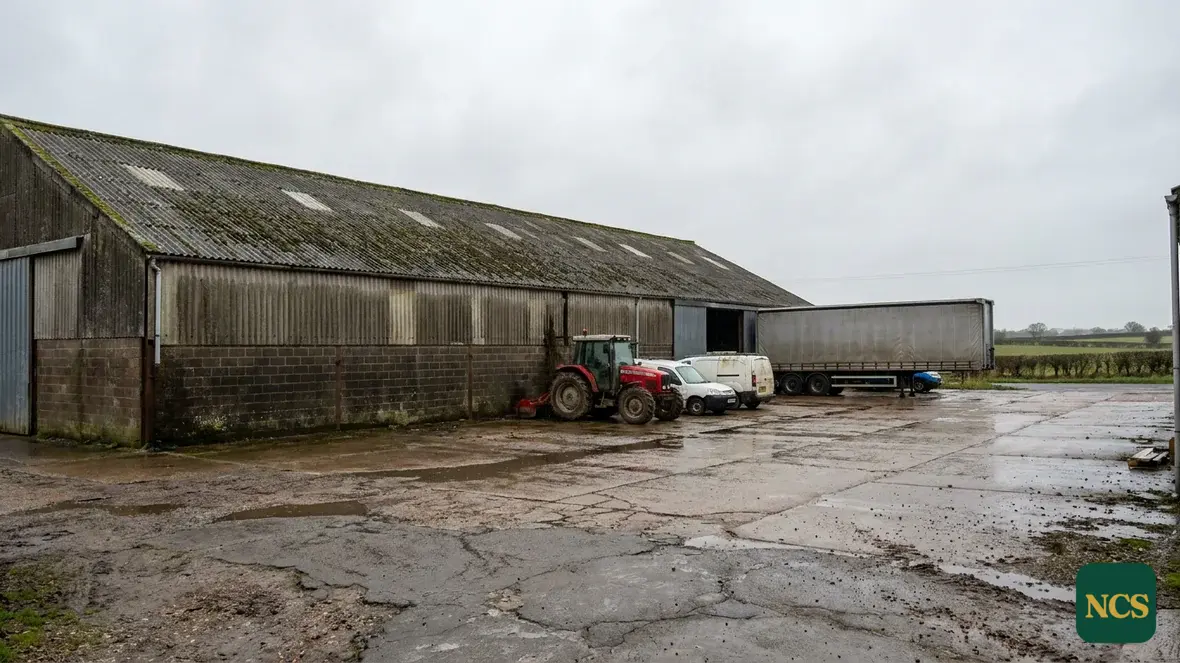




Barn Painters Wiltshire means the same survey-led route we apply everywhere: one of our surveyors inspects the building first, photographs the condition, and the specification follows the substrate rather than a price list.
Why barns across Wiltshire need professional painting
Wiltshire’s working barns and agricultural buildings face constant exposure to the elements. The county’s mix of rolling chalk downland and clay valleys creates microclimates where driving rain, frost and strong winds batter timber cladding and metal roofing year after year. Livestock housing demands frequent washing down, speeding up paint failure, while ammonia-rich atmospheres in dairy units accelerate corrosion on steelwork. Many of the county’s older barns still wear original coatings from the 1970s and 80s – thin solvent-based paints that crack and peel as the timber beneath moves with seasonal moisture changes.
The barn and shed stock of Wiltshire
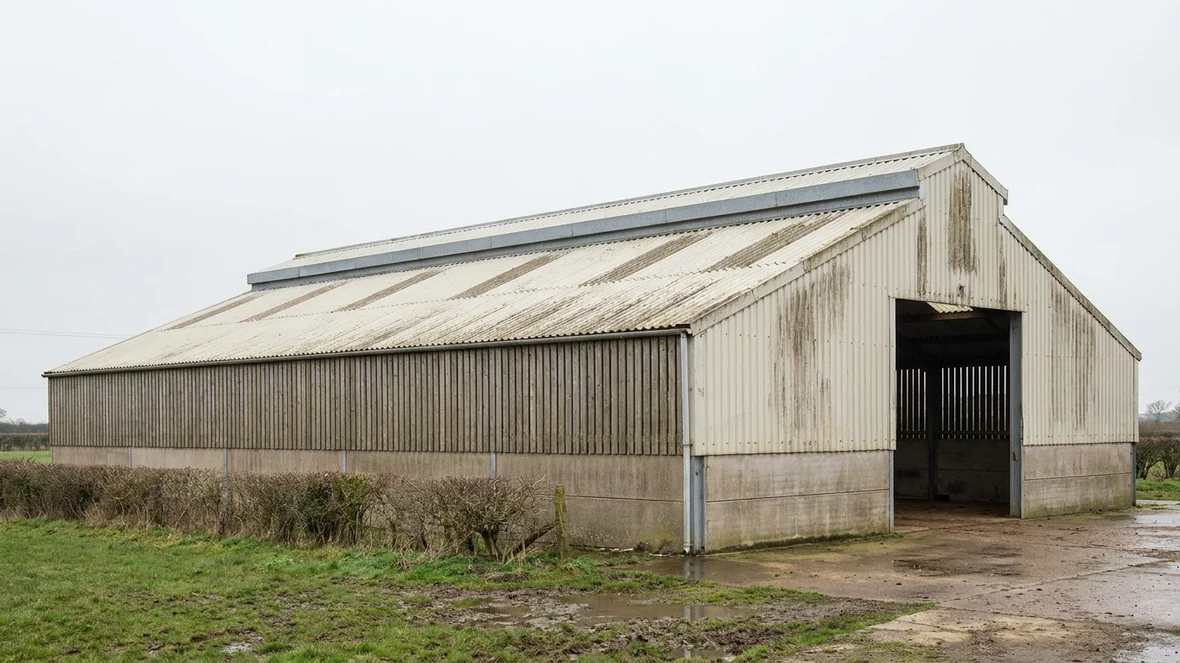
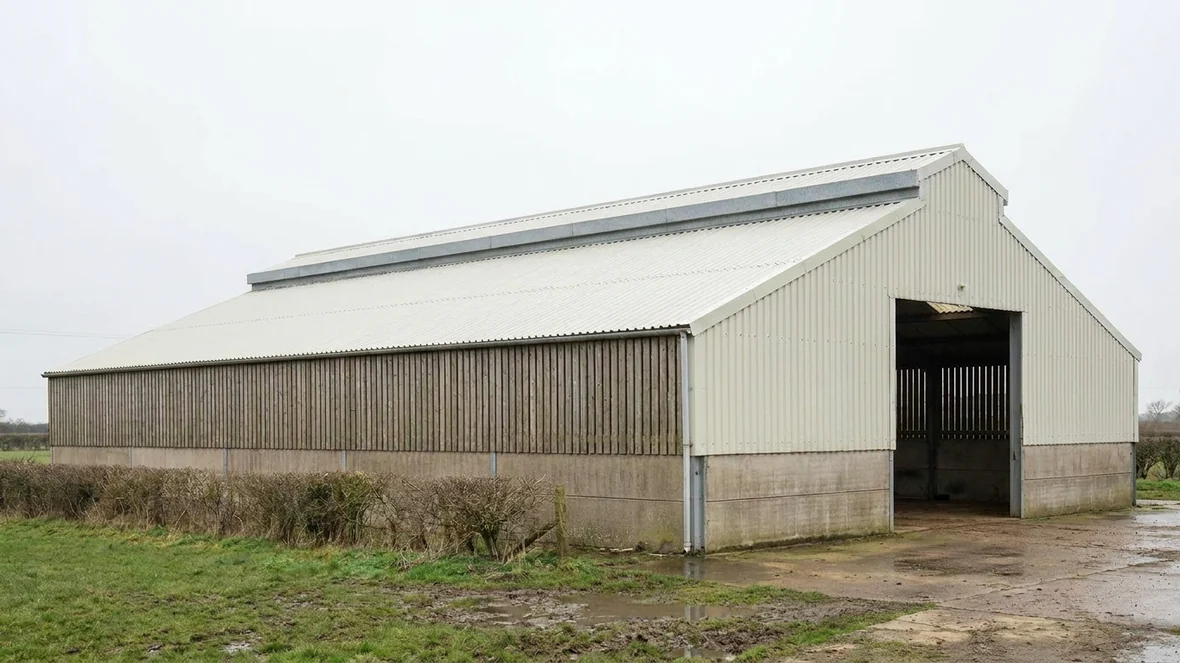
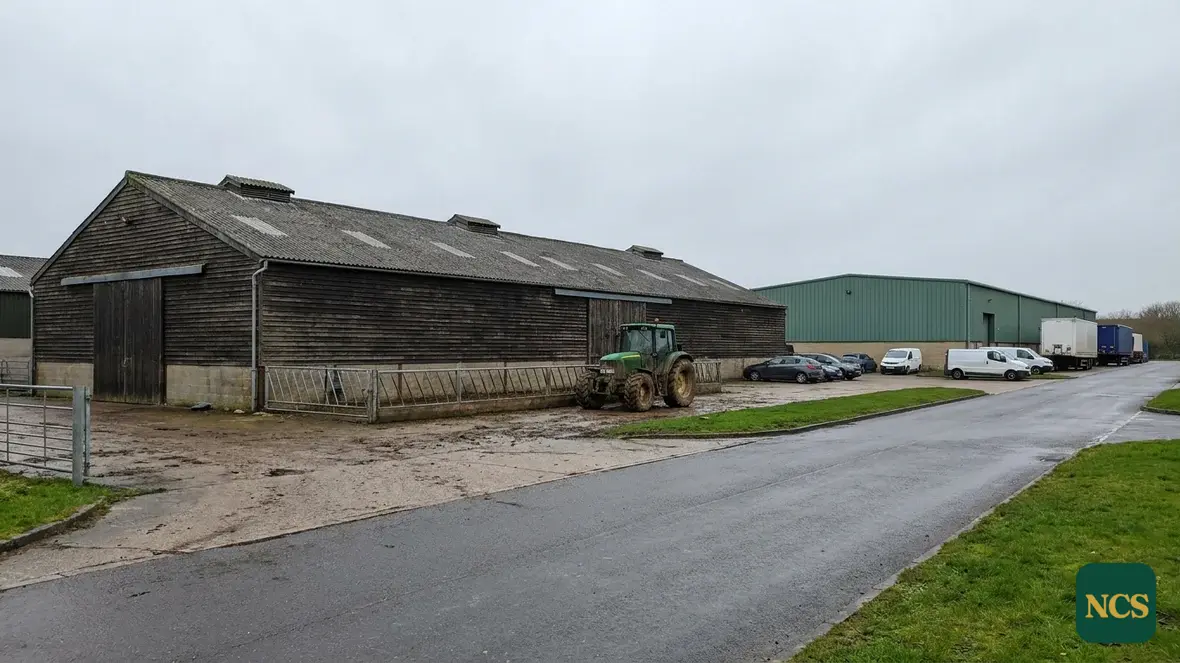
From the stone-built tithe barns of the Vale of Pewsey to the modern steel-framed dairy units around Warminster, Wiltshire’s rural buildings reflect centuries of farming adaptation. The chalklands host long, low cattle sheds with asbestos cement roofs, their southern elevations bleached pale by decades of sun. Brick and flint threshing barns converted to equestrian use dot the lanes near Salisbury Plain, their weatherboarding split by decades of wetting and drying. Across the clay vales, grain stores and machinery sheds show the telltale orange bloom of rust creeping from untreated fixings. Each type demands a painter’s eye for how coatings fail in local conditions.
What professional barn painting involves
Our painters work with spray-applied coating systems designed for agricultural use. On timber, that means oil-based microporous stains that let the wood breathe while blocking moisture ingress – crucial for preventing rot in Wiltshire’s damp winters. For metal roofing and cladding, we specify high-build epoxy mastics that bridge minor corrosion and flex with thermal movement. Every system starts with proper surface preparation: pressure washing to remove organic growth, spot treatment of rust with rotary wire brushes, and feathering back lifted paint edges to sound material. The goal isn’t just a fresh appearance but interrupting the cycle of substrate degradation.
The repairs that come before any painting
No coating lasts over failing structure. Our teams routinely replace rotten timber around eaves where water pools, refix loose corrugated sheets distorted by wind lift, and seal open joints that let driven rain behind cladding. Steel purlins get corrosion treatment where roof leaks have dripped onto them for years. Gutter systems often need realigning before repainting – a common issue on older barns where ground settlement has altered drainage falls. These aren’t upsells but necessary preliminaries; painting over defects just traps moisture and accelerates the next failure.
Our survey-led approach to barn painting
Every project begins with a walkaround survey noting not just obvious defects but the building’s orientation, prevailing weather exposure, and livestock use patterns. A dairy unit near Devizes will need different coating solutions to a tractor shed on the Marlborough Downs based on their ammonia exposure and wind loading. We map areas needing urgent repair versus those where preventative work now avoids bigger bills later. Only then do we specify coatings – never from a preset menu but matched to each building’s actual conditions and use.
- Free initial survey with no obligation
- Honest assessment of what needs doing now versus what can wait
- Clear explanation of coating options for your specific building
- Written scope of work before any commitment
Why specification follows survey
Barn painting can’t be priced or planned from photos alone. The same flaking paint might stem from poor original application on one building or underlying timber decay on another – invisible differences demanding wholly different approaches. Our survey lets us separate cosmetic issues from structural concerns and advise on the most cost-effective sequence. That might mean tackling urgent repairs this year and deferring full repainting, or combining both where access scaffolding makes it economical. Either way, you get a painter’s proper assessment, not a salesman’s guess.
Learn more about our barn painting services or book your free survey.
Common questions about barn painters Wiltshire
Can rusty barn cladding be painted?
Yes, provided the corrosion has not perforated or seriously weakened the sheets. We remove loose rust and failing coatings, prepare the remaining sound surface and apply a compatible coating system. Where corrosion is advanced, replacing the affected sheets is usually the more reliable course.
Can you paint a barn without removing the existing coating?
Often, but only when the existing finish remains firmly attached and is compatible with the proposed system. We check adhesion, identify loose or chalking areas and prepare them accordingly. Painting over an unstable finish merely gives the new coating something unstable to cling to.
What weather is suitable for coating a barn?
Application requires a dry surface, suitable temperatures and manageable wind. Rain, condensation and strong wind can compromise adhesion or spray control. We plan the work around forecast conditions rather than treating the forecast as a formality.
Can fibre cement barn sheets be coated?
Some fibre cement sheets can be cleaned and coated, subject to their condition and composition. Suspected asbestos-containing materials require appropriate identification, controls and working methods. Coating cannot restore cracked, badly weathered or structurally unsound sheets.
Do barn painters need access inside the building?
Not always, although internal access can help us inspect leaks, fixings, laps and areas of concealed deterioration. We also consider livestock, stored materials, machinery and ventilation before work begins. Good access planning usually prevents avoidable disruption.
Coating barn cladding or replacing it
Coating is generally appropriate where the cladding remains structurally sound but has faded, chalked or developed manageable surface corrosion. Preparation and recoating can protect the existing sheets while avoiding the disruption associated with stripping the entire exterior.
Replacement wins when sheets are perforated, badly distorted, extensively cracked or no longer secure. It is also the better option where failed laps, widespread fixing problems or recurring water ingress cannot be corrected by surface treatment. A coating is not a substitute for sound fabric.
There are cases where a mixed approach is sensible. We may recommend replacing isolated defective sheets and coating the serviceable surrounding elevations. This avoids discarding usable cladding while ensuring that serious defects are dealt with properly.
For owners comparing replacement with barn painters Wiltshire, the deciding factor should be condition rather than appearance alone. A survey establishes whether the existing envelope is a suitable coating substrate and identifies repairs that must come first.
Preparing profiled barn cladding for coating
Preparation begins with a close inspection of sheets, fixings, laps, sealants, gutters and junctions. We look for loose coatings, surface contamination, corrosion, failed repairs and signs of movement. These details determine the preparation method and whether local replacement is required.
Cladding is cleaned to remove dirt, biological growth, chalking and residues that would interfere with adhesion. Loose paint and corrosion are then removed by suitable mechanical methods, with care around thin sheets, edges and fixings. Sound existing coatings are prepared to provide a stable key.
Bare metal and vulnerable areas may require local priming before the main coats are applied. We pay particular attention to cut edges, fastener heads, overlaps and repaired sections because these areas commonly retain moisture or lose protection first.
Application is controlled around rooflights, vents, gutters, doors and neighbouring surfaces. Masking and wind monitoring matter on exposed agricultural sites, particularly where spraying is used. The aim is an even, continuous film without coating components that need to remain clear or operational.
Recently — July 2026
Summer is the steadiest season for exterior coating: longer dry spells mean preparation, application and curing can be programmed with fewer weather delays.
We plan the work around how your site runs, so the building stays in use while we are on the roof.
All access and work at height is planned in line with HSE work-at-height guidance.