



Why farms around Wiltshire call in farm painters
Wiltshire’s farms face unique challenges that make protective coatings essential. The county’s weather swings between heavy rain and drying winds, both of which accelerate wear on exposed surfaces. Muck from livestock and ammonia from slurry pits degrade building exteriors, while regular washdowns add to the erosion. Without proper protection, farms risk costly structural damage and compromised productivity.
The farm building stock of Wiltshire
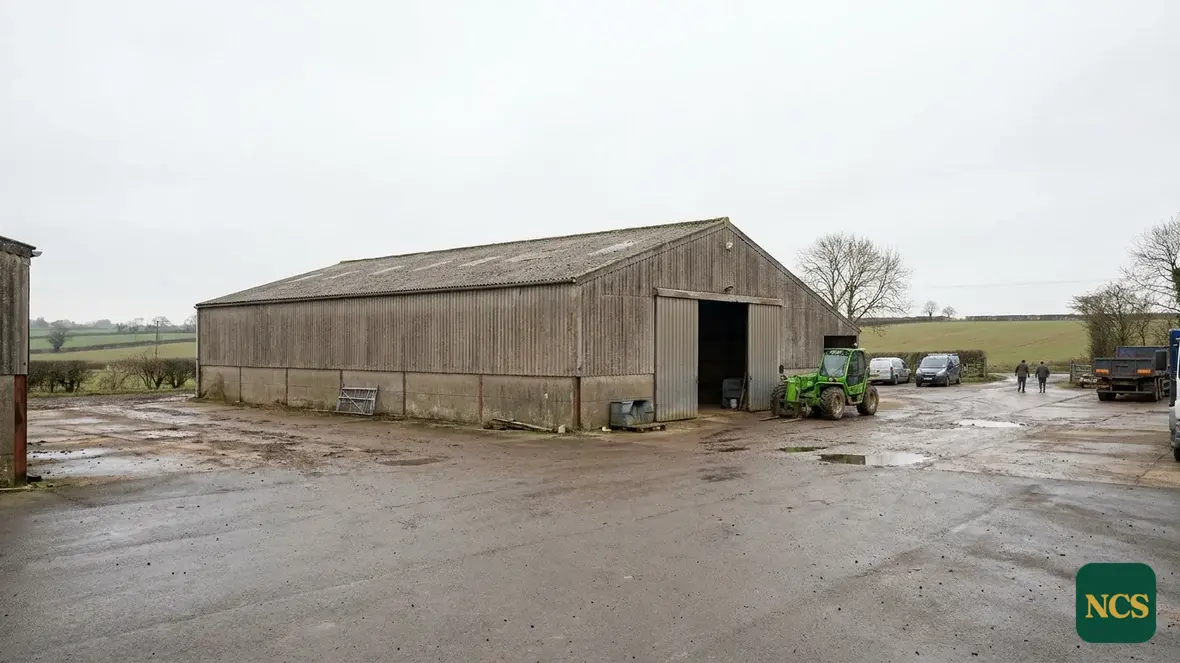
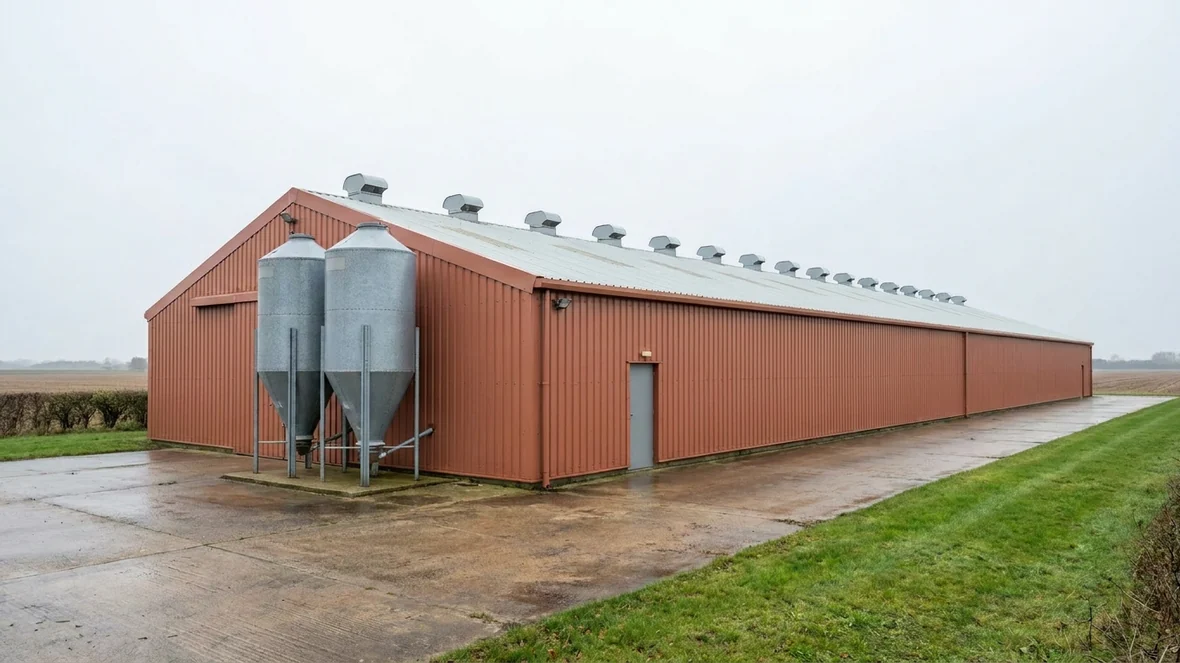
Wiltshire’s farming estates range from historic stone barns, particularly around Chippenham and Devizes, to modern steel-frame structures spread across Salisbury Plain and the West Wiltshire Downs. Dairy farms dominate the Avon Valley, their milking parlours and storage facilities requiring sturdy, easy-clean coatings. Across the county, barns, grain stores, and livestock shelters form the backbone of rural infrastructure, each needing matched painting solutions to withstand daily demands.
What the work involves
Farm painters in Wiltshire typically use spray-applied coating systems designed for durability and ease of application. These include epoxy coatings for high-traffic areas like milking parlours and polyurethane finishes for barn exteriors exposed to harsh weather. Preparation often involves cleaning surfaces to remove dirt, algae, and loose material before applying primers that ensure strong adhesion. For steel structures, zinc-rich coatings provide additional protection against corrosion.
The repairs and preparation that come first
Before painting begins, thorough repairs are essential. This includes patching damaged sections of walls or roofs, treating rust on metal surfaces, and sealing cracks in concrete or masonry. Proper preparation ensures coatings adhere well and perform as intended, extending the lifespan of farm buildings and reducing long-term maintenance costs.
Our survey-led process
Every project starts with a detailed site survey. We assess the condition of the building, identify areas needing repair, and discuss your specific requirements. This allows us to recommend the most suitable coating systems and prepare a clear plan of work. Surveys also help us anticipate any challenges, ensuring the job runs smoothly from start to finish.
- Detailed site survey matched to the farm’s needs
- Identification of areas needing repair or reinforcement
- Recommendation of durable, farm-specific coating systems
- Clear plan of work with minimal disruption to farm operations
Why the survey comes before any specification
Specifying coatings without a thorough survey risks inadequate protection or unnecessary expense. By understanding the exact conditions your farm buildings face, we can recommend solutions that balance performance and cost-effectiveness. This approach ensures long-lasting results and certainty in writing, knowing your buildings are protected against Wiltshire’s unique farming challenges.
To learn more about our farm painters and how we can help protect your buildings, visit our Farm Painters page. For a free, no-obligation survey, request a quote today.
Recently — July 2026
Summer is the steadiest season for exterior coating: longer dry spells mean preparation, application and curing can be programmed with fewer weather delays.
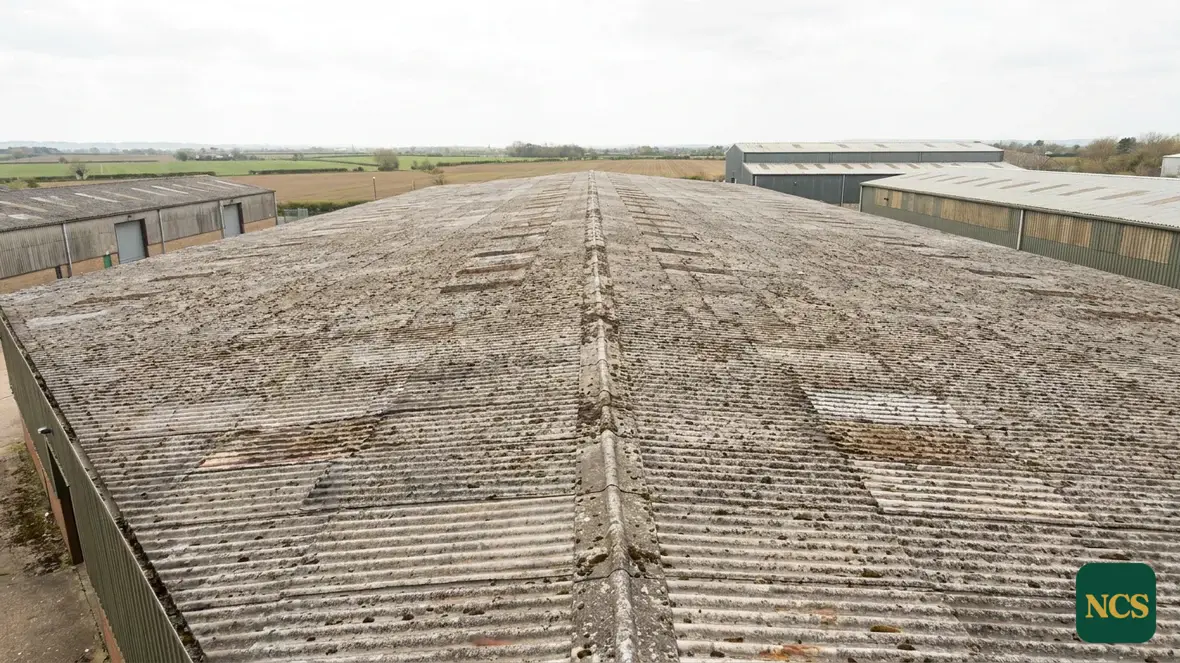
Recent enquiries here have been a mix of metal industrial roofs, profiled cladding and ageing asbestos-cement sheets, all assessed on a free site survey before anything is specified.
Farm Painters Wiltshire: our survey-led approach
What sets our farm painters wiltshire apart is the survey. Before any coating is specified, one of our surveyors inspects the substrate, the access and the exposure, so the farm painters wiltshire system we recommend suits the building in front of us.
- Condition of the roof, walls and cladding, checked in person
- Repairs and preparation identified before any coating goes on
- The right manufacturer system matched to the substrate and exposure
- A written report and an honest coat, repair or replace recommendation
That is why our farm painters wiltshire work lasts: the specification follows the building, not a price list.
All access and work at height is planned in line with HSE work-at-height guidance.
Whether the building is a single barn or a run of farm units, the process is the same: a proper survey, a written recommendation, and a coating system applied by an experienced team. We plan the work around how the site is used, so the building stays in service while the coating goes on, and we leave the place tidy at the end of each day.
Common questions about farm painters Wiltshire
Can old farm cladding be painted?
Often, yes. The deciding factor is the condition of the cladding rather than its age. We survey the sheets, fixings, laps and existing finish before recommending a coating system. Cladding that remains structurally sound can usually be cleaned, prepared and recoated. Badly perforated, distorted or insecure sheets may need localised repairs or replacement instead.
Can you paint rusty corrugated metal roofs?
Surface corrosion can usually be treated, provided the metal retains adequate strength. Loose rust and failed coating must be removed, affected areas prepared, and exposed metal treated before the main coats are applied. Where corrosion has penetrated the sheet or weakened fixings and laps, coating alone is not a sound repair.
What is the best time of year to paint a farm building?
Application requires a suitable weather window, with dry surfaces, manageable wind and temperatures within the coating specification. Warmer months often provide more opportunities, but summer heat can make metal cladding too hot for reliable application. We plan the work around actual site conditions rather than the calendar alone.
Does a farm building need to be empty during painting?
Not always. This depends on the building use, access arrangements, ventilation and the sensitivity of livestock, feed, machinery or stored crops. We agree exclusion areas and protection measures before work starts. In some circumstances, temporarily clearing the building or moving livestock is the only sensible option.
How do I choose suitable farm painters in Wiltshire?
Start with the survey. A contractor should identify the cladding material, coating condition, corrosion, damaged sheets, access constraints and contamination before specifying the work. A proposal based only on floor area or photographs may overlook the preparation that determines whether the finished coating performs properly.
Coating farm cladding compared with replacement
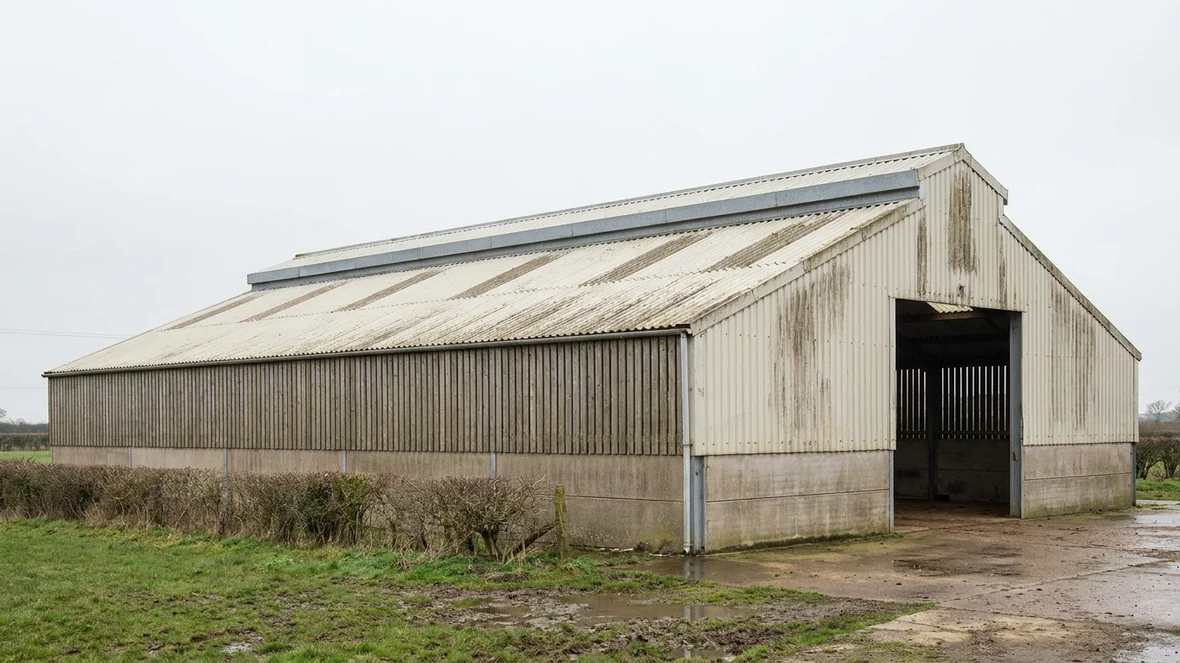
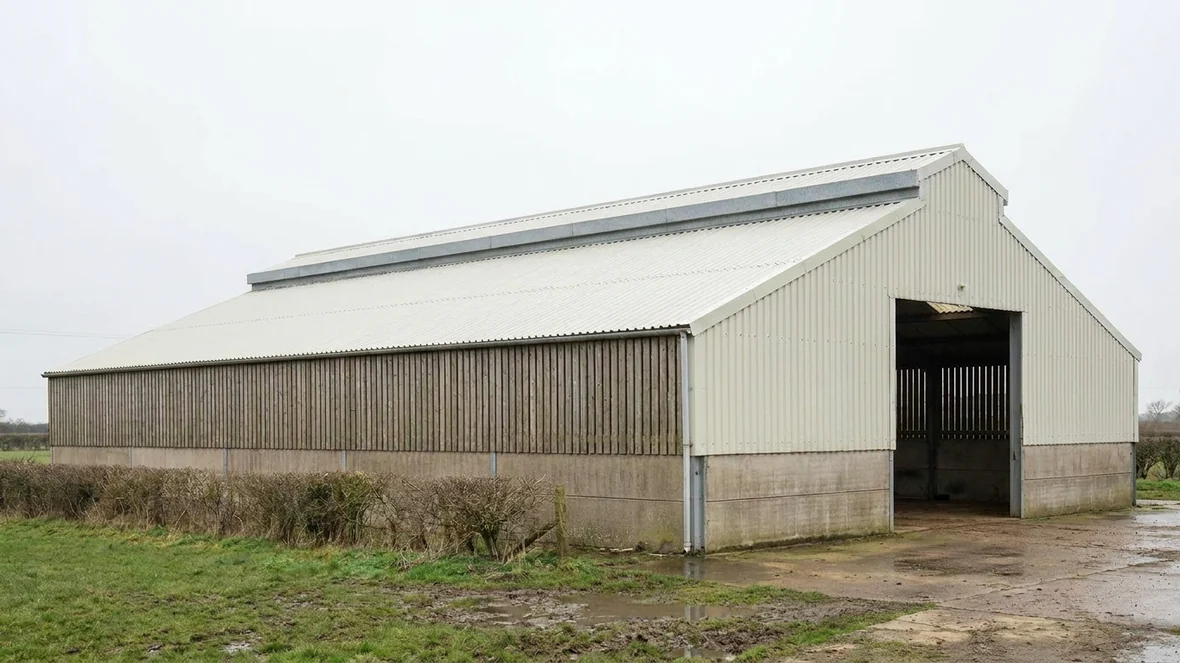
Coating is often appropriate where the roof or wall sheets remain structurally serviceable but their factory finish has faded, chalked or begun to break down. It retains the existing cladding, limits disruption and can address widespread surface deterioration without dismantling the building envelope.
It is not a substitute for structural repair. Replacement is the better choice where sheets are extensively perforated, badly distorted, fractured or no longer securely fixed. It may also win where recurring leaks result from failed detailing, where insulation or condensation control needs fundamental improvement, or where the owner intends to alter the building substantially.
A mixed approach is sometimes the most proportionate. Defective sheets, flashings and fixings can be replaced while sound surrounding cladding is prepared and coated. We distinguish between cosmetic weathering, treatable corrosion and genuine loss of integrity during the survey.
Suspected asbestos-containing materials require a separate, competent assessment before any preparation method is chosen. Abrasive cleaning or uncontrolled disturbance is not acceptable. Depending on condition, intended use and management requirements, leaving the material undisturbed, applying a suitable encapsulating treatment or arranging specialist replacement may be appropriate.
Preparation details that matter on profiled farm cladding
Farm buildings collect more than ordinary weathering. Dust, algae, bird fouling, grease, crop residues and airborne contaminants can all interfere with adhesion. We establish what is present before selecting a cleaning method, as simply washing the visible face does not necessarily produce a coat-ready surface.
Laps, edges and fixings
Corrosion commonly starts at cut edges, side laps, end laps and around fixings, where moisture is retained and the original finish is most vulnerable. These areas require close inspection and deliberate preparation. Coating the broad face while neglecting the details merely conceals the likely points of failure.
Removing unsound material
Loose coating, scale and poorly bonded rust must be removed back to a firm edge. Preparation should be thorough without unnecessarily thinning the underlying sheet. Remaining coating is checked for adhesion and compatibility rather than assumed to be suitable because it appears intact.
Keeping cleaned surfaces ready for coating
Prepared metal should not be left exposed longer than necessary. Dew, dust and sudden rain can quickly contaminate or corrode a cleaned surface. We sequence preparation and application in manageable areas so that vulnerable sections can be treated within the available weather window.
Controlling spray and site movement
Where spraying is appropriate, wind direction, nearby vehicles, neighbouring property, livestock areas and public access all affect the method. Masking and exclusion zones are planned before application. Brush or roller work may be preferable around details, boundaries and sensitive areas, even when larger elevations are sprayed.