Roof coating for Hull’s commercial buildings
Few English cities are harder on a commercial roof than Kingston upon Hull. Salt-laden air off the Humber estuary, long exposure to easterly winds and a high water table all push roofs to age faster than the calendar suggests. Commercial roof coating in Kingston upon Hull exists for exactly this situation: a roof that is corroding, crazing or leaking at the details, but whose structure is still sound. A liquid-applied membrane, correctly specified and applied, seals the existing surface as one continuous layer and puts off the cost and disruption of full replacement.
The qualifier matters: correctly specified. Coatings are unforgiving of guesswork, so we will not price a roof we have not surveyed.
From the docks to the business parks: what sits on the roofs
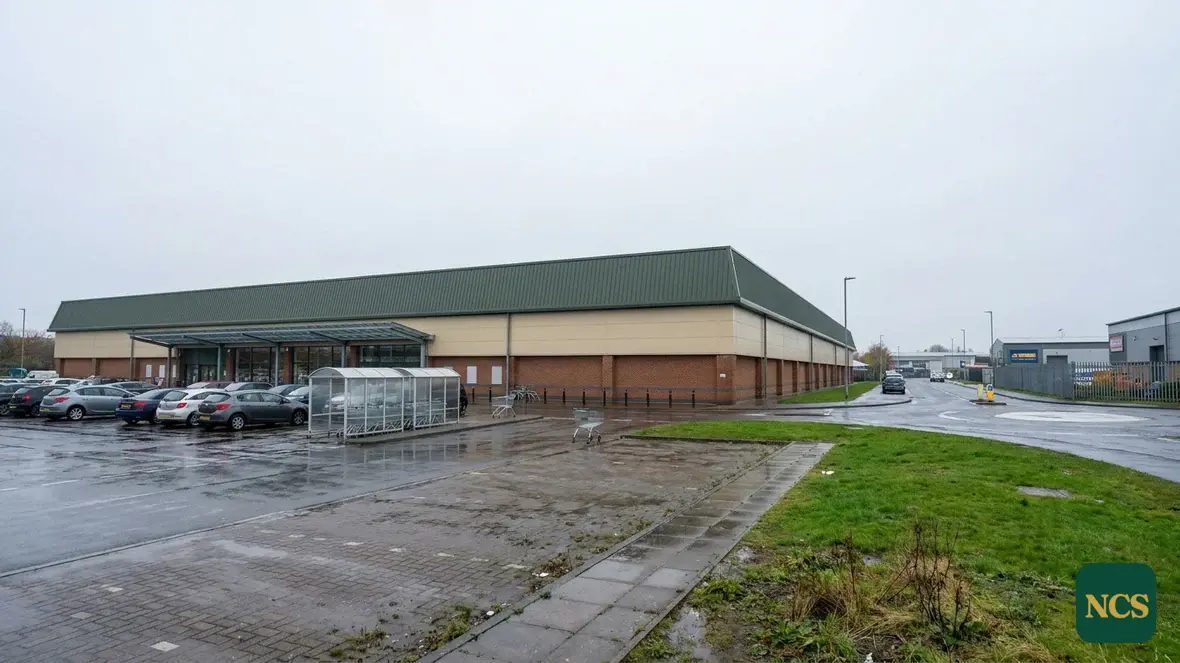
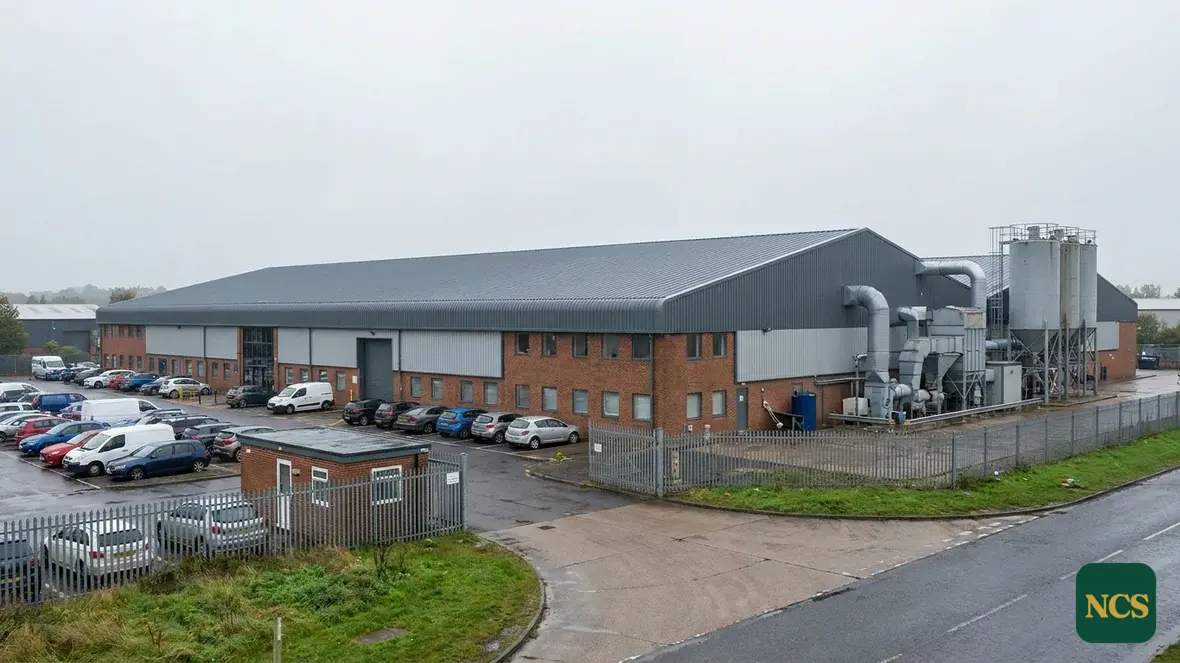
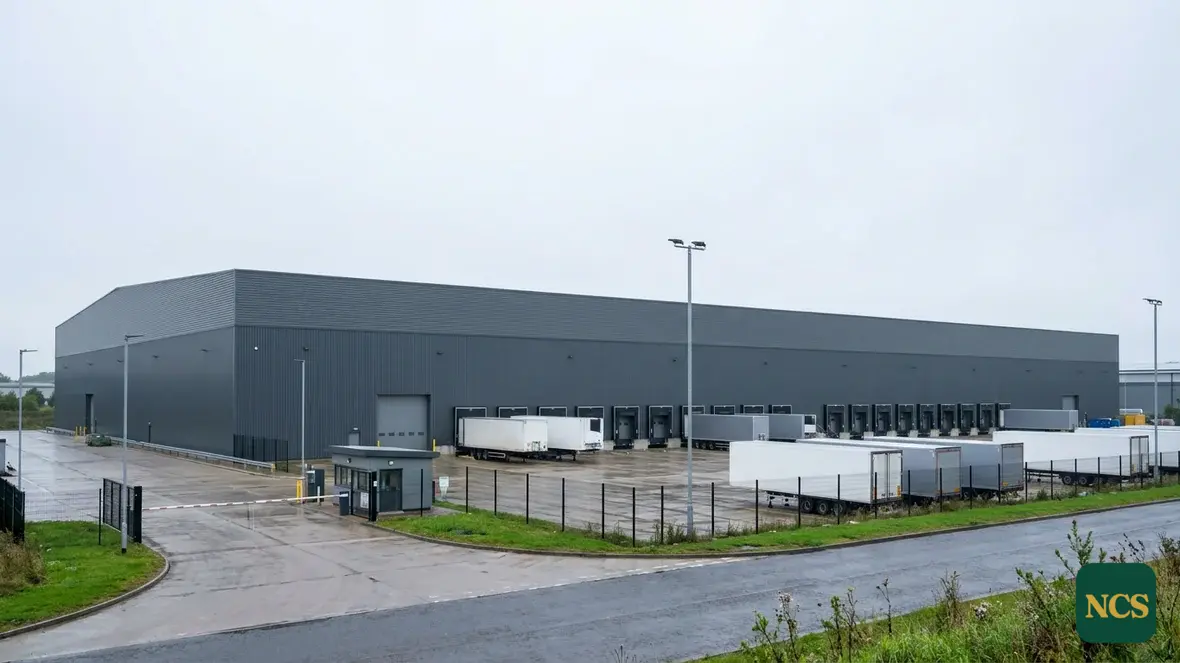
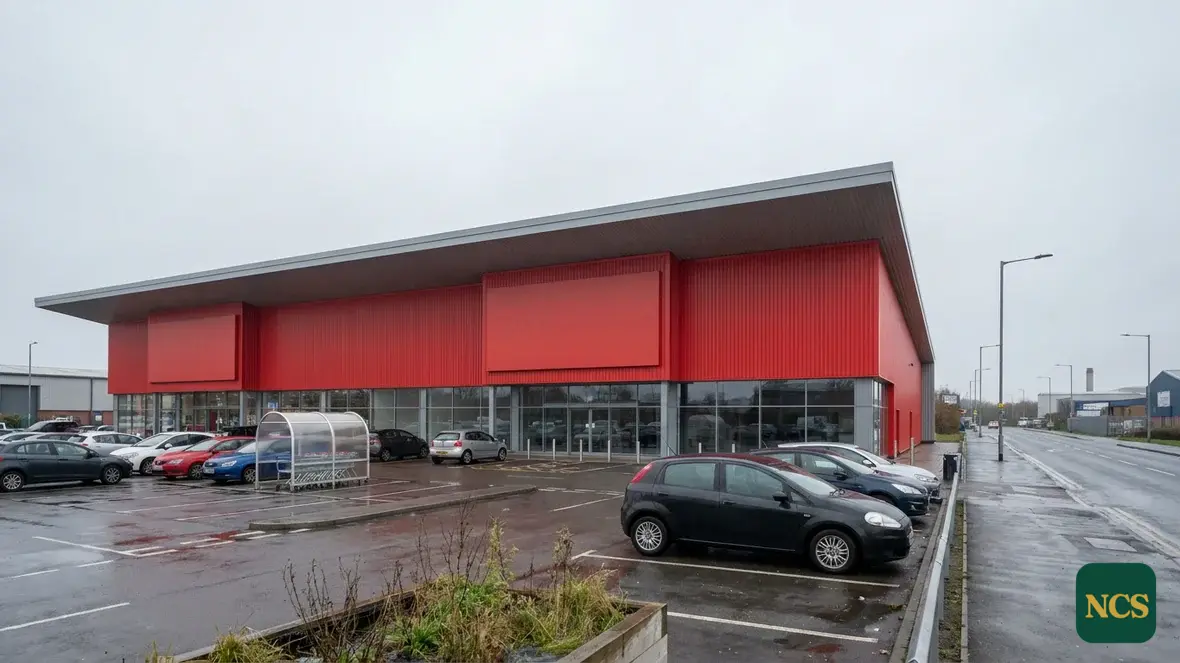
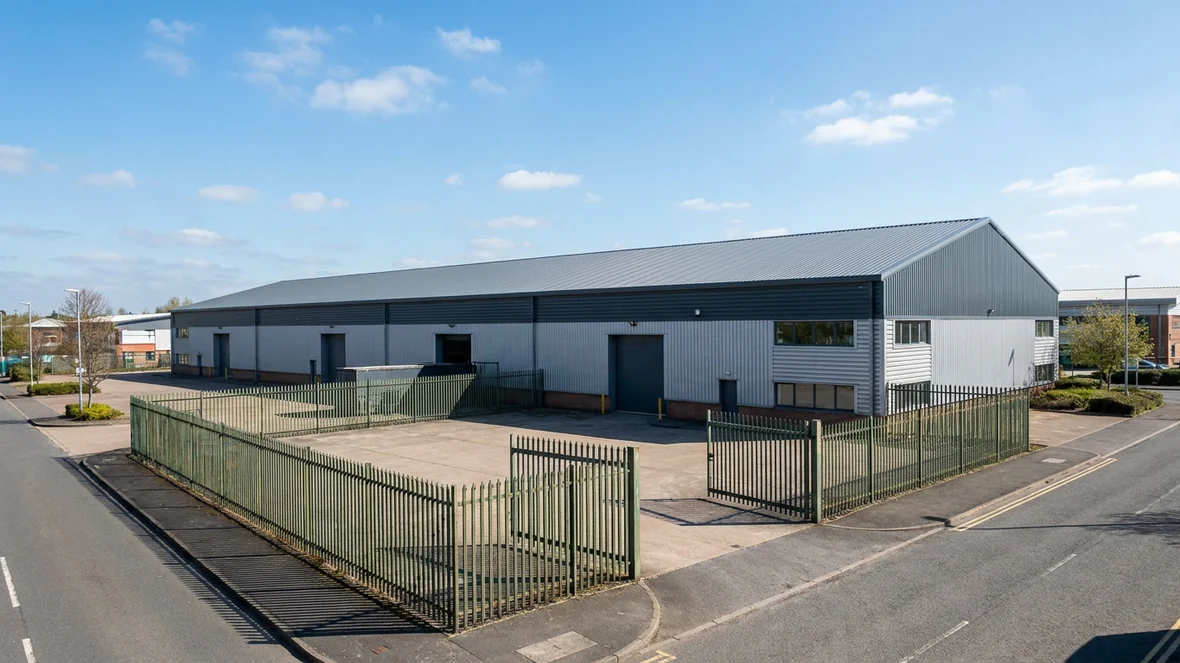
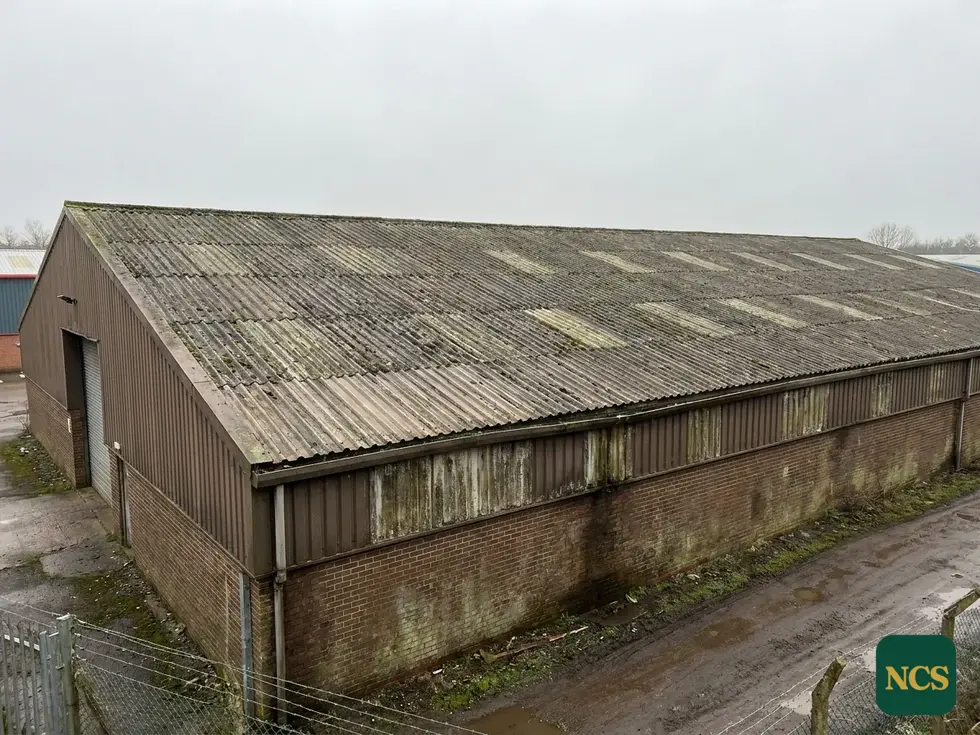
East Yorkshire’s commercial stock leans industrial. Around the port and along the estuary you find large-span warehousing and processing buildings, most with profiled metal or asbestos cement roofs. The estates north and west of the city centre add portal-frame units, trade counters and offices with felt or single-ply flat roofs, while older brick-built premises in the city itself often carry asphalt or built-up felt that has been patched many times over.
Salt air accelerates cut edge corrosion on metal sheeting, and on this coast it is the most common defect we are asked about. Caught early, it is treatable and coatable. Left for years, it eats through the sheet ends and the conversation changes from coating to replacement.
Honest limits: roofs we will not coat
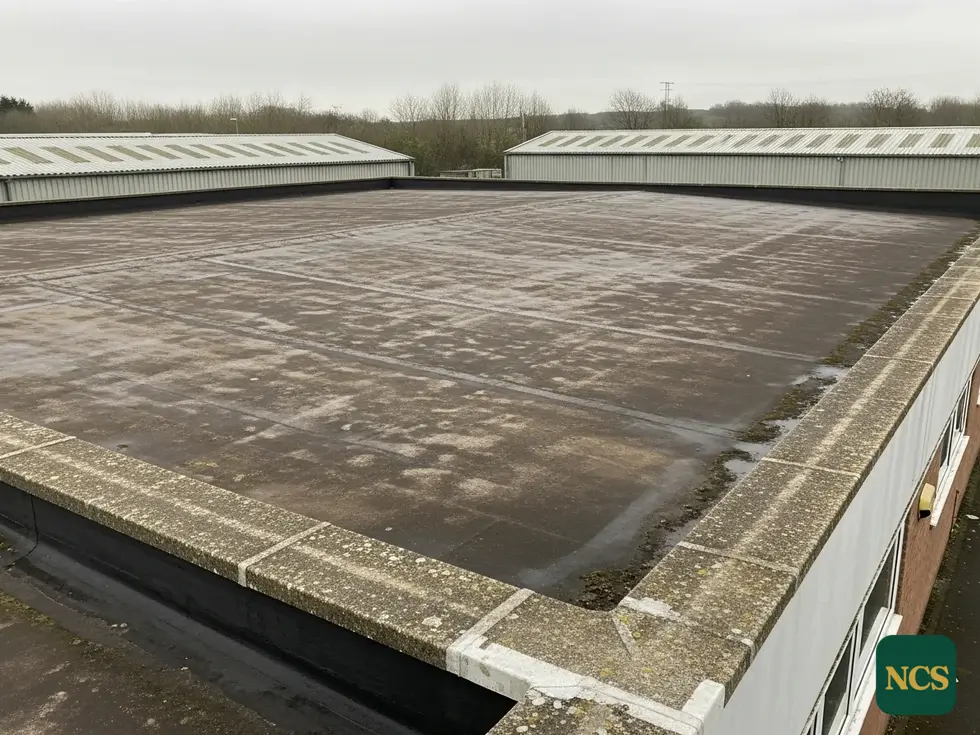
Some roofs are past the point where a coating is honest work. We decline to coat where:
- Insulation in the roof build-up is already saturated
- The deck or sheet body is corroded or rotted through
- Fixings have failed so widely that the roof needs re-securing or re-sheeting
- Ponding is caused by structural deflection that a membrane cannot correct
- The roof is simply at the end of its life and replacement is better value
If a survey finds any of these, the report says so and sets out the alternative. Sealing moisture into a failing roof helps nobody, least of all the business underneath it.
How a survey-led job runs in Hull
It starts on the roof, not in a brochure. We inspect the substrate, seams, fixings, rooflights, gutters and outlets, and check for trapped moisture, then issue a written, photographed report with a recommendation. If that recommendation is a coating, the specification names the system, the preparation steps and the detailing for every junction, so you can compare it line by line against any other quote.
Application follows the manufacturer’s requirements for thickness, temperature and curing, with the work programmed around your operating hours where access allows. From Hull we also take in Beverley, Hessle, Cottingham and Goole, which suits operators with units spread along the Humber bank or across the East Riding.
Choosing a contractor for the long term
A coating’s performance is decided before the first coat is applied: in the survey, the preparation and the match between system and substrate. Contractors who skip those stages can undercut on price because they are not doing the work that makes the membrane last. A survey-led contractor gives you the opposite deal: a slower start, a documented roof, a specification you can hold us to, and a finished surface that has every chance of seeing out its expected service life in estuary conditions. For Hull businesses with stock, machinery or tenants under the roof, that is the only sensible way to buy this kind of work.