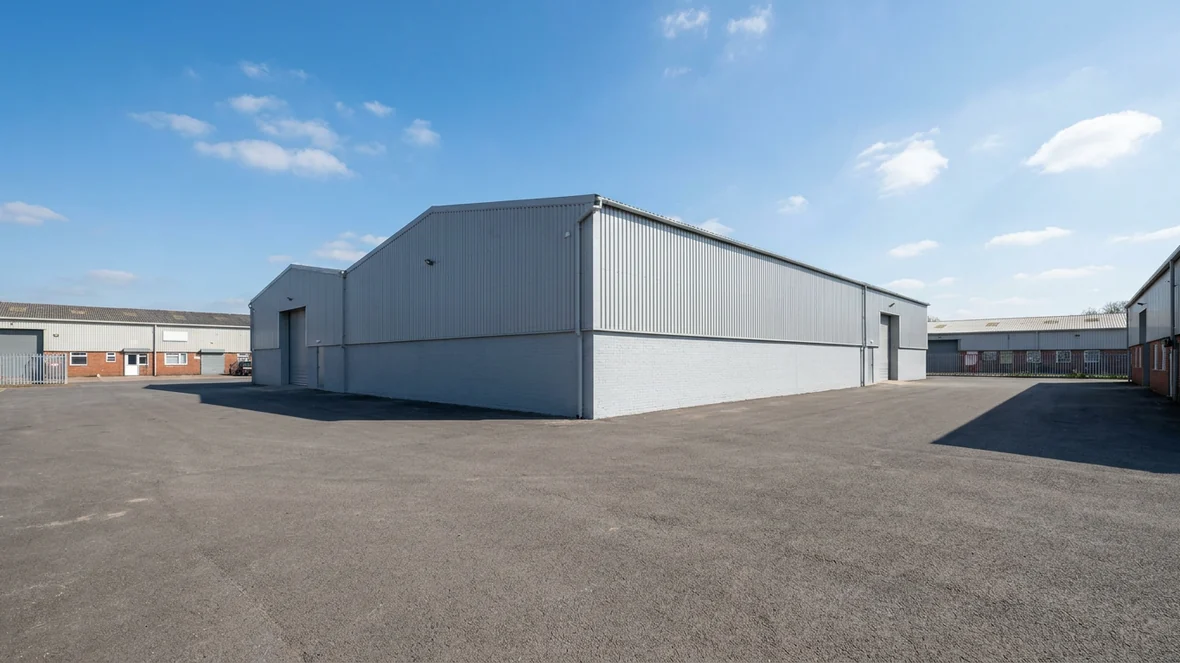
Commercial wall coating in Kingston upon Hull
Hull’s walls live with the Humber. Salt-laden air off the estuary, flat exposed approaches and long wet winters all work on commercial elevations here in a way that inland cities rarely match. Commercial wall coating in Kingston upon Hull therefore has to begin with a hard look at what the estuary climate has already done to the substrate, because putting a new system over salt contamination, blown render or saturated brickwork simply wastes the building owner’s money. We are a survey-led contractor: the inspection comes first, the specification comes from the inspection, and the price comes last.
Honest notes on Hull’s commercial building stock
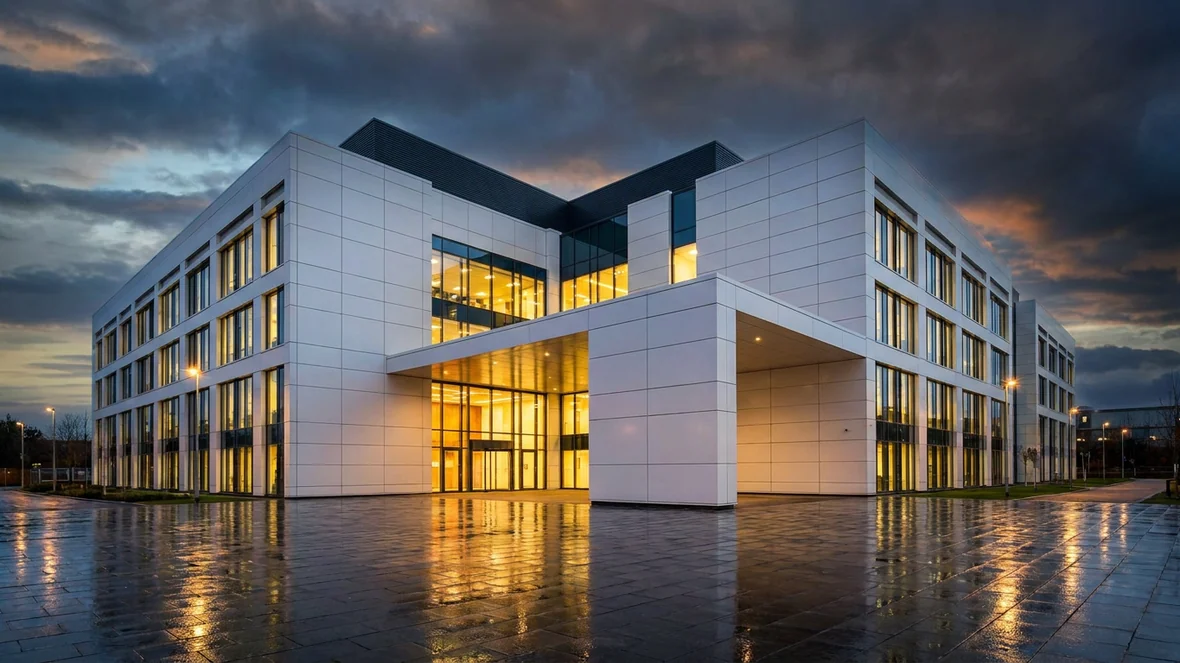
The city’s stock tells its history. Hull was rebuilt extensively after wartime damage, so alongside the surviving Victorian brick of the Old Town and the dockside fringe there is a large amount of mid-twentieth-century construction: rendered offices, concrete-framed blocks and post-war retail parades. Further out, the industrial corridors carry steel-framed units with masonry and rendered elevations. In general terms, a coating enquiry in this part of East Yorkshire tends to involve buildings such as these:
- Victorian and Edwardian brick buildings still in commercial use
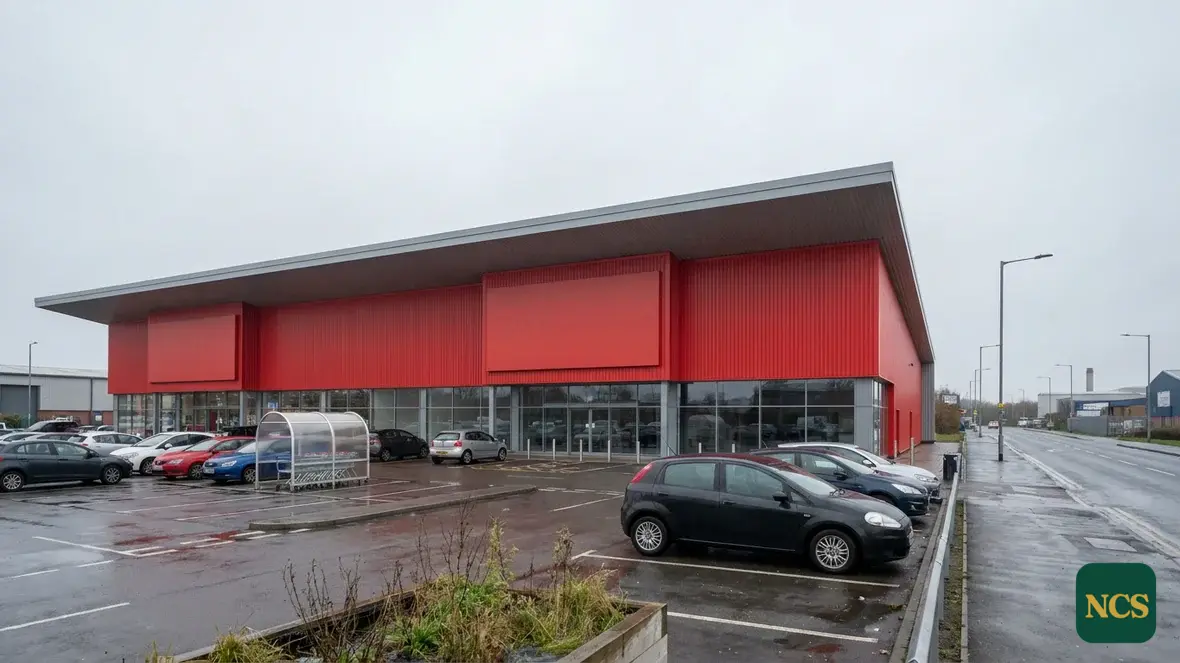
- Post-war rendered offices, parades and depots
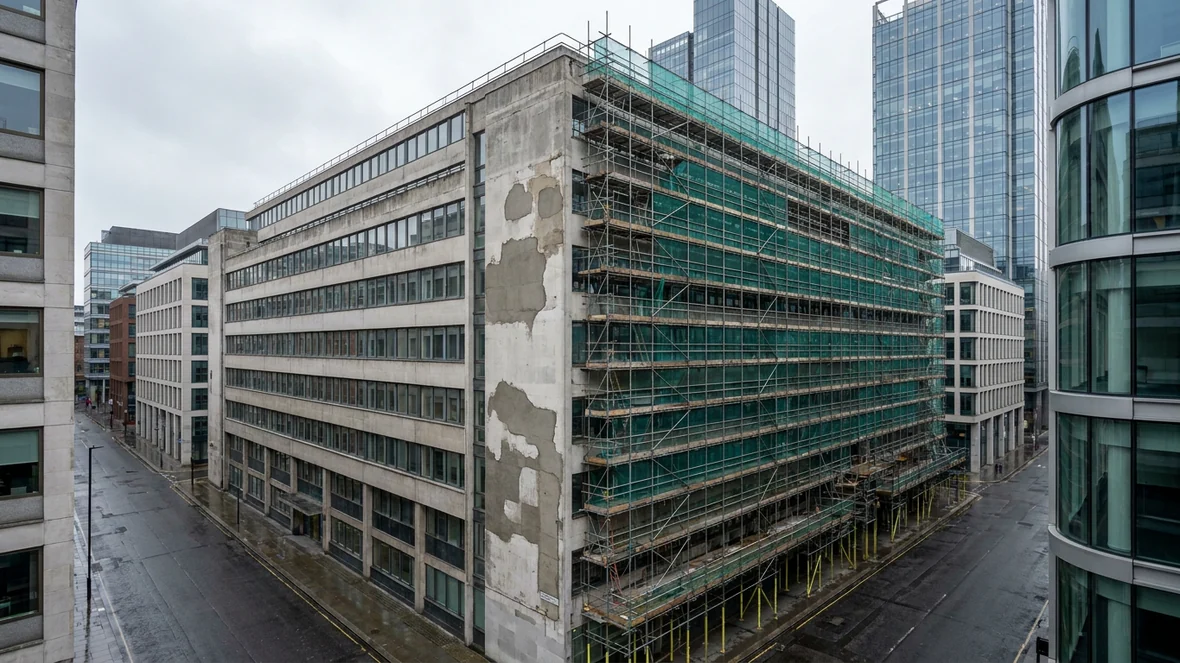
- Concrete-framed mid-century blocks with weathered elevations
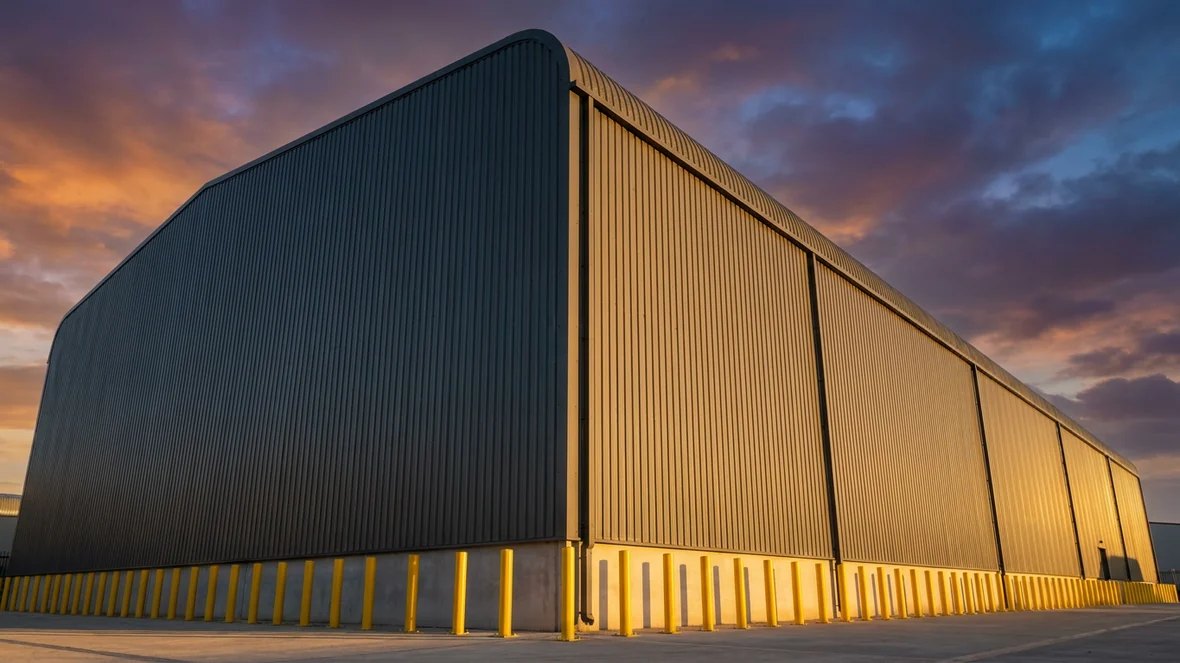
- Industrial and trade-counter units along the estate corridors
- Mixed-use buildings with flats above commercial ground floors
Each of those behaves differently under coastal exposure, which is exactly why no two specifications should read the same.
How a survey-led project runs here
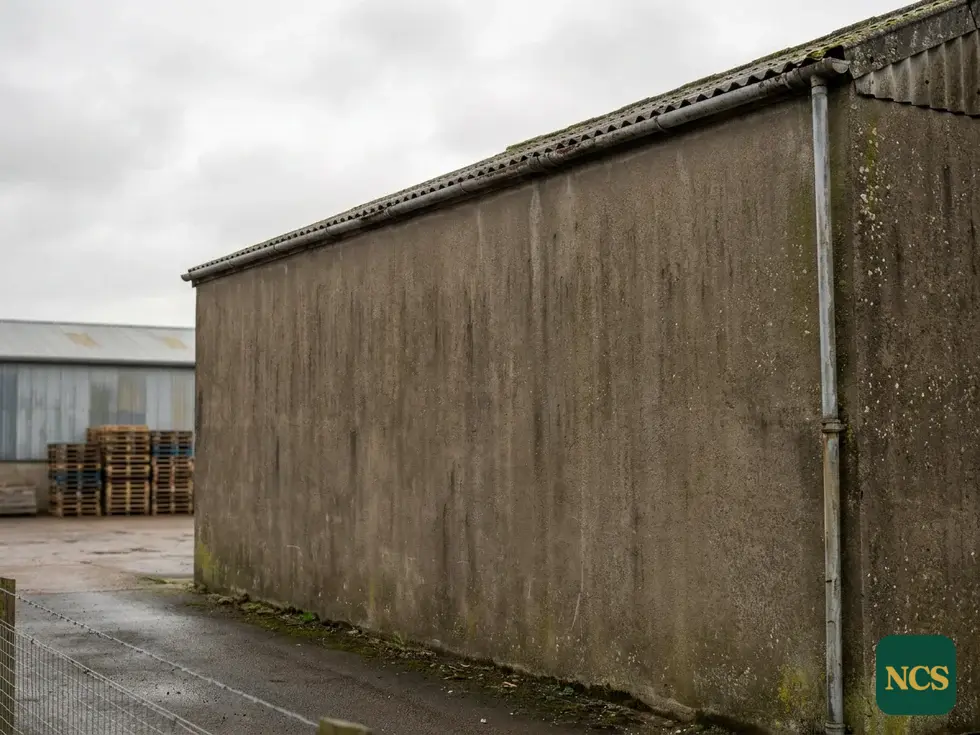
We start on site, not on the phone. The survey covers moisture readings through the affected elevations, checks for salt contamination and spalled brick faces, tap-testing of render to find hollow or detached areas, and a proper search for the cause of any staining, green growth or internal damp. The findings go to you in writing, with preparation, repairs and the proposed coating system set out as separate items so you can see what you are paying for and why.
Application is then planned around realistic weather windows rather than a calendar promise, because coastal conditions on the Humber do not respect schedules. Surveys run across East Yorkshire and over the water into northern Lincolnshire, taking in Beverley, Hessle, Cottingham and Goole alongside Hull itself.
The cases where coating is the wrong call
We turn work away when the wall tells us to. Cracking that follows a structural pattern needs an engineer’s eye before any decoration. Corroded wall ties in older cavity brickwork are a repair problem, not a coating problem. Damp tracking in from failed rainwater goods, defective copings or raised ground levels must be fixed at source, and heavy salt contamination needs treating before any film goes near the surface. Sometimes the right advice for a Hull building is repointing and nothing more. If that is what the survey shows, that is what the report will say.
Choosing a contractor for estuary conditions
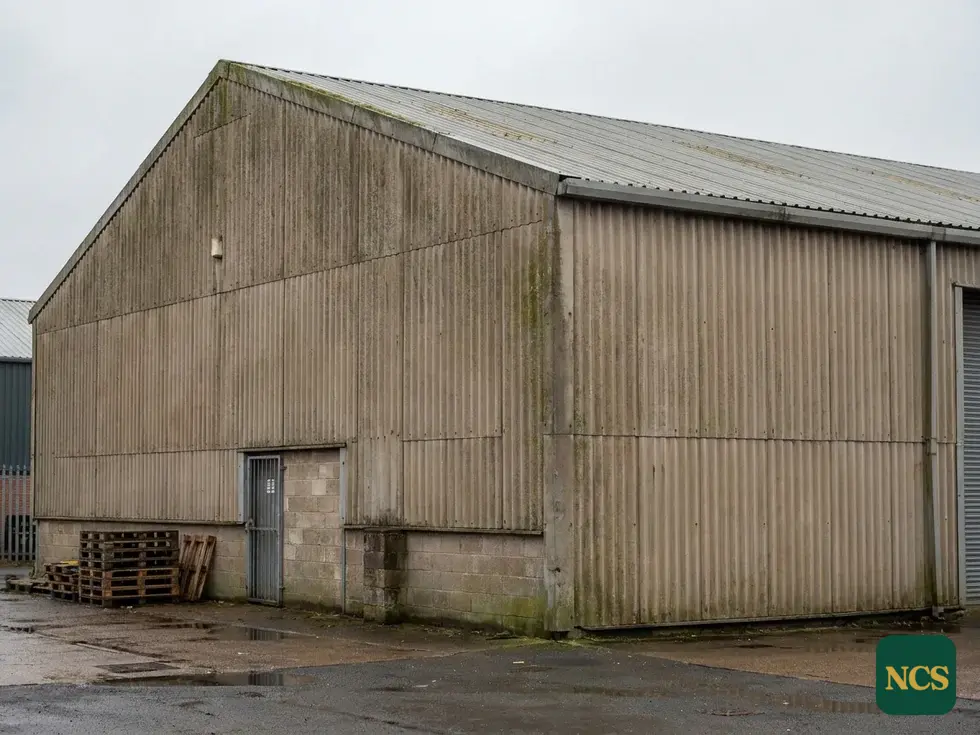
A survey-led approach earns its keep in a climate like this one. You get a written diagnosis rather than a guess, a system matched to the actual substrate rather than whichever product a salesman carries, repairs priced on their own line, and a contractor who will put in writing the cases where coating is not justified. For commercial owners and managing agents around Kingston upon Hull, that paper trail matters: it supports maintenance planning, satisfies lenders and freeholders, and means the decision to coat, or not to coat, rests on evidence gathered from your building rather than on a doorstep pitch.