Cladding spraying in Kingston upon Hull
Cladding spraying in Kingston upon Hull is shaped by the Humber. Salt-laden air off the estuary, exposed positions near the docks and long winters of wind-driven rain are hard on coated steel, and the results show across the city: faded elevations, chalky panels and the first orange traces of corrosion creeping along sheet ends and gutter lines. An on-site spray refurbishment addresses all three, renewing colour and protection without the cost and upheaval of recladding.
National Coating Specialists is a survey-led contractor. Before we price anything we inspect the building, because what a coating can achieve depends entirely on what it is going onto.
What a proper survey checks before anyone sprays
The survey concentrates on the substrate and the existing finish. We test how well the current coating is adhering, record chalking and fade, and map corrosion with particular care around cut edges, sheet laps, fixings and gutter lines, because in an estuary climate that is where trouble starts. We also note sealant condition and any previous overpainting, since both affect the specification.
You then get a written account in plain terms: what is sound, what needs repair, and whether coating the building is genuinely worthwhile. If it is, preparation follows, washing down, treating corrosion, priming bare metal and masking, before the new finish is sprayed in controlled, even passes and inspected with you at the end.
The buildings this usually involves around Hull
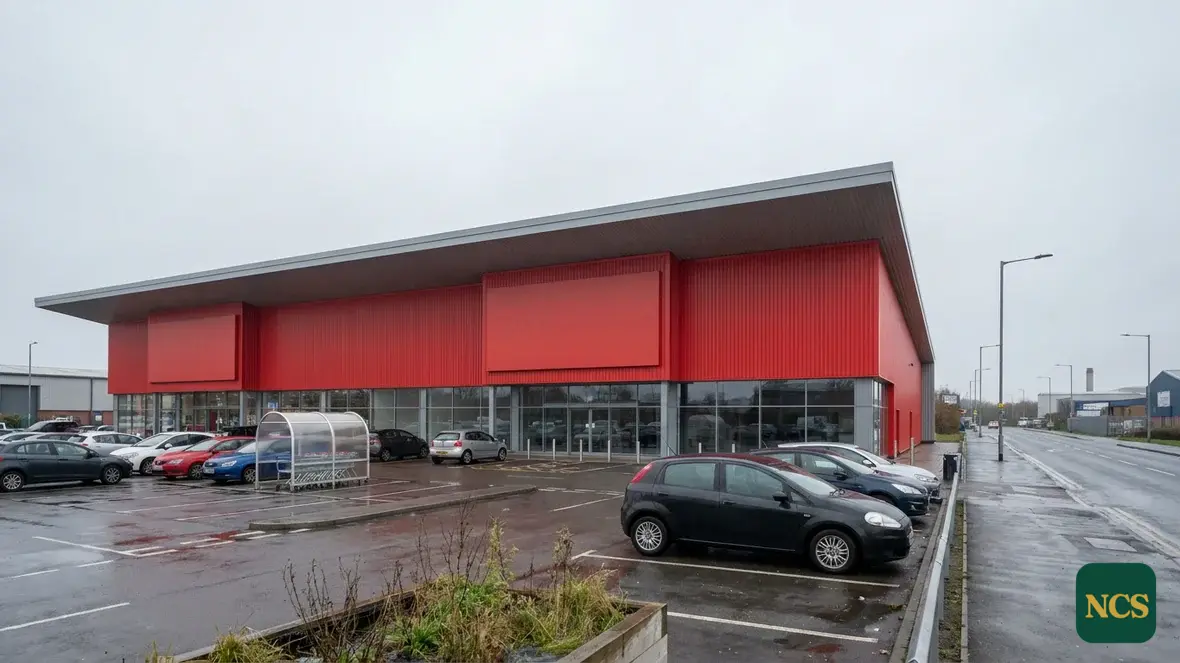
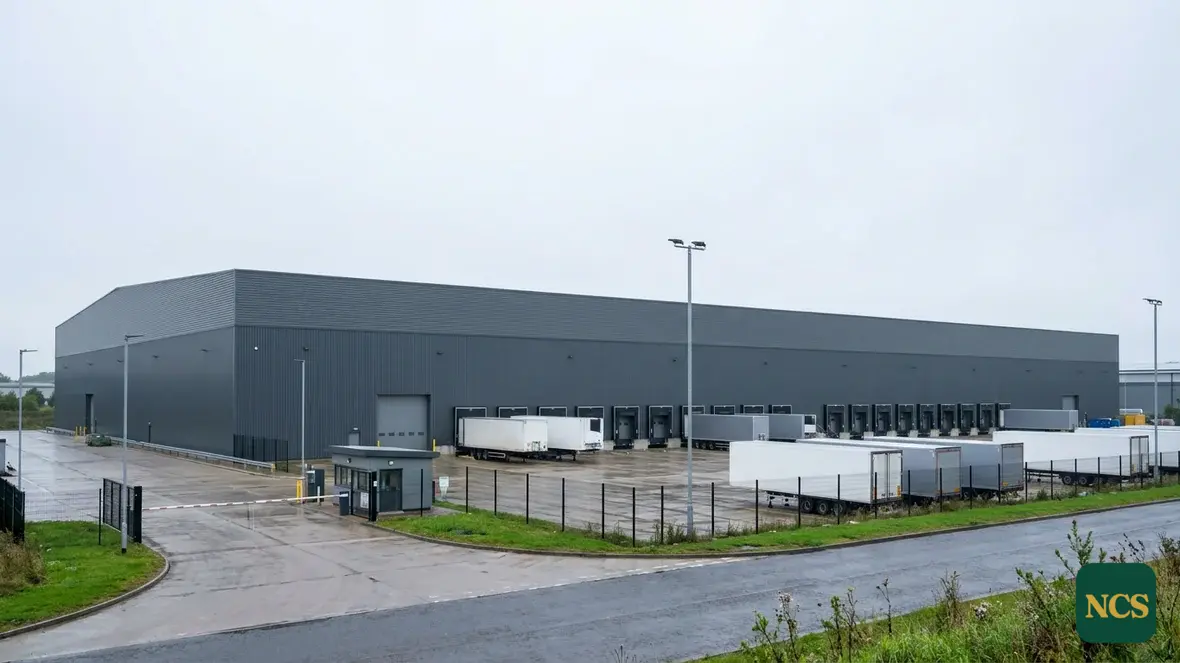
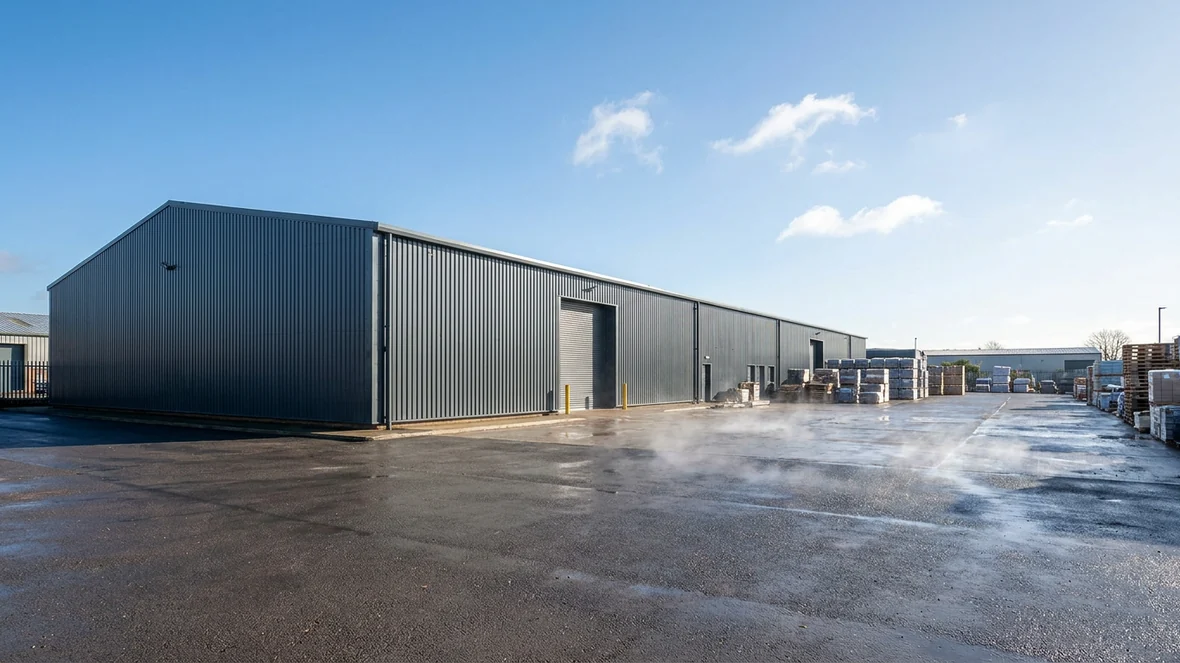
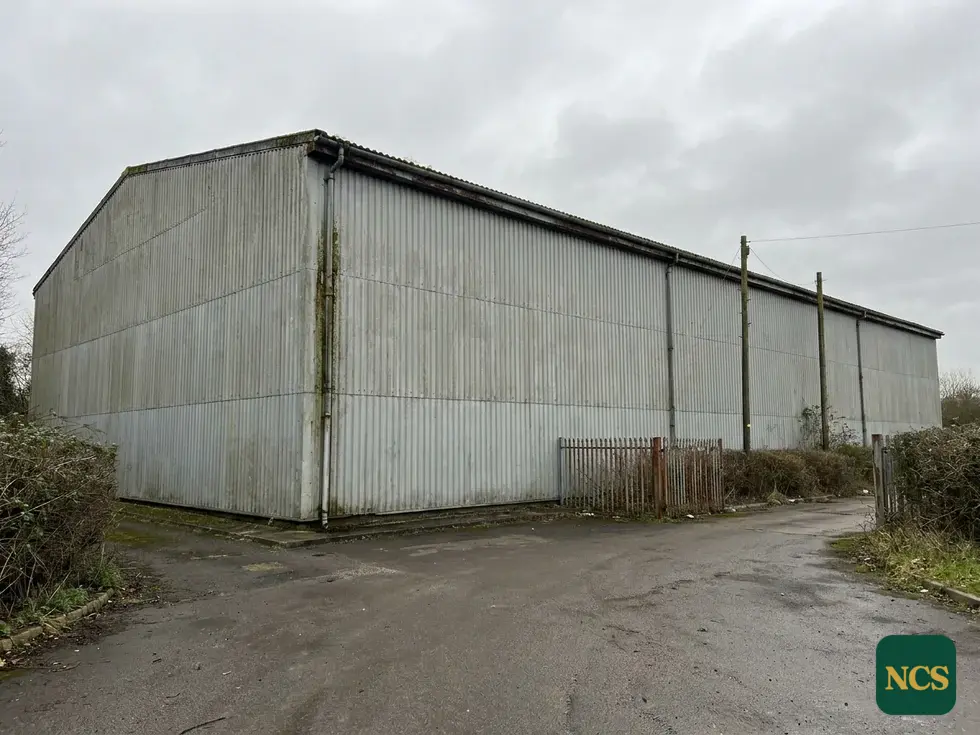
Hull’s economy has always been organised around the port, and its commercial stock reflects that: warehousing and distribution sheds near the docks, manufacturing units on the estates around the city, trade parks, retail sheds and offices with curtain walling or composite panels. Across East Yorkshire more widely the same construction repeats, profiled steel and sandwich panel buildings that were specified decades ago and have quietly weathered ever since.
All of these respond well to spray refurbishment when the substrate is sound. A full colour change at the same time is straightforward, which suits rebrands and changes of occupier, and ancillary metalwork such as doors, shutters and fascias can be coated to match.
Straight answers: when coating is not the fix
Some buildings should not be sprayed, and we would rather lose a job than coat one of them. The warning signs we look for include:
- Factory finish peeling or delaminating in sheets rather than weathering evenly
- Corrosion that has perforated panels or taken serious hold around fixings
- Sheets that are damaged, distorted or holding water
- Active leaks at laps, flashings or rooflights, which need repair before any coating
- Questions over a panel system’s fire performance, which no paint can answer
Where we find these, the report says so, along with what we think the sensible next step is, even when that step is not us.
Survey-led work, England-wide reach
We are based in the South East and carry out cladding spraying across England. A survey visit to Hull can comfortably take in Beverley, Hessle, Cottingham and Goole on the same trip, which works well for landlords and facilities teams running several sites along the estuary. Wherever the building is, the sequence does not change: inspect first, report honestly, specify properly, then spray.
The case for buying the work this way is straightforward. A contractor who has tested the adhesion and mapped the corrosion is specifying from evidence; a contractor pricing from a photograph is guessing. If you have a clad building anywhere in Kingston upon Hull or East Yorkshire that is looking tired, start with the survey. It is the least expensive part of the project and the one that protects every pound spent after it.