A defect built into the way the sheets are made
Cut edge corrosion is not a sign the roof was badly built. It is a consequence of how profiled steel sheets are produced. They are coated on a continuous line, then cut to length, and that cut slices through the galvanising and the coloured finish at both ends of every sheet. The result is bare steel at the sheet ends and along the side laps, on a roof that otherwise looks sound. Across the industrial buildings of Kingston upon Hull, this is the most common reason a coated metal roof starts to fail from the edges inward rather than the middle out.
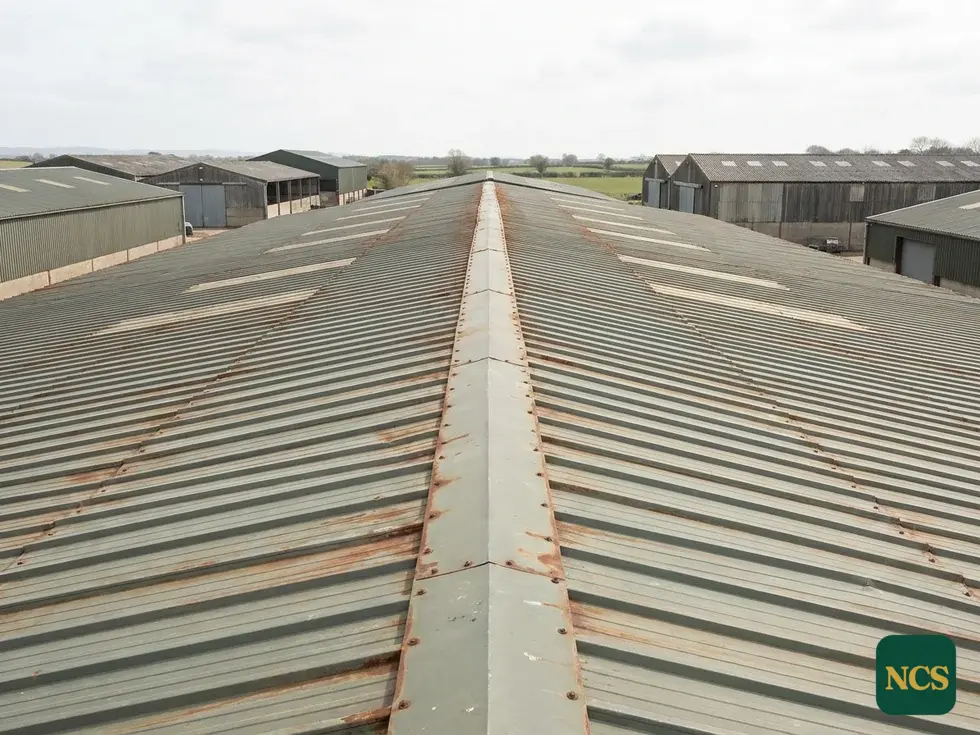
The face of the sheet stays protected for a long time. The cut edge cannot, because no coating covers a line created after the coating went on. Moisture reaches the steel, rust forms, and crucially it creeps back under the coating, lifting it away as the corrosion front advances. The visible brown line is only the part that has already broken the surface.
The Humber atmosphere works against metal roofs
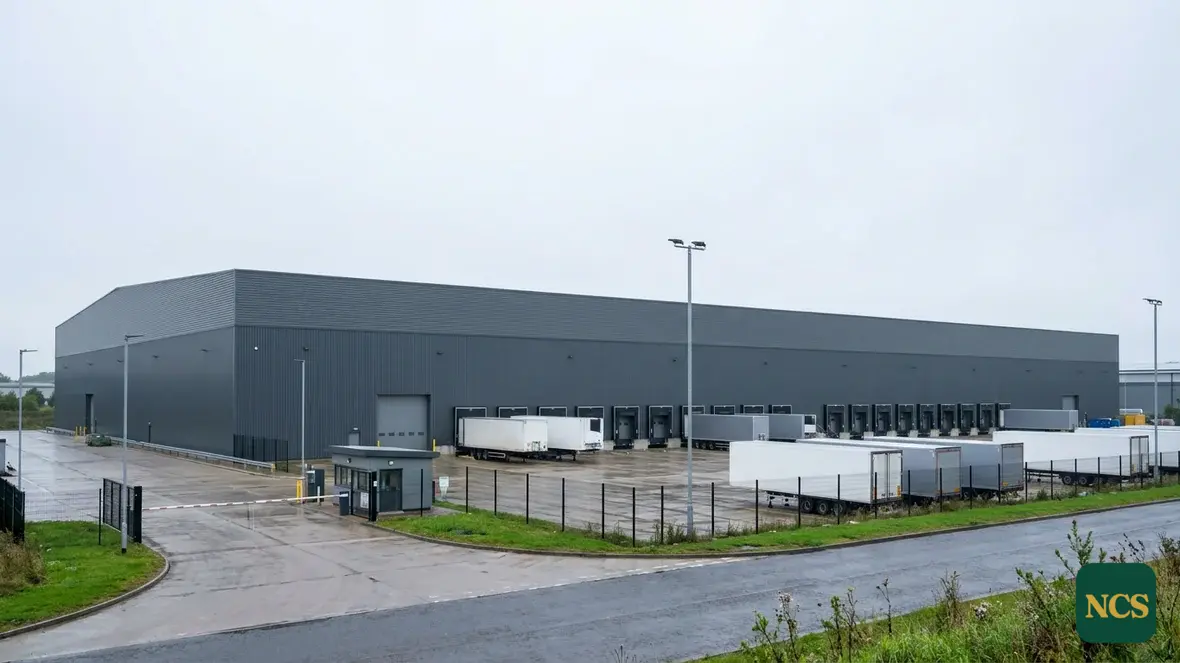
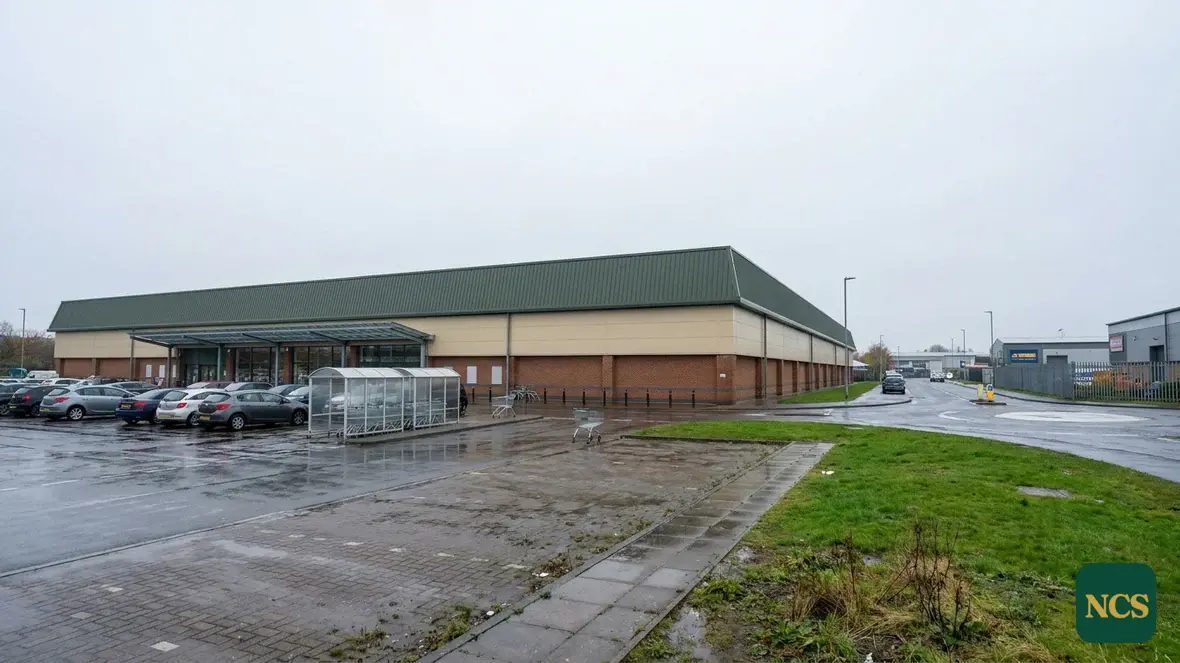
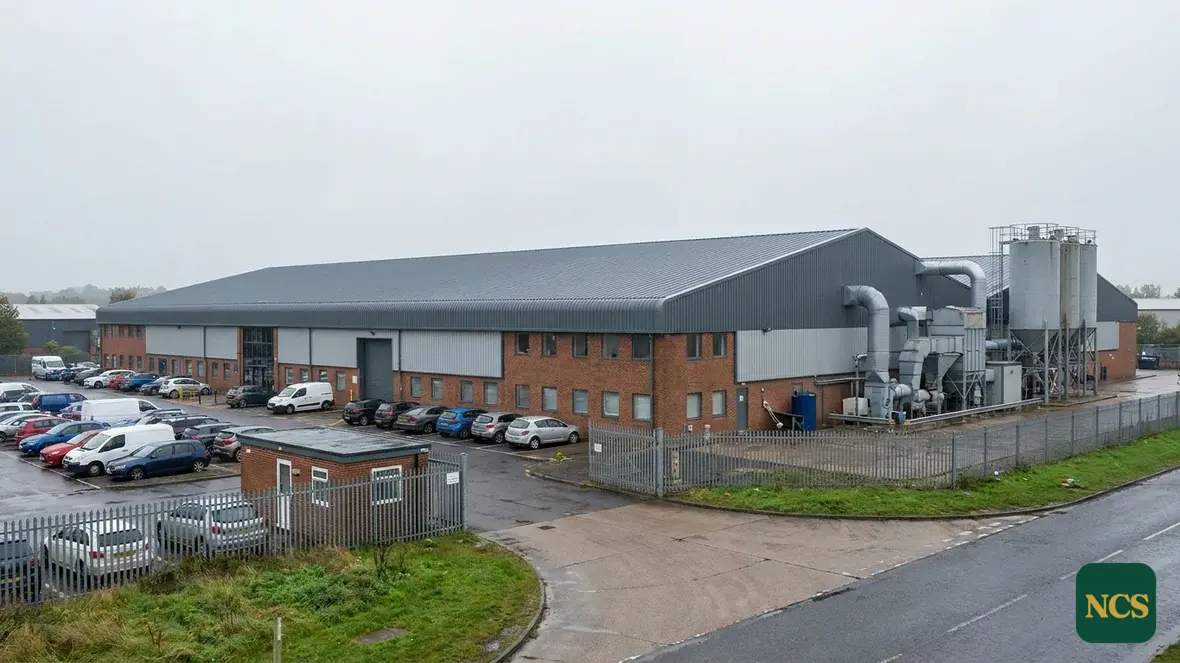
Hull sits on the Humber, and a dockside, estuary atmosphere is hard on exposed steel. Salt carried off the water combines with the industrial air around the port to keep the sheets damp and chemically active, so corrosion at the edges tends to start sooner here than on a comparable unit well inland. Add wind-driven rain pushing into the overlaps, where capillary action holds water in the joint, and the laps become the first and worst casualty. Older warehouses and dockside units across Hull frequently show edge rust well before the rest of the roof gives any trouble.
Why treating it early pays
While the corrosion is shallow, treatment is a localised, low-disruption job. The edges are mechanically cleaned back to sound metal, then treated, primed and sealed with a flexible coating system designed to move with the sheet as it heats and cools. The roof stays in service and the building keeps working throughout. Once a sheet perforates, that route closes. No coating recovers a rusted-through sheet, so you move to replacement, with all the access, stripping and internal disruption that brings. The cost gap between an edge repair and a re-sheet is wide, and it grows every season the rust is ignored.
What a proper survey looks at
- The depth of rust at sheet ends, cleaned back to test for sound metal
- How far corrosion has crept under the coating at the laps
- Whether the underside of the sheet is rusting out of sight
- The condition of fixings and the gutter line
- Whether the sheet faces are also chalking and ready for coating
Our honest position when sheets are too far gone
We survey before we quote, and occasionally the findings cost us the job. If sheets are perforated, if rust has run a long way back under the coating, or if the hidden underside is corroding where no treatment reaches, we tell you straight. Coating over a failed sheet is wasted money that lifts again quickly. The honest options then are replacing the worst sheets and treating the rest, or an overlay if the roof as a whole has reached its end. Where the edges are failing and the sheet faces are fading too, handling the cut edges as part of a full roof coating is usually the better value, sealing the surface in a single visit. We are based in the South-East and work throughout England, and every recommendation for a Hull roof comes from what we actually find up there, not a standard line.