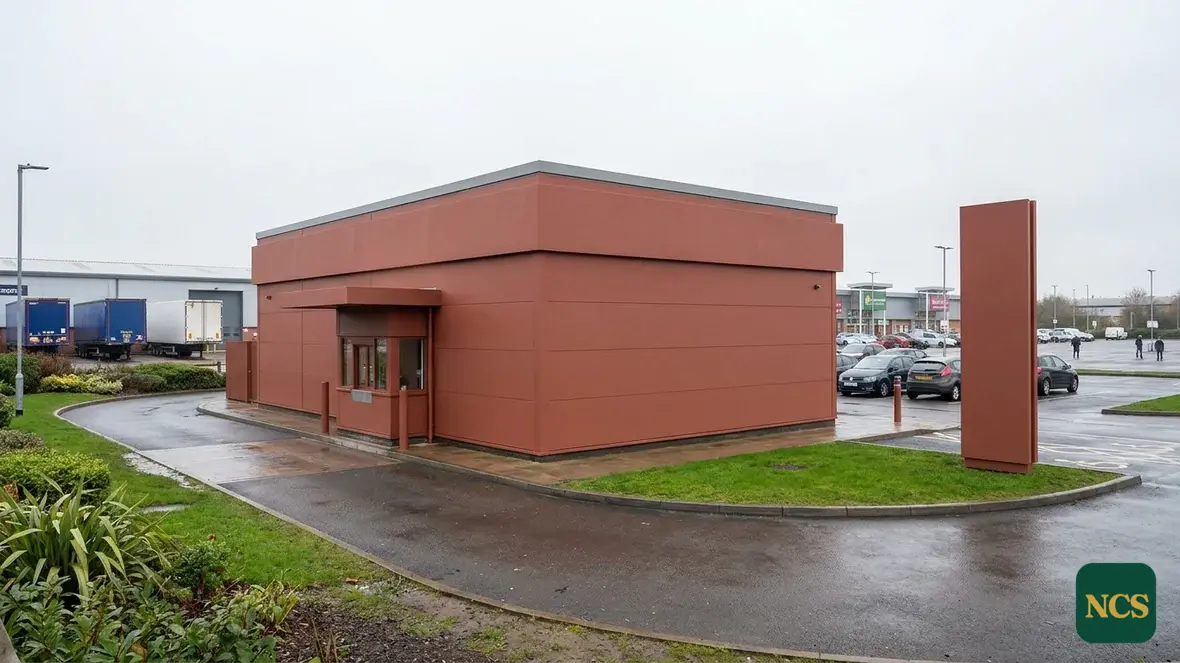




Durham sits in the north-east of the country, a cathedral city with mining heritage written across its wider county. The commercial buildings here rarely match the postcard. Behind the peninsula and the old colliery towns you find steel portal-frame units, rendered offices, brick parades and farm sheds, all weathering under the same hard northern sky. For commercial coating Durham presents a wide range of substrates, so we survey those buildings before we say a word about coating them.
National Coating Specialists works survey-led, so every enquiry across County Durham starts with an inspection and a written report rather than a figure plucked from the pavement. Sometimes that report recommends a coating. Sometimes it tells you plainly that repair or replacement is the right answer. Either way you get evidence, photographs and a recommendation you can challenge, which is the whole point of asking a contractor who looks before making a recommendation.
Durham’s building stock and the weather that ages it
The county is a patchwork of building types, and no single specification fits all of them. Durham’s historic core carries commercial stone and older brick, where a breathable approach, or no film at all, is usually right, and listed status can rule modern coatings out completely. Move out to the former colliery towns and you meet Victorian brick, post-war rendered offices and parades, and steel-framed units wearing masonry or profiled metal on the business parks. Public sector and education buildings add concrete decks and single-ply membranes. Older workshops and farm sheds still run under fibre cement and asbestos cement laid down long ago.
Weather is the constant that ages the lot. It drives in from the Pennines and off the coast to the east, salt drifting inland on the wind. Long wet winters and repeated freeze-thaw cycles work water into every tired render joint, open lap and cracked film, then freeze it and lever the surface apart a little more each winter. On steel roofs the cut edges, laps and fixings give first.
On masonry it shows as spalled brick and blown render. On cement sheet it is a soft, moss-grown surface that holds the rain. Aspect and altitude matter too, a building on an exposed ridge above the Wear weathering faster than one tucked into a valley. Every substrate fails in its own way and needs its own prep, which is why we diagnose before we specify.
Roof systems for commercial coating Durham businesses need
Commercial roofs across the county take the brunt of that northern weather at their laps, fixings, flashings and sheet ends. Where the structure underneath is still sound, a liquid-applied membrane built over a properly prepared surface cures into one continuous layer that seals the roof and its details in a single skin, without the disruption of a strip-off and re-sheet.
Owners searching for commercial painters in Durham often expect a brush-and-roller repaint, but on a sound metal deck an airless-sprayed coating system seals the laps and fixings a repaint can never reach and holds up far better against the weather up here. That is the standard of commercial coating Durham property teams need from a roof system.
The catch is that it only works on the right roof, and the survey decides that, not the wording of your enquiry. We record the substrate, seams, fixings, rooflights, drainage and moisture, back it with photographs, and put the recommendation in writing. Our commercial roof coating service runs the same way on every job, sequenced so the building below stays open for business while we work.
Commercial wall coating in Durham
Masonry here is tested hard by the freeze-thaw grind. Water gets into a wall through tired render, open joints or cracked paint, freezes, expands and breaks the surface further each winter. A wall coating stops that water getting in, but only when we understand the wall first, so every enquiry starts with an inspection of the substrate, moisture readings across the elevations, frost damage, and the copings, sills and rainwater goods that let water through. The survey establishes whether the commercial coating Durham masonry needs is appropriate. Exterior painting on the wrong substrate does more harm than good.
Older Durham buildings often need to breathe, and a sealed film on stone can trap moisture exactly where freeze-thaw does the most damage. Structural cracking needs investigation, damp from defective gutters needs fixing at source, and hollow render must come off rather than be sealed over. When the survey points that way, our report says so plainly. Where a coating is right, our commercial wall coating work follows the repairs and the preparation, never the other way round.
Cladding spraying in Durham
Most of the county’s working buildings are steel-clad and strictly practical: units on the business parks, industrial buildings in the former colliery towns, agricultural sheds towards the upland fringe, and trade space along the road corridors. The northern climate marks all of them the same way, with colour fade and chalking on the exposed faces, orange staining at sheet ends, algal growth on shaded north elevations and streaking below the gutters. Enquiries reach us as cladding painting, respraying or refurbishment, and they point at the same faded elevation.
None of that automatically means replacement. Where the substrate is sound, a spray refurbishment restores colour and protection after the building is washed down, corrosion treated, bare metal primed and everything else masked. Where the factory finish has delaminated wholesale, the sheets are corroded through or panels are loose, we will not spray over it, and the report explains why. Fire performance is a hard limit no paint changes, and anyone who implies otherwise is selling rather than advising. Our cladding spraying service starts with adhesion testing and corrosion mapping to establish the commercial coating Durham cladding needs before any finish is chosen.
Industrial roof coating in Durham
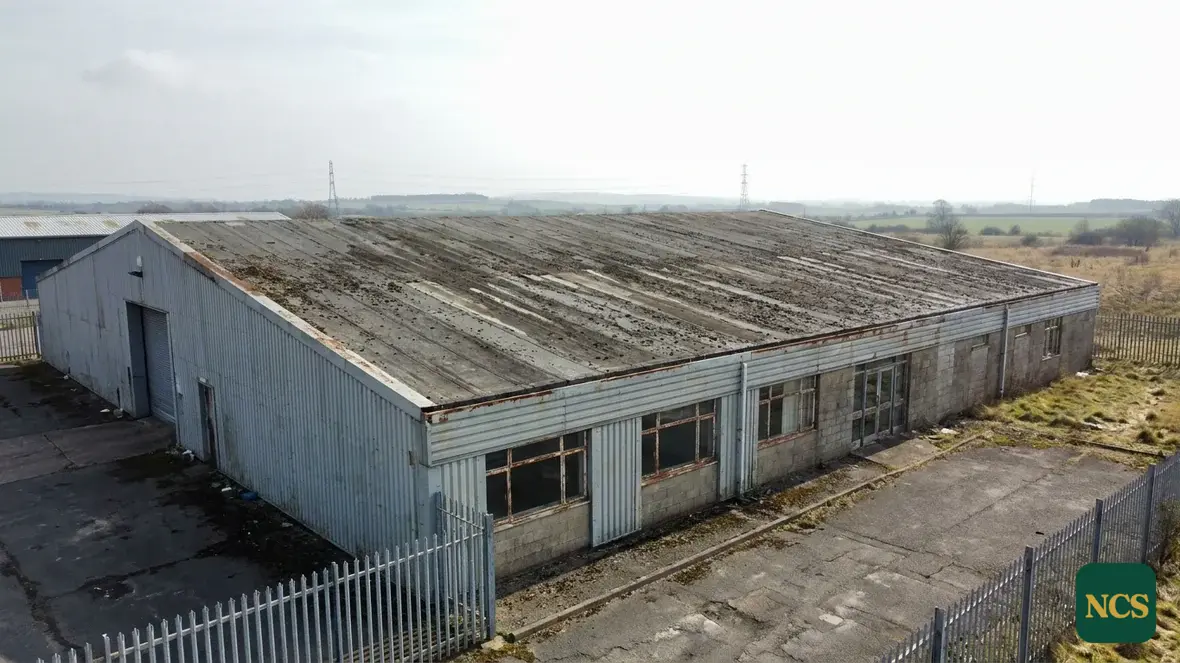
Industrial estates in County Durham have worked hard for decades, and the portal-frame units, factories and storage sheds on them are mostly roofed in profiled metal, many on their second or third tenant. A failing roof on one of these rarely needs stripping. Coating a sound deck with a proper liquid system keeps the building weathertight and working, and resets the clock on a finish that has chalked, faded and thinned along the ridges and exposed elevations. Facilities teams looking for industrial painting contractors are usually better served by a survey-led coating crew than by a general decorator.
The first thing we check is the cut edges, because that is where corrosion starts on an ageing metal roof. Edge rust that has lifted a strip of coating is routine, treatable work. Rust that has eaten into the lap and weakened the sheet end is not, and we will say so. Widespread perforations, waterlogged insulation or ponding from structural movement all rule a coating out, and that judgment goes in writing so an estates team can budget for replacement with evidence behind it. This establishes whether the commercial coating Durham industrial roofs need is suitable. Our industrial roof coating work always follows the roof survey, not the order book.
Cut edge corrosion treatment in Durham
Cut edge corrosion is the fault the northern weather finds first on a steel roof. When sheets are cut to length the raw core of the steel is left exposed, and the coating on the face does nothing to protect it. Rust starts at that edge, then travels back under the coating and peels it away from the metal.
The laps draw in water by capillary action and hold it against the bare steel, so the joint never properly dries, and frost levers the loosened coating away each time trapped moisture freezes. A defect that looks stable from the yard can move a long way up the sheet within a few winters.
Caught early, the repair is contained: prepare the corroded edges back to bright steel, prime them, seal the laps and apply a flexible band made for sheet ends, all while the building below carries on. Left alone, the steel thins until it perforates, and then treatment is off the table and sheet replacement is on it, with the access and disruption that brings. Where the wider finish is chalking and brittle, combining edge treatment with a full roof coating usually beats doing the same access twice. Our cut edge corrosion treatment follows a survey that maps how far the rust has actually travelled.
Asbestos roof encapsulation in Durham
Plenty of County Durham’s older units, workshops, garages and farm sheds were roofed in corrugated asbestos cement decades ago, and many of those roofs are still in place, original and now seriously weathered. From the ground they can look unchanged over time while moss spreads across the laps, cement sediment collects in the gutters and cracks radiate from the fixings. Encapsulation seals structurally sound sheets in place, locking the fibres in and stopping the weathering, without licensed removal and its disruption.
It only works when the sheets are sound, and the survey decides that at close range, sheet by sheet. The survey establishes whether the commercial coating Durham asbestos cement needs is suitable. Brittle, delaminating or extensively cracked sheets, or a failing structure beneath, mean removal and replacement, and that is the advice we put in writing.
Where the material is a higher-risk product such as asbestos insulation board, the work needs an HSE-licensed contractor, and we identify that and step back rather than work around it. Under the Control of Asbestos Regulations 2012 the duty is to manage, not automatically to remove, and our asbestos roof encapsulation report is written to support that duty.
Agricultural building coating in Durham
Farming in County Durham splits between the lowland mixed holdings near the coast and the harder upland livestock country to the west, and the farm buildings reflect both. We survey cattle and sheep housing, silage and feed stores, machinery sheds and older general-purpose barns. Coated steel over a livestock building weathers from outside and from the humid, aggressive atmosphere of the stock below, so the cut edges, laps and fixings corrode first while the frame usually stays sound. Older sheds still wearing cement sheet weather to a porous, moss-grown surface that holds the frequent rain.
Timing matters as much as the specification up here. Stock buildings rarely stand empty, so we plan the work around the grazing season when the animals are out, and around the ventilation and washdown regime, then confirm the programme in writing. That determines the commercial coating Durham farm buildings need. Where cement sheets are intact, a cleaning and encapsulation system seals them and extends the roof’s life. Where they are cracked, holed or soft, that is a removal job for a licensed contractor, not a coating. Our agricultural building coating service gives each building on a holding its own verdict rather than a single figure.
Coat, repair or replace across Durham
Not every roof or wall should be coated, and saying so early is part of the job. We will tell you not to coat when the insulation is soaked, the deck or sheet body is rotted through, fixings have failed across the roof, or ponding is a structural problem rather than a blocked drain. Old, brittle fibre cement can be too dangerous to work on at all. On walls, structural cracking, damp bridging and hollow render all need dealing with before any coating makes sense.
- Coat when the substrate is sound and the failure is at the surface or the details.
- Repair when a few sheets or a run of pointing have gone but the rest has life in it.
- Replace when the roof is holed, soft underfoot or failing at the frame.
- Assess each building separately where a site holds several in different states.
A coating on a failed roof is only decoration on a failure, and it postpones replacement while adding another layer of work. That is why the recommendation always follows the survey, never the order book. Where the substrate is sound, which is what we usually find, coating is the practical route by a distance: no strip-off, no exposing the building during the works, and minimal disruption to whatever runs inside. You get the photographs and the reasoning either way, and the decision stays yours.
Recent projects from the same team
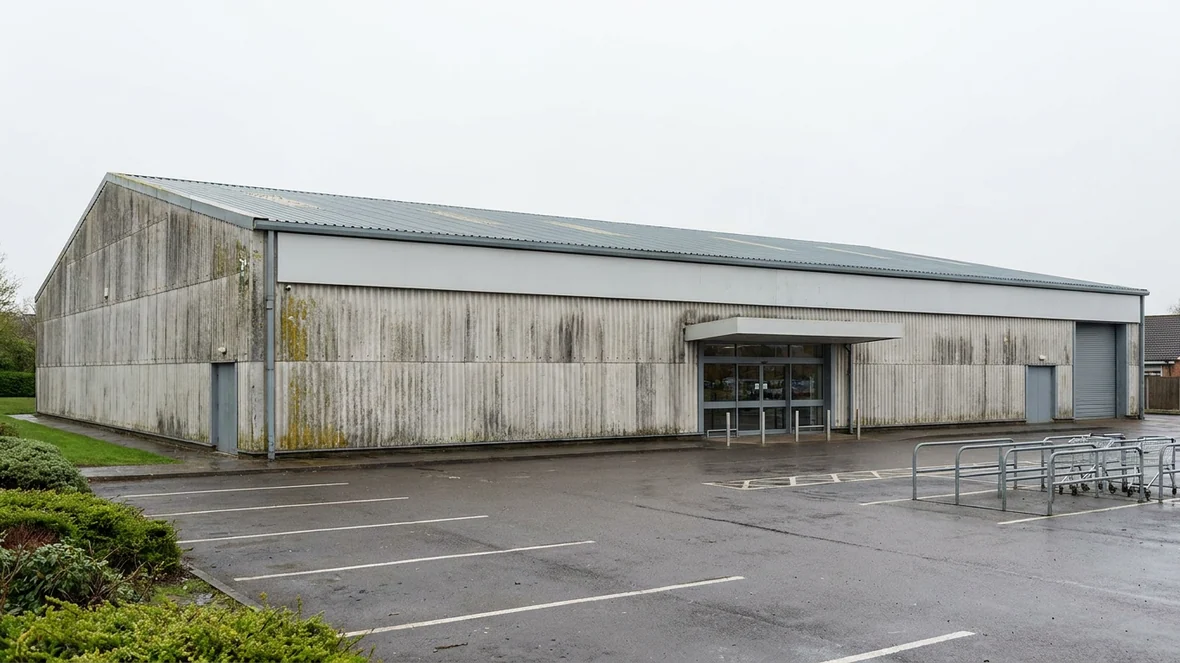
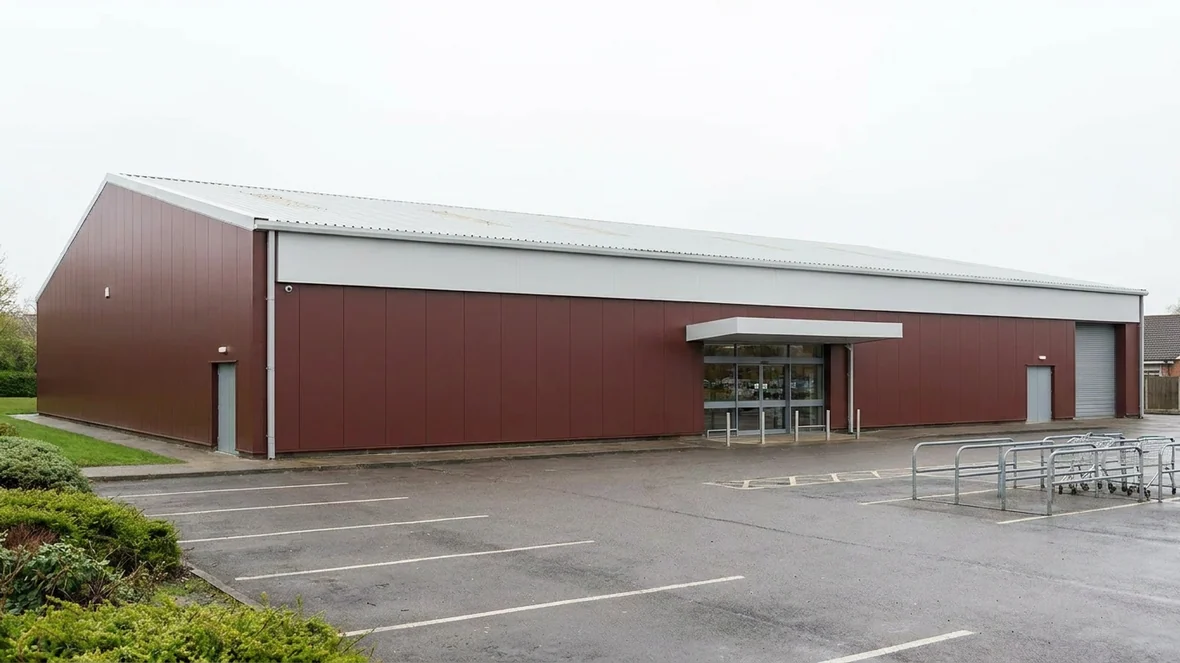
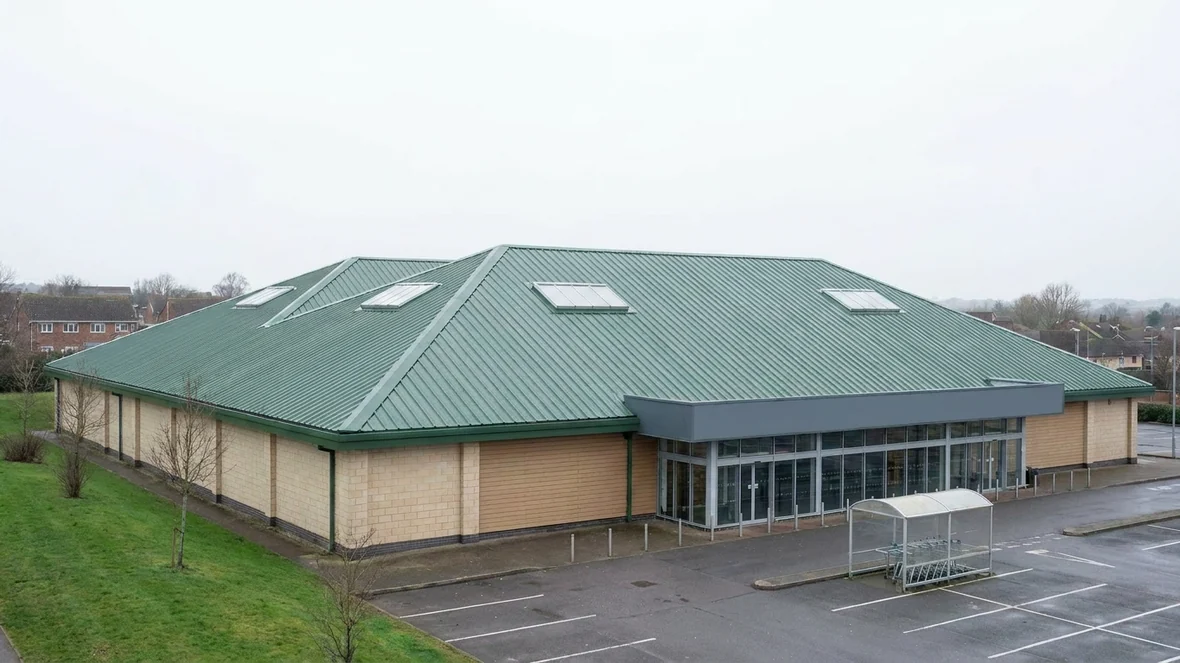
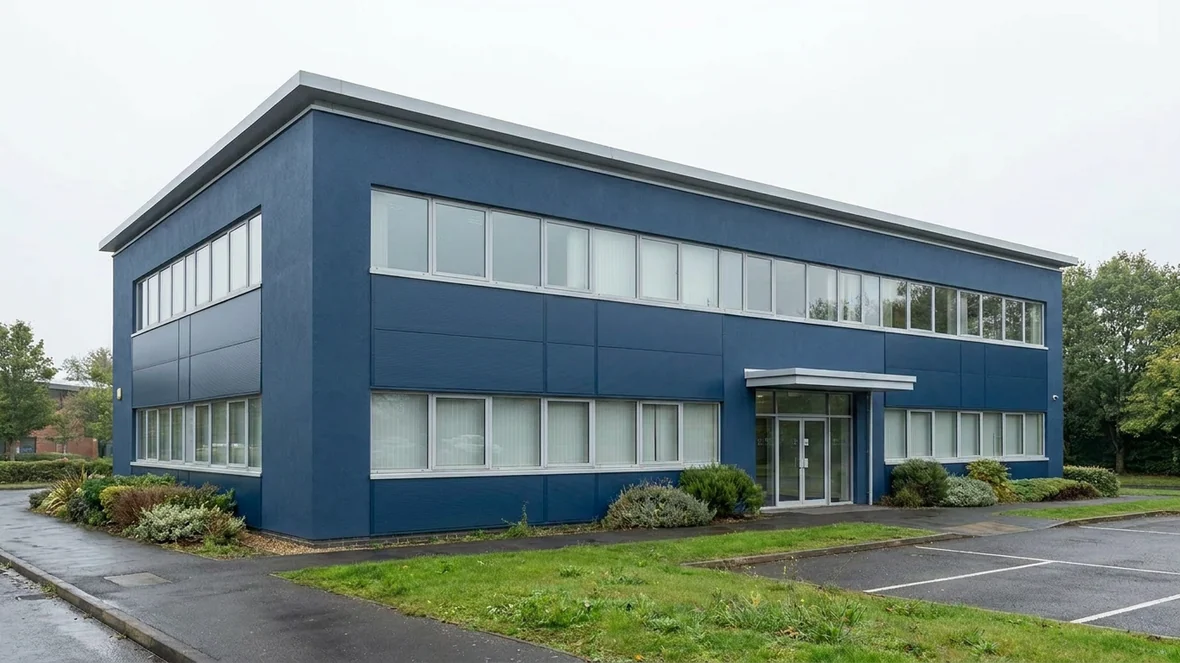
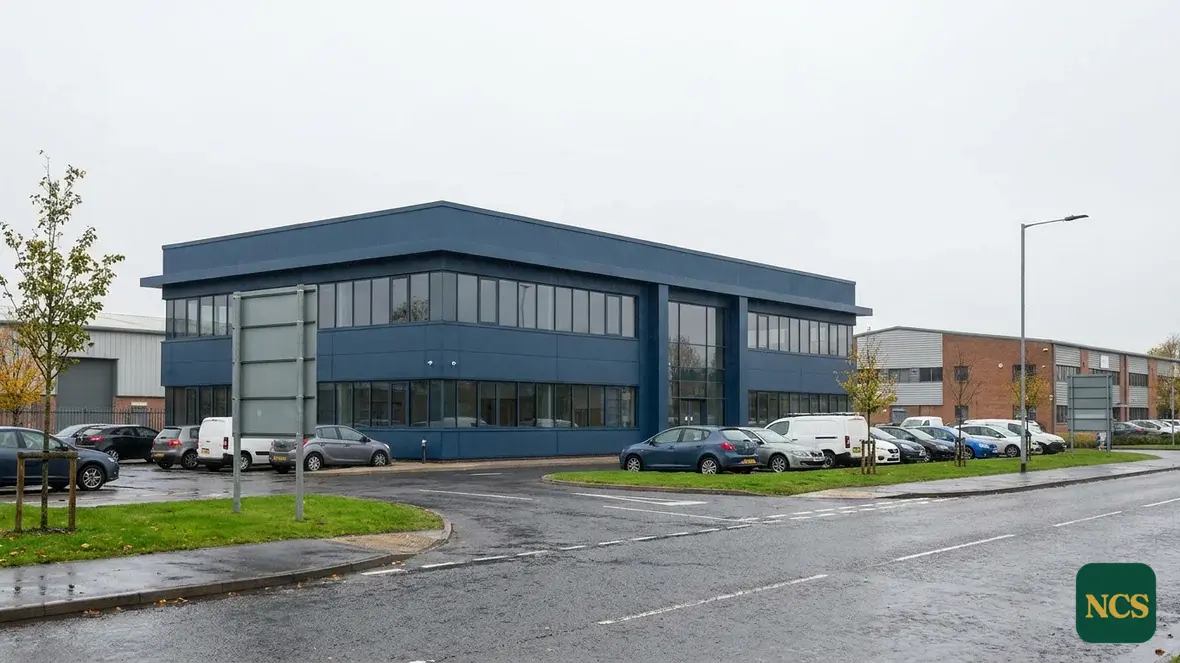
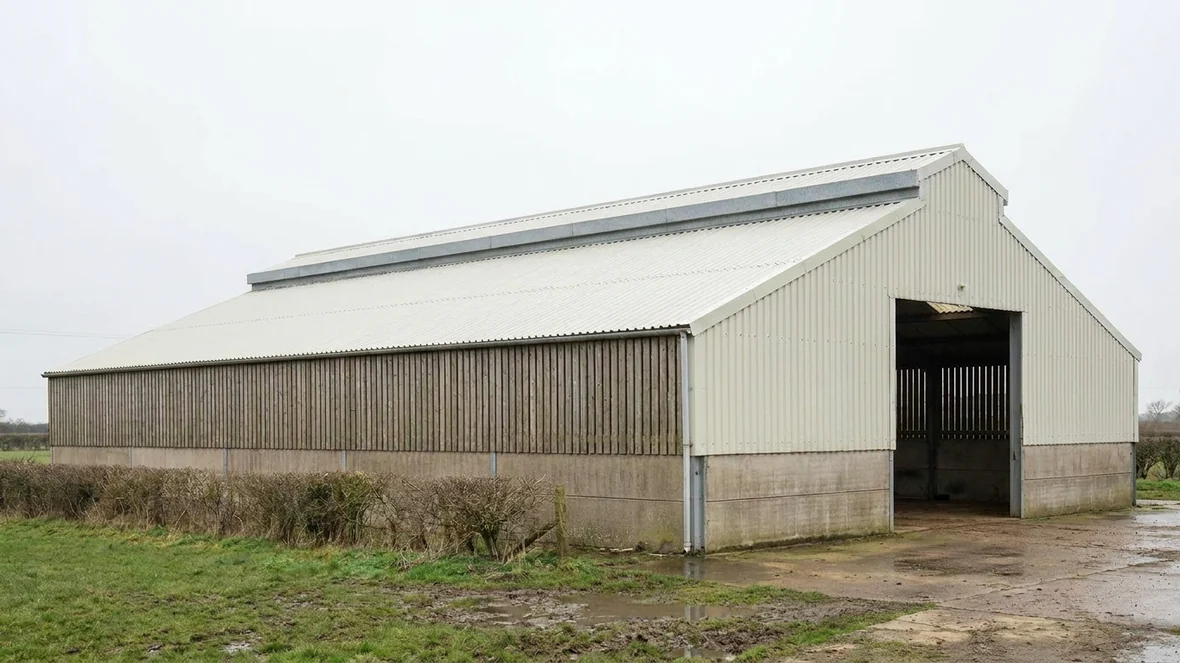
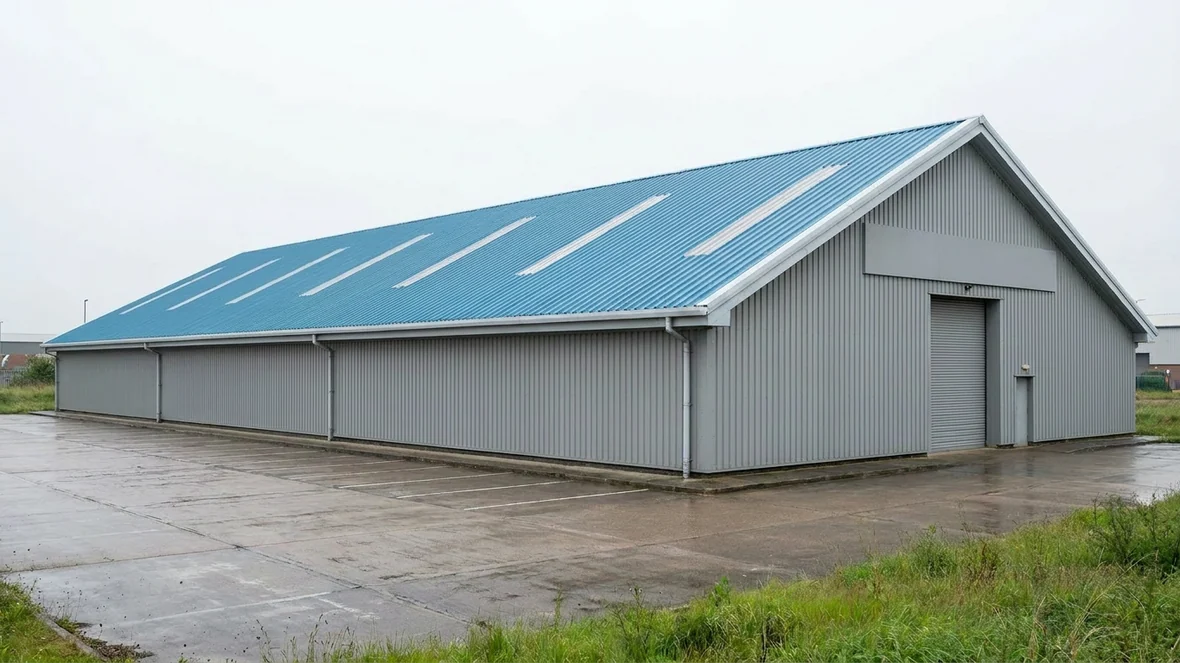
The photographs behind these jobs are our own, taken on buildings of the same type elsewhere in the north of the country. You can see a factory cladding respray, a distribution warehouse roof coating, a cut edge corrosion repair on a machinery store and an asbestos roof encapsulation on a distribution warehouse. None is dressed up as a Durham job it is not.
Booking a coating survey in Durham
A survey commits you to nothing. We get physically onto the roof or up the elevation, record the substrate, laps, fixings, rooflights, drainage and moisture, back it with photographs and hand you a written report with a clear recommendation. If the commercial coating Durham buildings need is the recommendation, it comes with a specification naming the system and the preparation. If it is repair or replacement, it says so, with the evidence to take to whoever holds the budget.
We are a survey-led contractor working across the north-east, and a survey trip to Durham routinely takes in Chester-le-Street, Sunderland, Darlington and Newcastle upon Tyne, so buildings spread between the Tees and the Tyne can be handled as one programme. If you look after property elsewhere in the region, our County Durham coating hub covers the wider county. Get in touch and we will book a survey on a date that suits the building and the season.
Recently — Summer
We coat roofs and cladding that still have life in them, and we say so plainly when one is past saving.
A summer survey gives us time to specify and programme the work before the wetter months make access and curing harder.
All access and roof work is planned in line with HSE work-at-height guidance.