



Farm Painters the Cotswolds
The Cotswolds’ working farms and rural estates face a constant battle against weathering, muck buildup, and ammonia damage to their buildings. Farm Painters the Cotswolds are called in when traditional maintenance methods can no longer protect barns, grain stores, and livestock housing from the region’s driving rain and winter freeze-thaw cycles. The combination of animal waste fumes and frequent pressure washing creates some of the harshest conditions for agricultural buildings in southern England.
Why farms across the Cotswolds need professional painters
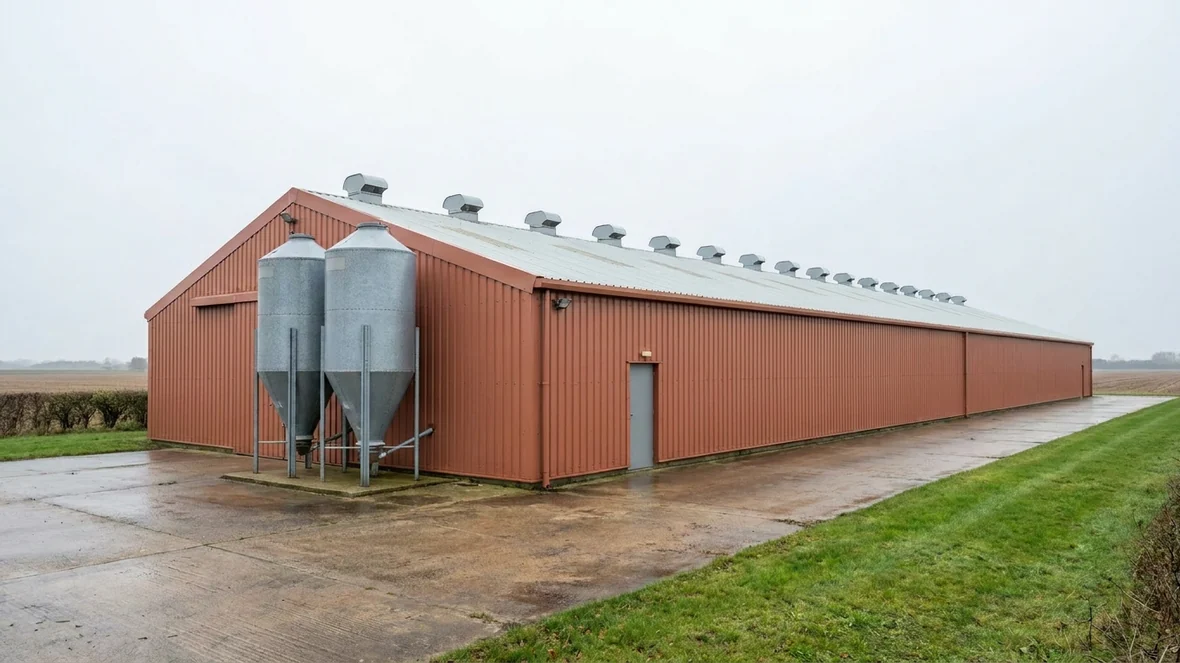
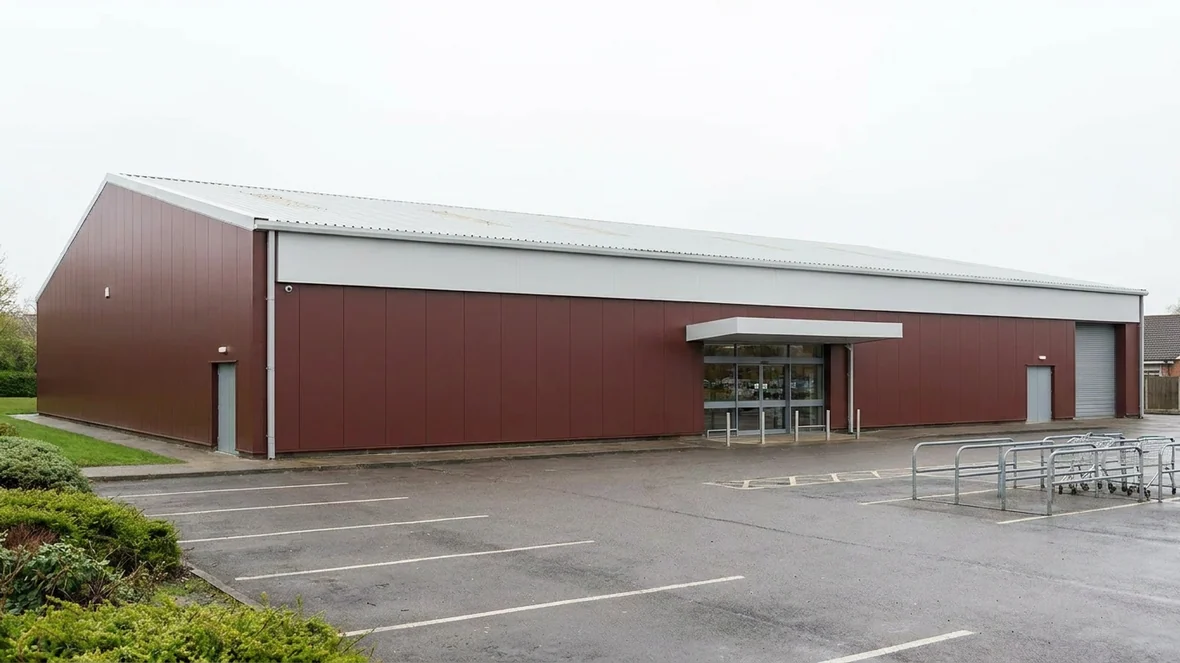
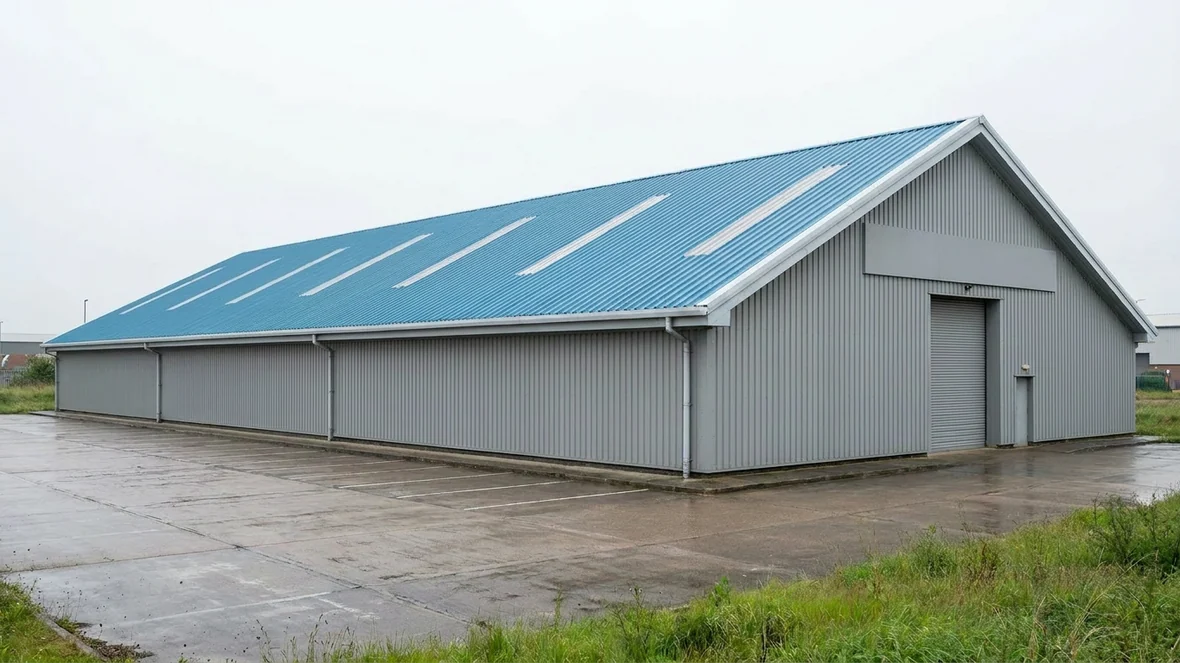
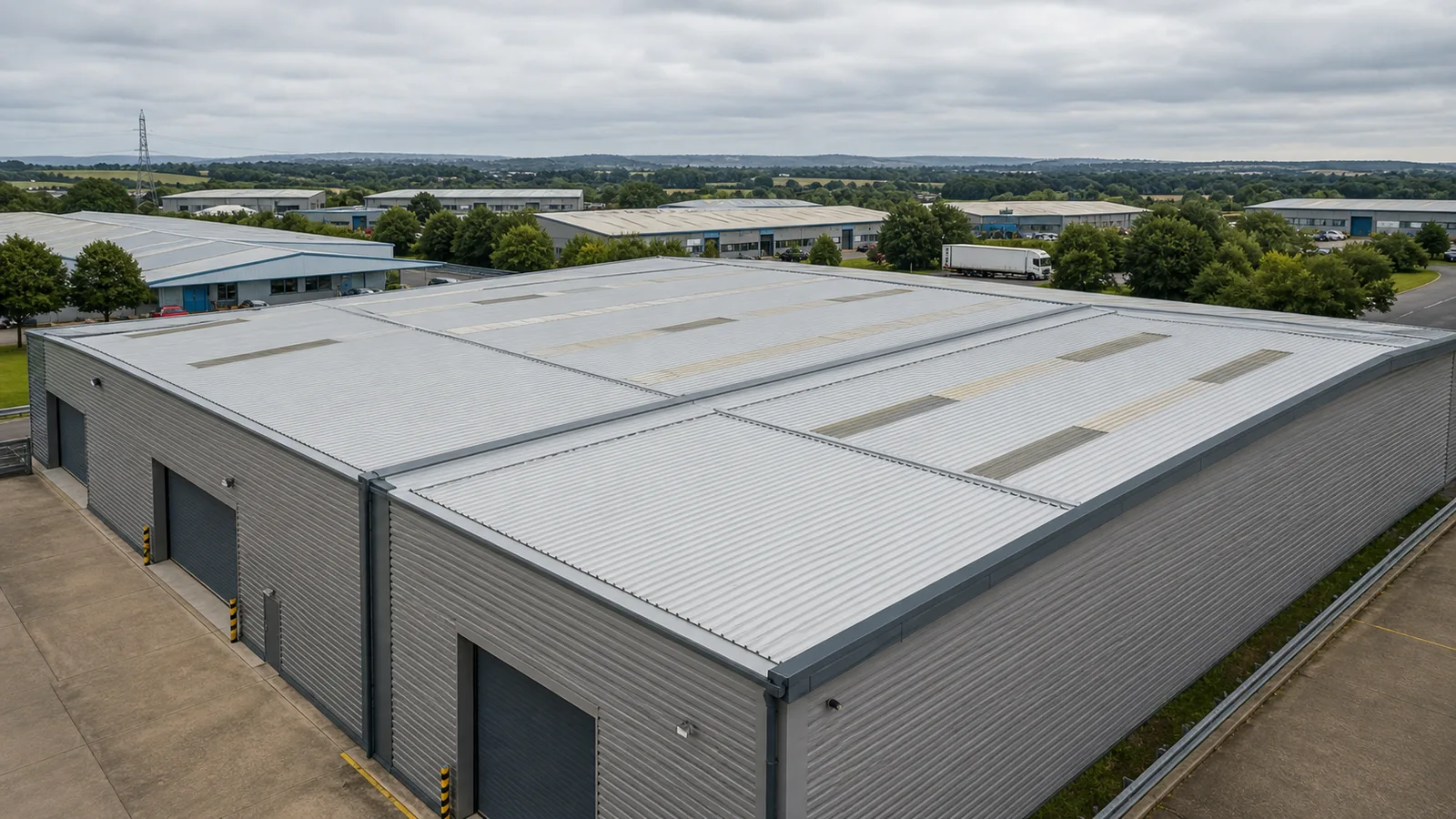
From the Vale of Evesham’s fruit farms to the sheep pastures around Cirencester, farm buildings here take a beating. Concrete and steel structures suffer from corrosion where ammonia penetrates porous coatings. Timber cladding warps under prolonged moisture exposure. Even modern agricultural buildings around Stow-on-the-Wold show premature fatigue where washdown hoses force water behind poorly adhered paint systems. Our coating specialists regularly see metal roof sheets in the North Cotswolds that would last decades longer had their factory finishes been properly maintained.
The farm building stock of the Cotswolds
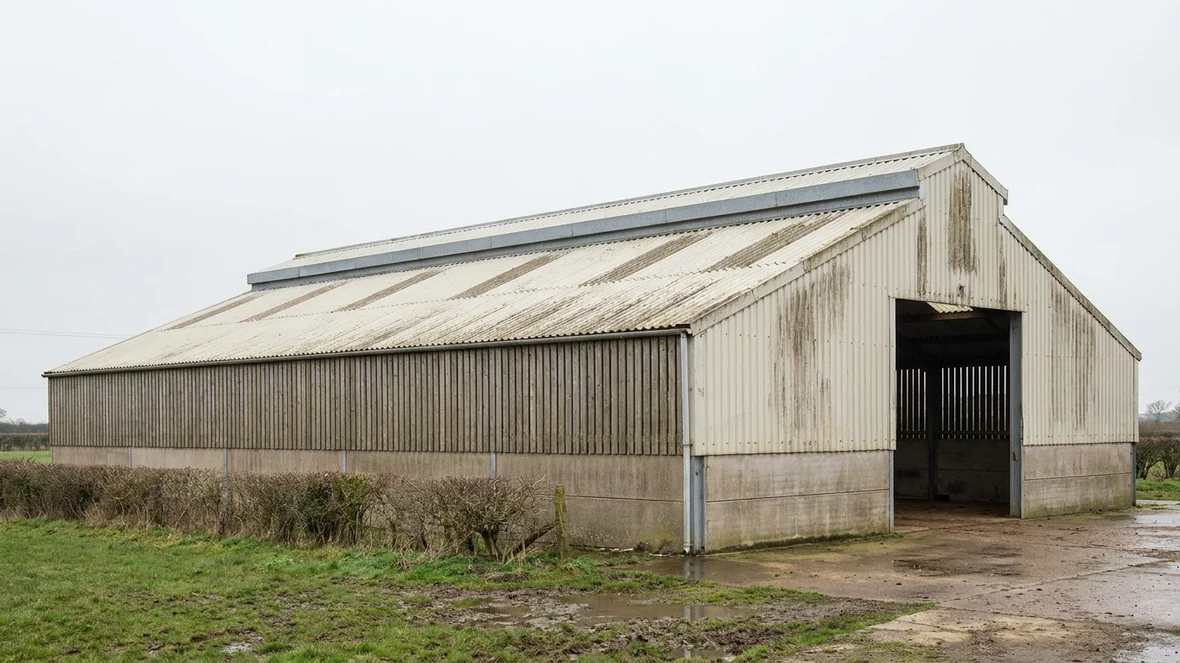
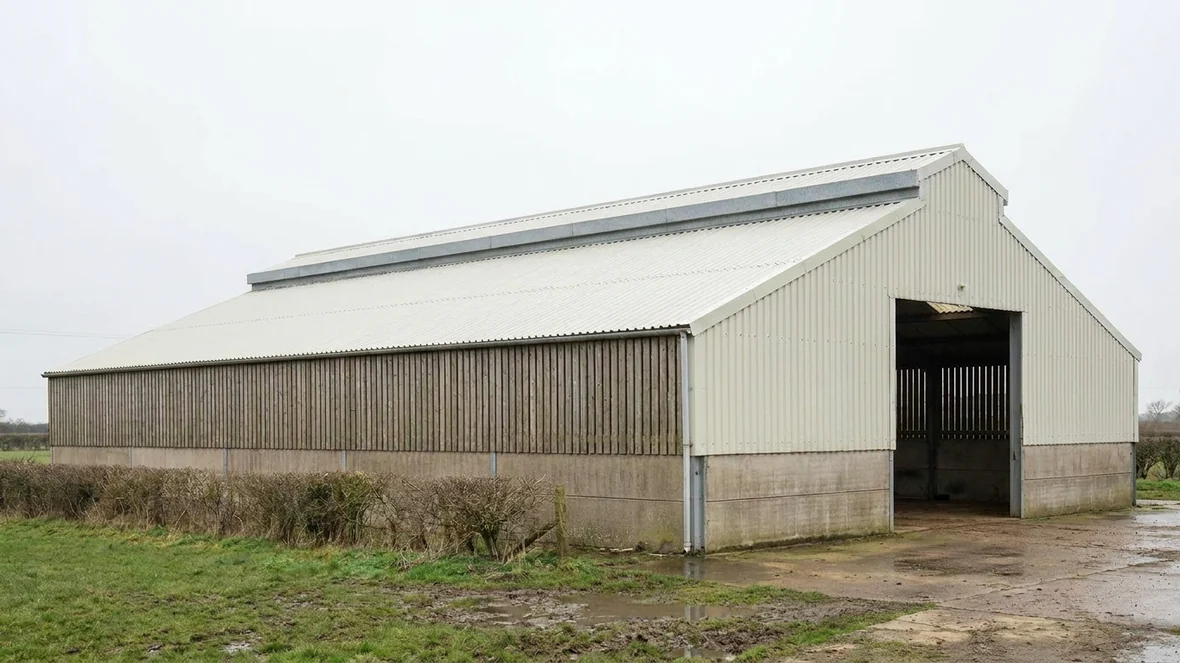
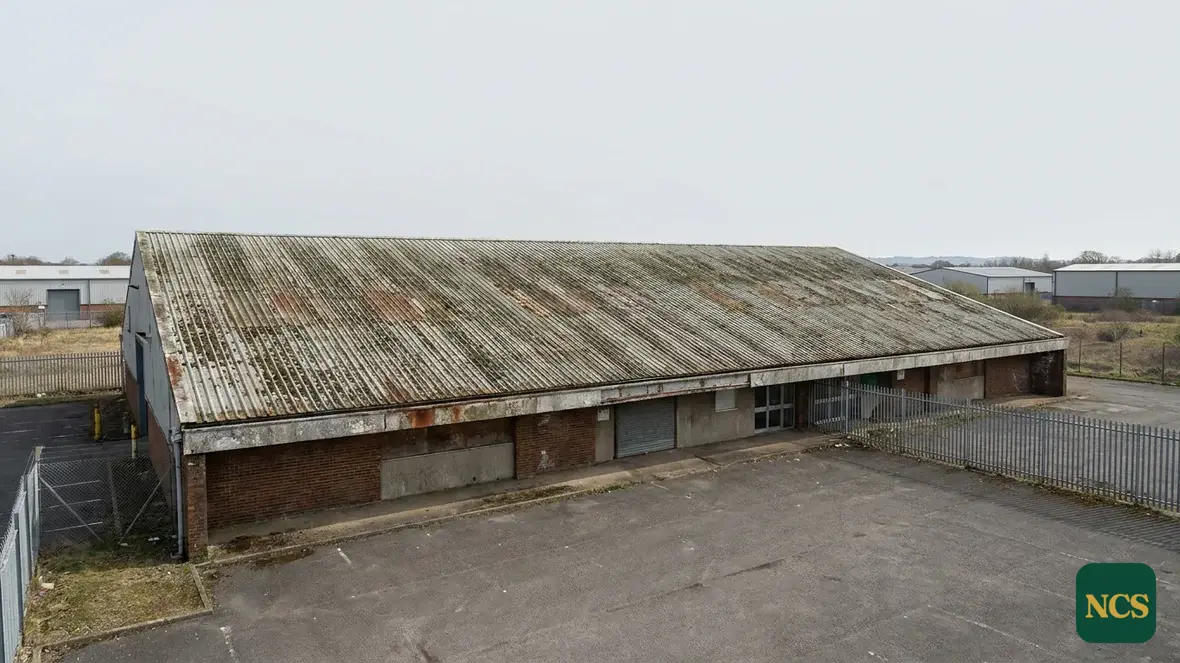
This Area of Outstanding Natural Beauty contains some of England’s oldest working agricultural buildings alongside modern dairy and poultry units. Stone barns dating back centuries stand beside large-span steel-framed structures near Moreton-in-Marsh and Bourton-on-the-Water. Many estates along the A429 corridor have replaced asbestos cement roofs with composite panels that still require protective coatings. The region’s mix of heritage and high-intensity farming means no two painting projects are identical.
How we approach farm painting work
Modern farm painting means spray-applied coating systems that outlast traditional brush work tenfold. We specify industrial-grade acrylics and polyurethanes for timber cladding painting, matched to each substrate’s expansion rates. Metal roofing gets zinc-rich primers where cut edges or fastener holes risk corrosion. The right system can withstand years of tractor spray, bedding dust, and disinfectant runoff when applied to properly prepared surfaces.
The repairs that come before any painting
No coating lasts over cracked concrete or rusting steel. Our teams survey structural integrity before discussing finishes, checking for loose fixings around Burford or spalling concrete near Chipping Campden. Timber gets treated for rot, metalwork receives abrasion cleaning, and all surfaces undergo contaminant testing. A peeling coat often signals deeper issues only repair work can solve.
Our survey-led approach to farm painting
Every project starts with a site visit documenting exposure conditions, existing coatings, and the building’s role in farm operations. Dairy washdown areas need different solutions to dry grain stores. We prioritise coatings that minimise downtime during application and curing – crucial on working farms where animals and machinery can’t be relocated.
- Detailed assessment of all substrates and structural conditions
- Clear explanation of preparation requirements
- Coating options matched to specific farm environments
- Timeline planning around agricultural cycles

Why specification follows survey
No two Cotswolds farm buildings experience identical weathering or wear. Coatings that work for stone barns near Winchcombe may fail prematurely on steel-framed buildings west of Cheltenham. Our process ensures every recommendation stems from observed conditions rather than standard solutions. The right protective system becomes obvious once we’ve mapped moisture paths, chemical exposure, and mechanical wear patterns unique to your buildings.
Learn more about our farm painting services or book a free site survey.
Recently — July 2026
Recent enquiries here have been a mix of metal industrial roofs, profiled cladding and ageing asbestos-cement sheets, all assessed on a free site survey before anything is specified.
Through the drier summer months we can programme preparation, coating and curing with far less chance of a weather delay holding the job up.