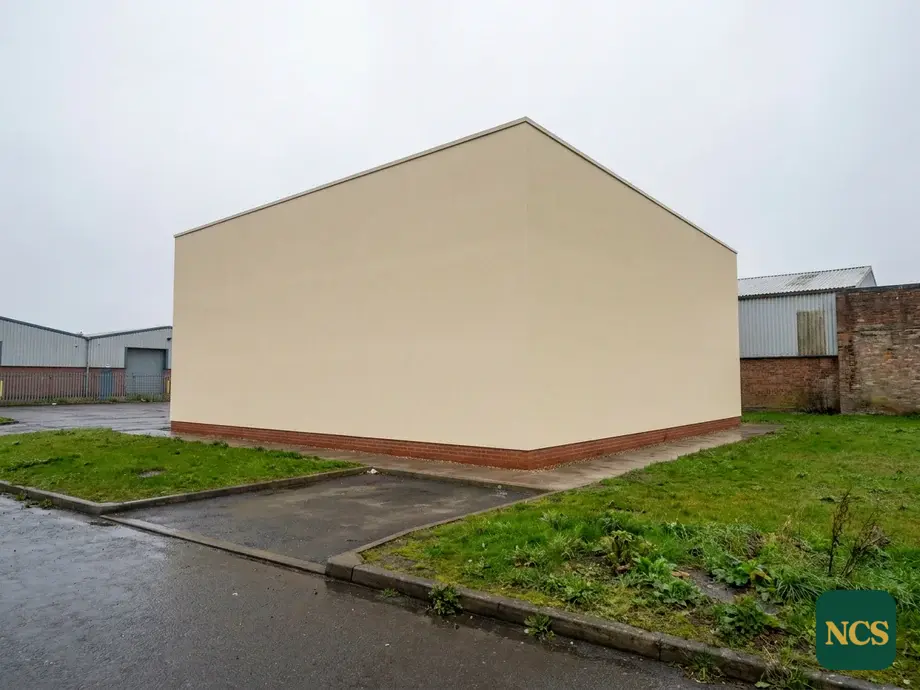
What this service is for
- Weather-exposed commercial and managed walls
- The cause found before any treatment is specified
- Breathable coating, repair, or a steer to the right trade
The damp problems we actually deal with
Survey checks before specification
- The damp pattern and the likely source of the water
- Render, masonry, pointing and coating condition
- Ventilation, ground levels and drainage around the wall
- Whether coating, repair or a specialist damp look is the right move
Finding out where the damp is really coming from
Before anything is quoted, the cause has to be pinned down, because the wrong fix wastes money and leaves the damp untouched. On commercial and industrial buildings the usual culprit is penetrating damp: water coming through the walls or roof rather than rising from the foundations. A proper survey looks at the whole exterior, works out how the water is getting in, and tells you plainly whether a coating, a repair or a replacement is the answer.
The external sources of penetrating damp we look for include:
- Cracked, blown or porous render soaking water into the wall behind it
- Failed or missing pointing and open mortar joints
- Blocked, leaking or overflowing gutters and downpipes saturating walls
- Tired, porous masonry on older or exposed elevations
- Cut-edge corrosion and failed laps on metal cladding and roof sheets
The kinds of damp, and which we treat
Not all damp is the same, and treating it as if it were leads to recurring problems. Working out which type you have is the first step, and it is what the survey is for. We will tell you plainly if the trouble sits outside exterior coating work, for instance rising damp that wants an internal damp proof course rather than weatherproofing.
- Penetrating damp: water tracking sideways through walls, render, pointing or roofing. This is the exterior work we are set up for.
- Rising damp: ground moisture drawn up the base of a wall, usually needing an internal damp proof course or tanking specialist.
- Condensation: internal moisture meeting cold surfaces, normally a ventilation and heating matter rather than a coating one.
Left alone, persistent damp does more than stain a wall. It softens plaster, feeds mould, and over time leads to wet or dry rot in nearby timber, which is why getting at the water source quickly matters on a working site.
How we treat exterior damp
Our work is exterior and survey-led. Once the cause of penetrating damp is found, we treat it at source so the envelope sheds water properly again, rather than mask the symptom. Often that means repairing the fabric first, then applying a breathable weatherproof coating that keeps driving rain out while letting the wall release trapped moisture.
- Breathable, water-repellent exterior wall coatings for porous and rendered walls
- Render repair to crack-fill and reinstate a sound surface before coating
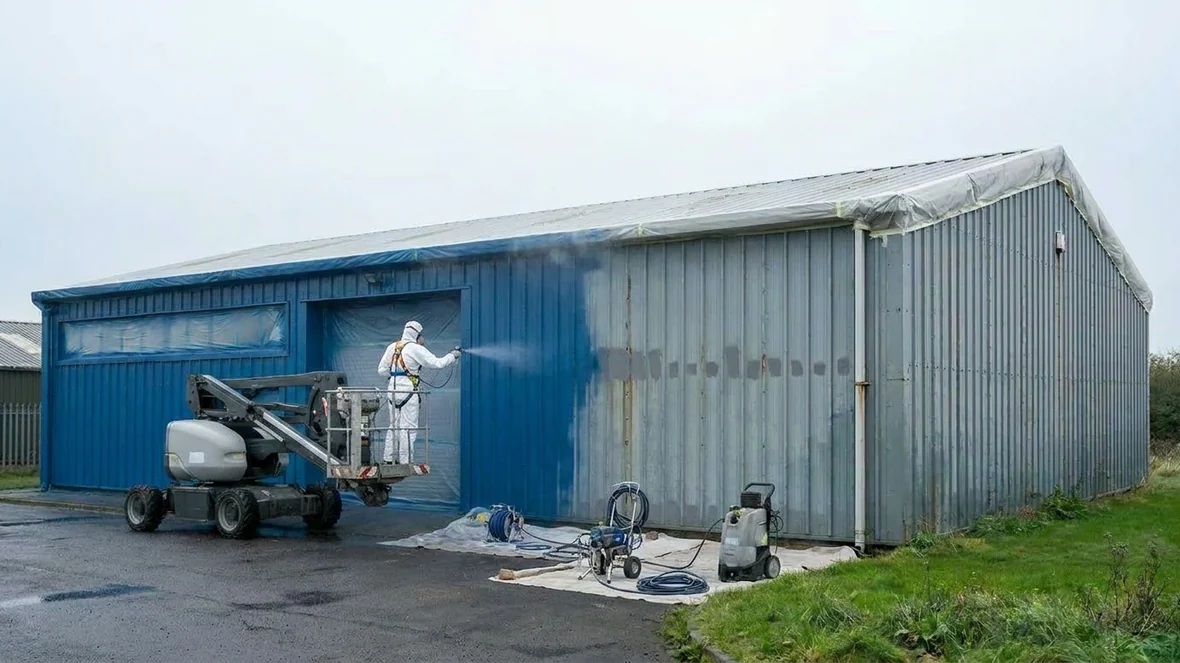
- Protective roof coatings and cladding spraying to seal failed roof and wall sheets
- Cut edge corrosion treatment where rust at the sheet edges is letting water track in
- Repointing and gutter work to close off the obvious water paths into the structure
We are clear about the coat, repair or replace call. If a coating will genuinely sort the damp, we will say so. If a wall or roof is too far gone and wants replacing, we will tell you that too rather than sell a treatment that will not hold.