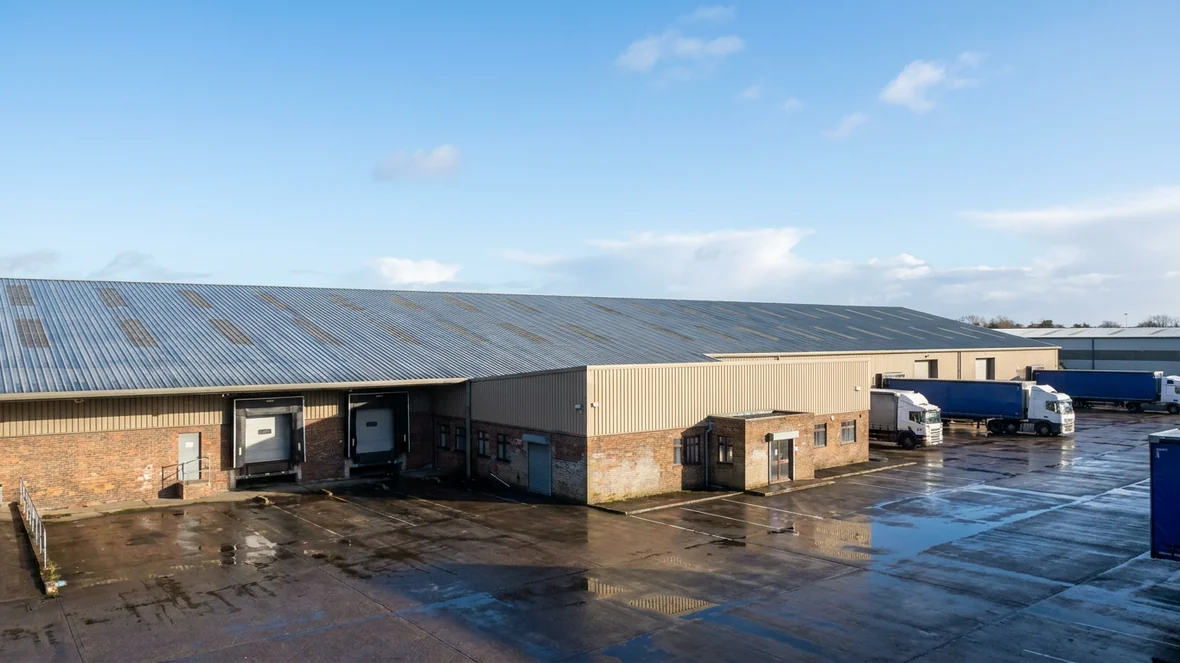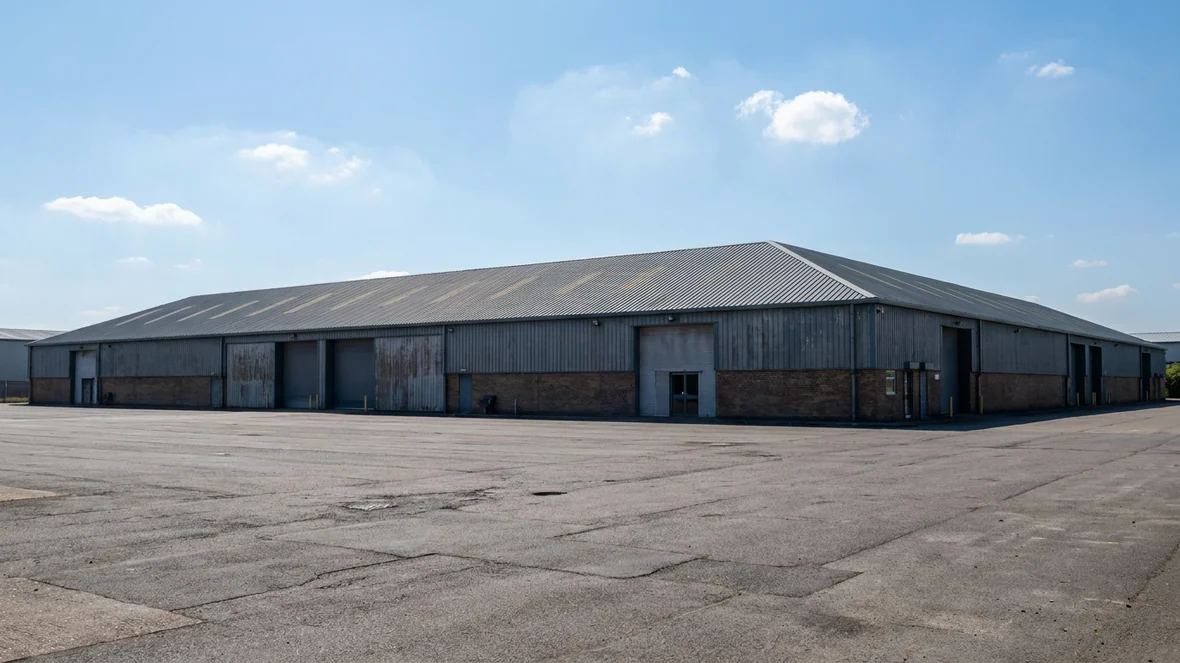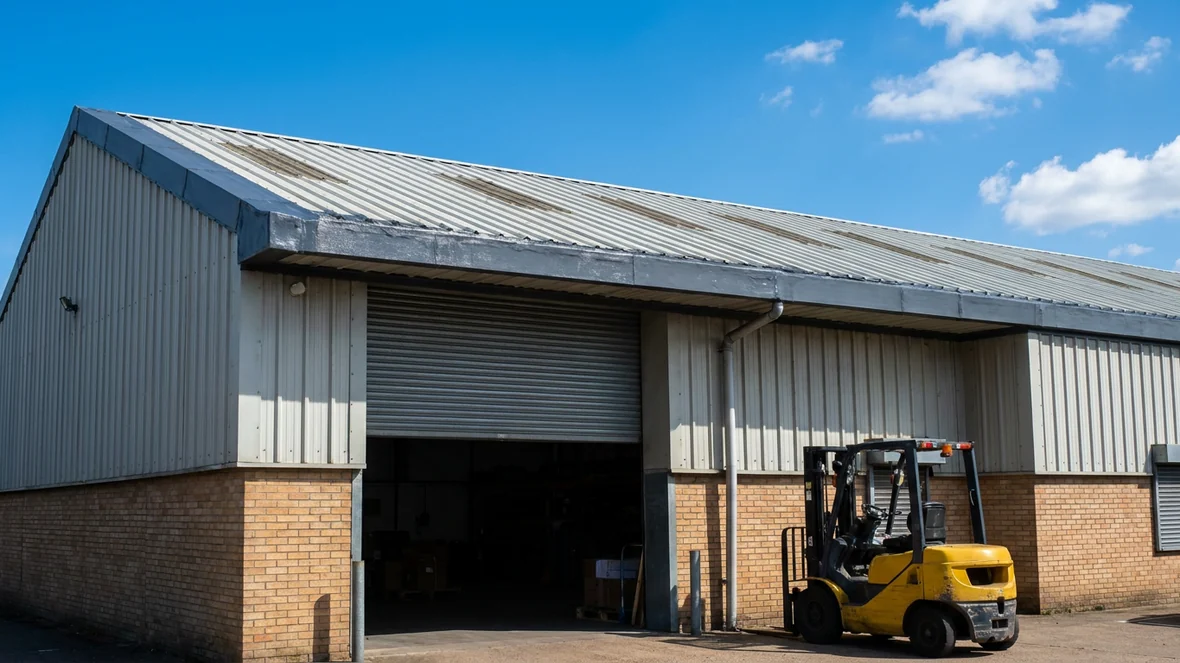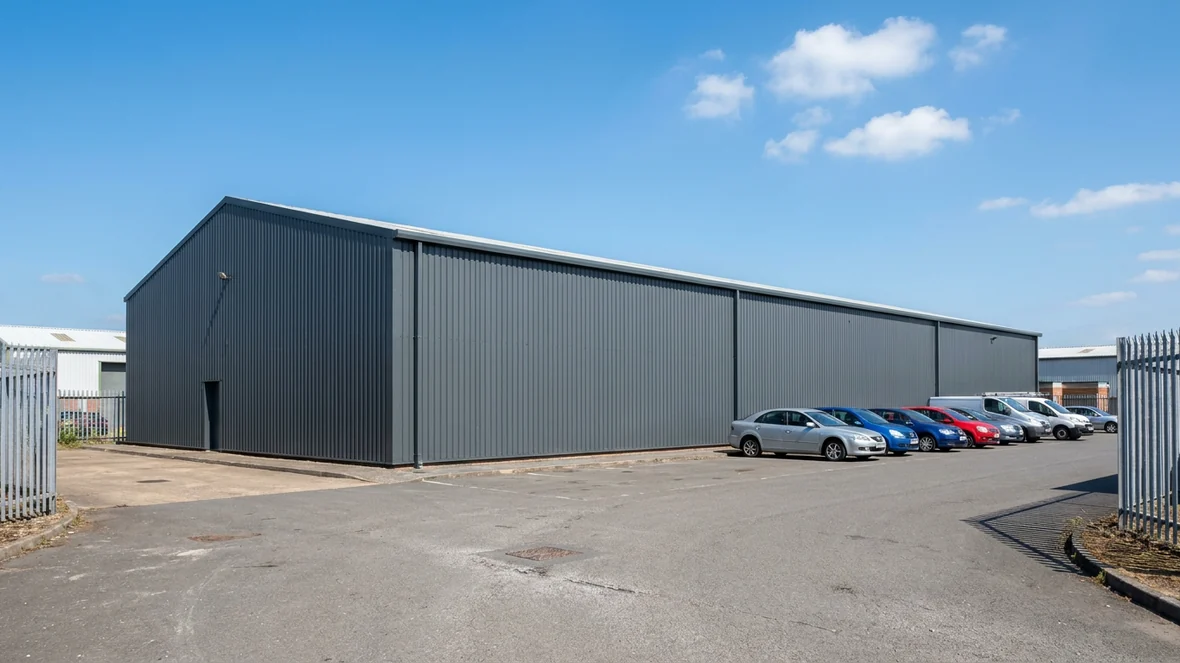









Estates budgets in Leeds rarely have room for a surprise roof replacement. A full strip and re-sheet on a distribution or manufacturing unit is capital expenditure with a long lead time and weeks of disruption; a coating system on the same roof, where the survey supports it, is planned maintenance delivered while the building keeps working. That difference is why facilities teams across Leeds and the M62 corridor look hard at coating before committing to replacement, and why National Coating Specialists always start with condition evidence rather than a sales pitch.
A maintenance answer that fits the way estates are run
Most industrial roofs do not fail suddenly; they decline on roughly the same timetable as their neighbours, because so much of the region’s stock went up in the same building booms of the 1980s to early 2000s. That makes roof condition something an estates team can plan for rather than react to. Coating fits that planning rhythm. It can be programmed a budget year ahead, phased across a multi-building site, and timed for the months that suit the operation. Replacement, by contrast, tends to arrive as a crisis with a price to match.
The condition survey: what you actually get
Every recommendation we make is built on a walked survey, and the output is designed to be useful inside your organisation, not just ours:
- A photographic condition report covering sheets, laps, fixings, gutters and rooflights
- The extent of cut-edge corrosion mapped across the roof
- Internal leak evidence traced to its entry points
- A clear verdict on whether the roof is suitable for coating
- Phased options where the budget needs the work split across years
If the right answer is replacement, the report says replacement. A survey that always concludes in favour of the surveyor’s own service is not a survey.
Cut-edge corrosion across the corridor stock
On profiled metal roofs around Leeds, cut-edge corrosion is close to universal once the factory finish passes its prime. The cut ends of each sheet were never protected, rust establishes there and undercuts the coating from the laps inward, and the wet Pennine-edge climate keeps the process fed. Treatment is a discipline rather than a product: grind back to clean steel, prime the edges with an anti-corrosive system, seal the laps and only then apply the overcoat. Done in that order, the corrosion stops. Done as a quick overpaint, it continues quietly underneath.
Sequencing around your operation
Warehousing and manufacturing in Leeds runs to schedules that do not bend for contractors, so we bend instead. All coating work happens externally with the roof closed, meaning no exposure of stock, plant or people below. We section the roof to suit shift patterns and dispatch peaks, agree exclusion zones and access with your safety team, and provide a named contact with daily updates. On multi-unit estates we can rotate building by building so no part of the operation carries disruption twice.
Where coating ends and replacement begins
Coating extends sound roofs; it does not save failed ones. Perforated sheets across wide areas, corrosion from the underside, saturated insulation or a deck at the end of its structural life all mean re-sheeting or overcladding, and when we find them we recommend exactly that in writing. We are South-East based and work across England, Leeds and West Yorkshire included, on the strict basis that we only coat roofs that deserve it.