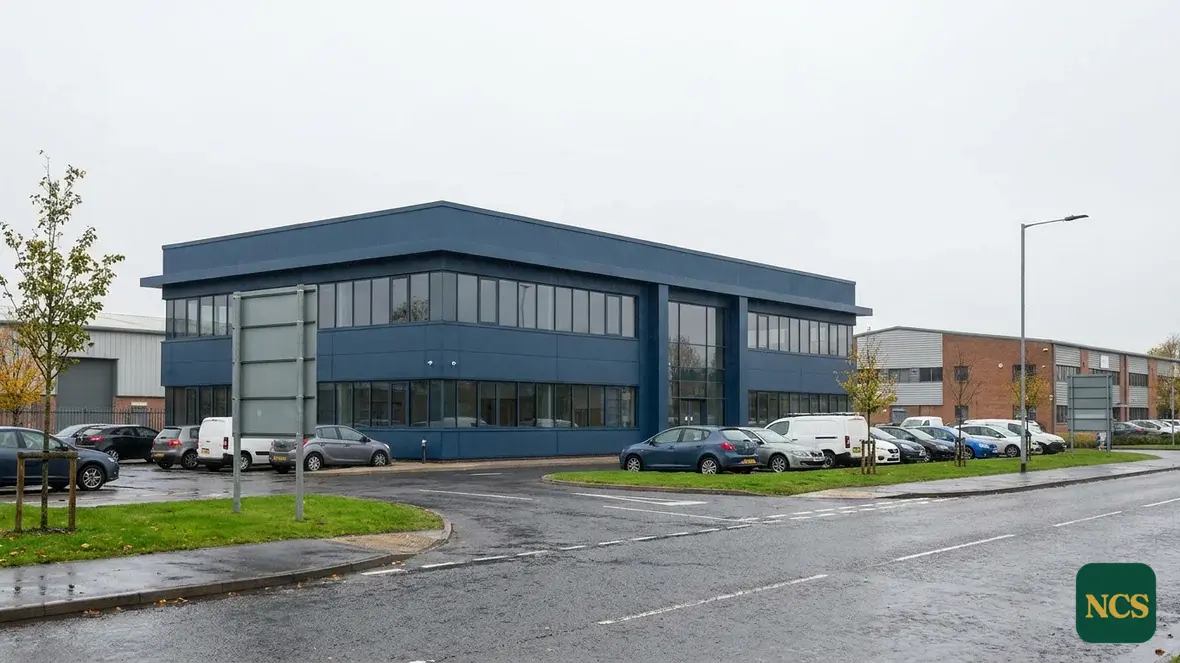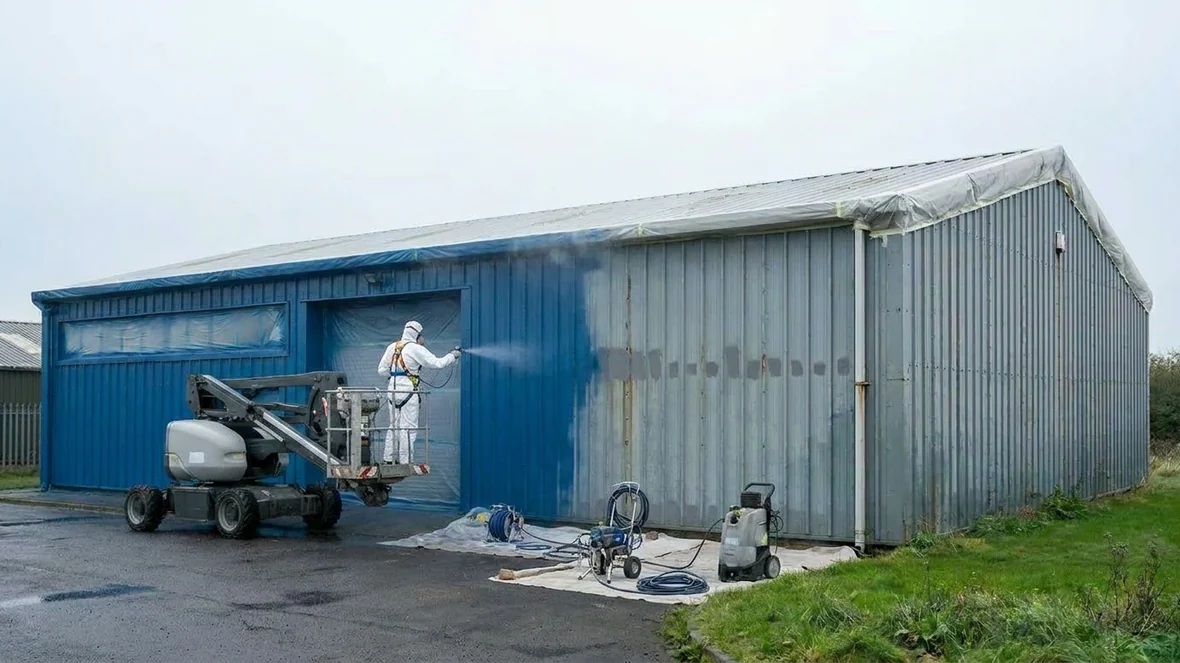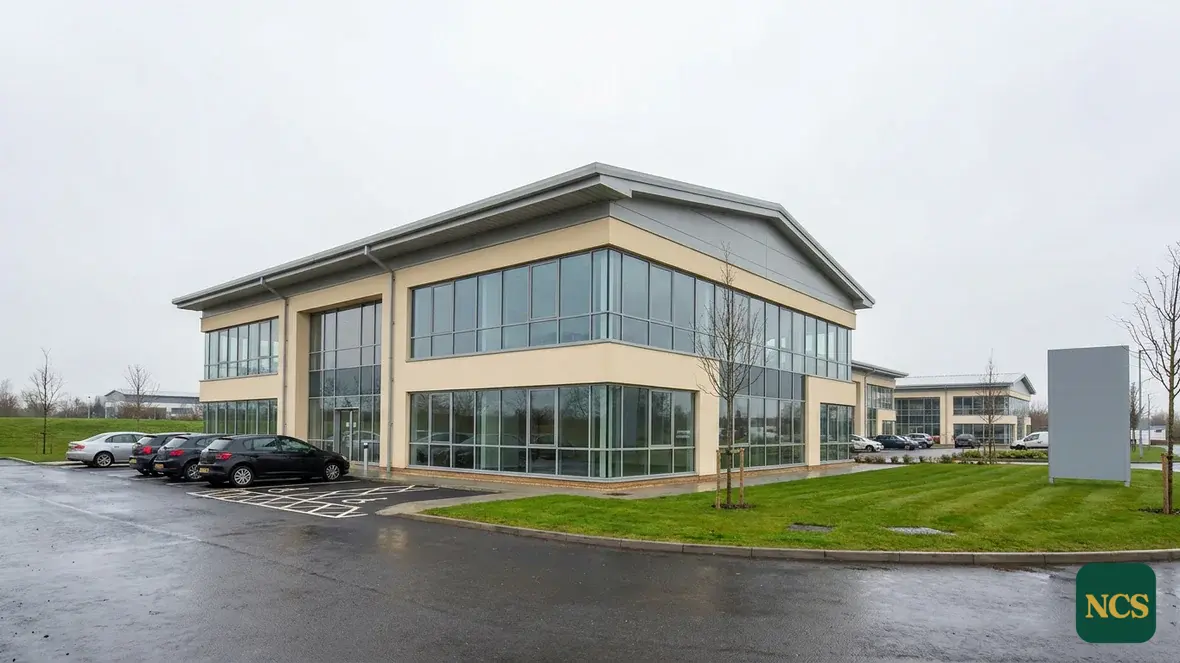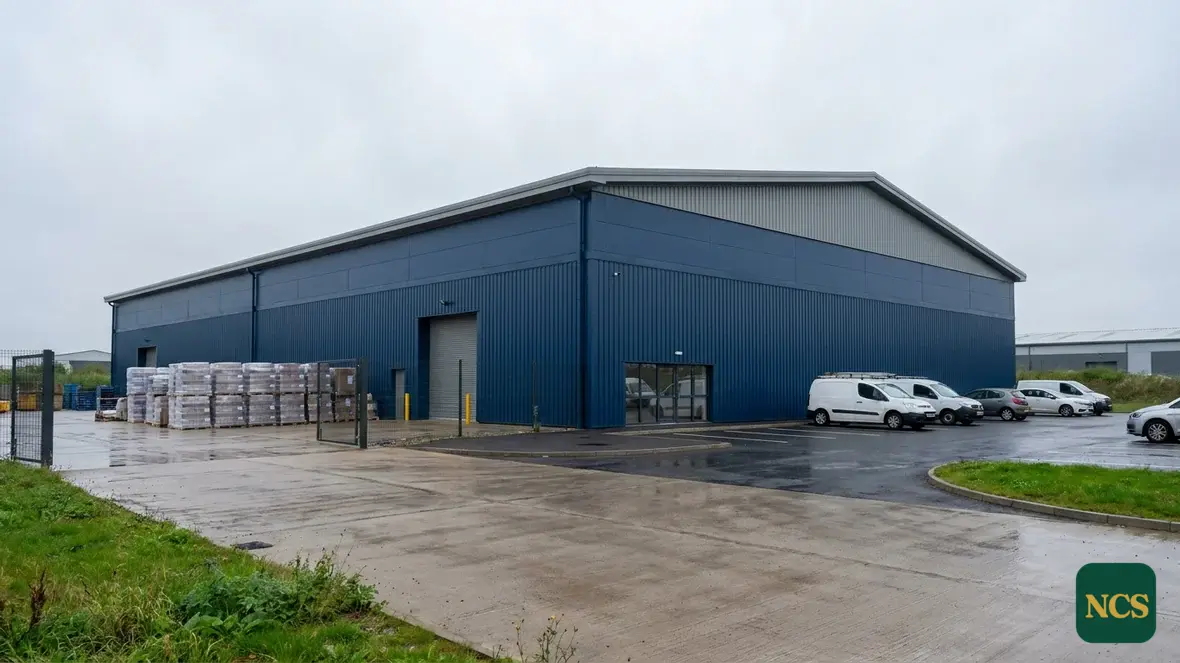
Commercial wall coating in Leeds
That weather coming off the Pennines is a real test for buildings in West Yorkshire. Persistent rain and hard winters leave masonry holding dirt long after the storm has passed. Commercial wall coating in Leeds is one of the few exterior treatments that tackles both problems head-on. It protects your walls from water and gives the frontage a clean, consistent look. Here, more than anywhere, the system has to suit the wall and how exposed it is. And the wall itself has to be sound and dry enough to take the coating. We find that out with a survey, we don’t assume it, which is why we inspect first and price later.
If you are comparing commercial painting contractors in Leeds, ask each one what happens to the cracked render before the finish goes on. That answer separates painting from decorating.
Victorian brick, darkened stone and post-war concrete
Look around Leeds and you see the city’s history in its buildings. Old brick mills and warehouses, often converted into offices, sit next to stone-fronted Victorian commercial buildings, darkened by a century of weather. Then you’ve got post-war concrete offices, rendered shop parades, and newer business park units spread across West Yorkshire. Each one fails in its own way: porous brick takes in driving rain and gets freeze-thaw damage, concrete stains and spalls when carbonation reaches the rebar, older renders craze and debond, and modern thin-coat systems fade early on exposed elevations. What works on one wall can actively damage another. That’s why we diagnose before we specify anything.
What a survey-led job looks like in practice
We send a surveyor to your building. They’ll walk every elevation, identify the substrate and any old coatings, take moisture readings, map out the repairs that need doing first, and plan access around your working day. You then get a written specification. It covers preparation, repairs, the exact system we’ll use, and the programme. The price is built on that document, not a guess. We do this for every job, whether it’s a commercial building in Bradford, Wakefield, Huddersfield, Harrogate, or right in the centre of Leeds.
The walls we decline to coat
An honest contractor turns some work away. The reasons are usually the same:
- Walls saturated by failed gutters, downpipes, copings or flashings. Those need fixing and drying time before we do anything.
- Render that’s lost its bond over big areas. That needs stripping off, not just coating over.
- Facades with active structural cracking. That needs investigating before you even think about decoration.
- Historic solid-wall masonry that needs to breathe. It’s better repointed than filmed over.
- Listed buildings and conservation frontages where you haven’t sorted out consent yet.
If our survey finds these problems, the report will say so. We’ll set out the repair-first option, even if it means less work for us.
Why the survey is the real product
The coating is what you see, but the survey is what you’re actually paying for. It’s the proof that we understood your wall before we treated it. It turns a price into a commitment, repairs into a schedule instead of a dispute, and product choice into a reasoned decision, not just a habit. For a commercial building facing the weather we get around here, that discipline is the difference between a finish that quietly does its job for years and one that announces its failure down the busiest street in town. Ask any contractor bidding for your building one thing: show me the survey behind this number.
What a commercial wall coating survey in Leeds looks at
National Coating Specialists carries out commercial wall coating work in Leeds and the surrounding area. Every building is assessed on its own condition first. The survey weighs up the points that decide whether coating, repair or replacement is the right route:
- Local Leeds and West Yorkshire context and weather challenges.
- Clear explanation of commercial vs domestic wall coating.
- Detail on surfaces treated (brick, render, cladding, metal).
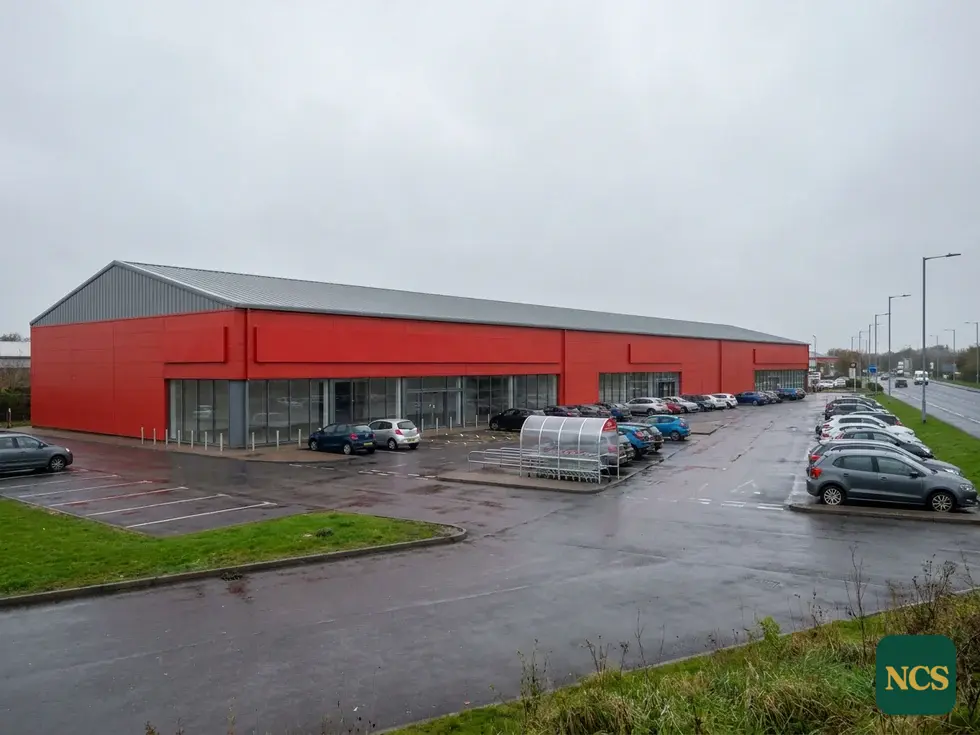
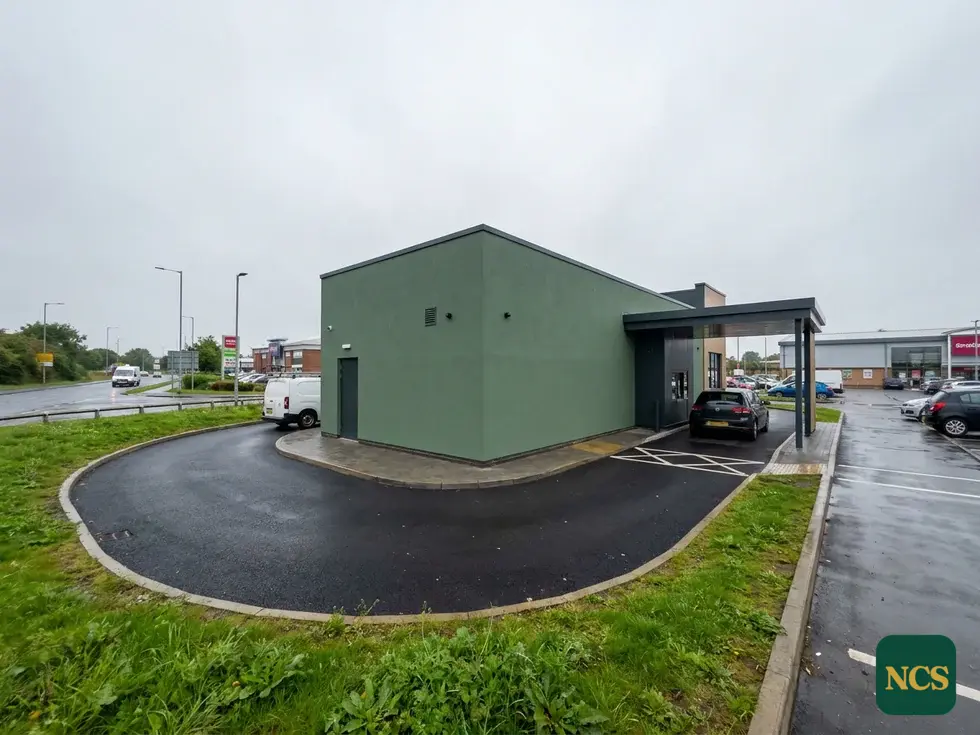
- Sector‑specific examples (industrial estates, warehouses, schools, retail parks, offices, agricultural units).
- Benefits vs standard painting (lifespan, maintenance, protection, appearance).
Related survey-led services
Cladding SprayingSurvey-led cladding spraying for commercial and industrial buildings across England.
Industrial Wall CoatingsSurvey-led industrial wall coatings for commercial and industrial buildings across England.
For a survey-led assessment of your building in Leeds, request a free site survey.