Cladding spraying in Leeds
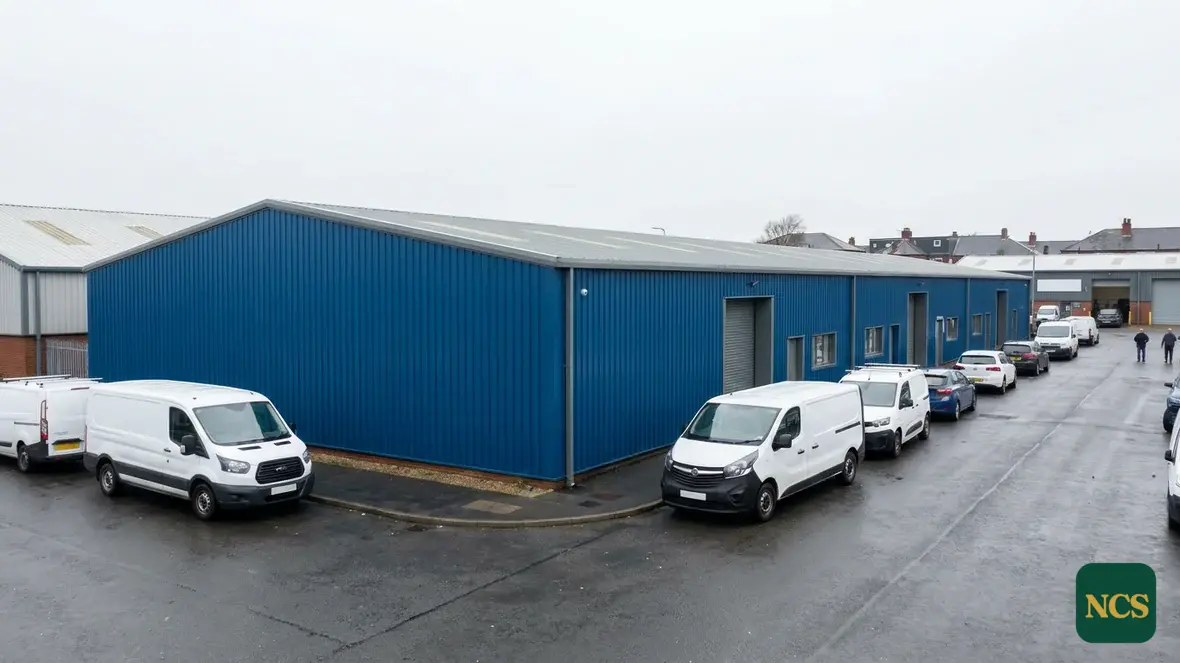
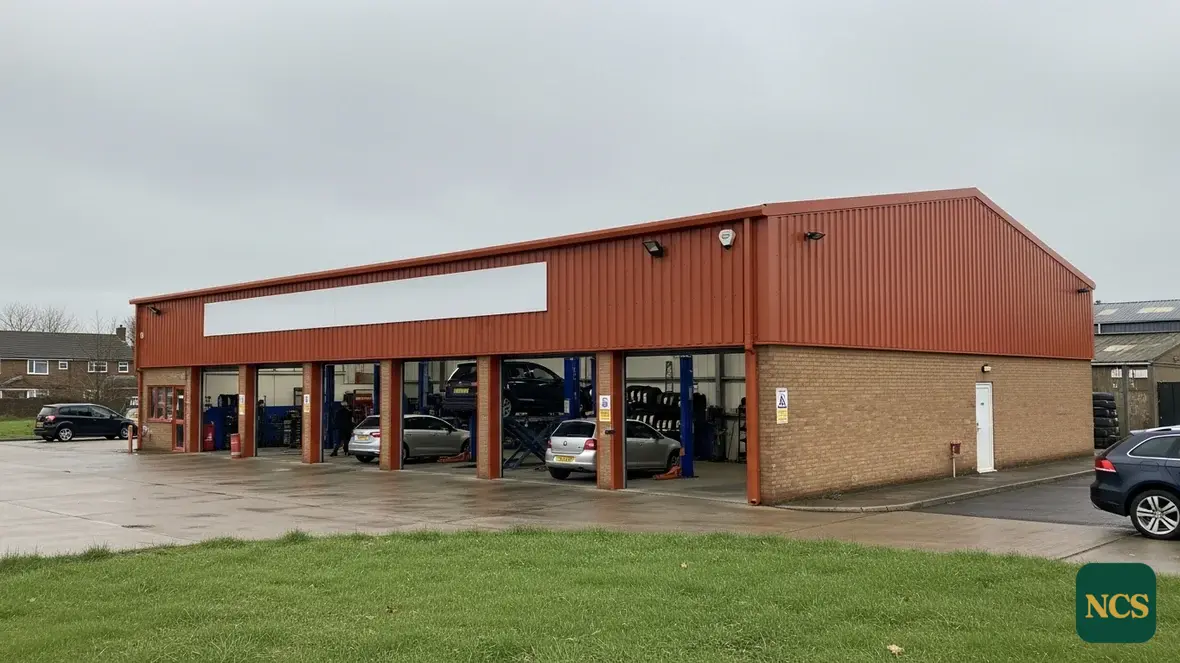
Leeds is the commercial heart of West Yorkshire, and a striking amount of its working property is wrapped in coated steel. Cladding spraying in Leeds exists for the moment that coating gives up: faded colour, chalking, rust creeping along cut edges, on panels that are otherwise perfectly sound. Resprayed on site, those facades take on a renewed finish for far less money and far less disruption than replacement.
We are survey-led by conviction rather than habit. Weather on the Pennine edge treats buildings unevenly, and only a close-range inspection can tell you which category yours falls into. For landlords the finished result is a letting asset; for owner-occupiers it is the difference between a building that looks tired and one that looks managed.
West Yorkshire stock, West Yorkshire weather
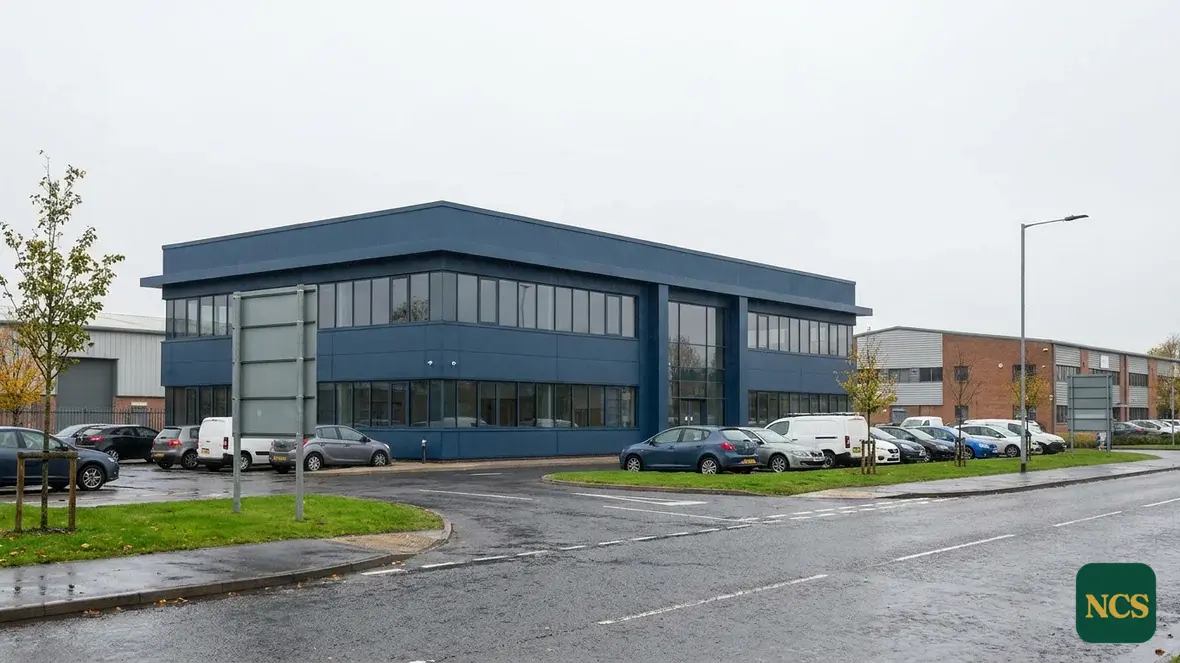
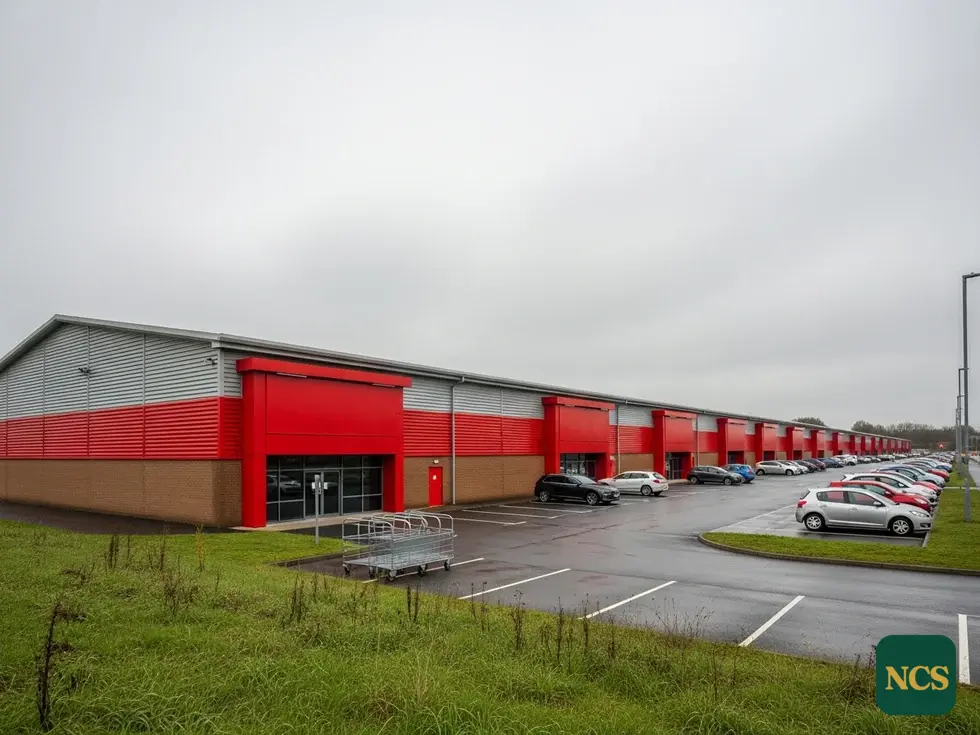
The city’s clad stock spans trading estates along the river corridor, distribution units gathered around the motorway junctions, retail parks, and office and leisure buildings finished in composite panel. Much of it dates from the decades when plastisol coatings were standard, and those finishes are now reaching the end of their working life across the region.
The local climate does the rest. Rain-heavy winters keep laps and sheet ends damp, exposed elevations fade faster than sheltered ones, and two outwardly identical units a few miles apart can age at very different speeds. Averages mislead here; inspection does not. Roof cladding ages the same way and is usually worth surveying in the same visit, since the access costs are shared.
Our sprayers cover Leeds and the surrounding area, and a respray is only priced after the panels have been surveyed close up.
When the answer is no
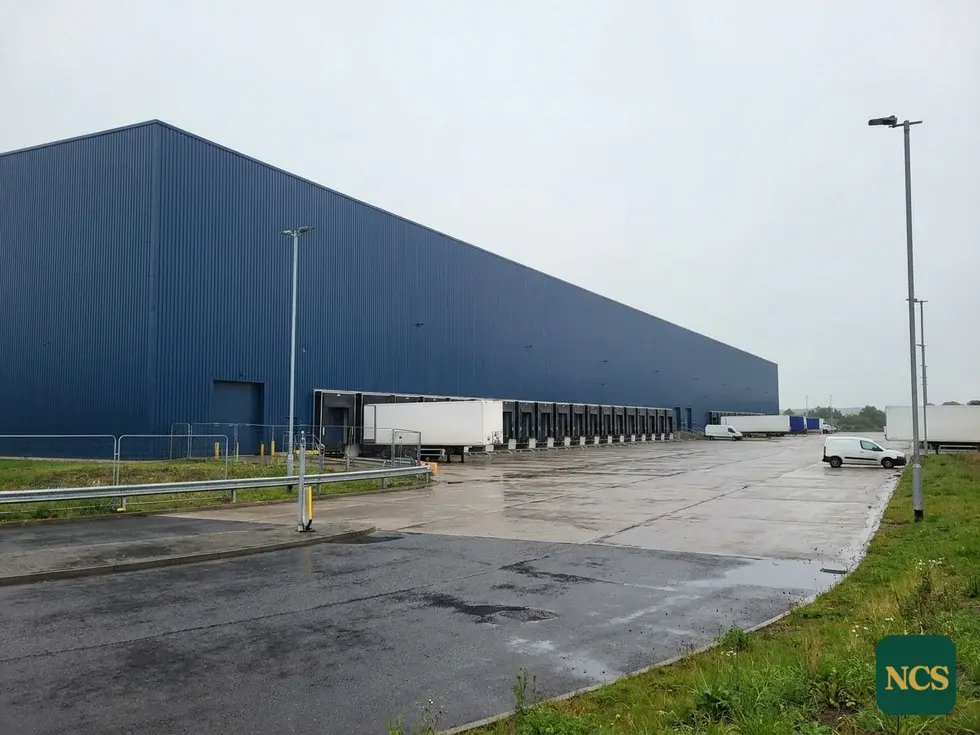
Some facades have already moved past the point where spraying is honest work. Perforated sheets, delaminating composite panels, failed fixings and wet insulation all need repair or replacement first, and a coating applied over them would simply conceal the problem while it grew.
Our surveys are built to find exactly those conditions, and the report states them plainly when they appear. If your building needs remedial work before it needs colour, you will be told so before any coating is proposed, not after the scaffold is up. That filter is applied before pricing rather than after, so any proposal you receive describes work we actually believe in.
The survey-led route through a project
For buildings that pass inspection, the project runs to a written sequence:
- Close-range survey with photographs, adhesion tests and corrosion mapping
- A specification covering preparation, repairs and the coating system
- Cleaning, rust treatment and individual attention to cut edges
- Masking of glazing, signage and everything else that keeps its own colour
- Spray application and a final elevation-by-elevation check at handover
Bradford, Wakefield, Huddersfield and Harrogate are served with the same survey-first method, along with the rest of the county.
Multi-unit estates are usually phased so tenants keep trading: elevations sequenced around doors and yards, masking protecting glazing and vehicles, and each phase checked before the next begins. None of that is complicated, but it does have to be planned, which is what the survey visit is for.
Choosing the right contractor for the job
The contractors who leave problems behind in this trade rarely fail at spraying; they fail at everything before it. Pricing unseen buildings, skipping preparation to protect a thin margin, treating cut-edge corrosion as someone else’s discovery: all of it traces back to the absence of a survey.
Leading with the inspection removes that failure mode. For clad commercial property in Leeds, it means the decision you make about your facade is based on its actual condition, in writing, before a single panel is masked. It also gives you a baseline, a photographic record of every elevation as it stands, which makes future maintenance decisions easier whatever you decide now.