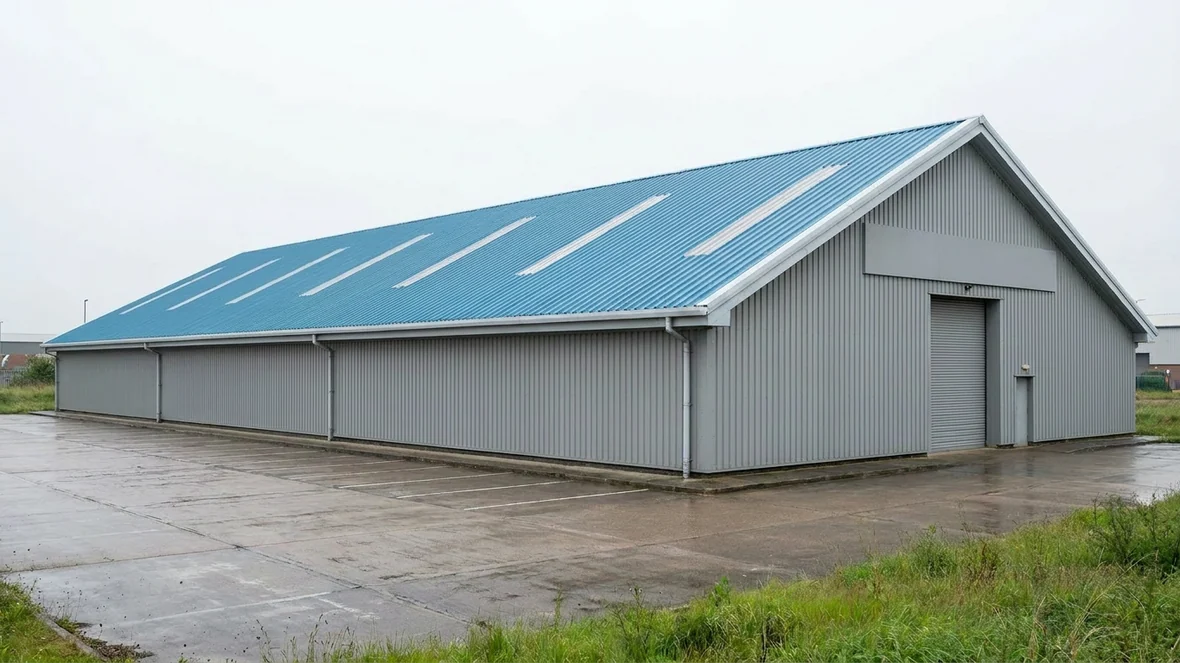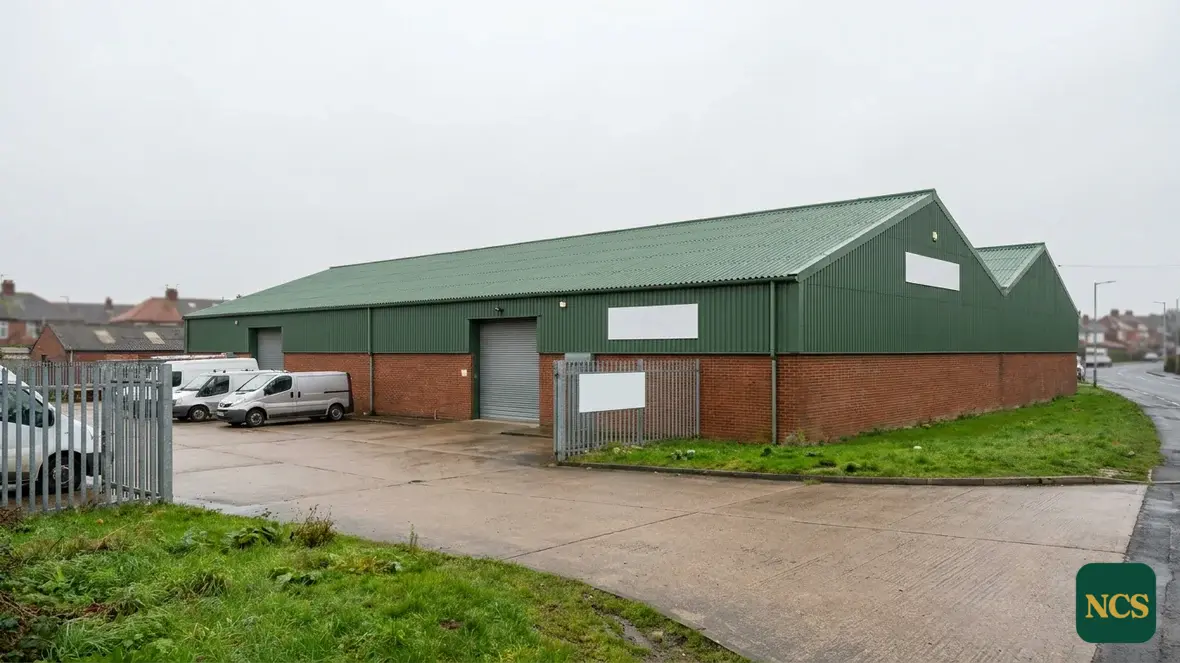




Asbestos roof encapsulation Leeds owners consider is one of two lawful routes under CAR 2012, and condition decides which.
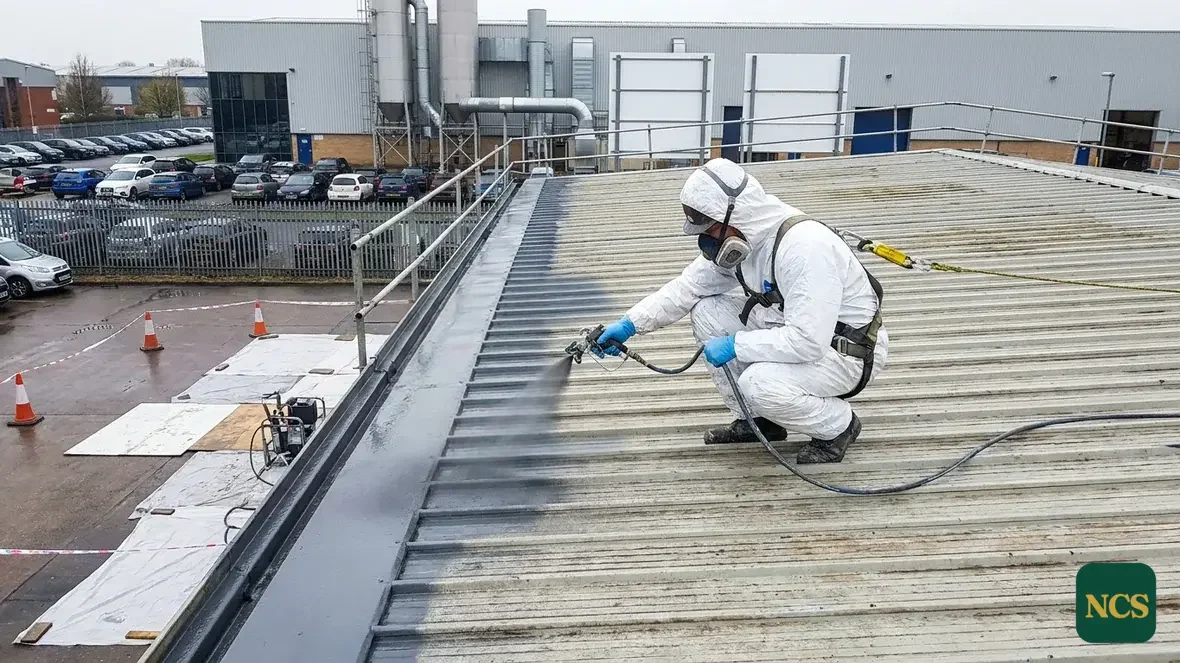
Removal or encapsulation? Start with the condition, not the price
Most commercial building owners in Leeds usually only think about encapsulation when they’ve seen a quote for full asbestos roof removal and re-sheeting. The price tag is usually painful, and someone mentions encapsulation as the cheaper option. The cost difference is definitely real, but it’s the wrong place to start. The only thing that really matters first is whether the sheets are actually sound. We only encapsulate a roof that’s structurally fit to keep.
That’s why we always survey first. We get up on the roof, check the sheets, the laps, the fixings, the rooflights. Only then can we honestly say if sealing the roof is a proper option, or if removal is the only sensible answer.
Yorkshire’s 1960s to 80s sheds and farm buildings
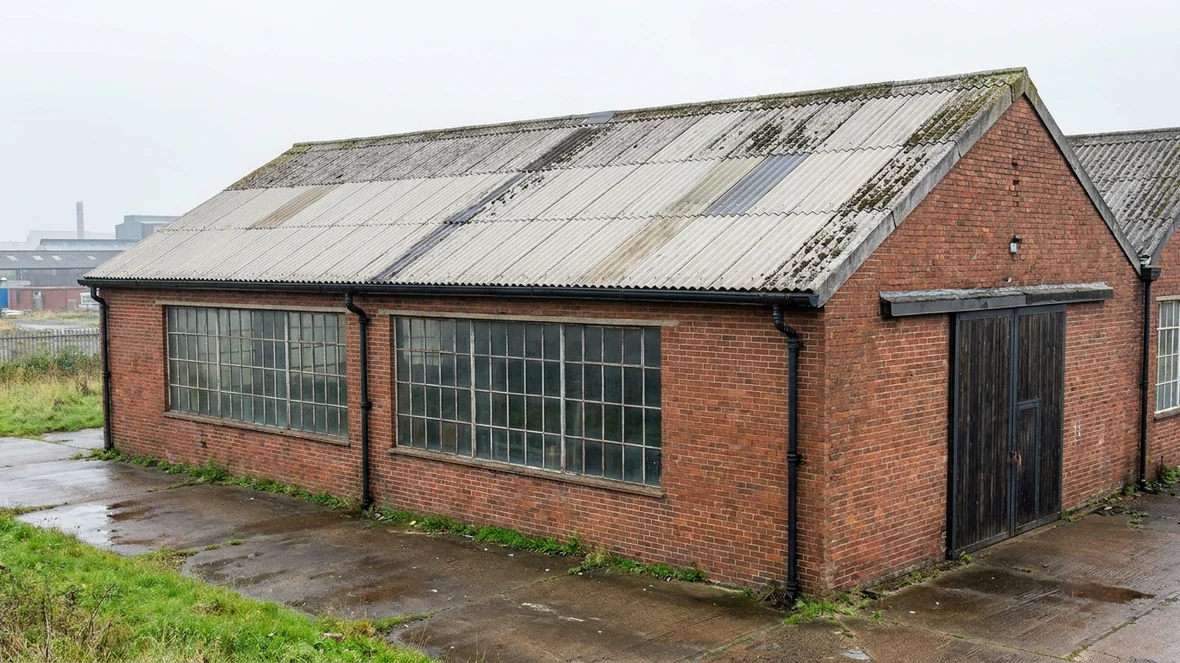
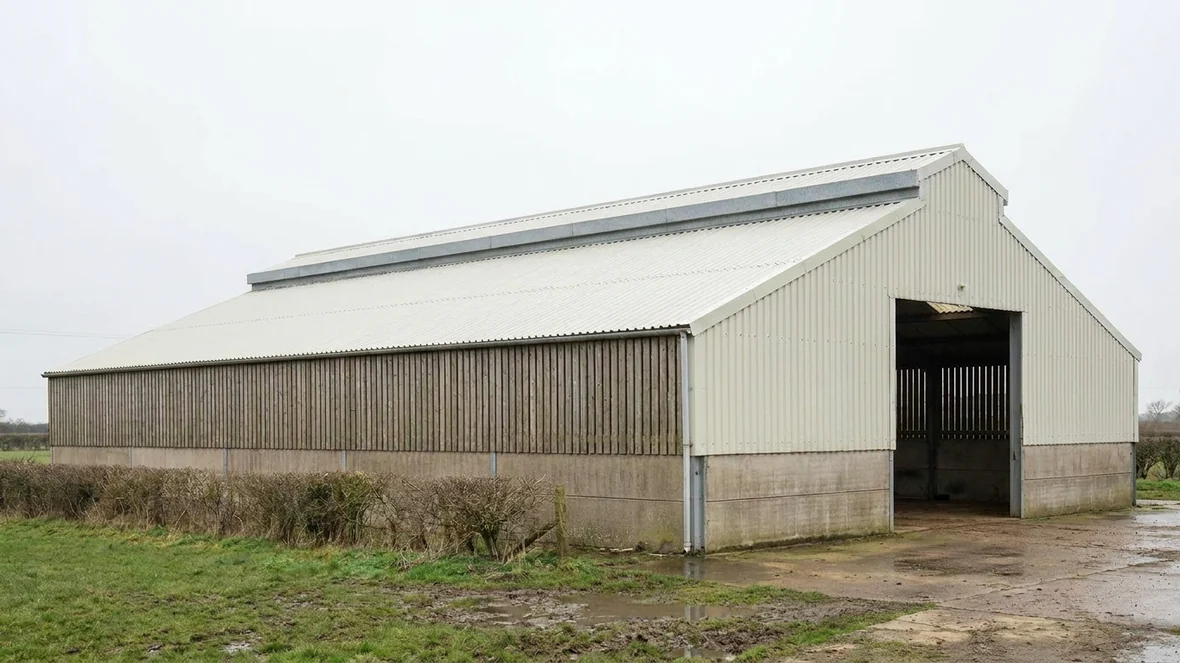
Asbestos cement sheeting is everywhere you look in the older buildings around Leeds and the wider West Yorkshire area. Think post-war industrial units, big distribution sheds, workshop blocks, and a load of farm buildings in the surrounding countryside. It was the cheapest roof going for about three decades. Most of these roofs have now seen forty to sixty winters, and the usual problems are surface erosion, moss, brittle laps, shot fixings, and leaks around the rooflights.
None of that automatically writes off a roof. Intact asbestos cement keeps its fibres locked inside the cement. The real risk starts when it breaks, gets drilled, or is severely weathered. That’s exactly what a proper encapsulation programme is designed to stop.
Compliance under the Control of Asbestos Regulations 2012
If you own or manage a non-domestic building, the duty to manage asbestos applies to you. The Regulations mean you have to find asbestos-containing materials, keep an eye on their condition, and have a written management plan. They don’t say you have to rip out good material. They say you have to manage it so it doesn’t harm anyone.
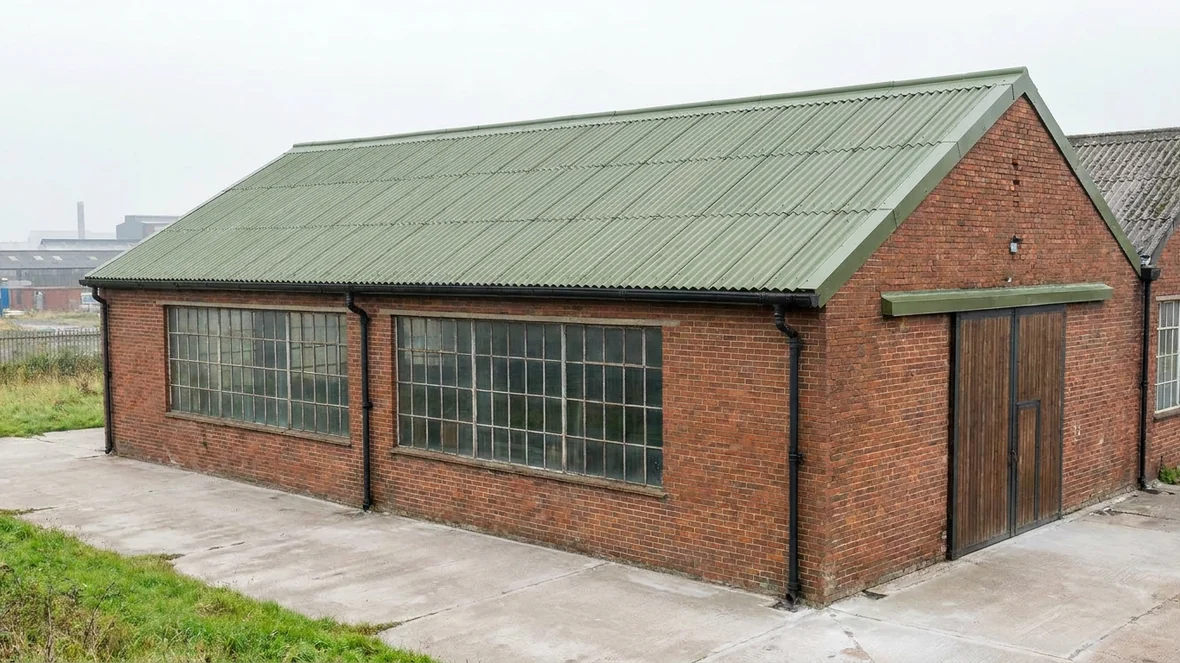
An encapsulated roof fits that duty perfectly. We seal the material, stop it getting worse, make it easier to inspect, and you get fresh paperwork for your asbestos register. For a lot of duty holders in Leeds, it’s the sensible and defensible choice.
Our crews cover Leeds and West Yorkshire for asbestos roof encapsulation, from the survey through to the final coat of encapsulating paint.
What the work looks like
- We start with a condition survey and a written recommendation. No pricing before that.
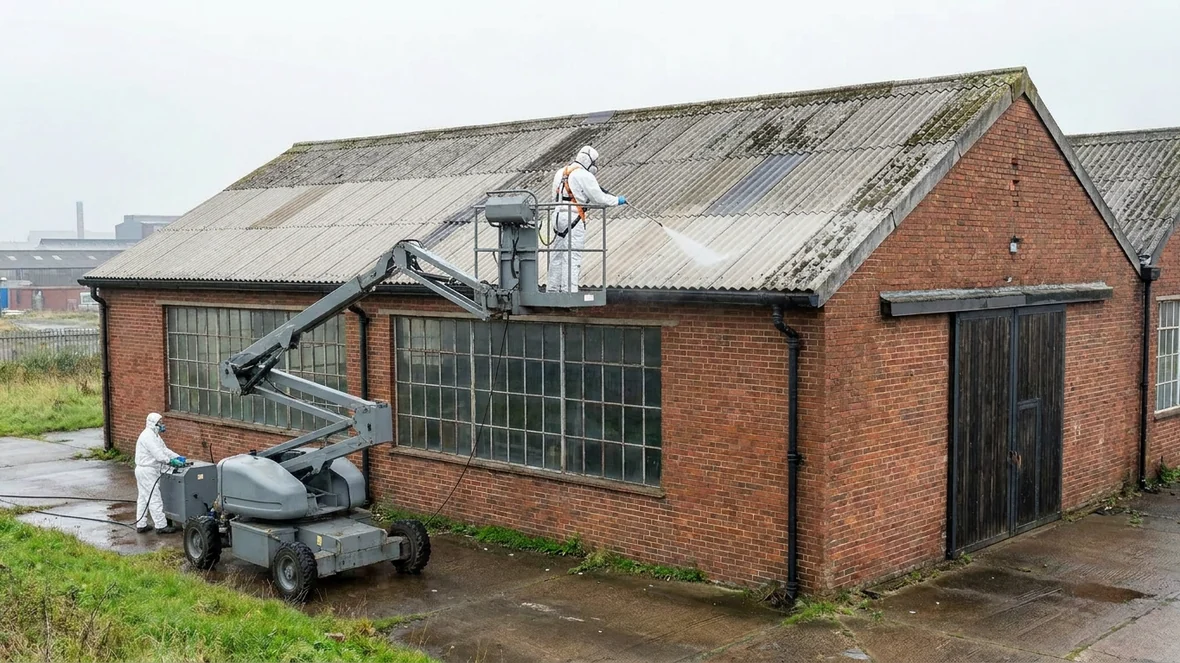
- Controlled cleaning of the sheets. No uncontrolled jet washing or dry abrasion.
- Repairs to fixings and flashings, and we’ll replace any isolated sheets that have completely failed.
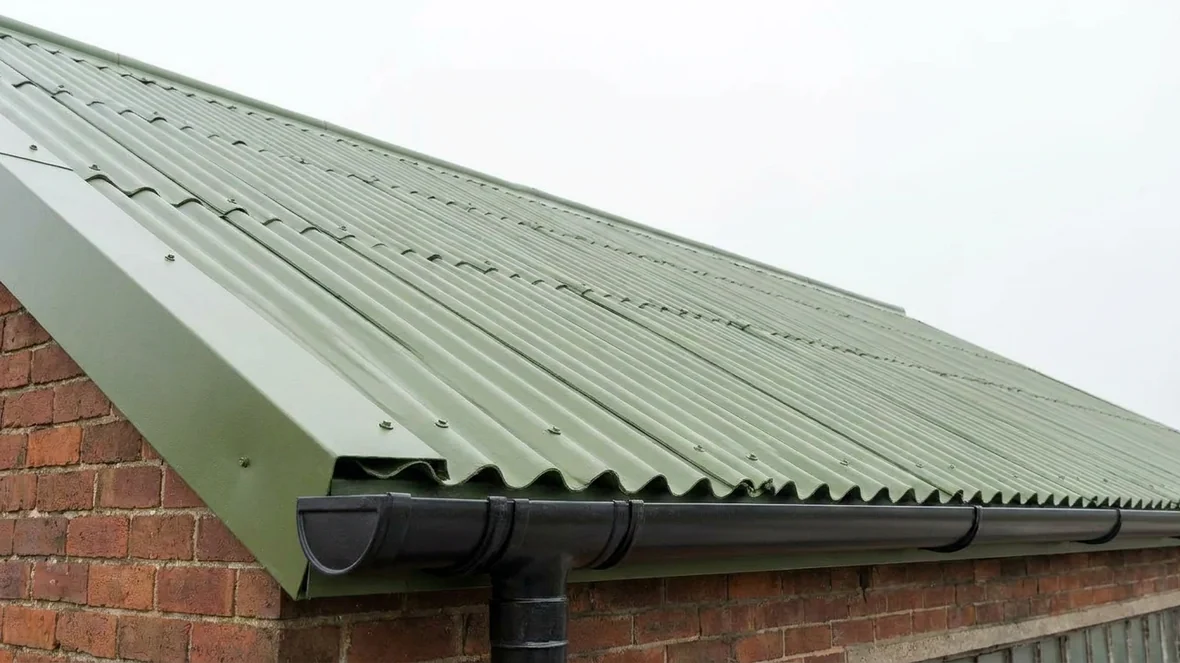
- A coating system specifically for asbestos cement. It seals the surface properly.
- You get all the records you need for your asbestos register and management plan.
Most of our encapsulation jobs happen while the building is still being used. There’s no big strip-out, no need for full-roof asbestos disposal, and far less risk than a re-sheet. That’s why it works well for busy units and farms that can’t just shut down.
When we will tell you to remove instead
Some roofs are just too far gone, and we’ll tell you straight. If the sheets are friable, delaminating, soft to walk on, or extensively cracked, a coating won’t make them safe. Sealing them would just hide a material that’s failing. In that situation, the right thing to do is full removal by a licensed asbestos contractor and a new roof. Our survey report will tell you that in plain English. We’d rather walk away from a job than coat a roof that should come off. If you’re facing this decision for a building in or around Leeds, get the survey done first. Let the roof tell us what it needs.
What encapsulation looks like on site
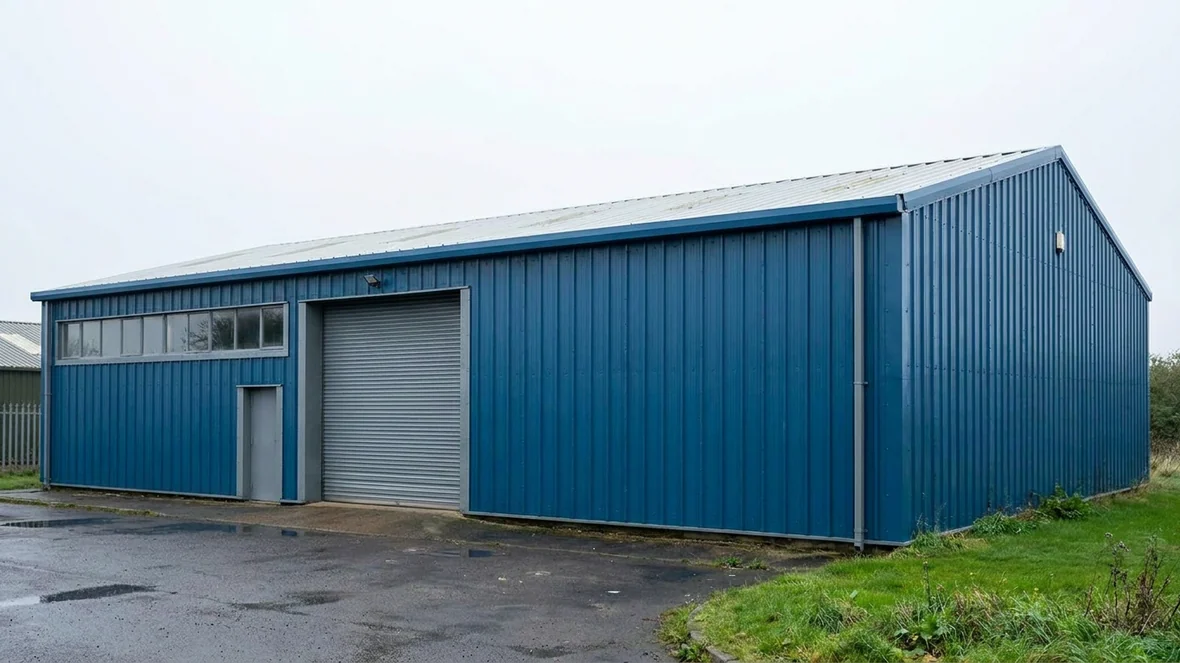
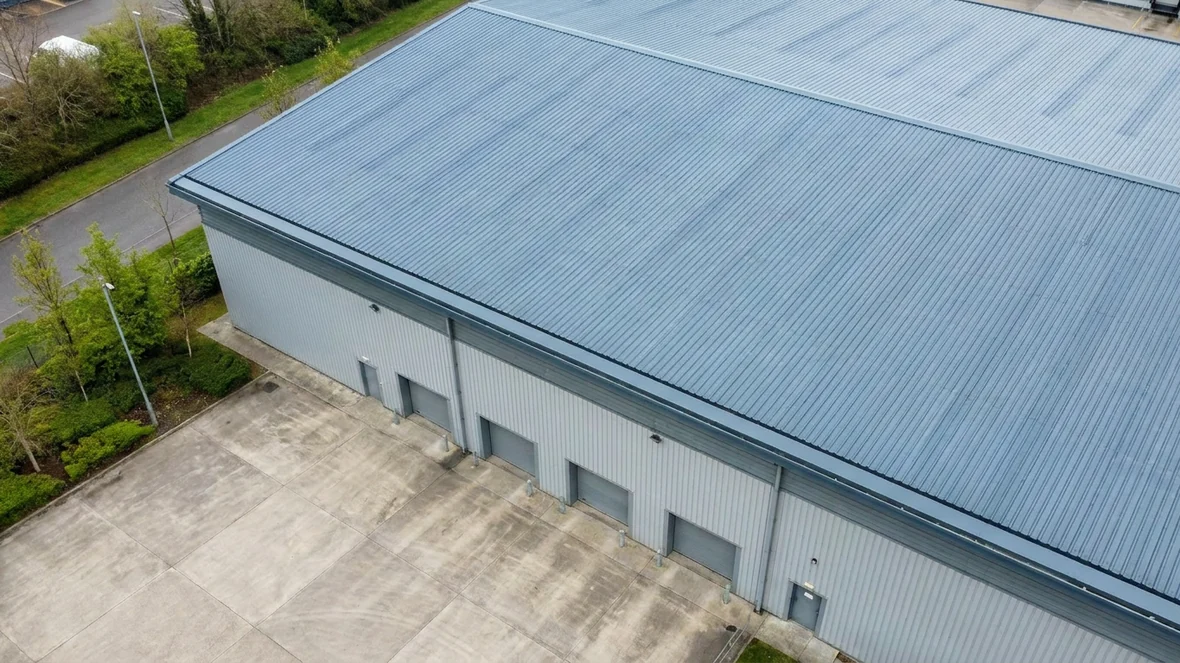
These are our own photographs from an engineering works roof we encapsulated near Sheffield, not stock images, using the same sheet-by-sheet survey behind every Leeds job. See our asbestos roof encapsulation page for the full process.
Standards behind our Leeds encapsulation work
Sound asbestos cement is usually better managed in place than disturbed, and our surveys follow that guidance sheet by sheet. Our teams plan every job around the HSE’s guidance on asbestos, and we hold CHAS accreditation so the health and safety paperwork a dutyholder or facilities manager asks for is ready before the first van arrives.
Common questions about asbestos roof encapsulation Leeds
Can an asbestos roof be encapsulated instead of removed?
Yes, provided the asbestos cement sheets remain sufficiently sound and the supporting structure is suitable. Encapsulation seals the weathered surface and reduces the release of fibres without disturbing the roof unnecessarily. It does not remove the asbestos, so the roof must remain recorded and managed as an asbestos-containing material.
We assess sheet condition, fixings, laps, previous repairs and structural movement before recommending asbestos roof encapsulation in Leeds. If the sheets are badly fractured, extensively patched or no longer secure, coating is unlikely to be the responsible option.
Will encapsulation stop an asbestos roof leaking?
It can resolve leaks caused by porous sheet surfaces, tired laps, minor cracks and defective fixing details. Those areas must be repaired and correctly prepared before the main coating is applied.
A coating cannot compensate for serious structural movement, failed purlins, large openings or sheets that have lost their integrity. We identify the likely route of water entry rather than assuming that every leak begins directly above the internal damp patch.
How long does asbestos roof encapsulation last?
Service life depends on the condition of the existing roof, the standard of preparation, coating thickness, exposure and subsequent maintenance. There is no useful universal answer without inspecting the building.
Regular roof inspections remain important after encapsulation. Gutters should be kept clear, new damage should be dealt with promptly and anyone carrying out later work must know that asbestos cement remains beneath the coating.
Can my building remain in use during the work?
Often it can, although this depends on access, the building layout and the activities taking place below and around the roof. A suitable work plan may require exclusion zones, controlled access, protection of openings and coordination around deliveries or production.
We consider neighbouring premises, parked vehicles, ventilation inlets and pedestrian routes as part of the survey. If the work cannot be separated safely from normal operations, temporary restrictions or a planned shutdown may be necessary.
Do I need an asbestos survey before the roof is coated?
The roof material and its condition need to be properly identified before work begins. Existing asbestos information may be adequate if it is current, clear and relevant to the proposed work. Where records are incomplete or the construction is uncertain, further survey work may be required.
The survey should also consider associated materials, including ridge pieces, gutters, linings, insulation and previous repairs. A roof described generally as asbestos cement can still contain other materials requiring different controls.
Asbestos roof coating or replacement: which is the better option?
Encapsulation is generally the less disruptive choice when the asbestos cement sheets are stable, the supporting structure is serviceable and the roof can be prepared without causing unacceptable damage. It retains the existing covering, limits disturbance and can address weathering, minor defects and vulnerable details.
Its limitation is equally clear: the asbestos remains in place. The building owner must continue to manage it, record its location and account for it during future alterations or demolition. Coating should therefore be treated as a roof refurbishment decision, not as asbestos removal by another name.
Replacement wins when the sheets are extensively cracked, soft, delaminated or insecure. It is also the stronger choice where the supporting structure requires major work, the roof layout is being altered, repeated local repairs have become impractical or the building needs a complete change in thermal performance and internal environment.
Replacement may also be preferable where long-term redevelopment plans would otherwise mean coating the roof now and removing it relatively soon afterwards. In that situation, encapsulation can defer rather than solve the wider asset problem.
Removal and replacement involve more disturbance, more waste handling and usually greater operational planning. They do, however, take the asbestos roof covering out of the building and allow the new roof build-up to be designed around current requirements. Where the existing roof has reached the end of its practical serviceability, we say so plainly rather than attempting to make coating fit an unsuitable substrate.
The correct decision follows a roof-level inspection and consideration of the building’s future use. We compare condition, access, structural movement, drainage, internal sensitivity and planned alterations before recommending either route.
Preparation and detailing before an asbestos roof is coated
Access and fragile-roof controls
Asbestos cement roofs are normally fragile, regardless of how substantial they may appear from ground level. We plan access so that operatives do not rely on the sheets for support. Work platforms, crawling arrangements, edge protection and protection around rooflights must suit the roof and the proposed method of work.
Controlled surface preparation
The coating can only adhere to the surface that is left behind. Loose moss, dirt, flaking previous coatings and poorly bonded material therefore require controlled removal. Aggressive cleaning can damage asbestos cement and spread contaminated debris, so preparation methods must be selected with fibre control, run-off collection and waste handling in mind.
We allow the roof to dry to an appropriate condition before coating. Applying material over trapped moisture, active contamination or an unstable surface creates an avoidable risk of poor adhesion.
Fixings, laps and cracks
Fixings are checked for corrosion, movement and failed seals. Sheet laps are inspected for gaps and capillary water entry, while cracks and redundant penetrations are treated using details compatible with the roof and coating system. We do not simply bury loose fixings or moving joints beneath a thicker layer of coating.
Ridges, abutments and roof penetrations
Ridge pieces, wall abutments, vents, ducts and pipe penetrations tend to concentrate movement and water entry. These areas usually need local detailing before the main roof area is coated. Existing mastics and improvised repairs are assessed rather than automatically coated over.
Gutters and rooflights
Gutters must be clear enough to receive water during preparation and after completion. Their joints, outlets and falls are separate drainage details and may require repair in their own right. Coating the roof sheets will not correct an undersized, poorly aligned or structurally failed gutter.
Rooflights also require individual assessment. Brittle, heavily discoloured or leaking rooflights may be better replaced than coated. Their junctions with the asbestos cement sheets must remain weatherproof without creating rigid details that restrict normal movement.