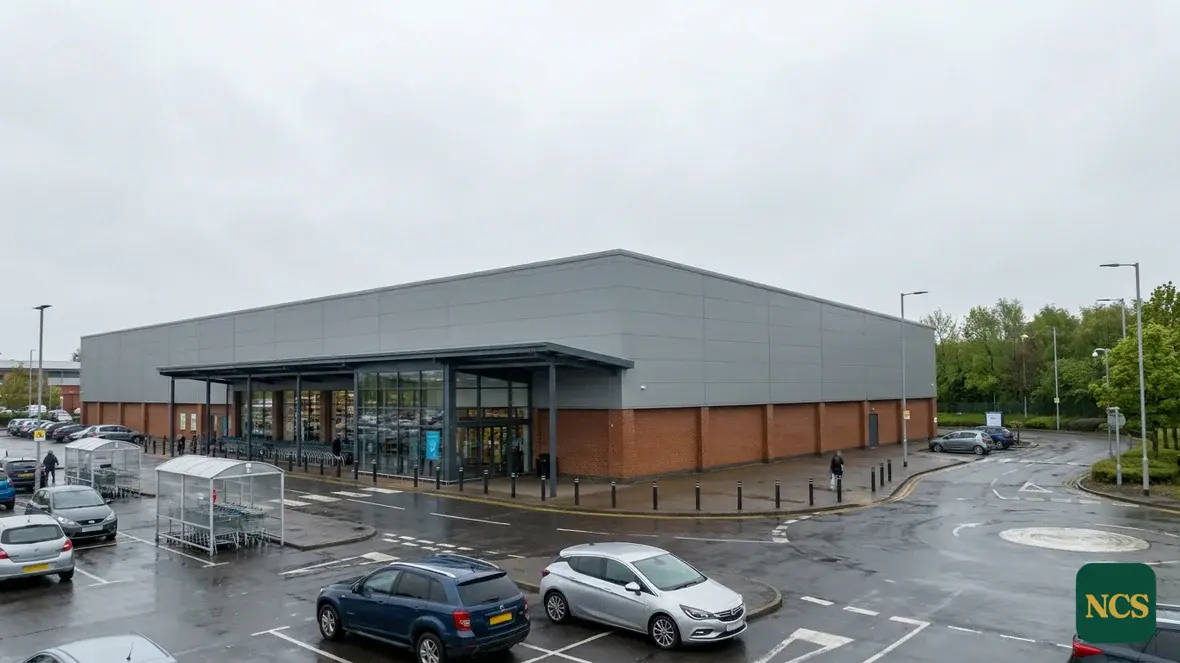
Commercial roof coating in Leeds
Between the Pennine weather rolling in from the west and a building stock that runs from Victorian mills to motorway-side distribution parks, West Yorkshire gives commercial roofs plenty to cope with. Commercial roof coating in Leeds offers building owners a middle path between patch repairs that never quite hold and a full replacement the structure may not actually need. We clean, repair and re-protect the existing roof in place while the building carries on working beneath it. National Coating Specialists takes every enquiry through the same survey-led sequence, because the decision to coat should rest on measurements, not assumptions.
The roofs of a working city
Leeds and the towns around it hold mill-era industrial buildings with pitched and layered flat roofs, mid-century factories and depots carrying asbestos cement sheeting, and modern steel-framed units with profiled metal roofs across the business parks and trading estates. Flat felt and asphalt roofs cover offices and trade premises of every age in between.
High rainfall and freeze-thaw cycles push all of these materials hard. Standing water finds every weak detail on a flat roof. Wind-driven rain tests laps and fixings on metal sheets through every autumn and winter. Gutters carry more water here than the same gutters would in a drier county. Coating systems are built for exactly this kind of renewal work, provided the roof beneath still has structural life left in it.
We take on roof painting work across Leeds in plain terms, but the specification is always a coating system matched to the sheet, never a cosmetic overpaint.
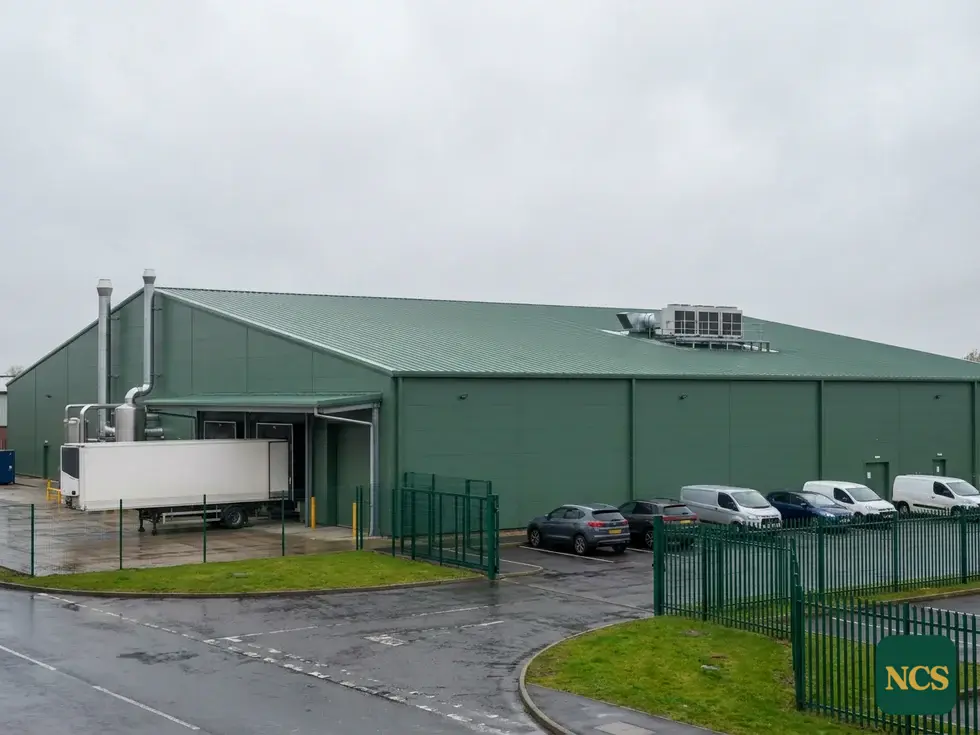
How we assess a building in this region
The survey is a physical inspection, carried out on the roof wherever access safely allows. We take moisture readings, examine laps, fixings, gutters, rooflights and flashings, and photograph each defect as we find it. Surveys run across West Yorkshire, including Bradford, Wakefield, Huddersfield and Harrogate. We arrange visits around how the building operates, so tenants and deliveries carry on undisturbed while we work overhead. The written report sets out:
- The roof’s condition, evidenced with photographs throughout
- A clear verdict on its suitability for coating
- The preparation and repairs required before any system is applied
- The coating system matched to your specific substrate
- The alternative we would recommend if coating is wrong for the roof
Only then does pricing enter the conversation, built from the specification rather than guessed ahead of it.
When we will tell you not to coat
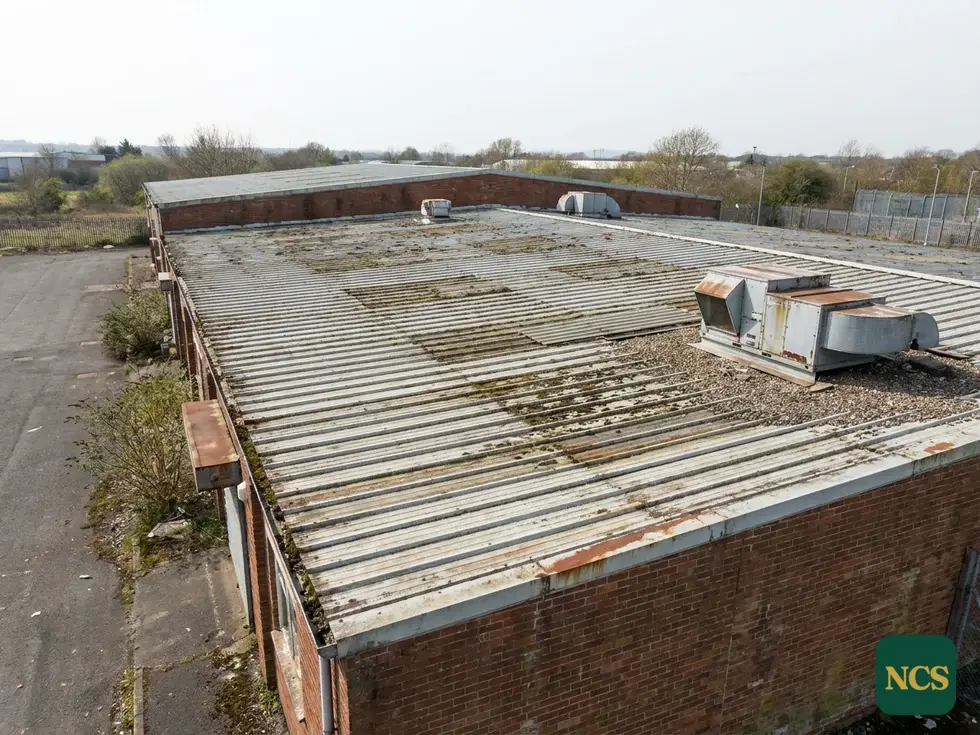
A coating cannot rescue a roof that has failed underneath. Saturated insulation, decking that has rotted or corroded, widespread sheet perforation, fragile asbestos cement and ponding caused by structural deflection all rule it out. When we find them the report says so without hedging. That answer costs us work and saves you money, which is the right way round for it to be. Part-failure is common too, where one elevation or one bay has gone while the rest holds: in those cases the report maps which areas can be coated and which need replacing first, so the budget goes where the building actually needs it. The findings remain yours, and you can take them to any contractor you choose.
Why the survey-led approach earns its keep
The difference between a coating that lasts and one that fails early is almost always decided before application: was the roof a genuine candidate, and was the preparation done properly? A survey-led contractor answers the first question with evidence and specifies the second in writing, so there is nowhere for corner-cutting to hide.
For owners managing busy buildings across Leeds and the wider north, that transparency is worth more than the most optimistic quote in the inbox. If your roof has been patched more times than anyone can count, an honest survey will tell you whether it has a coating-shaped future or not.