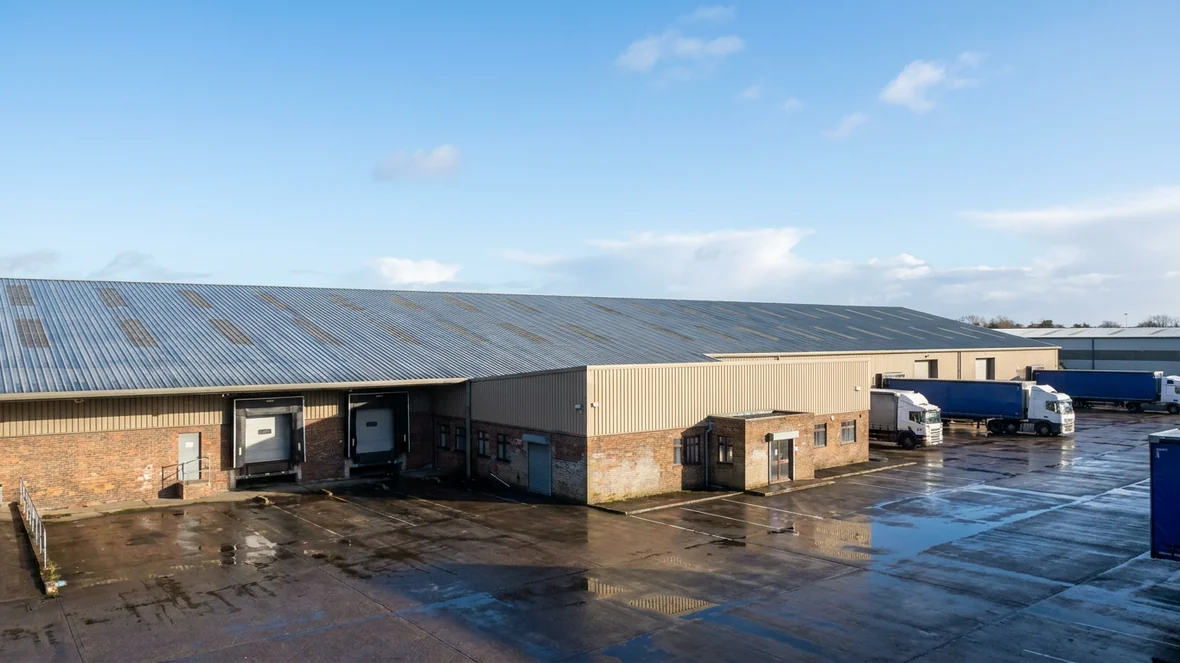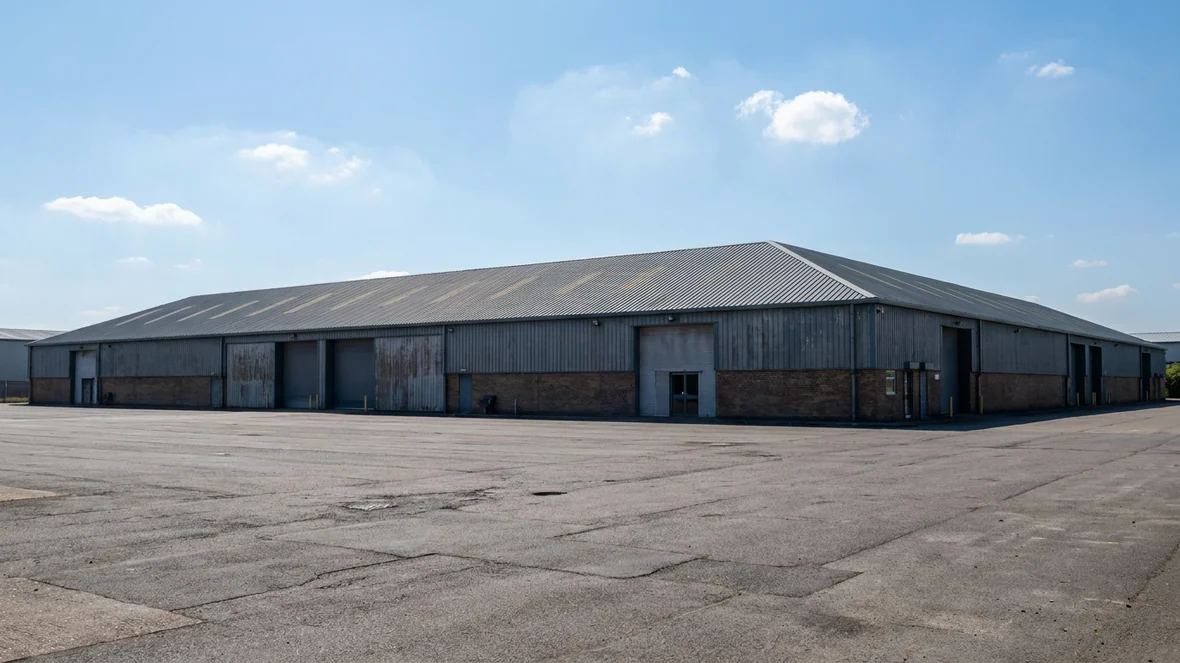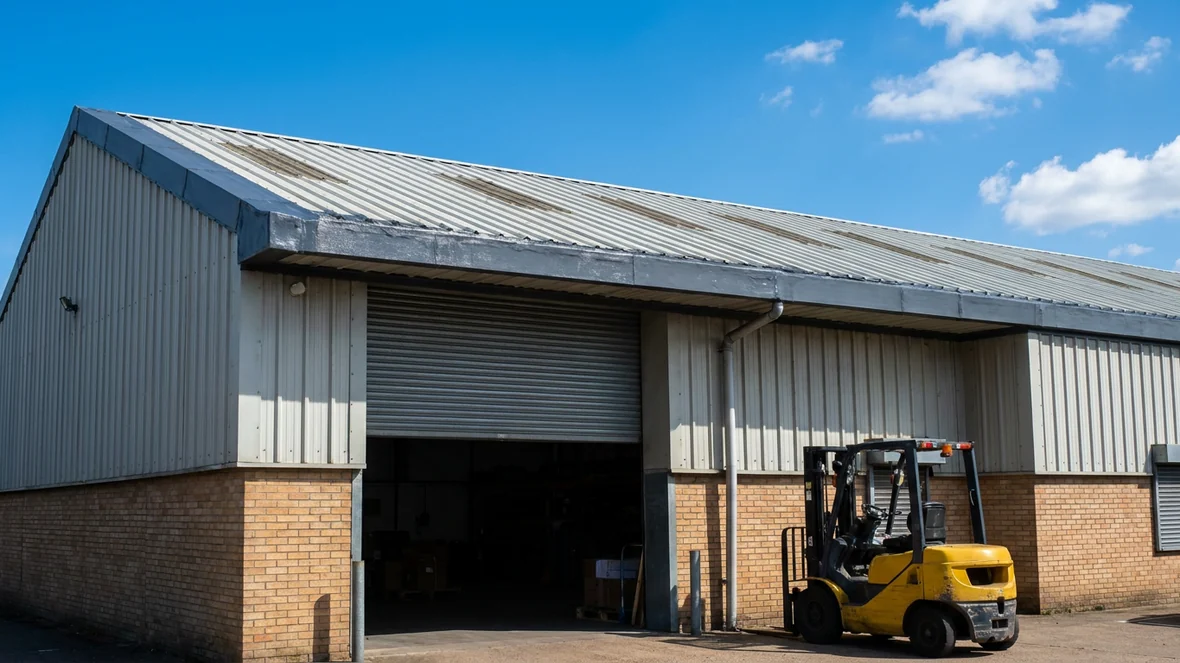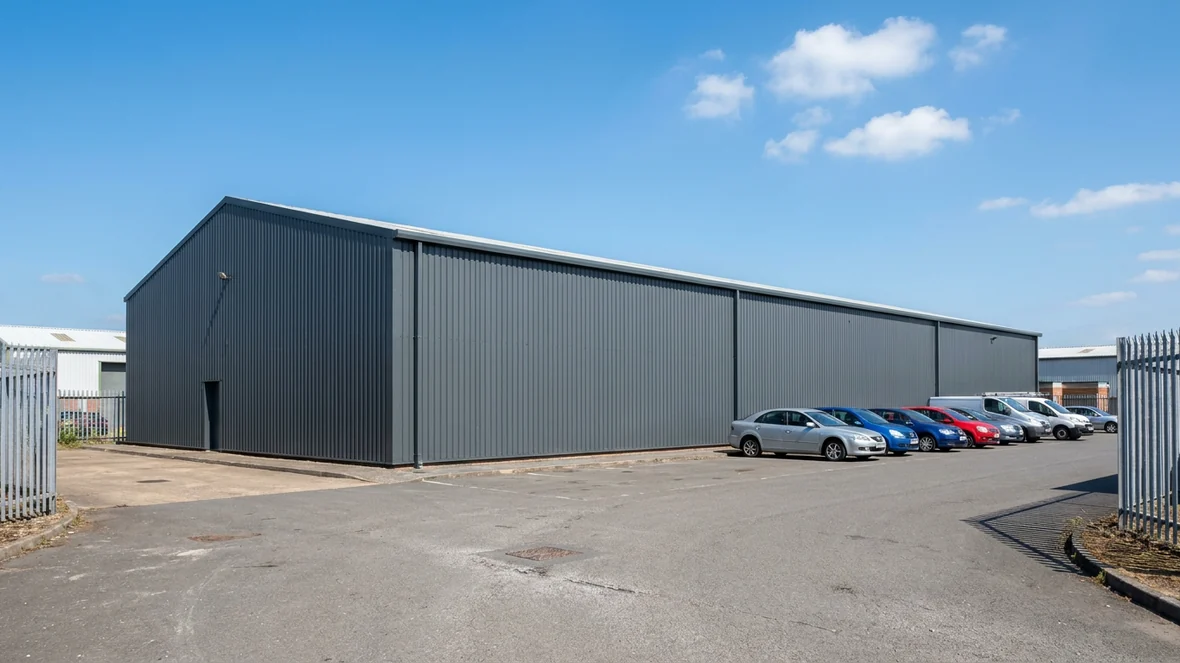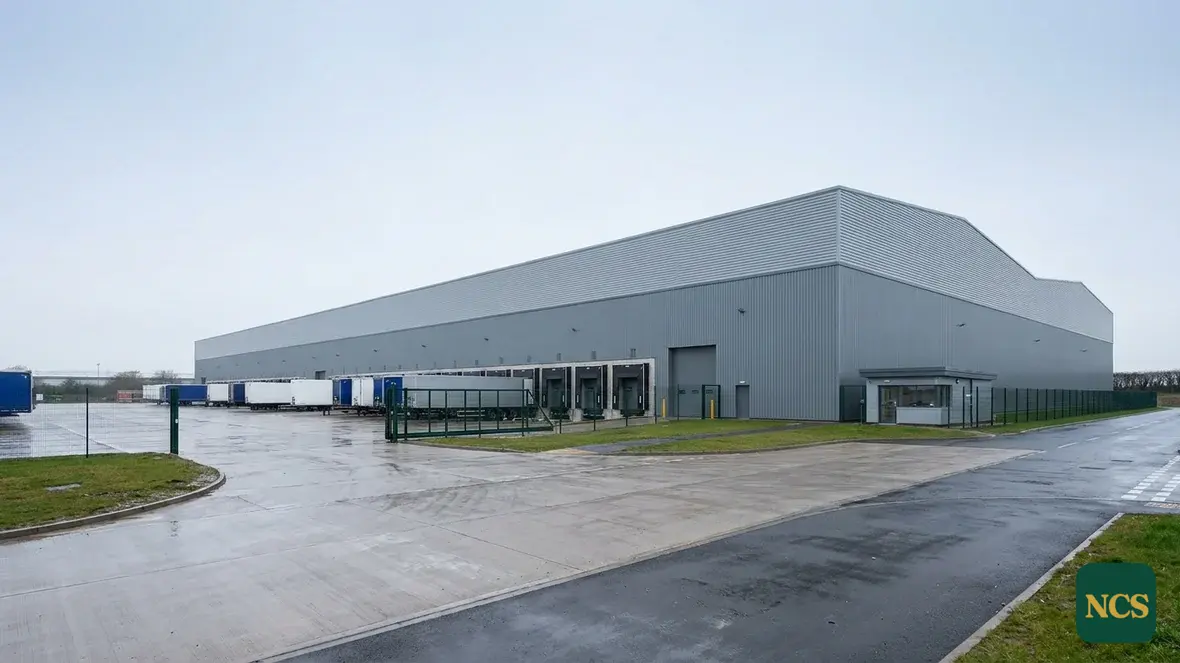








Liverpool carries a lot of industrial roof. Between the warehousing near the docks, the distribution units around Speke and Knowsley, and the factory sheds threaded through the wider city, much of the stock built from the 1980s through to the early 2000s sits under profiled metal sheeting that is now well into middle age.
National Coating Specialists surveys and coats exactly this kind of roof. We are based in the South East and work across England, and large profiled metal roofs on Merseyside estates are standard territory: long elevations, thousands of fixings, lapped sheet ends, and a coastal climate that does steel no favours.
Why metal roofs near the Mersey age faster
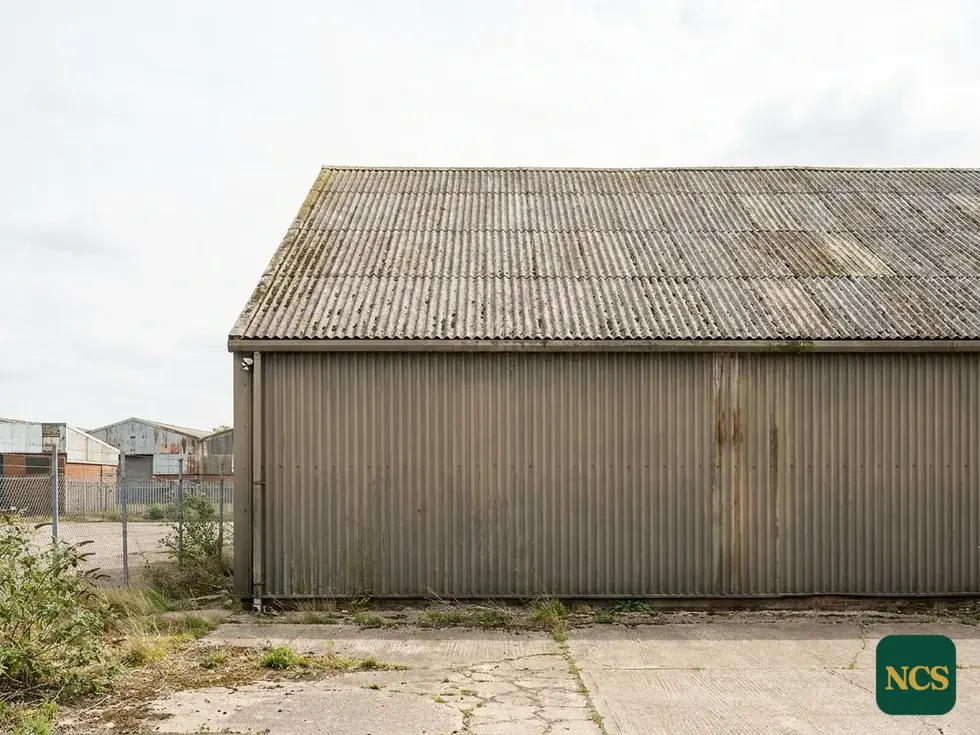
Salt-laden air off the river and the Irish Sea, wind-driven rain on exposed elevations and decades of thermal movement all work away at a profiled steel roof. The factory finish chalks and fades, fixings loosen and back out, and sealed laps begin to open. None of this means the roof has failed. It usually means the roof is asking for attention before corrosion eats into the sheet itself, which is the point at which a coating still makes financial sense.
Cut-edge corrosion: the usual finding
On most industrial roofs of this age, cut-edge corrosion is the headline issue. Where sheets were cut to length at manufacture, the protective layers were sliced through, leaving bare steel at every overlap and eaves edge. It shows up as a rusty band running along the laps. Caught early, it is treatable: the edges are prepared and sealed, defective fixings are replaced, and the whole roof is then coated to stop the cycle restarting. Left for another five or ten years, the rust creeps back from the edge, the laps let water through, and a repair conversation becomes a replacement conversation at many times the cost.
Working around a live operation
Most buildings we look at in Liverpool are working buildings: warehouses running shifts, manufacturers with production lines underneath, freight operations that cannot pause for roofing. Coating work happens from the outside, so activity below usually carries on as normal. There is no strip-off and no exposed deck, which removes the weather risk that comes with replacement. We agree access routes, working zones and delivery windows with your facilities or estates team before anyone arrives on site, and we phase the work so loading doors and yards stay usable throughout the programme.
When coating is the wrong answer
We will not coat a roof that should be replaced. If a survey finds sheets corroded through, widespread perforation, saturated insulation or a deck that is structurally tired, a coating would only hide the problem and waste the budget. In that case we say so plainly, in writing, and you can take that finding to a re-roofing contractor with no obligation to us. Coating is a maintenance decision for a roof with life left in it, not a rescue for one that has already run out.
Survey first, specification second
Every job starts with a proper survey rather than a guess from the ground. On a typical Liverpool industrial unit we examine:
- The condition of the sheet profile and remaining factory finish
- The extent of cut-edge corrosion at laps, eaves and verges
- Fixings, fasteners and washers across the roof area
- Rooflights, flashings, ridges and gutter condition
- Evidence of leaks or damp insulation from inside the building
You then receive a written report and a specification matched to what the roof actually needs. If the honest answer is that coating is not right for your building, the report says that too. To arrange a survey on an industrial roof in Liverpool or anywhere on Merseyside, get in touch and tell us about the building.