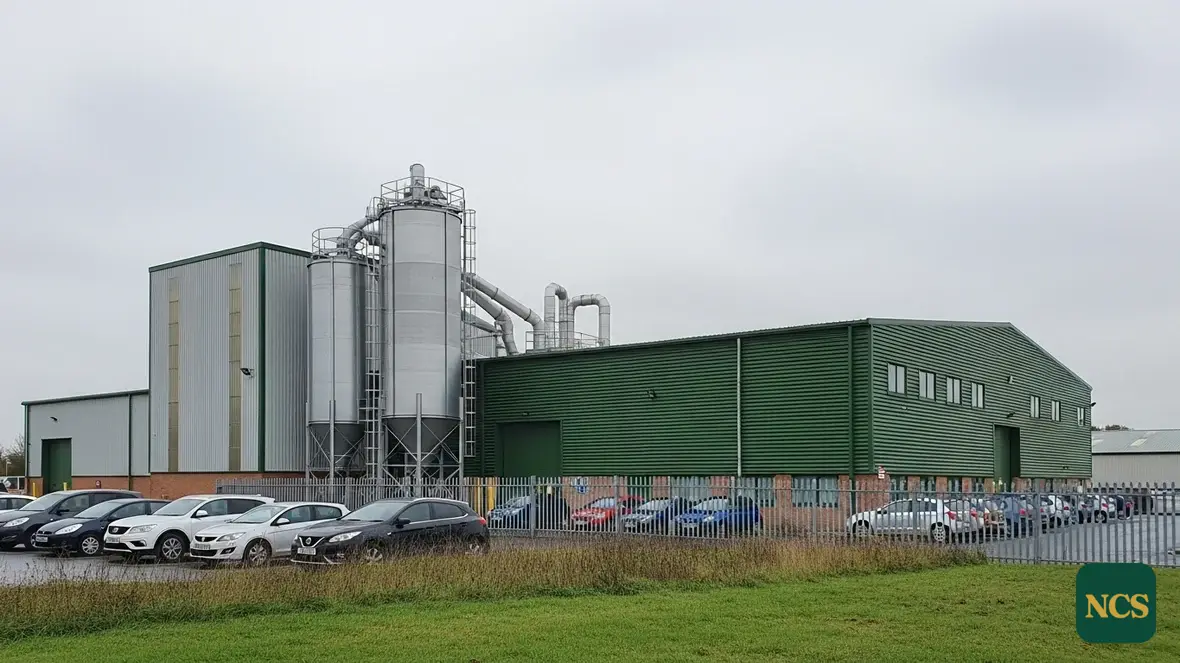
Commercial roof coating in Liverpool
That salt-laden wind off the Irish Sea is a constant on Merseyside, and it punishes roofs. Metal sheets corrode faster here, flat roof coverings weather harder, and details that would last for decades inland give up early. Commercial roof coating in Liverpool is for exactly this situation: a roof that’s structurally sound but whose protective surface has been hammered by the elements. We can clean, repair, and re-protect it without having to rip it all off. National Coating Specialists surveys your roof before we recommend anything, so you get an honest assessment of what it actually needs, not what a sales target says it needs.
Our commercial roof painters cover Liverpool and the surrounding area, and every roof is walked and surveyed before any system is put forward.
Buildings and substrates around Merseyside
The commercial property here ranges from those old dock-era warehouses and brick industrial buildings, through post-war factory units, to modern distribution parks and retail sheds. You see that history on the roofs: profiled metal sheeting in every state imaginable, asbestos cement on the older units, felt and asphalt flat roofs on workshops and offices, and concrete decks on the bigger mid-century structures.
That coastal exposure really speeds up all the usual problems. Cut edge corrosion on metal roofs appears earlier and spreads faster than it would further inland. Lap seals and fixings deteriorate ahead of schedule, and the gutters often go quietly at the same time, rusting from the inside where no one ever looks. None of this automatically rules coating out, but it definitely raises the stakes on getting the assessment right before anything is applied. It makes the choice of system and the prep method matter even more than usual.
What the survey establishes
A survey means we get someone on your roof who has the time to inspect it properly: sheet and membrane condition, moisture readings, fixings, laps, gutters, rooflights, upstands, and flashings. We photograph it all and write it up into a report you can keep. We survey across Merseyside and the surrounding area, including Birkenhead, St Helens, Widnes, and Warrington.
From that evidence, you get a straight recommendation. If the roof suits coating, the report sets out the preparation, the repairs, and the system we would use, in that order. If it doesn’t, the report explains why and what the realistic alternatives look like. The findings are yours either way, whoever you end up instructing.
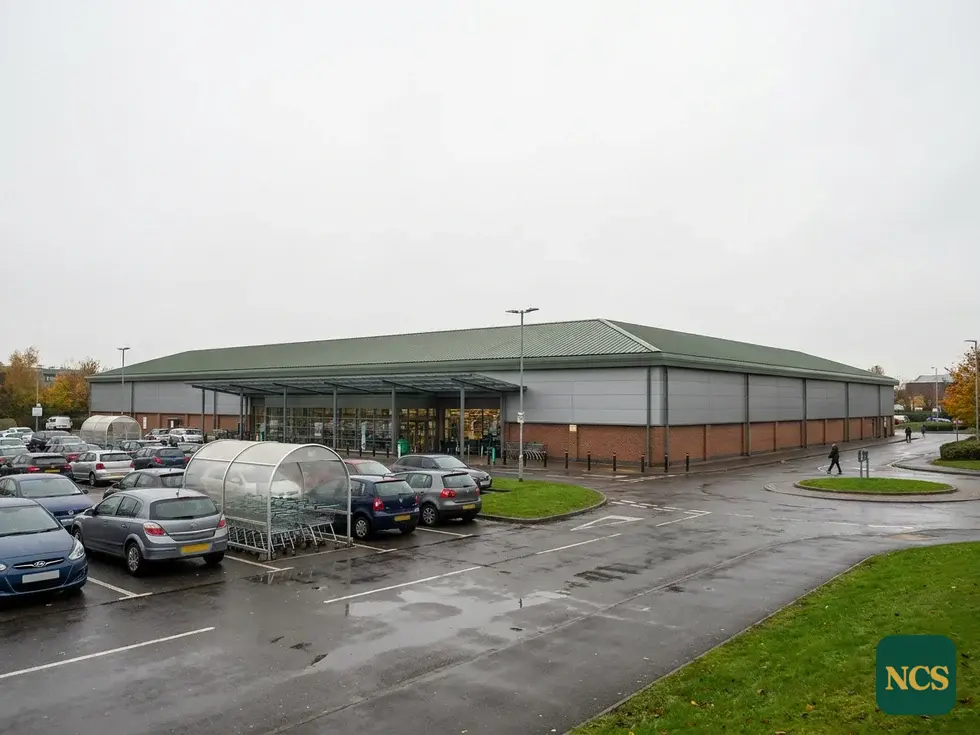
When coating would be the wrong spend
Some roofs are past the point where coating makes sense, and pretending otherwise helps no one. Perforation across large areas of metal sheet, saturated insulation under flat roofs, decking that has rotted or corroded structurally, or asbestos cement that’s too brittle for safe preparation. All of those point towards replacement, not coating. Sealing over problems like these doesn’t stop them; it just hides them while they get worse underneath a fresh surface. We’ll put that conclusion in writing whenever the evidence leads there, because a short, honest “no” protects your budget far better than a long, expensive “yes”. The survey works in both directions, though: plenty of roofs that look beyond help from the ground turn out to be sound underneath, with years of service left once they are properly protected.
The case for survey-first contracting
Coating systems fail for one reason more than any other: they were put onto roofs that should never have received them, or onto surfaces that weren’t properly prepared. Both failures start before the first coat goes on, and that’s why the survey is the most important day of the entire job.
A contractor who inspects, measures, reports, and only then prices has nothing to hide and nothing to fudge. On a coastline that punishes shortcuts as quickly as this one does, that’s the contractor you want standing on your Liverpool roof, and it’s the only way we’re prepared to work.
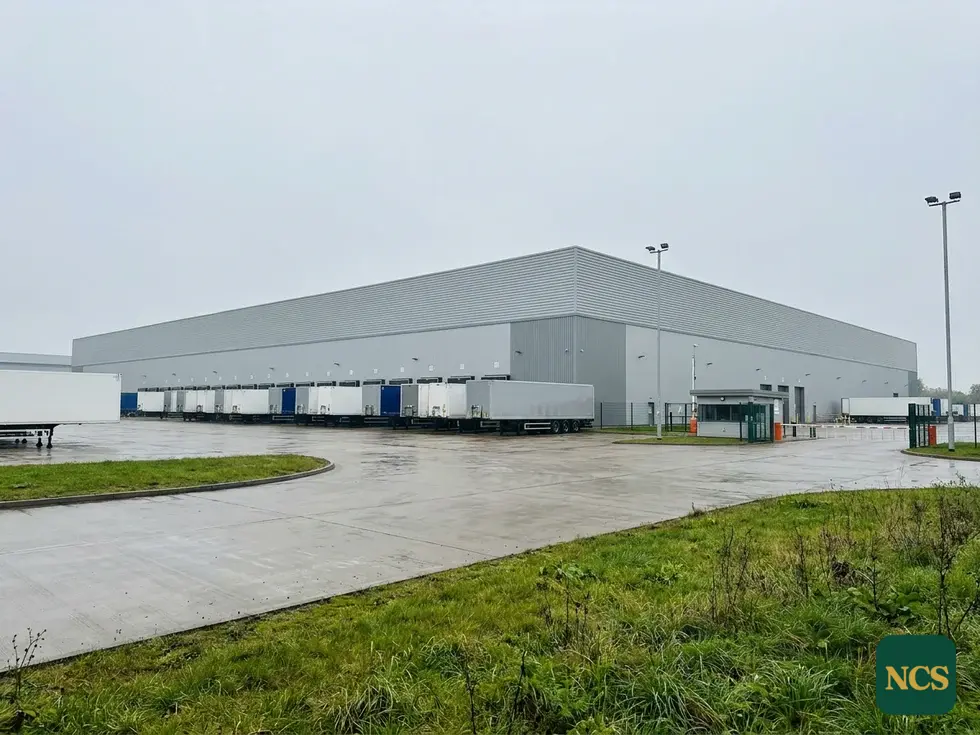
What a commercial roof coating survey in Liverpool looks at
National Coating Specialists carries out commercial roof coating work in Liverpool and the surrounding area. Every building is assessed on its own condition first. The survey weighs up the points that decide whether coating, repair or replacement is the right route:
- Clear description of services specific to Liverpool’s industrial and coastal environment.
- Detailed breakdown of roof types coated (metal, flat, asbestos, cladding).
- Explanation of cut edge corrosion repair and why it matters on Merseyside.
- Cladding spraying and full building envelope refurbishment section.
- Step-by-step outline of the commercial roof coating process.
Related survey-led services
Cladding SprayingSurvey-led cladding spraying for commercial and industrial buildings across England.
Cut Edge Corrosion TreatmentSurvey-led cut edge corrosion treatment for commercial and industrial buildings across England.
For a survey-led assessment of your building in Liverpool, request a free site survey.



