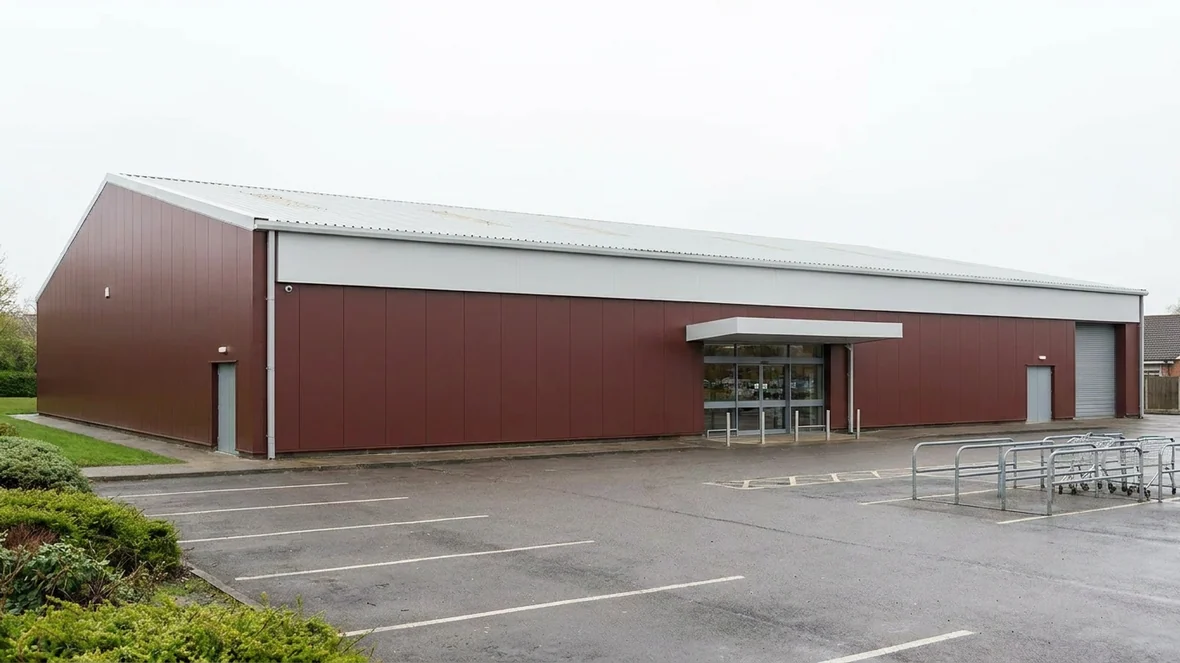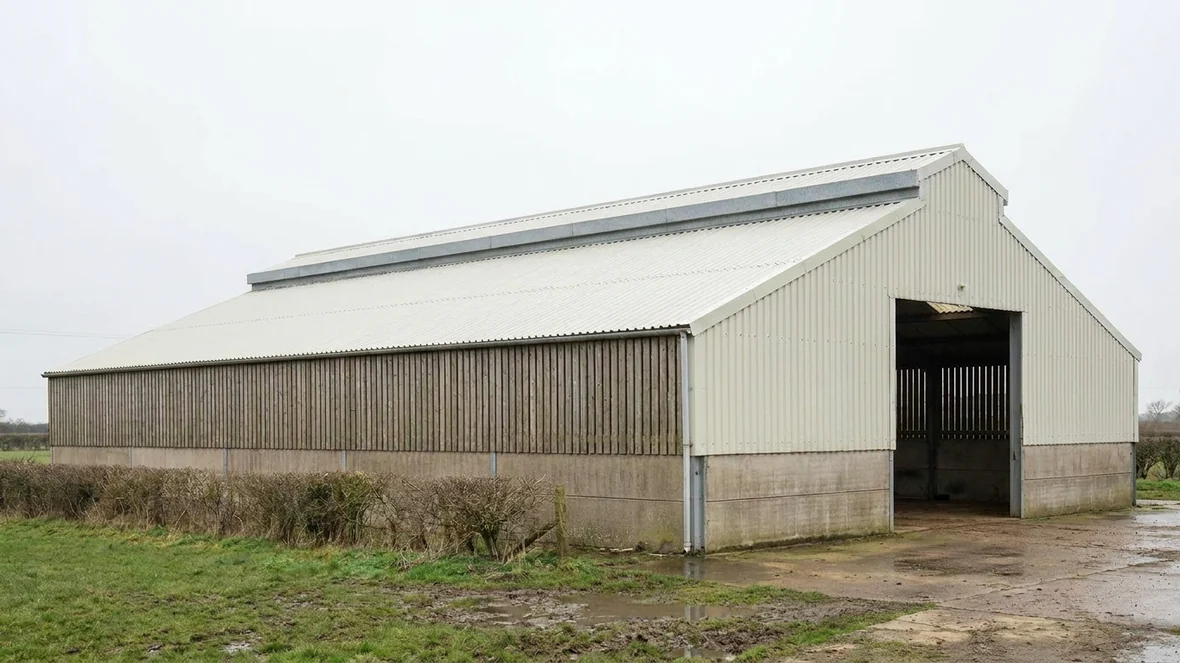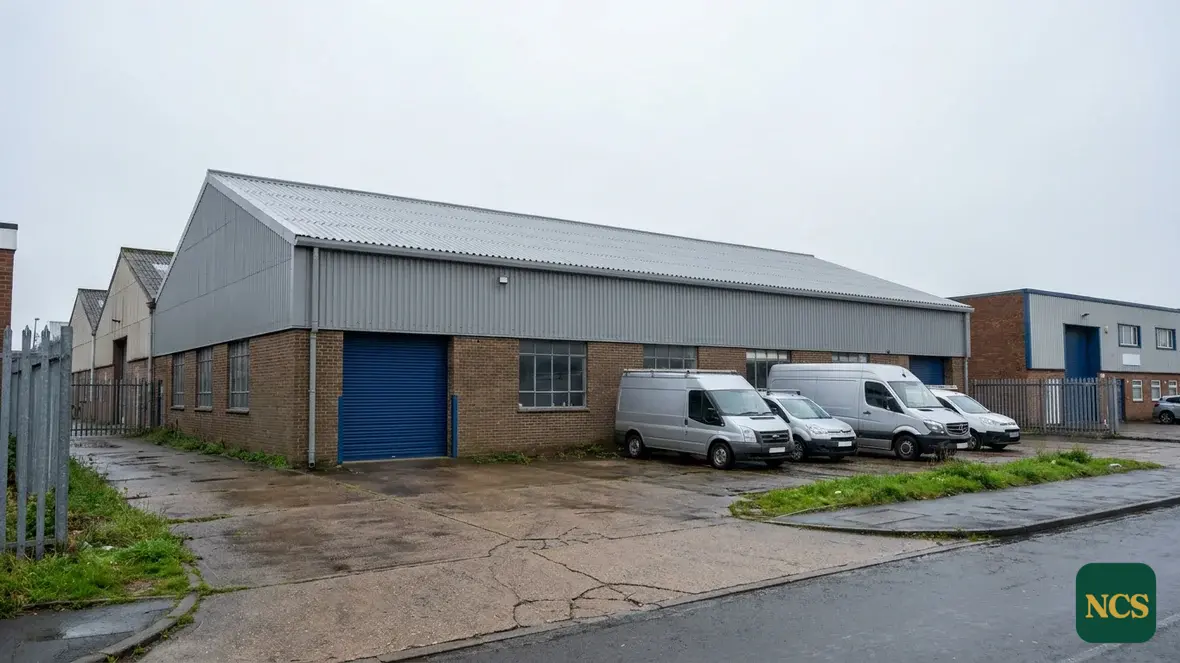




Asbestos roof encapsulation Liverpool duty holders ask about usually starts with a roof that still looks sound from the ground but has clearly had enough of the Mersey weather.
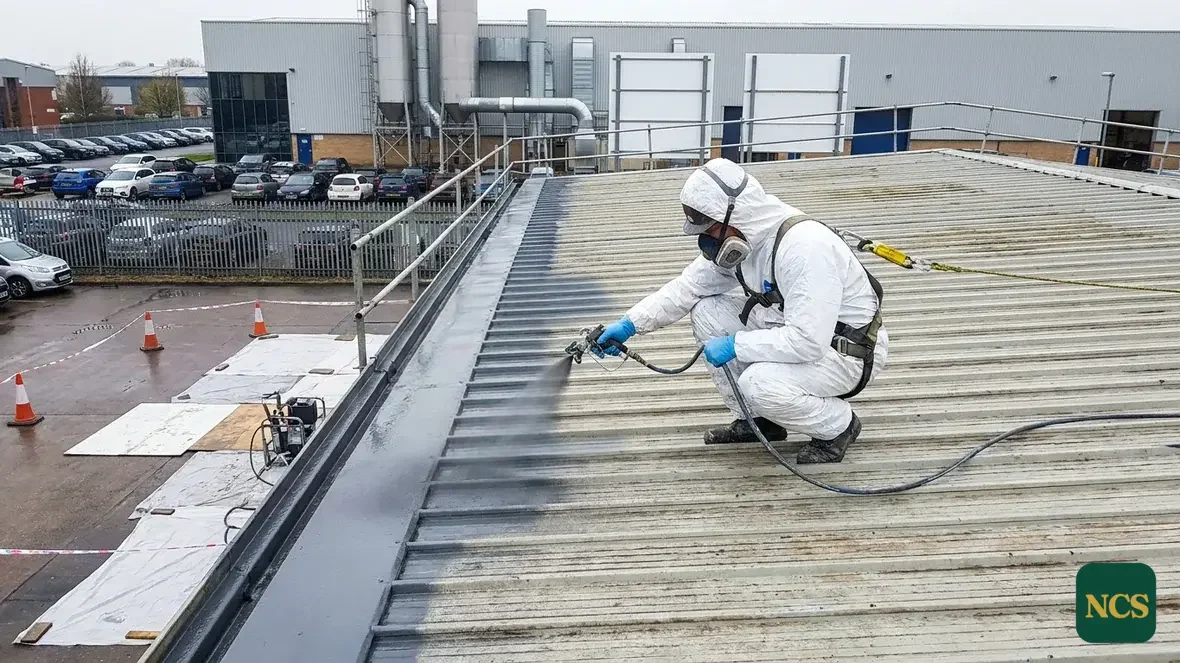
Asbestos roof encapsulation Liverpool: weathered cement on Merseyside
That exposed coastal weather is hard on a roof. We’ve seen it across the UK, but the asbestos cement sheets on many of Liverpool’s industrial units, depots and warehouses have taken decades of it. Wind-driven rain, salt-laden air and constant damp really chew at these roofs. Building stock around Merseyside often reaches the decision point earlier than the same buildings would further inland.
The decision itself is binary: remove the roof and re-sheet, or keep it and encapsulate. Encapsulation means we clean, repair and seal the existing sheets with a coating designed for asbestos cement. It’s the lower-cost, lower-disruption route, but we only recommend it if the roof sheets are still sound. The condition decides. That’s why everything we do starts with a survey.
The case for encapsulation on a sound roof
Intact asbestos cement holds its fibres inside the cement matrix. The danger comes from breakage, drilling and advanced weathering of the surface. Encapsulation stops that pathway. After we’ve done the controlled cleaning and repairs, the coating seals the surface. The fibres are locked in. The weather can’t eat at the sheets anymore. Leaks at the laps, fixings and rooflights all get dealt with in the same programme.
For an occupied building, the practical wins are substantial: no strip-out, no full-roof asbestos disposal costs, tenants and operations undisturbed. Plus, you get a finished roof that’s easier to inspect and maintain. For most sound roofs, the cost sits well below removal and replacement.
The difference between asbestos roof painting and proper encapsulation is the specification and the controls. Around Liverpool we only do it the second way.
Your legal position as a duty holder
If you control a non-domestic building in Liverpool, you’ve got a duty to manage any asbestos in it. That’s from the Control of Asbestos Regulations 2012. In practice, it means knowing where the material is, recording its condition, assessing the risk and keeping a written management plan that you follow. The Regulations don’t force you to remove sound material. But they do require you to stop it deteriorating to the point of risk. A documented encapsulation programme is a strong way to demonstrate exactly that. The survey report and completion records feed straight into your asbestos register.
Roofs that need removal, not coating
We turn encapsulation work away when the roof doesn’t justify it. You should be suspicious of any contractor who never does. Sheets that are friable, soft, delaminating or extensively cracked are beyond sealing. A coating over failing material just hides the problem while it gets worse. Roofs in that state need removal by a licensed asbestos contractor and a replacement covering. Where the damage is genuinely localised, the survey might support swapping individual sheets and encapsulating the remainder, but that judgement is made on the roof with the evidence in front of us, never from a photograph or a postcode.
Booking a survey in Liverpool
We are a survey-led exterior coating contractor. We’re based in the South East, but we work across the UK. A visit to your building establishes the points that matter:
- Whether the sheets are sound enough to encapsulate at all
- What cleaning, repairs and sheet replacement the roof needs first
- The condition of rooflights, flashings and gutters
- What the works mean for your asbestos register and management plan
If your Liverpool building carries an ageing asbestos cement roof, get the condition assessed while encapsulation is still an option. The longer the surface weathers, the more likely the answer becomes removal.
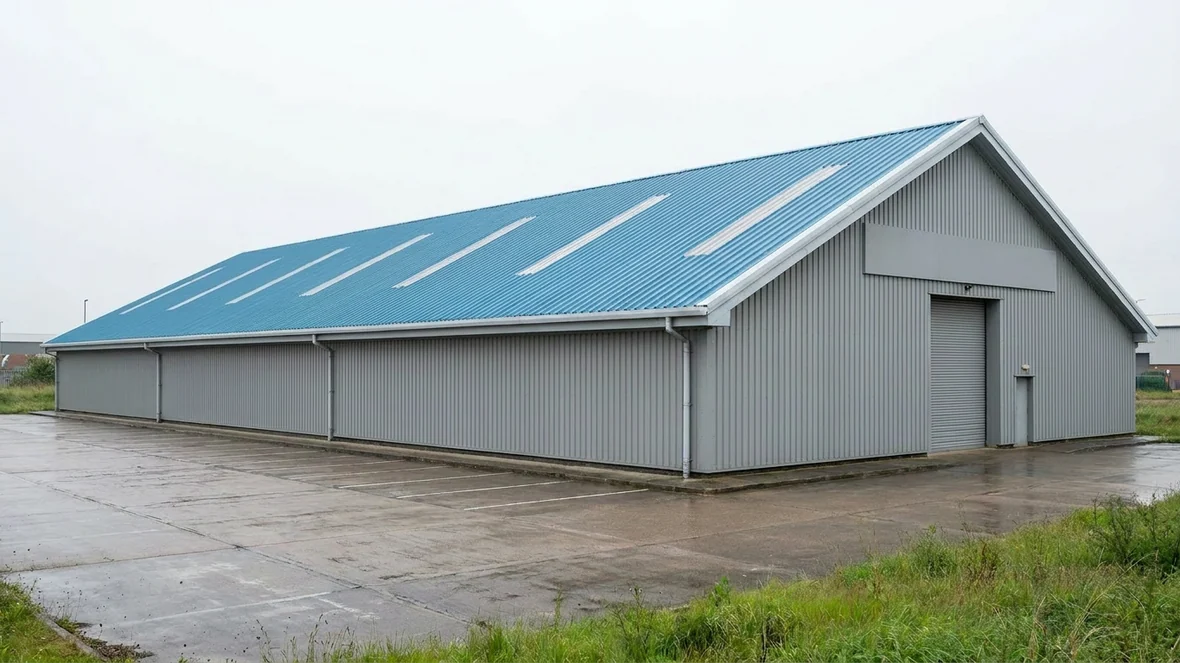
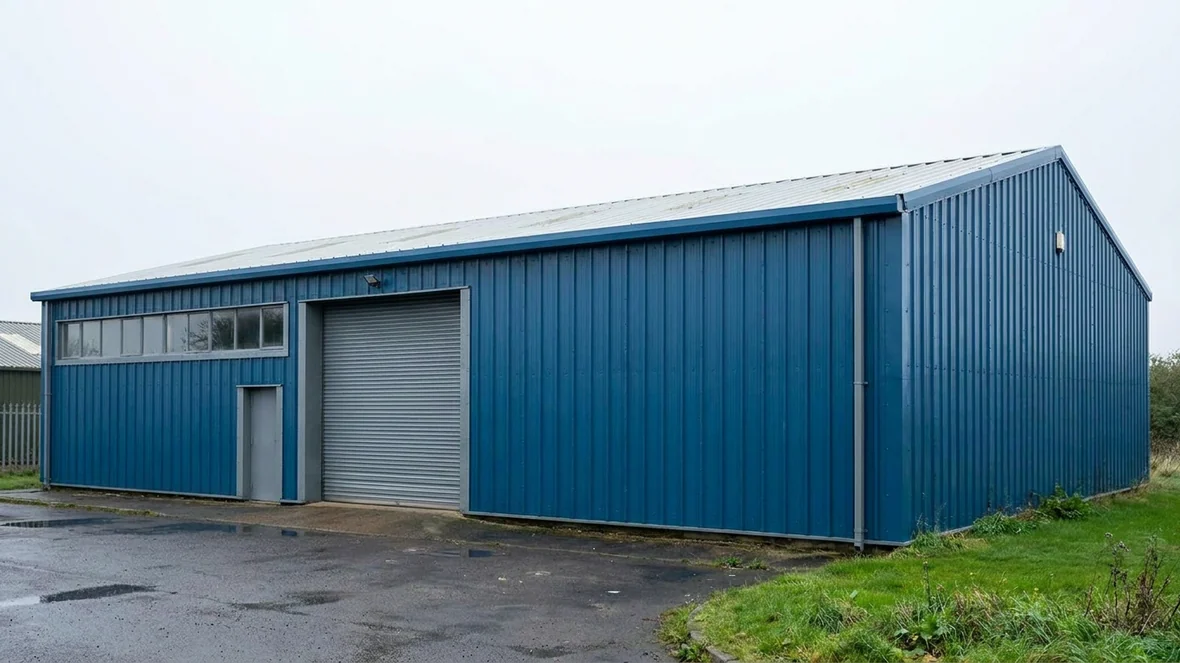
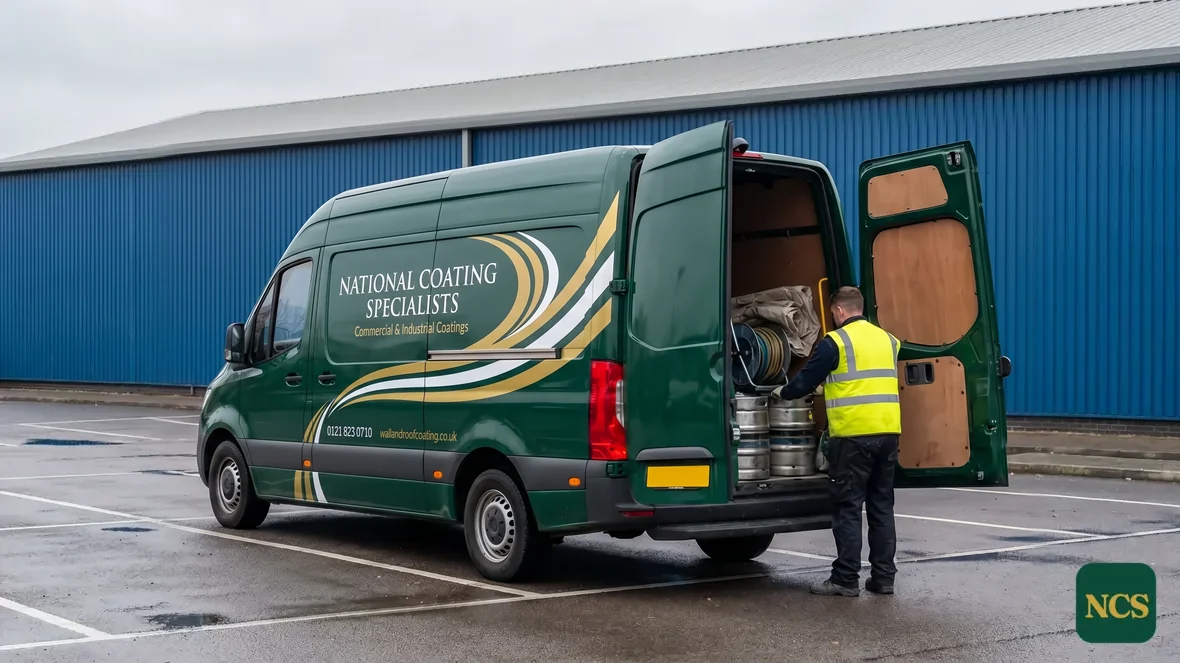
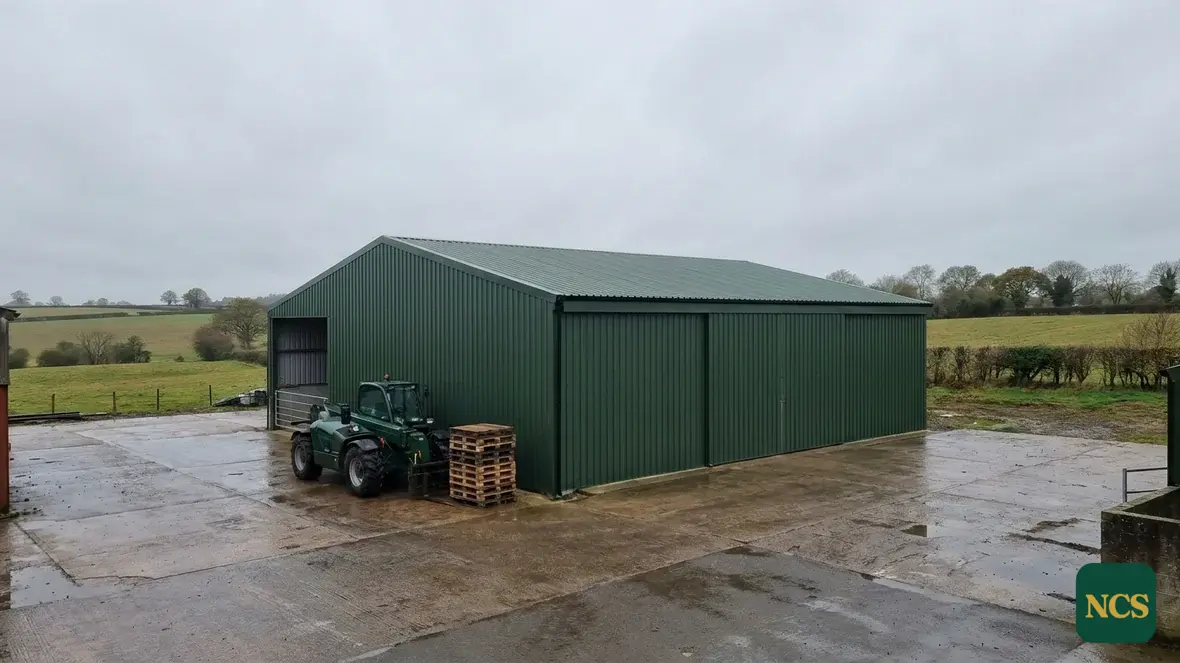
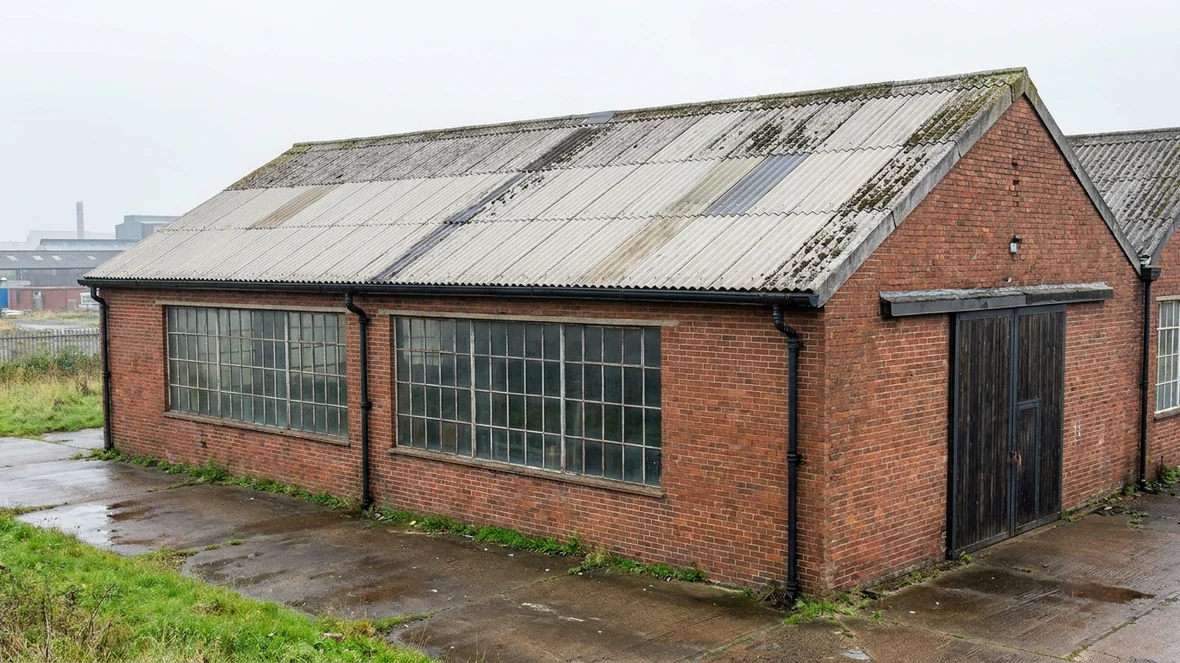
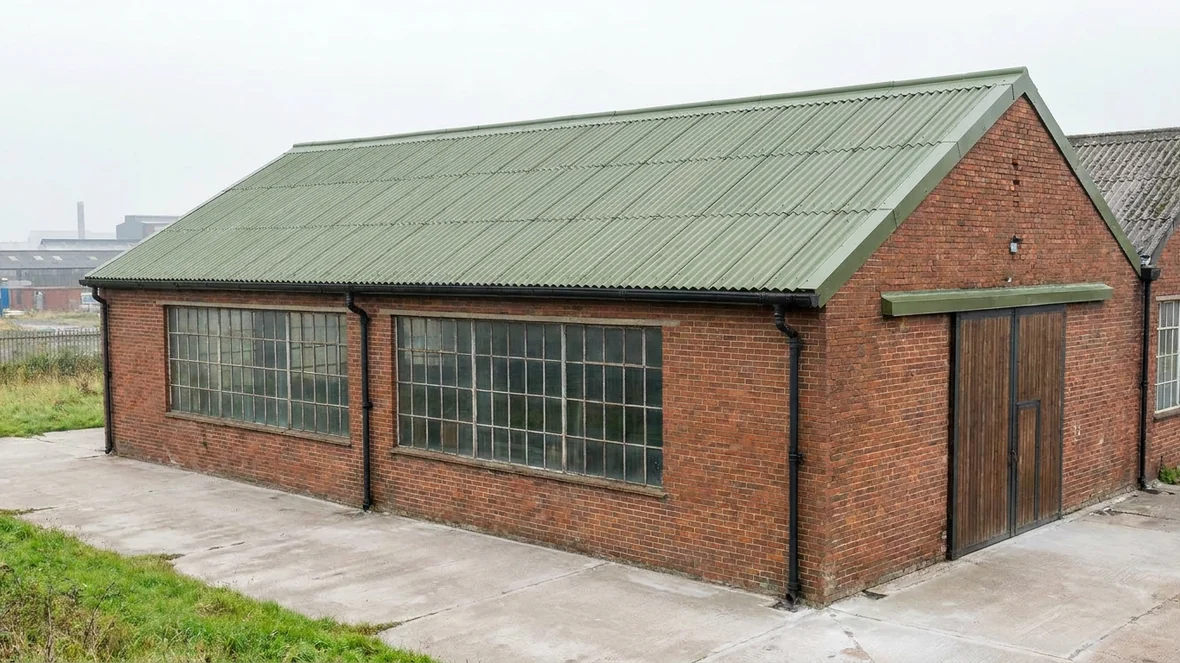
Asbestos roof encapsulation Liverpool: recent work we can show you
These are our own photographs from jobs of the same type. They are not stock images, and none of them is dressed up as something it is not. The caption tells you where each one was taken.
Standards behind our asbestos roof encapsulation Liverpool work
Encapsulation is only ever recommended after a survey confirms the sheets are sound, in line with the duty to manage asbestos in non-domestic buildings. Our teams plan every job around the HSE’s asbestos guidance, and we hold CHAS accreditation so the health and safety paperwork a facilities manager or duty holder asks for is ready before the first van arrives.
Common questions about asbestos roof encapsulation Liverpool
Can an asbestos cement roof be coated safely?
Yes, provided the sheets remain sufficiently sound to accept a coating system. We begin with a condition survey and a task-specific risk assessment. Preparation must avoid uncontrolled fibre release, so aggressive abrasion, dry brushing and unsuitable pressure washing are not appropriate.
Will encapsulation stop an asbestos roof leaking?
It can address leaks associated with porous sheets, weathered surfaces, laps and local fixing details. It will not correct serious structural movement, badly fractured sheets, defective drainage or persistent condensation. We identify the likely source of water ingress before recommending coating.
Does the asbestos roof need to be removed before coating?
No. Encapsulation is intended to retain suitable asbestos cement sheets and seal their exposed surface. Localised sheets or details may still require specialist attention where damage is too severe for repair and coating.
Can the building remain in use during the work?
Often it can, although this depends on access, the building’s activities and the controls required below the roof. We plan segregation, residue collection and working areas around the occupied premises. Where safe separation cannot be maintained, temporary restrictions may be necessary.
How long does asbestos roof encapsulation take?
The programme depends on roof area, condition, access, detailing and suitable weather. Preparation often determines the timescale more than coating application. We set out the proposed sequence after surveying the roof rather than relying on a generic duration.
Asbestos roof coating or replacement: which is the better option?
Coating is usually the less disruptive choice when the asbestos cement sheets are stable, the supporting structure is serviceable and deterioration is mainly at the surface, fixings, laps or local details. It retains the existing covering, reduces disturbance and can postpone the need for removal.
Replacement wins when the roof is structurally unreliable, extensively fractured, repeatedly patched or too fragile to prepare safely. It is also the stronger option where the building requires a substantially different thermal build-up, extensive rooflight changes, structural alterations or a complete redesign of drainage and ventilation.
Encapsulation should not be used to disguise a roof that has reached the end of its practical serviceability. Equally, sound asbestos cement does not need to be removed solely because it contains asbestos. We compare condition, access, operational disruption and the intended future use of the building before recommending either route.
- Choose coating where the substrate remains suitable and deterioration can be controlled by careful preparation, detailing and encapsulation.
- Choose replacement where defects are widespread, structural performance is doubtful or the required building upgrade cannot be achieved with the existing roof in place.
- Consider localised replacement with wider encapsulation only where the interfaces can be detailed safely and reliably.

How we prepare asbestos cement roofing for encapsulation
Coating performance depends on preparation. We first inspect the sheets, fixings, laps, ridges, flashings, rooflights and drainage routes. Fragile areas and unsuitable access points are identified before work begins.
Cleaning is carried out using a controlled method selected for the roof’s condition. The aim is to remove loose contamination, biological growth and poorly adhered previous coatings without damaging the cement matrix. Wash water and residues must be contained and handled in accordance with the planned controls.
We then deal with local details before applying the main coating. Typical work may include:
- securing or replacing unsuitable fixings where this can be done without damaging the sheets;
- treating laps, bolt heads, small cracks and vulnerable junctions with compatible detailing materials;
- removing loose debris from gutters and checking that outlets can discharge correctly;
- masking rooflights and adjacent surfaces to maintain clean edges and avoid overspray;
- allowing the roof to dry adequately before coating;
- applying the specified coating evenly, with particular attention to profiles, laps and difficult edges.
Weather conditions matter. A damp substrate, falling temperature, strong wind or imminent rain can compromise application and curing. We therefore sequence the work around actual site conditions rather than treating the roof as a simple paint surface.