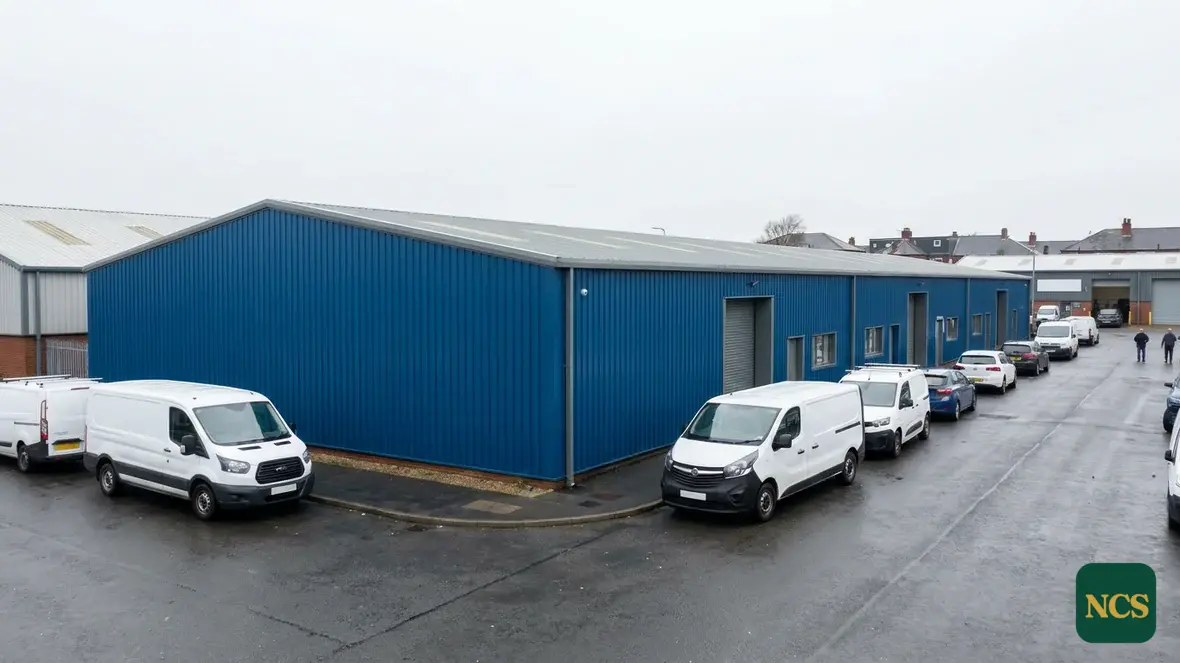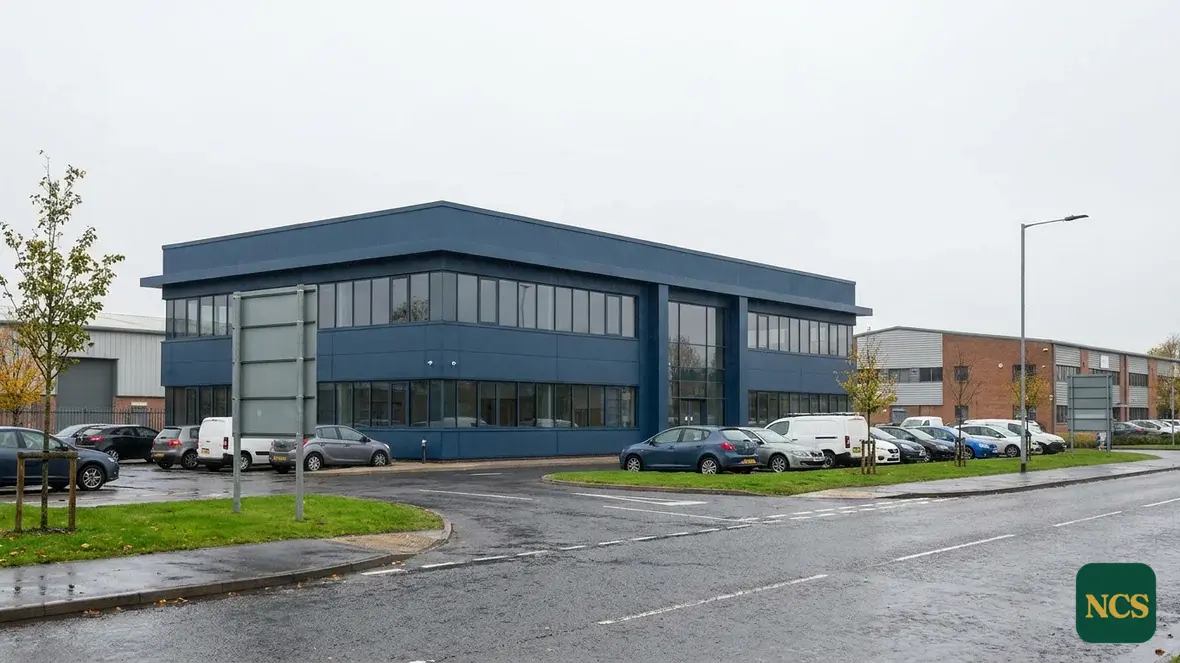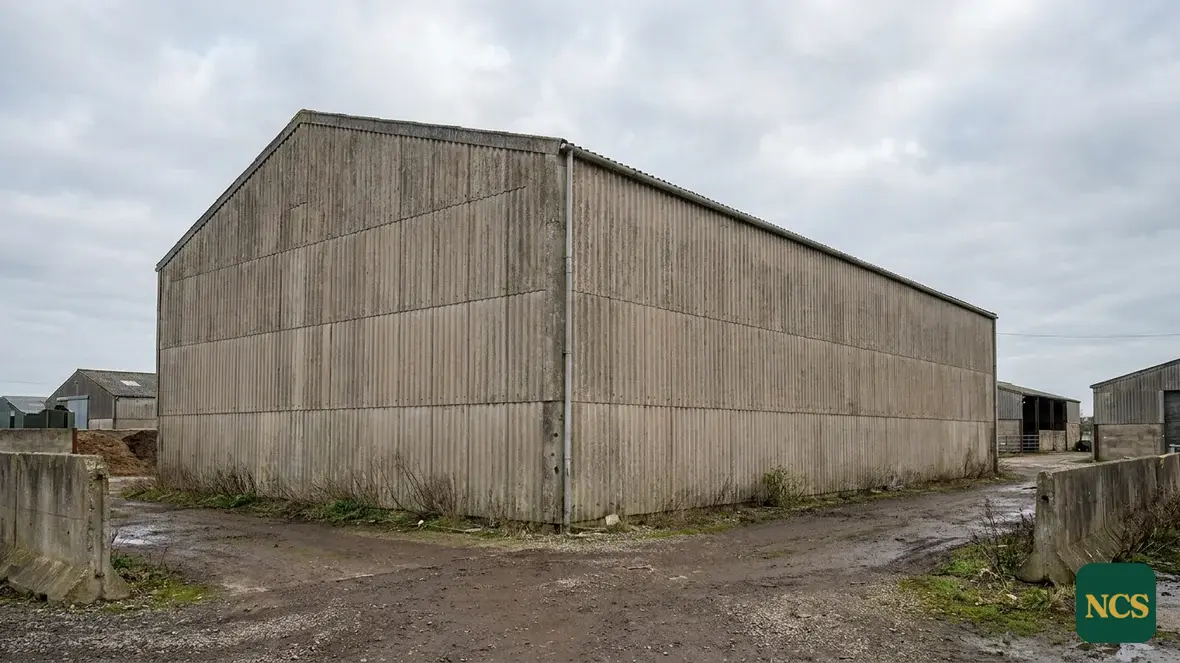
Cladding spraying in Liverpool
Salt shapes how most coated steel lasts on Merseyside. When we’re cladding spraying in Liverpool, we’re dealing with walls that have lived years in the marine air. That chloride speeds up corrosion at every cut edge, every lap, every fixing. Factory finishes fade a good bit faster here than they would inland too. The panels underneath are usually still sound, and that’s the point: a respray on site renews their protection, and it’s a fraction of what replacement costs.
Conditions vary so much between a dockside estate and a sheltered suburban unit here. That’s why we don’t price anything until we’ve seen the building up close.
What marine air does to coated steel
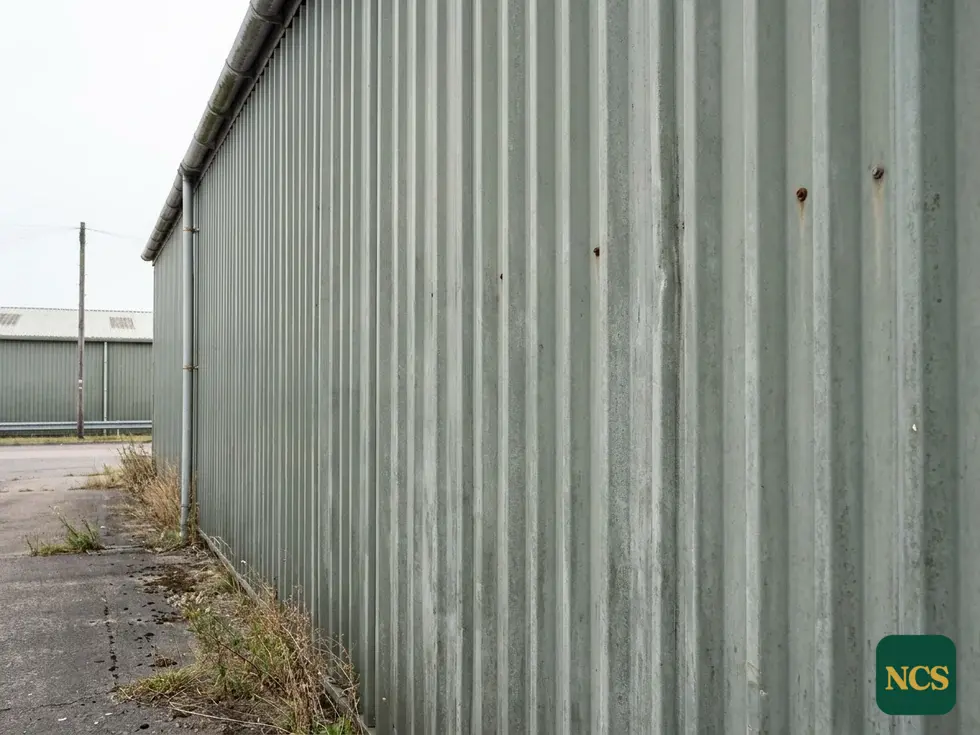
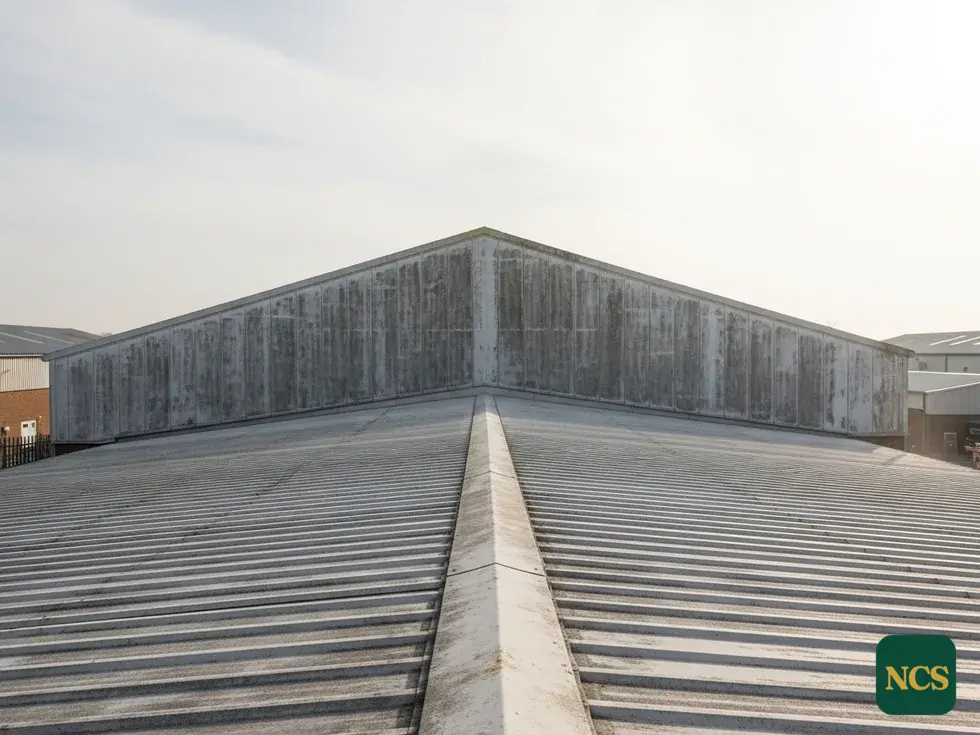
We see the pattern all the time. The factory finish thins and chalks under the UV, the colour fades on the weather side first, and rust starts where the protective layer was always thinnest: the cut edges where the sheets were trimmed when they went up. Salt in the air feeds that process. It’s why buildings near the river and the estuary show edge corrosion years before identical units further inland.
Liverpool’s commercial stock, from the industrial estates by the docks to the trading parks, retail sheds and clad office buildings across Merseyside, is right in the age range where these symptoms start to appear. Catch them early and that’s exactly what a sprayed recoat is for.
Timing matters more here than it does inland. A facade caught at the chalking and fade stage needs cleaning and a coating system. Leave that same facade until corrosion has taken hold and it needs treatment, repairs and a lot more prep. On Merseyside, the window between those two stages is shorter than most owners expect.
Our process for a building here
We always send a surveyor to inspect the building first. They’ll look at the panel type, how well the existing finish is still gripping, the depth and spread of any corrosion, the repairs needed, and what access the site allows. The written specification and the price both come from that visit. That way, the figure you agree reflects your building, not some average one. We pick coating systems for the exposure, we don’t just pull them off a shelf. So a sheltered unit and a dock-facing elevation won’t automatically get the same spec.
On site, our sequence is deliberately preparation-heavy. Washing and de-greasing, corrosion treatment, edge work and repairs all happen before we even think about applying colour. We then inspect the finish elevation by elevation at the end. We use the same survey-first method for Birkenhead across the water, and for St Helens, Widnes and Warrington along the corridor east.
The Liverpool jobs that go wrong are the quick overpaints. A proper respray sequence, wash, treat, repair, spray, is what we quote.
Signs a facade is past coating
Marine environments also give us the clearest cases for not spraying at all. We look for the signs that a facade has moved beyond recoating:
- Corrosion that has perforated the sheet, not just marked it
- Composite panels where the outer skins are separating from the core
- Fixings and flashings that have failed or rusted right through
- An existing finish so detached that no new system could ever hold to it
- Insulation that has taken on water behind the panels
When we find these, our honest recommendation is repair or replacement first, and the report says so plainly. A coating applied over any of these problems would just be money spent hiding a defect, not fixing one.
Picking a contractor who surveys first
Choosing a contractor for coastal work is mostly about choosing their process. Anyone can match a colour. Far fewer will map corrosion edge by edge, prepare accordingly, and put their findings in writing before asking for a commitment. That discipline is what ‘survey-led’ means in practice. If the building needs it, we can bring roof cladding into the same survey, which on coastal sites it frequently does.
If a clad building in Liverpool is showing fade, chalking or the first rust lines at its sheet ends, an inspection now is a lot cheaper than that same inspection three winters from now.