Commercial wall coating in Liverpool
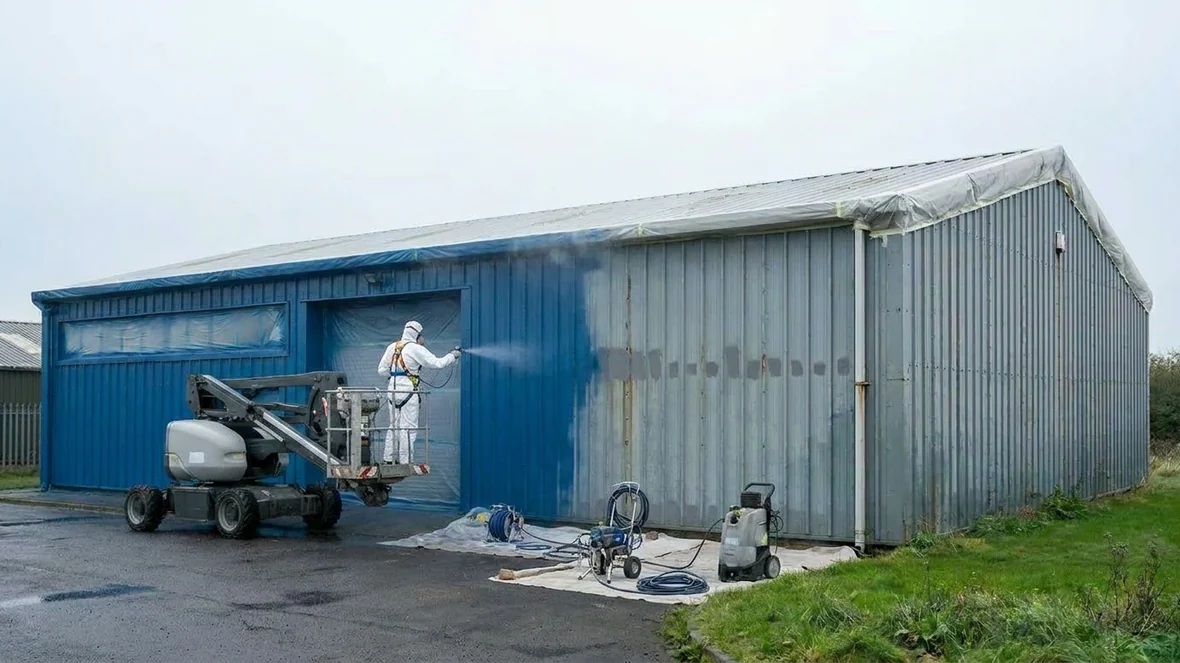
That salt wind off the Irish Sea and the Mersey really works on a building. We see paint chalking faster, exposed brick drinking in driving rain, and west-facing elevations ageing years ahead of the sheltered sides. We get that you need a considered response to that, and a commercial wall coating in Liverpool typically earns its keep in a few specific ways:
- We seal porous brickwork that takes in wind-driven rain on exposed elevations.
- We carry over crazed and patch-repaired render with a single, consistent finish.
- We replace previously coated surfaces that have faded, chalked or flaked too early.
- We protect gables and parapets that face the prevailing weather.
- We deal with algae and staining on sheltered, slow-drying faces.
None of that is automatic. Every outcome depends on matching the system to your wall. That’s a survey decision we make on site, not a brochure decision made over the phone.
Merseyside’s commercial walls
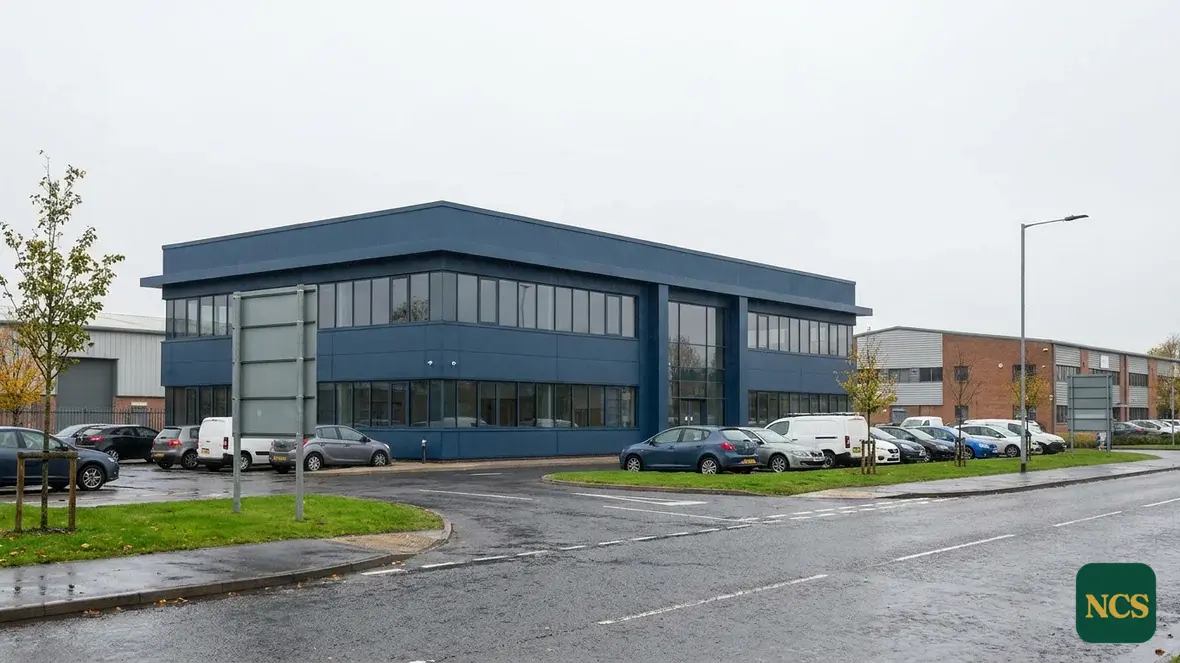
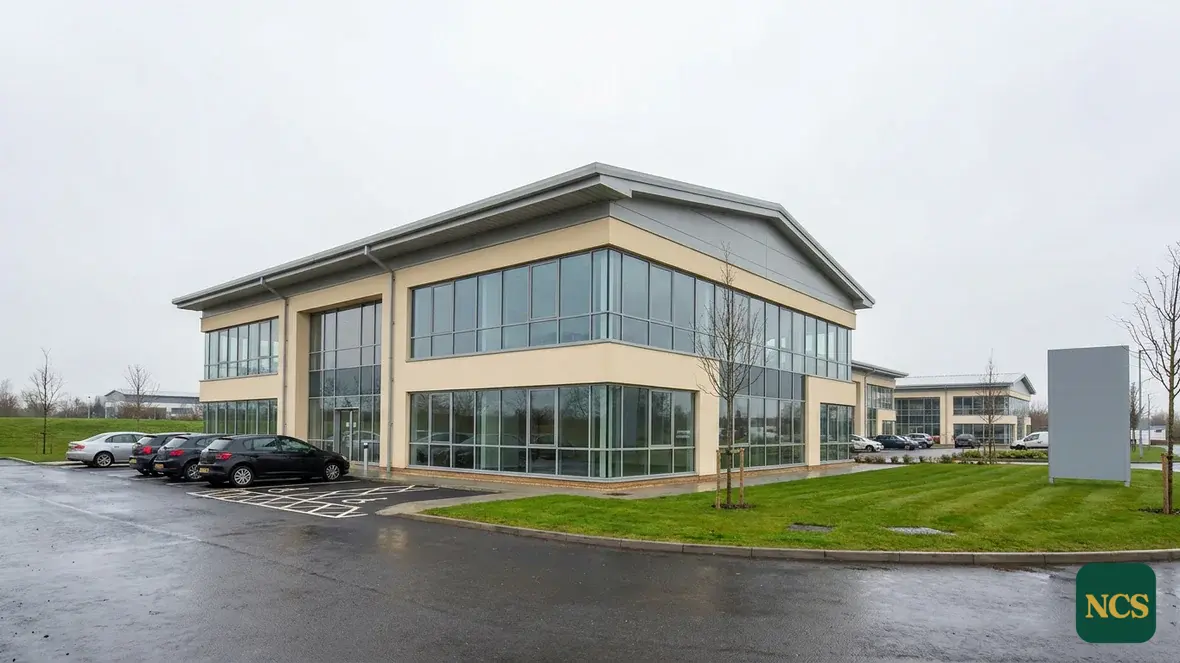
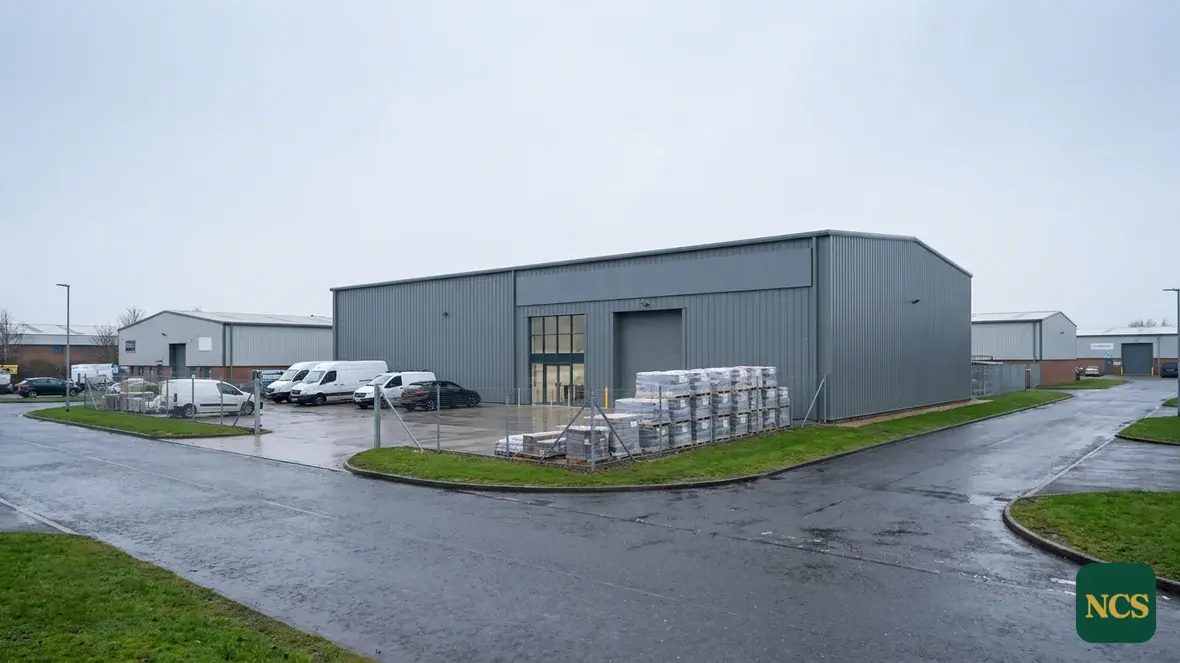
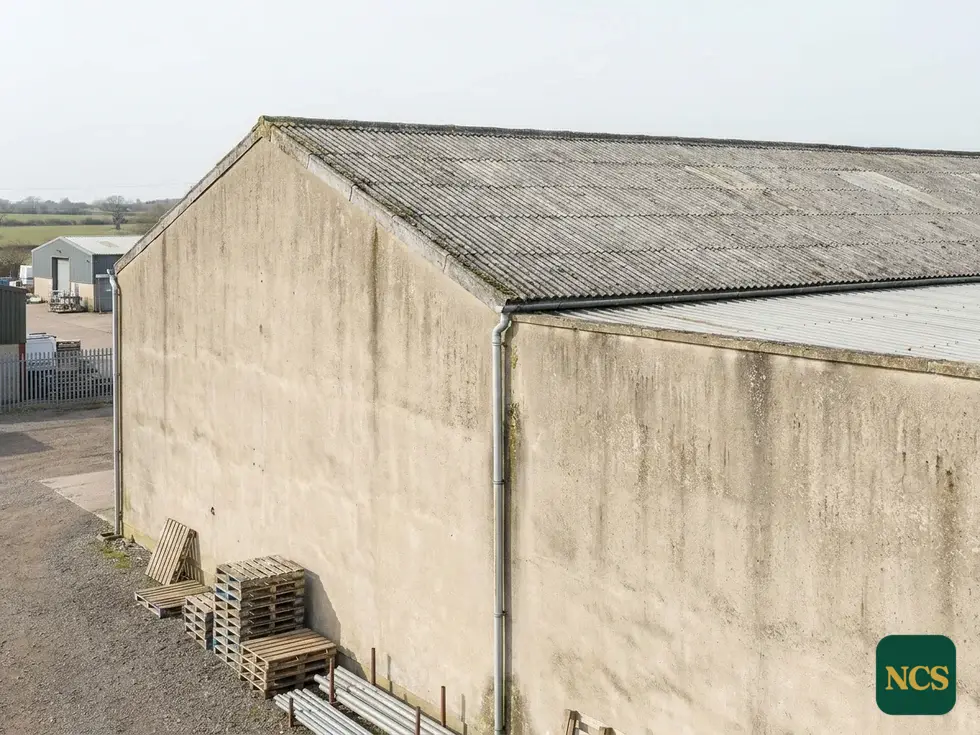
The region’s building stock really tells its trading history on its elevations. We’ve seen everything from brick warehouses and stone-fronted Victorian commercial buildings to post-war concrete offices, rendered shop parades, and newer business park units with thin-coat systems. The maritime exposure works on each differently: salts accelerate the breakdown of old paint films, freeze-thaw attacks saturated brick faces, and renders near the waterfront weather noticeably faster than the same mix a few miles inland. A specification has to answer that exposure as well as the substrate. That’s one more reason a photograph is never enough to quote from.
What happens between enquiry and price
A surveyor visits your site first. They’ll identify the substrate and any previous coatings, take moisture readings on each elevation, record the repairs needed before coating (cracked render, open joints, failed sealant, spalling), and plan access around a building that needs to keep trading. The result is a written specification. The price follows that specification, not the other way around. We use the same routine for commercial buildings across the wider area, so premises in Birkenhead, St Helens, Widnes, and Warrington are surveyed on exactly the same terms as a frontage in central Liverpool.
The enquiry might say painting or coating. On a Liverpool wall the answer is the same: survey first, repair what needs it, then a system specified for the substrate.
The honest limits of coating
A coating is the right answer surprisingly often, but it’s not always the best call. A contractor who can’t say no isn’t really advising you. Walls saturated by failed gutters, parapets, or flashings must be repaired and allowed to dry before we even consider any system. Render that has debonded over large areas needs removing, not encapsulating. Active structural cracking needs investigation before we even think about decoration. Some older solid-wall buildings are better repointed and left to breathe, and listed or conservation-area frontages need consent settled before we start any specification. Where our survey finds these conditions, the report says so and sets out the repair-first route instead.
Why survey-led is the safer way to buy this work
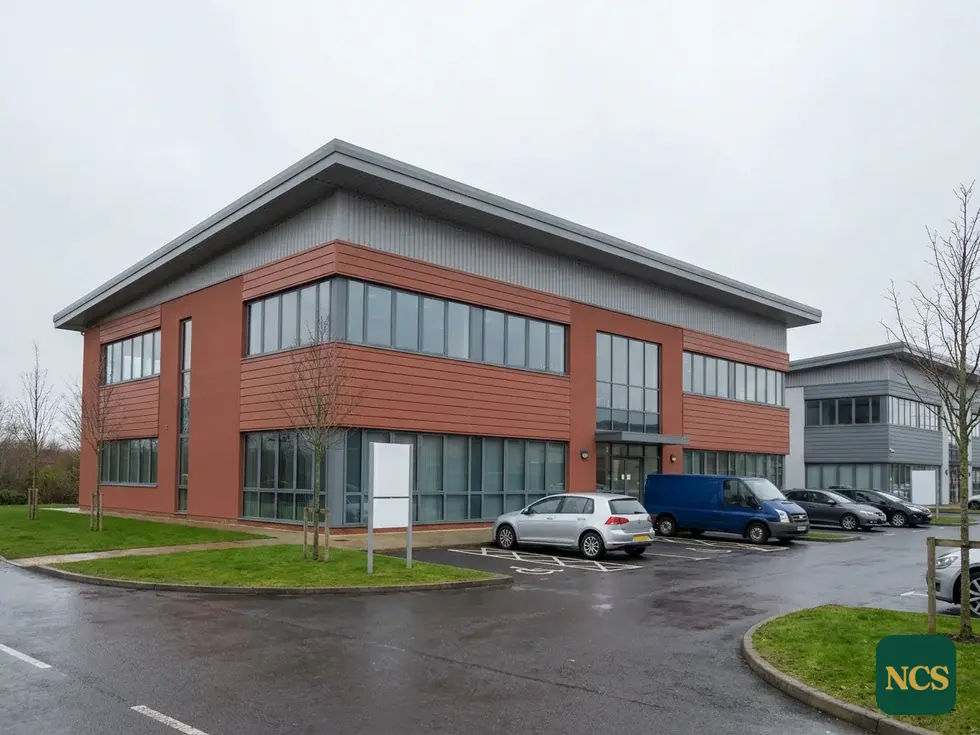
Almost every premature coating failure we’ve seen traces back to the same root: nobody examined the wall properly before pricing it. Buying survey-led removes that risk from the start. You get findings you can check, repairs itemised before they become mid-contract extras, a system chosen for your exposure rather than just what the contractor has in their stock room, and a finish standard agreed before sign-off. For a building facing this city’s weather, that’s not a luxury layer of paperwork. It’s the difference between a coating that lasts and one that becomes next year’s problem.