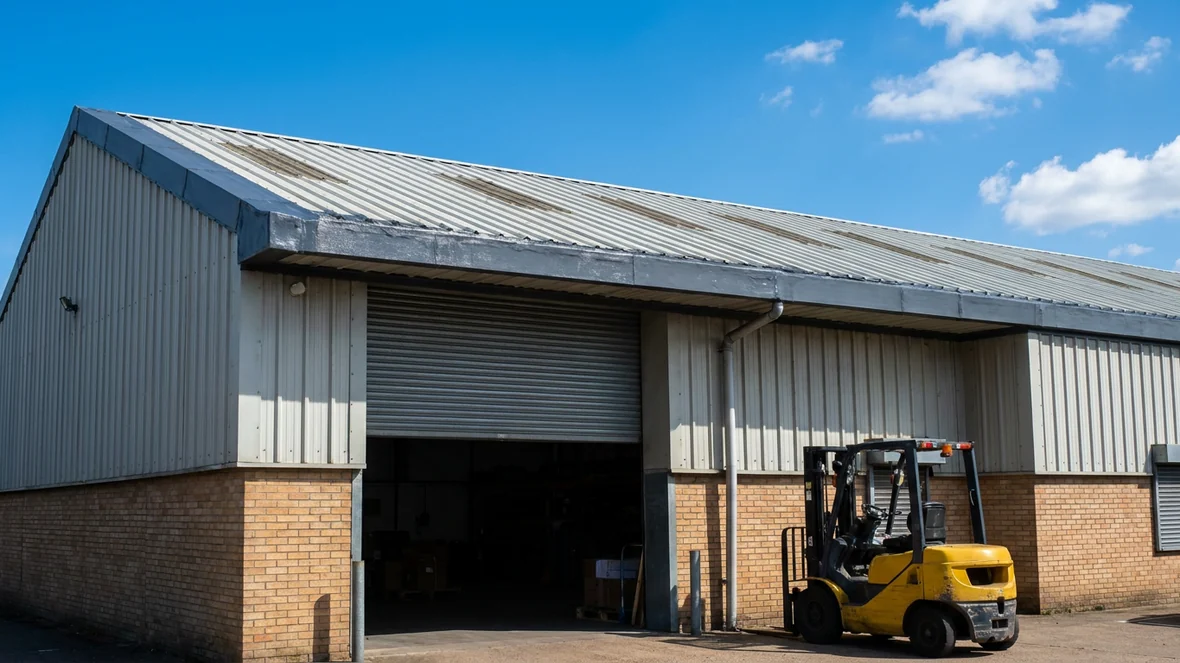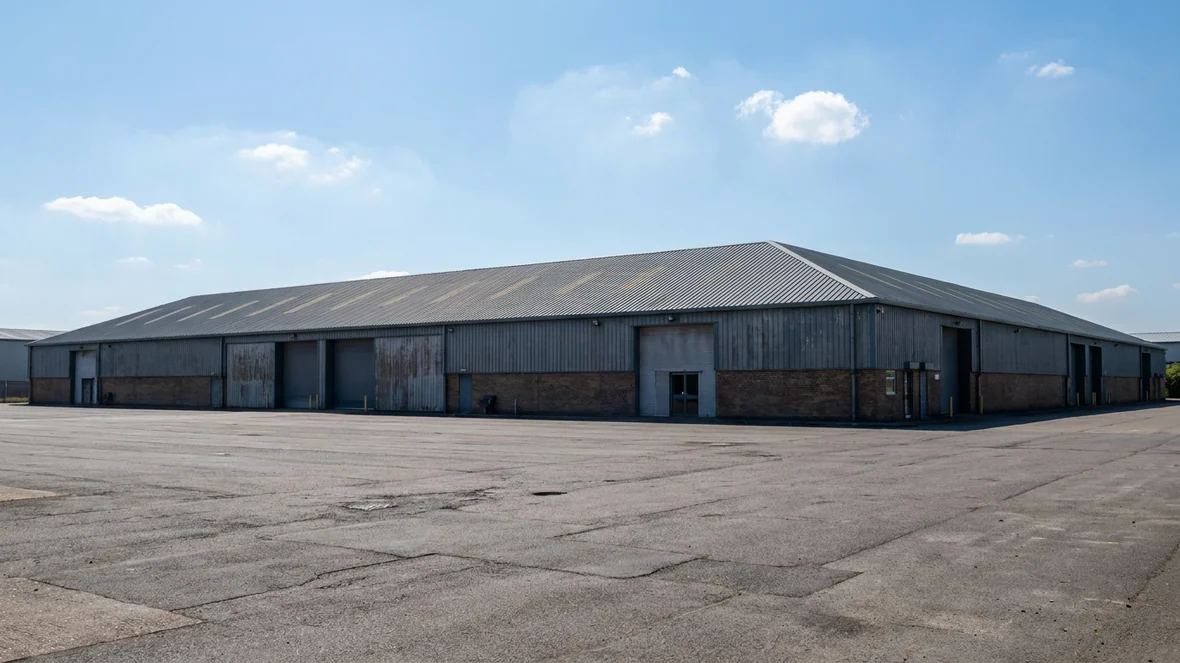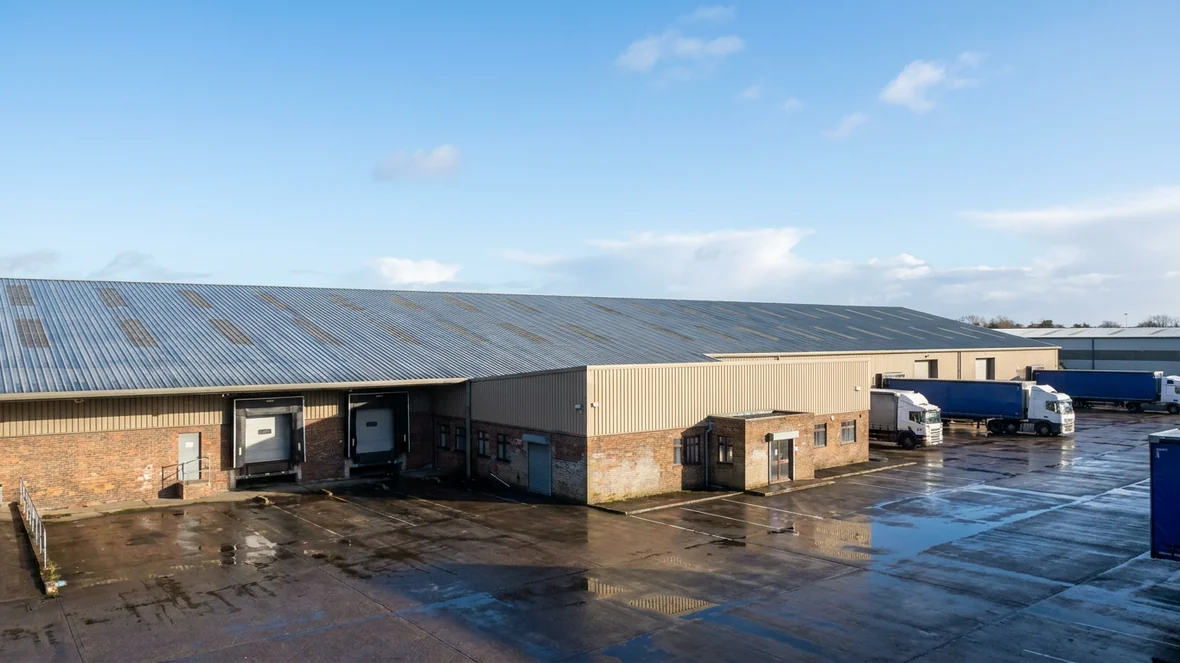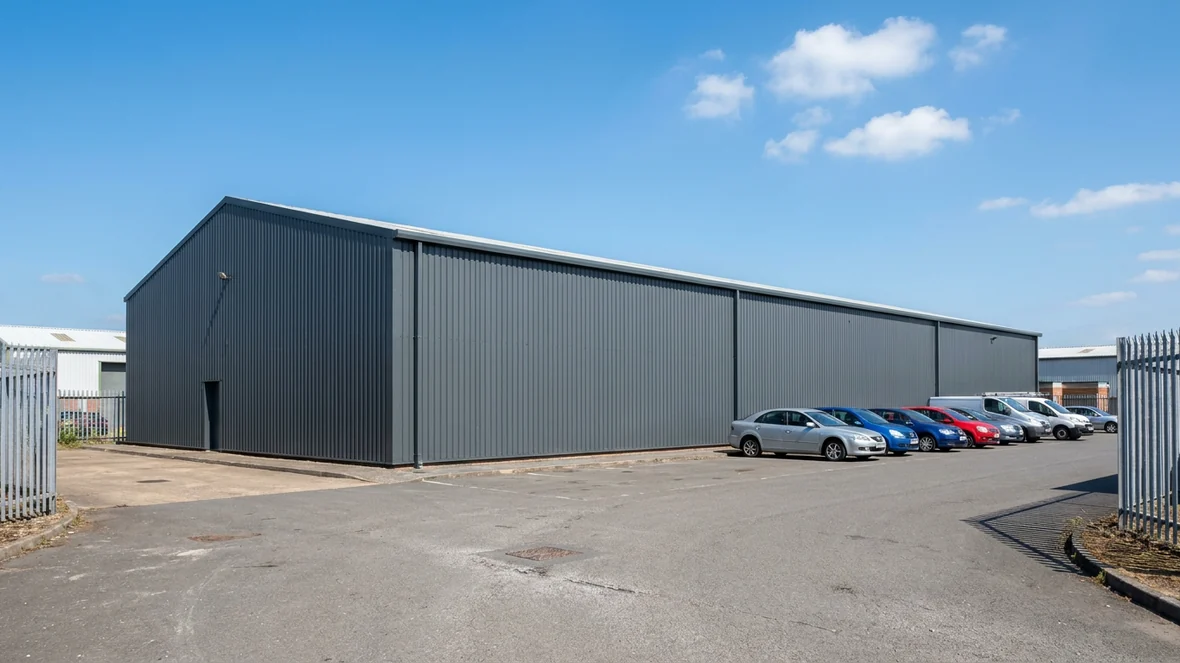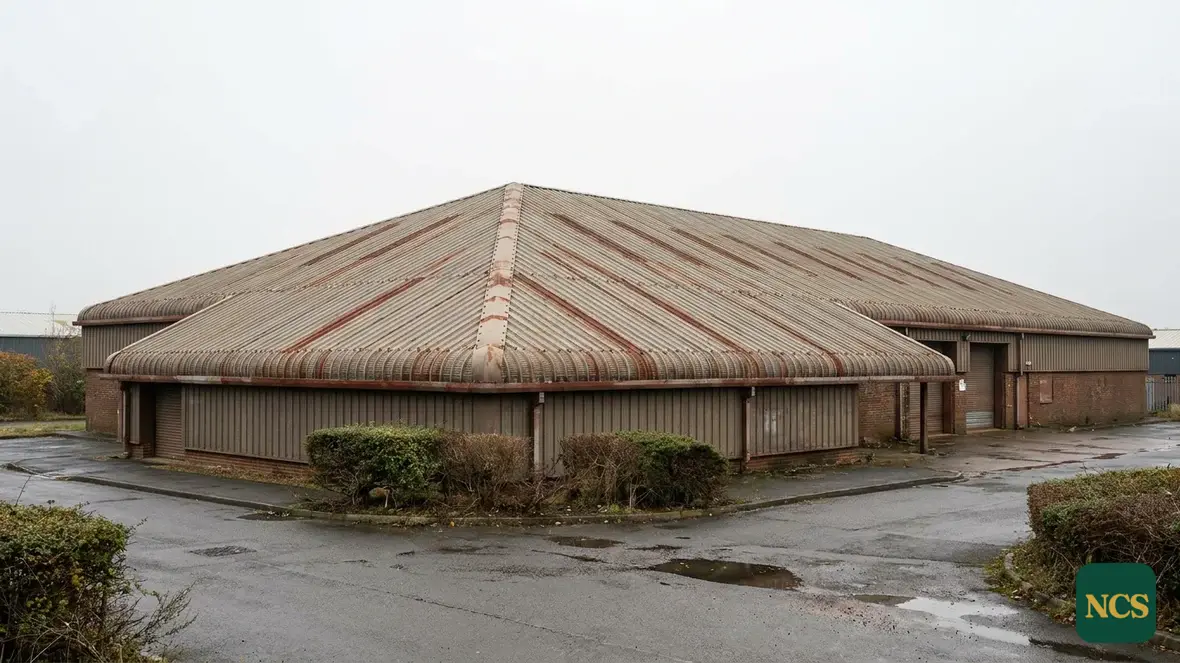










Profiled metal roofing covers a large share of Liverpool’s commercial stock, from older dockside warehouses to the trading estates strung along the motorway corridors. Most of it gives decades of service without complaint. The weak point is rarely the sheet itself. It is the cut edge, where the steel coil was sliced to length at the factory and the protective coating stops dead.
What cut edge corrosion actually is
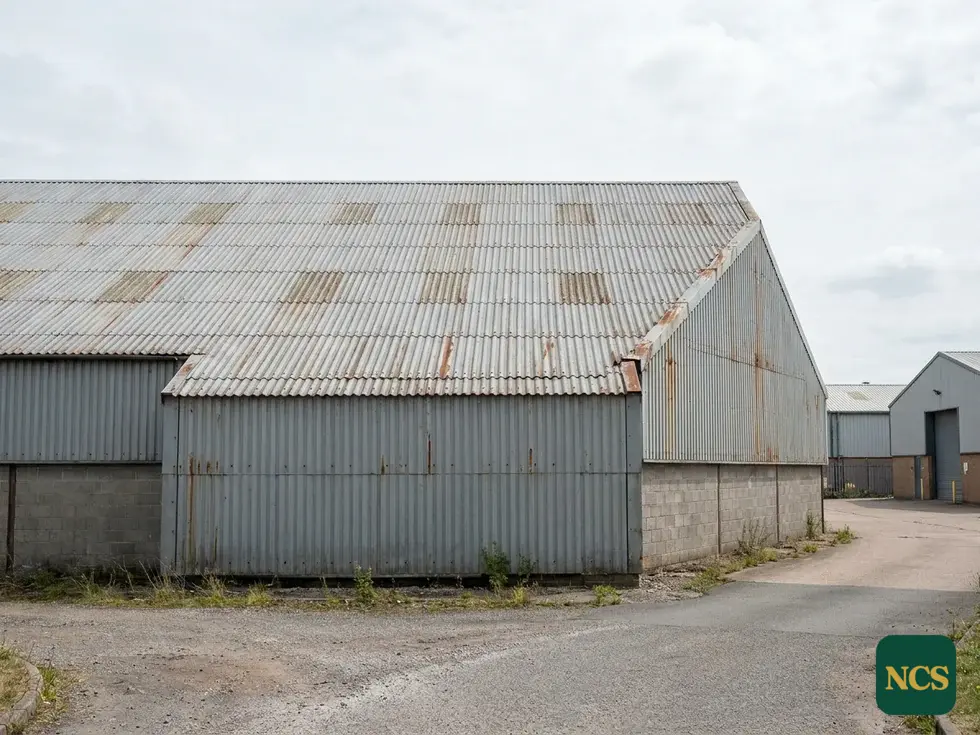
Coated steel sheets arrive on site with a plastisol or similar finish bonded to the metal. That finish is applied to the coil before cutting, so every sheet end and every overlap carries a thin strip of exposed steel. Out in the weather, water is drawn into the laps and held there, and the bare edge begins to rust. The corrosion then creeps sideways beneath the coating, lifting it away from the steel. What starts as a faint brown line along the gutter edge slowly becomes peeling, delamination and, eventually, holes.
Because the damage begins inside the lap, it is often invisible from ground level until water appears inside the building. A good deal of the cut edge corrosion we treat is only discovered when a leak forces someone up onto the roof.
Why Liverpool roofs feel it sooner
Salt-laden air off the Mersey and the Irish Sea is hard on exposed steel, and wind-driven rain keeps laps wet for longer than the original design ever assumed. Buildings near the docks and the waterfront take the worst of it, but estates further inland are not exempt; roof pitch, gutter detailing and orientation all play a part. We are survey-led, so before recommending anything we get on the roof, open up a sample of laps, photograph the sheet ends and report what we actually find rather than what a price list would prefer.
Treat it early and the sums stay small
Caught at the staining stage, treatment is straightforward: the edge is cleaned back to sound material, rust is stabilised, and the lap and sheet end are sealed with a flexible coating system designed for the job. Cost scales with how far the rust has travelled, which is why timing matters more than almost anything else. Left alone, corrosion does not pause; it works under the finish season after season until the sheet perforates. At that point you are no longer paying for edge treatment but for sheet replacement, access, downtime and whatever the water has done to stock and services below.
Signs worth acting on:
- Rust staining along sheet ends at the eaves or gutter line
- Coating peeling or blistering at the overlaps
- Drips or staining inside the building below lap lines
- Red-brown run-off marks in the gutters
- Visible flaking when laps are viewed from a ladder or drone
When edge treatment is the wrong call
There is a point past which this work stops making sense, and we would rather name it than coat over it. If corrosion has perforated sheets, if delamination has spread well beyond the laps into the body of the sheet, or if the steel has lost real thickness, treatment buys very little time. We will tell you when a roof in that condition needs sheets replaced rather than treated, even though replacement is not the work we are selling. On many roofs the honest answer is mixed: a handful of sheets are past saving while the rest respond well to treatment. A proper survey separates the two before any money is spent.
From treated edges to a coated roof
Cut edge corrosion rarely turns up on an otherwise perfect roof. If the edges have failed, the surrounding finish is usually chalking and faded too, which is why edge treatment and a full roof coating make natural partners. Doing both in one visit means one lot of access, one period of disruption, and a roof finished as a single system rather than a patchwork. We are based in the South East and carry out this work across England, with Liverpool and the wider Merseyside area well within normal range. If you have noticed staining at the sheet ends, or a leak has already announced itself, a survey will tell you exactly where your roof stands.