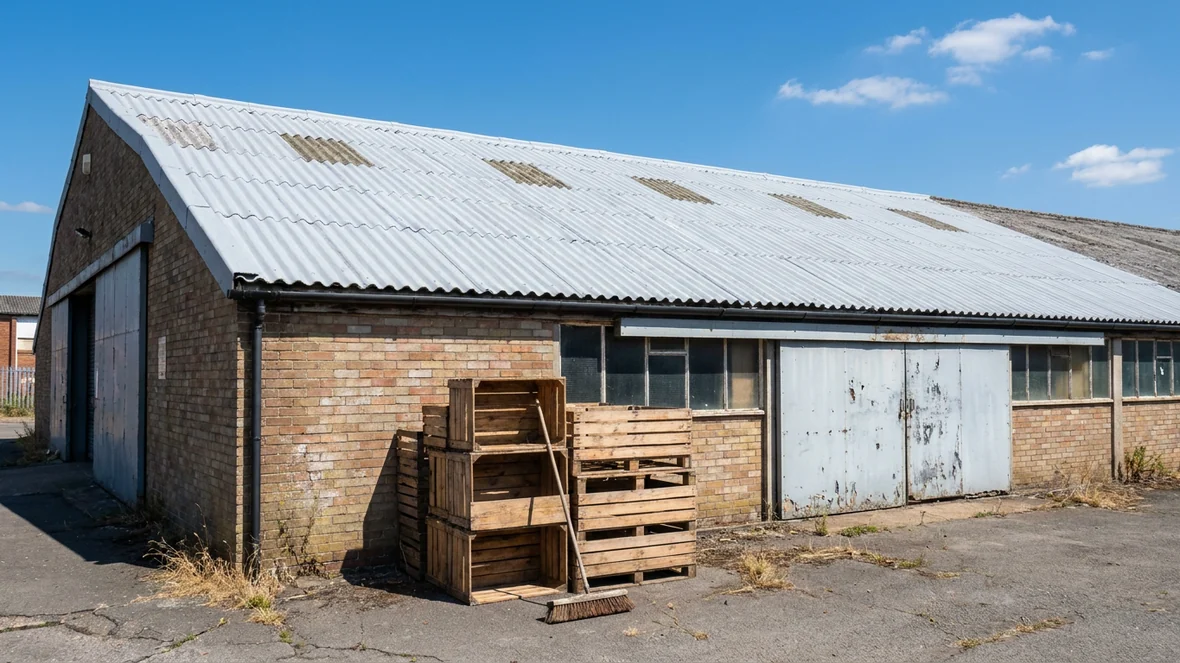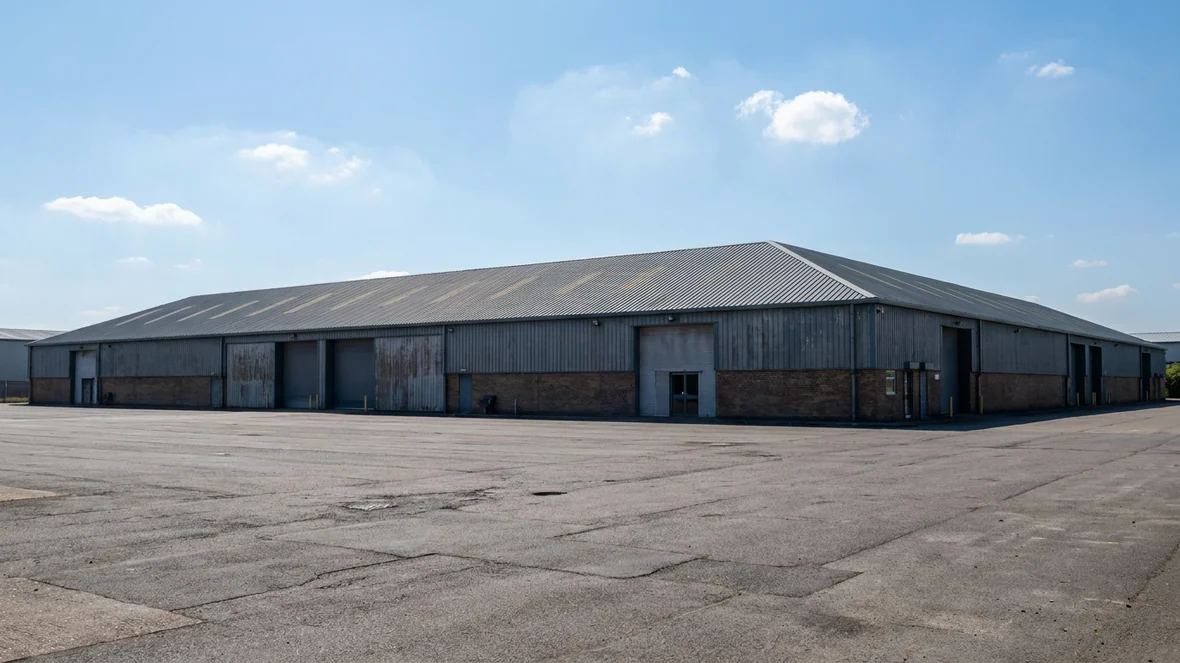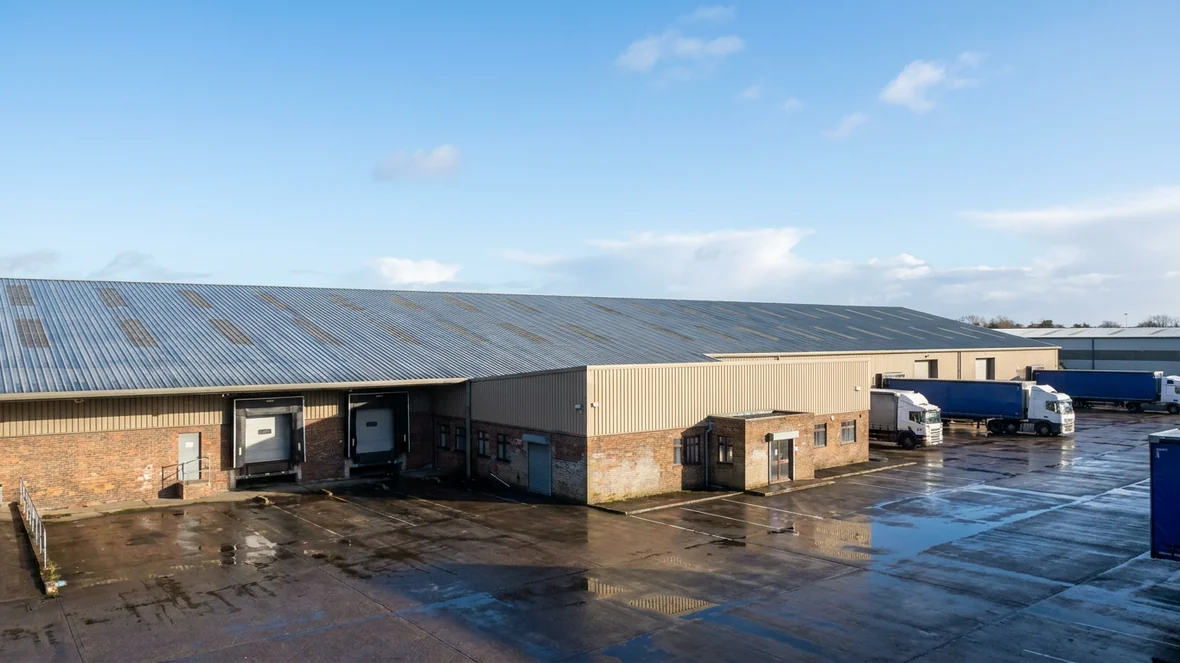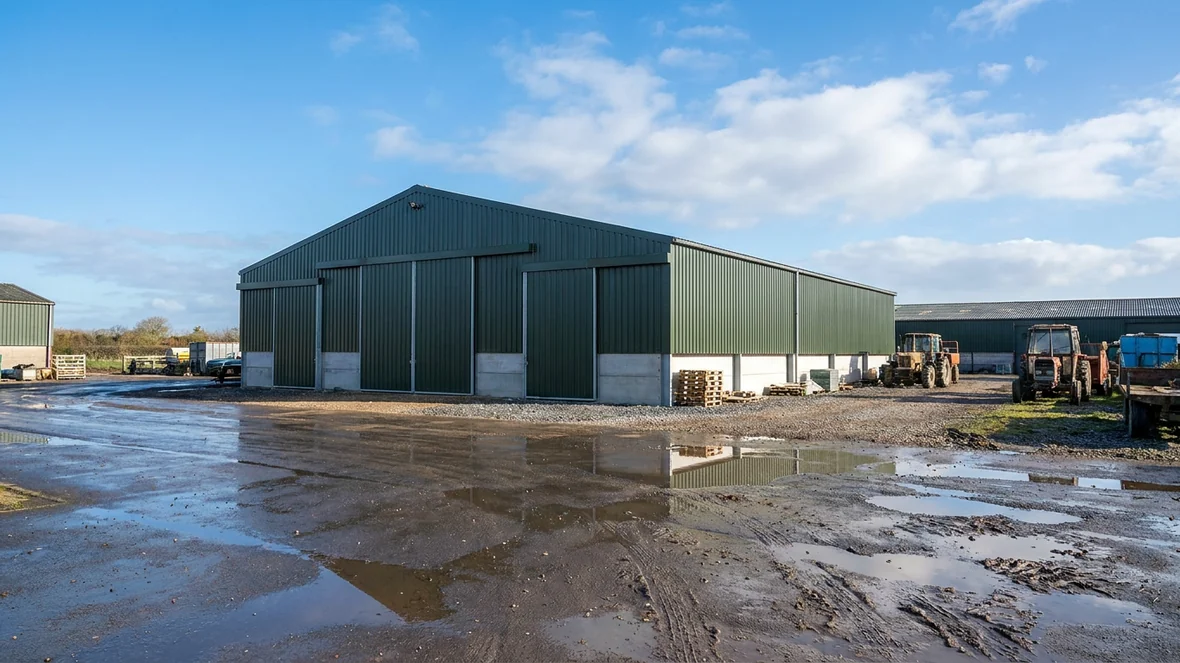










We get asked one question about asbestos roof encapsulation in Exeter more than any other: can you just come and coat it? The honest answer is that nobody should coat an asbestos cement roof, in Devon or anywhere else, until a survey has confirmed the sheets can take it. Encapsulation is an excellent option for the right roof and a waste of money on the wrong one, so the survey comes first, every time.
Survey first: how we approach Exeter enquiries
A condition survey looks at the things a quote from a photograph cannot: how deeply the surface has eroded, whether the sheets are still rigid or going soft, the state of laps, edges and fixings, the extent of cracking and previous repairs, the condition of roof lights, and what the underside shows where access allows. From that we give you a written verdict. Sometimes that verdict is encapsulation with a clear specification. Sometimes it is removal, in which case we say so and step aside for a contractor working under the proper controls. Either way you get an answer you can act on and file.
Asbestos roofs across Devon’s farms and trading estates
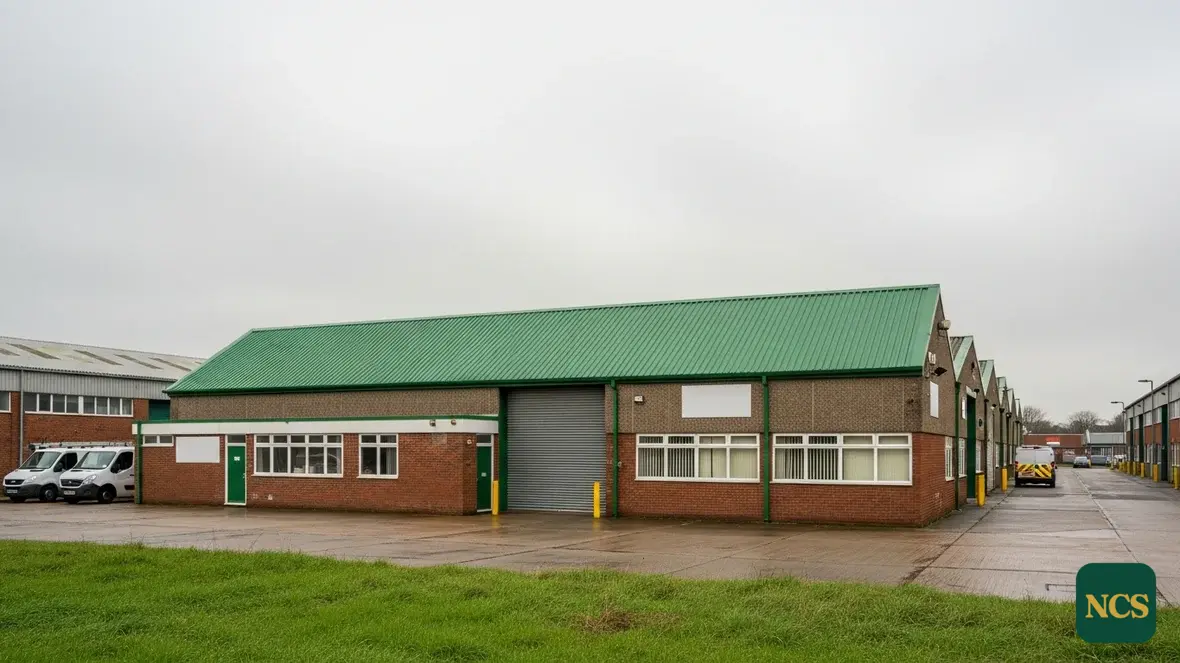
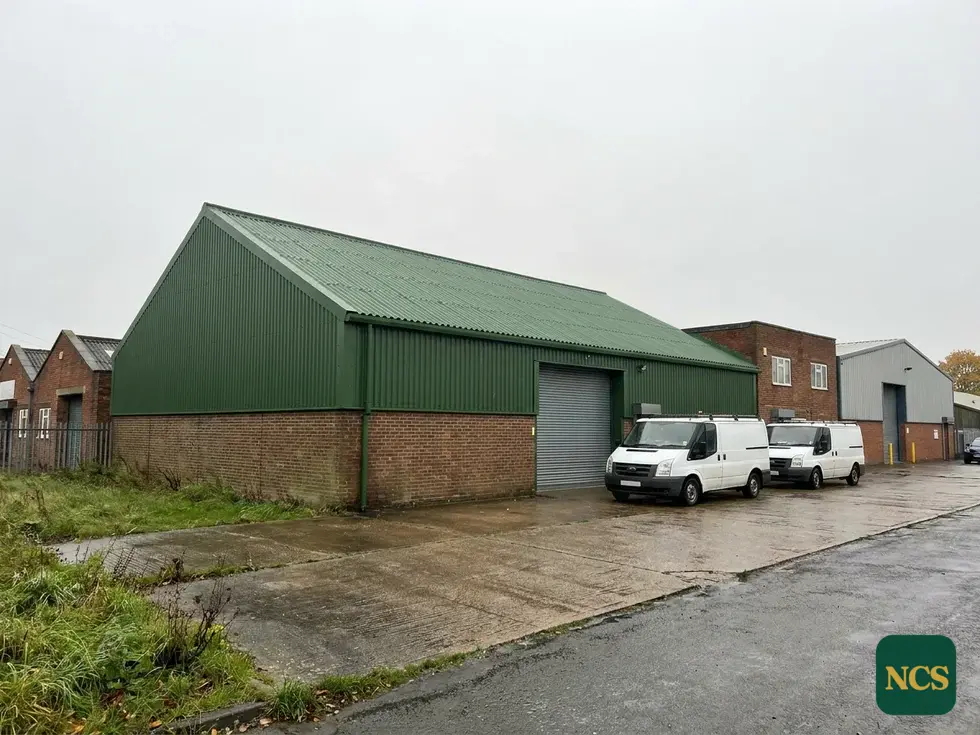
Devon’s working buildings rely on asbestos cement more than most people realise. Livestock sheds, barns and stores on farms across the county carry profiled sheets from the 1960s through to the 1980s, and the older units on trading estates around the city use the same material. Decades of South West weather, wet winters above all, erode the cement matrix until the surface is porous and green with growth. The sheets often remain structurally serviceable long after they have stopped looking it, which is exactly the situation encapsulation was designed for.
The case for sealing a sound roof
The Control of Asbestos Regulations 2012 place a duty to manage asbestos on whoever controls the maintenance of non-domestic premises, working farm buildings included. The duty requires you to know what you have, assess its condition and manage the risk; it does not require removal, and HSE guidance consistently supports managing sound asbestos cement in place rather than disturbing it. Encapsulation backs that position with action. Controlled, non-abrasive cleaning, treatment of growth, minor repairs and a purpose-made encapsulant coating seal the weathered surface, lock down fibre release and put a re-inspection date in the diary. The building stays in use, and the cost and disruption sit far below a strip-and-replace.
When removal is the right answer instead
Some roofs are past it, and pretending otherwise helps nobody. Extensive cracking and holing, delamination, friable or softening sheets, crumbling edges and fixing points, storm damage through the material, a doubtful frame underneath or a redevelopment plan on the table: any of these moves our recommendation from encapsulation to removal. Coating a failing roof locks problems in rather than out, and we will not do it. If your survey lands on the removal side of the line, the report will say so plainly, and your budget can go where it will actually do some good.
Questions worth asking any contractor
Whoever you speak to about an asbestos cement roof, these questions will sort the advisers from the sellers:
- Will you survey the roof before quoting, and put the findings in writing?
- Under what conditions would you refuse to encapsulate?
- How will you clean the roof without abrading the surface?
- What goes into my asbestos register when the work is done?
- What re-inspection interval do you recommend, and why?
We are happy to be measured against every one of those. National Coating Specialists is a South-East based contractor working across England, and Exeter and the wider South West are part of our regular coverage.