
Agricultural building coatings around Exeter
Farms in the country around Exeter work in a wetter world than most of England, and their buildings show it. This is livestock and dairy territory: cubicle housing, calving sheds, covered yards and machinery stores, often a mix of modern profiled steel cladding and older asbestos-cement roofs put up generations ago, with the odd stone barn still in working use. Holdings in the Exe, Culm and Creedy valleys sit anywhere from sheltered river ground to exposed high pasture, and the same roof can age very differently a few miles apart. Persistent rain, mild damp winters and salt carried inland on south-westerly winds all attack exterior finishes faster here, so a coating specified for Devon has more weather to fight than the same product applied further east.
Rain, moss and the short drying window
Coatings only work on clean, dry, sound surfaces, and that is harder to achieve in the South-West than the brochures admit. Roofs green over quickly, especially north-facing slopes shaded by hills or trees, so moss and algae have to be removed properly and the substrate left to dry before anything goes on. The application windows are genuinely shorter here: more rain days, higher humidity, slower drying. We plan for that honestly rather than promising dates the climate will not honour, and we will pause a job if conditions turn rather than trap moisture under a new coating, because doing so simply builds the next failure into the work.

Stock come first
On a livestock farm the buildings are rarely empty, and that changes how the work is run. Cattle housed through the winter, calving blocks, twice-daily milking, lambing in the spring: all of it limits when noise, overspray and contractor traffic can be tolerated around particular sheds. We sequence work around turnout where we can, take buildings one at a time so the rest of the yard keeps functioning, and agree with you in advance which areas are out of bounds and when. Machinery and feed stores are usually the flexible buildings on the plan, so they often fill the gaps the livestock sheds leave. The farm’s routine is fixed; the programme has to flex around it.
Honest limits: when we would not coat
Plenty of mid-century dairy buildings around Exeter carry asbestos-cement roofs, and the honest position is that coating only helps some of them. Encapsulation can extend the life of sheets that are weathered but still structurally sound. It cannot rescue sheets that are brittle, holed, badly delaminated or moving on their fixings, and applying a coating to a roof in that state wastes money you could put towards replacement. The same logic applies to steel: cut-edge corrosion caught early can be treated and coated, but sheets that have perforated need new metal, not paint. Where replacement is the right answer we will say so in writing, and a building that does not need coating yet will be told to wait, not sold a system.
What an Exeter survey covers
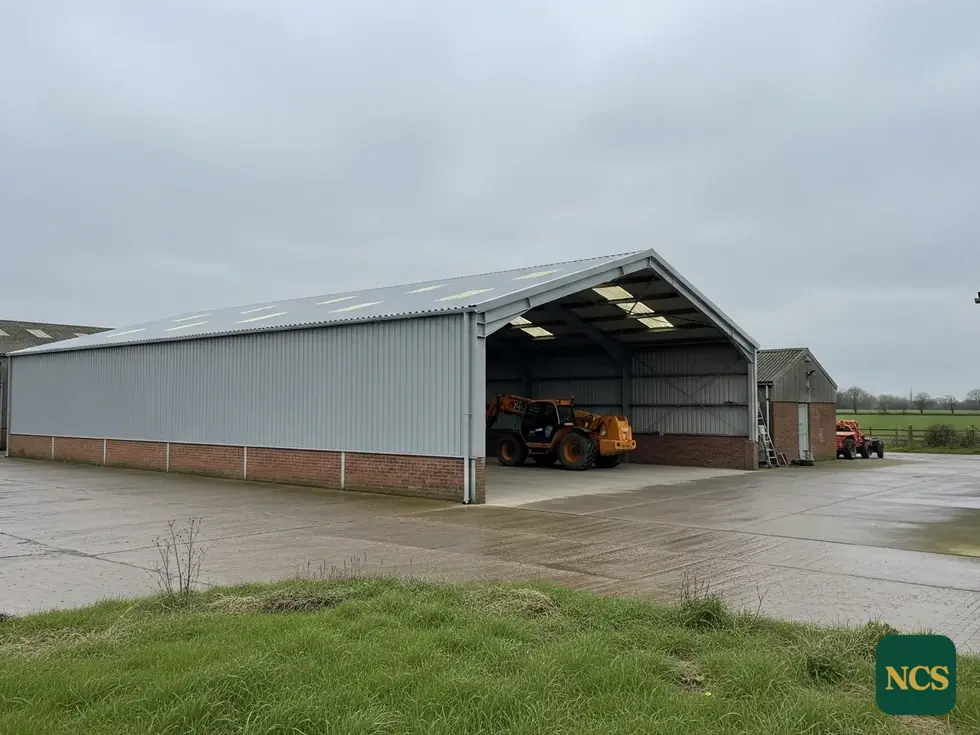
We are a survey-led contractor based in the South-East and working across the UK, and nothing gets quoted until a building has been looked at properly. A typical inspection on a Devon holding takes in:
- Roof sheet condition, fixings and any history of patch repairs
- Moss, lichen and algae cover, and what removal will involve
- Drainage: gutters, downpipes and where the water is actually going
- Exposure: aspect, shelter and how hard the weather hits each elevation
- Stock movements, milking routine and access constraints around the yard
- Whether repair, coating or replacement gives the best value for each building
The result is a written assessment that separates what is sound from what needs work, building by building, so you can spend where it counts and defer where you safely can. Devon farm budgets are stretched like everyone’s, and the point of a survey-led approach is that the money goes where the survey says it should, not where a salesman points.



