When coating won’t work, and why we will tell you
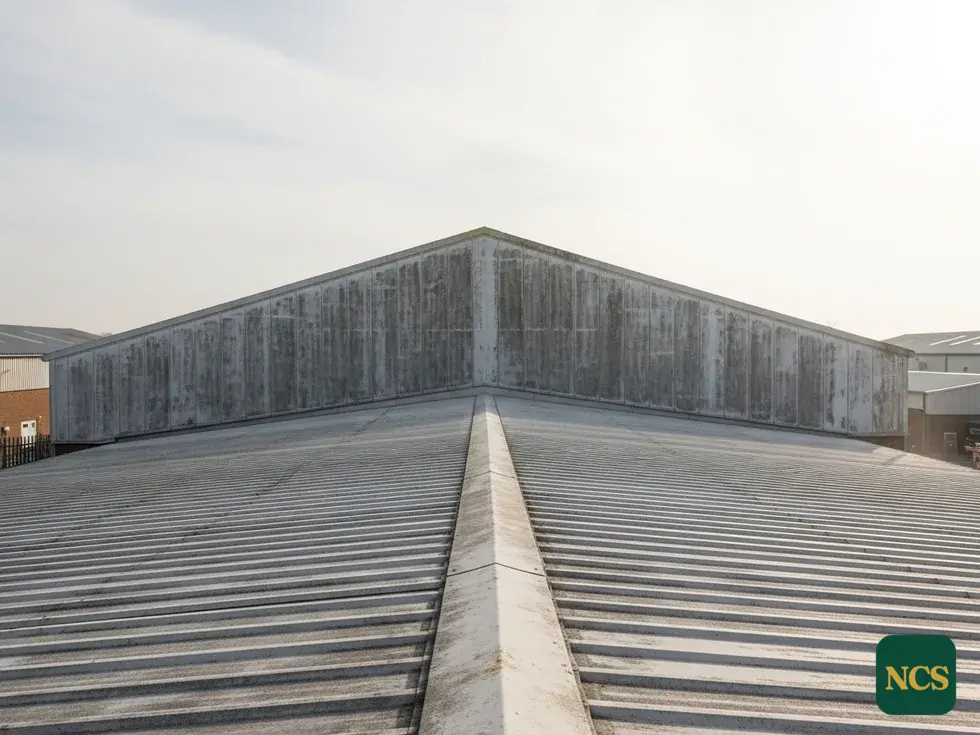
We won’t spray a failed substrate. If the original finish is delaminating in sheets, if rust has gone through the panel, or if cladding is damaged, loose or hiding active leaks, the honest advice is repair or replacement. That’s the advice you will get in writing. A coating cannot change a panel system’s fire performance either, and any contractor implying otherwise should be shown the gate. This is the real argument for a survey-led contractor: the inspection happens before the price, so the recommendation is shaped by the building rather than by the need to win work. Whether your building is in Exeter itself or elsewhere in the county of Devon, that first honest look is the foundation every later decision should rest on.
Exterior cladding spraying for buildings in Exeter
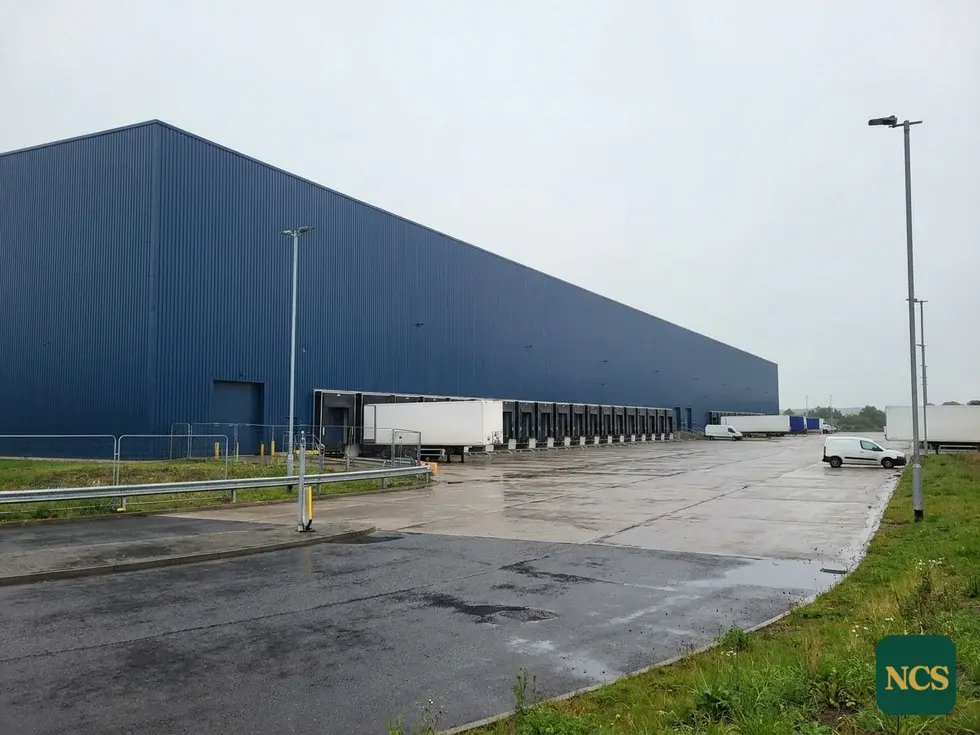
Exeter has grown quickly, and a lot of its commercial cladding is now old enough to show it. Cladding spraying in Exeter gives the owners of business park offices, industrial units and retail sheds a way to renew a faded or chalking exterior without replacing panels that are still doing their job. Devon’s weather plays its part too: Atlantic fronts arrive heavy with rain, south-facing elevations take strong UV through the summer, and salt air from the estuary reaches further inland than people expect. We’re a contractor that starts with a survey. We need to see the substrate’s condition before we talk about what system it needs or what it might cost. That’s how we decide everything.
Our sprayers cover Exeter and the surrounding area, and a respray is only priced after the panels have been surveyed close up.
From initial survey to project handover
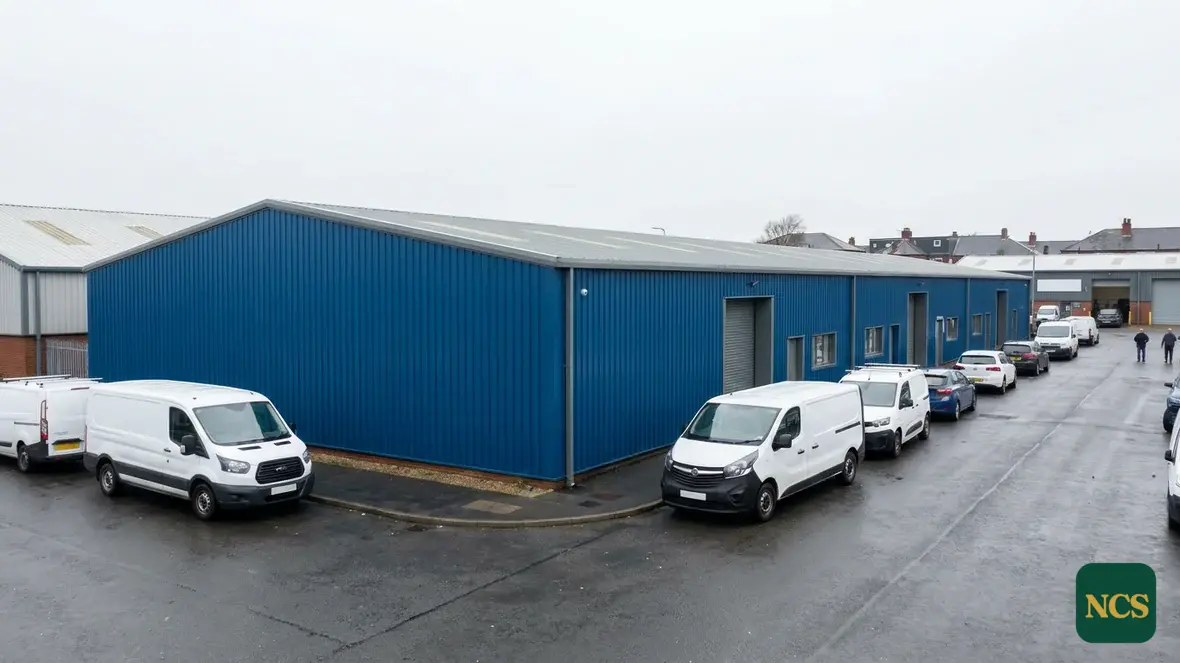
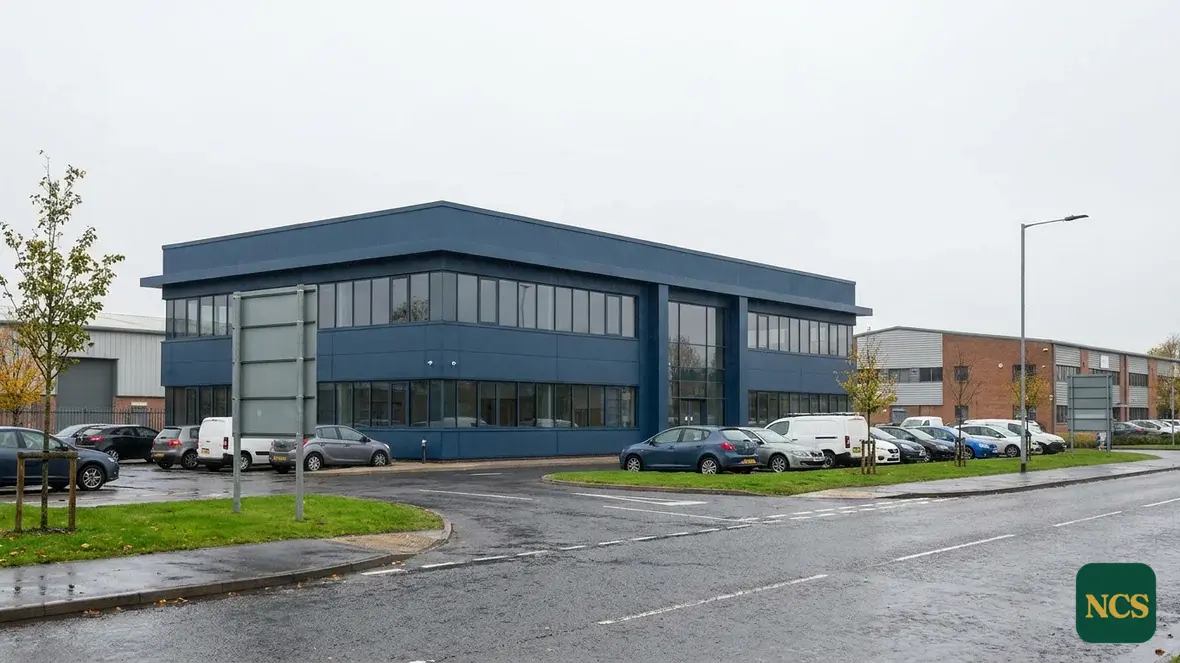
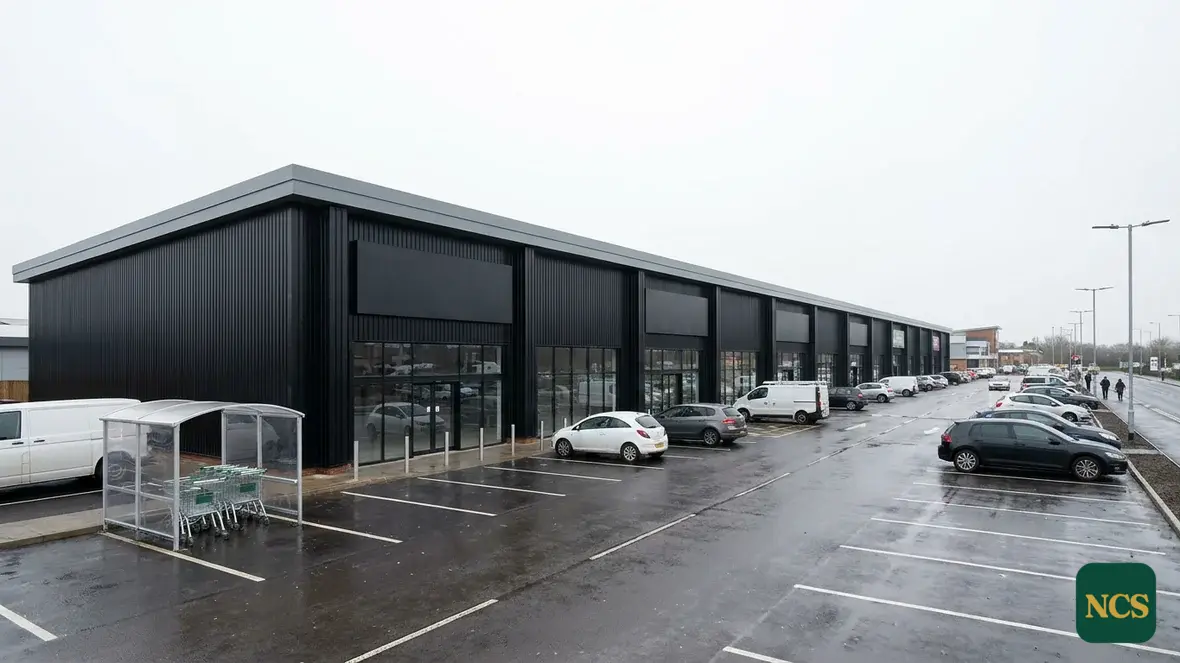
We start on site, not on the phone. The survey tests the adhesion of the existing finish, maps corrosion at cut edges, laps and fixings, and checks gutters, sealants and flashings. The written report tells you whether the building is a sensible candidate and, if so, what preparation it needs. Work then proceeds through cleaning, corrosion treatment, priming and masking before the coating is sprayed in even, controlled coats and inspected with you at the end. We’re based in the South East and work across the UK. For owners with several sites across this part of Devon, we can often pair surveys in Exeter with Exmouth, Newton Abbot, Tiverton and Honiton, assessing everything in one visit. Exeter’s commercial stock clusters along the M5 and the main routes in: business parks with composite-clad offices, industrial and trade units, distribution sheds, leisure and retail buildings. Beyond the city, Devon adds agricultural buildings and rural workshops in profiled steel. The cladding types repeat, plastisol and PVDF coated sheet, sandwich panels, curtain walling, fascias and soffits, and so do the patterns of wear we are asked to deal with. Schools, leisure centres and public buildings carry the same cladding types and respond to the same approach, with work timed around term dates or opening hours. Because this is a city where business parks compete for tenants and retail buildings compete for footfall, a faded elevation costs more than it appears to. A sprayed refurbishment closes that gap quickly and without emptying the building.
Why owners choose exterior coating over recladding
When the existing cladding is sound, an on-site sprayed coating usually makes sense. It’s not just about the numbers either:
- The outlay sits well below replacement when the panels themselves are still good
- Buildings stay occupied and trading while the work happens outside
- A full colour change is possible, useful after a rebrand or change of tenant
- Cut edge corrosion is treated and sealed before it can spread
- Sound panels stay out of a skip, which is the more sustainable outcome