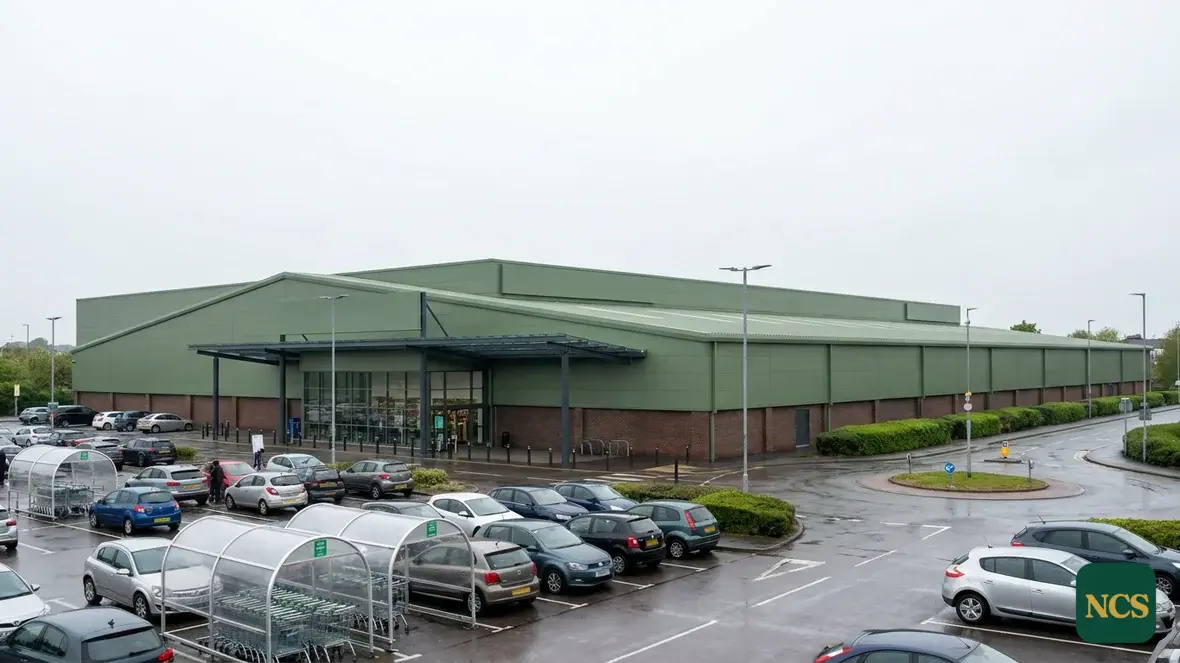
Commercial roof coating in Exeter
Devon gets some of the highest rainfall of any English county, and Exeter’s commercial roofs deal with it month after month: driving south-westerlies, long wet spells and the occasional storm pushing up the Exe estuary. We coat roofs that have weathered all this but remain structurally sound. Instead of stripping a roof off, we apply a liquid-applied waterproof membrane over the prepared surface. It cures into one continuous layer that seals laps, fixings, flashings and the awkward details where leaks usually start.
For an occupied building, the appeal is obvious: a fraction of the cost of replacement, far less disruption, and no weeks of an open roof in a county where dry weather windows are precious.
Plenty of enquiries from Exeter start with a search for commercial roof painting rather than coating, and in practice it is the same survey-led job done properly.
Typical roofs across Exeter and east Devon
The city’s commercial building stock splits roughly three ways. The business parks on Exeter’s edges carry modern and not-so-modern steel portal-frame units with profiled metal roofs. Older trading estates and rural premises towards Tiverton and Honiton still rely heavily on fibre cement sheeting, much of it decades old. And in the city itself, offices, retail and converted buildings hide flat roofs in felt, asphalt or single-ply behind their parapets.
Wet climates accelerate the usual defects: cut edge corrosion on metal sheets, moss and porosity on cement, blistered and cracked seams on felt. None of these automatically rules out a coating, but each demands different preparation and a different system. That’s why identification comes before any price.
Our process, from survey to sign-off
Every job begins with a physical inspection of the roof: substrate condition, seams and laps, fixings, rooflights, drainage, ponding and checks for moisture already trapped in the build-up. The findings become a written, photographed report with a clear recommendation. Only if the roof suits a coating do we issue a specification, naming the system, the preparation steps and the detailing.
- Full roof survey with photographic record
- Written specification matched to the actual substrate
- Cleaning, repairs and corrosion treatment before application
- Membrane applied to the manufacturer’s thickness and conditions
- Final inspection before handover
From Exeter we range across Devon and over the Somerset border where needed, covering Exmouth, Newton Abbot, Tiverton and Honiton among others. This suits owners and managing agents with buildings spread around the county.
When coating is the wrong answer
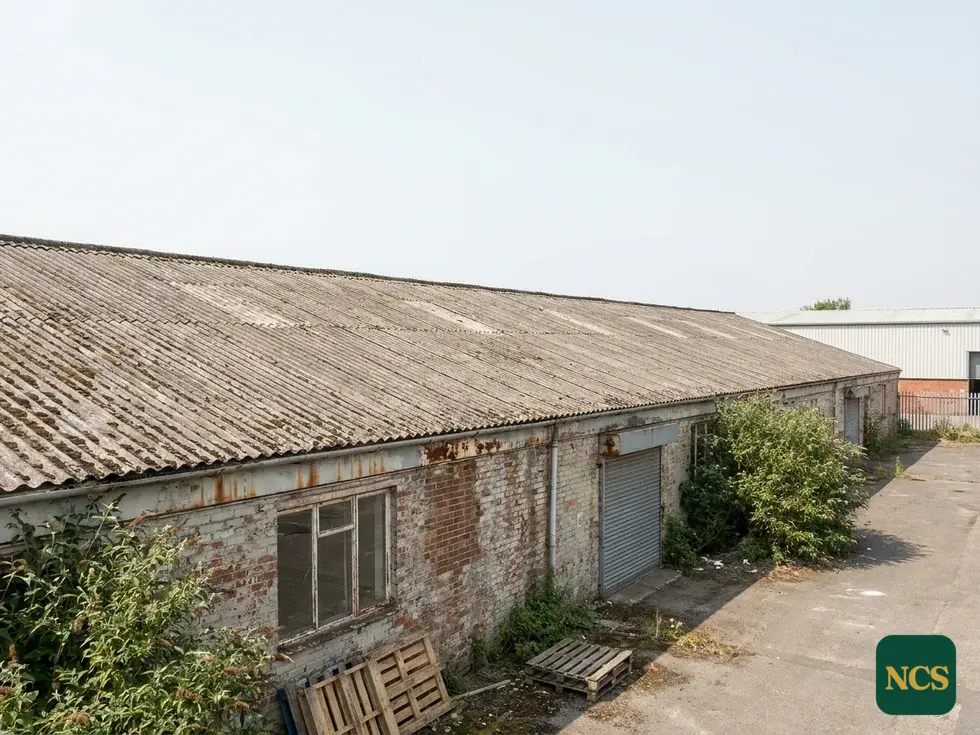
Some roofs should not be coated, and we say so. If insulation inside the roof is saturated, a new membrane seals the water in and the deck deteriorates underneath. If sheets or decking are corroded or rotted through, there is nothing sound to bond to. Widespread fixing failure, advanced corrosion in the body of metal sheets, brittle fibre cement that cannot safely be worked on, and ponding caused by structural deflection all point the same way: repair or replace, not coat. Where the survey finds these conditions, the report recommends accordingly. We would rather lose a coating job than sell one that fails.
Why survey-led work pays for itself
The price of a coating job is visible up front. The cost of a bad one arrives later, as stained ceilings, damaged stock and a roof that now needs replacing anyway. The factors that separate the two are all decided early: an accurate survey, honest assessment, thorough preparation and the right system for the substrate. That is what survey-led means in practice, and it is the standard every Exeter building owner should hold any contractor to, ours included.
What a commercial roof coating survey in Exeter looks at
National Coating Specialists carries out commercial roof coating work in Exeter and the surrounding area. Every building is assessed on its own condition first. The survey weighs up the points that decide whether coating, repair or replacement is the right route:
- Stronger local Exeter/Devon weather pain points and building types (warehouses, factories, agricultural units).
- Specific detail on roof substrates handled (metal profile sheets, asbestos cement, single-ply, felt, flat roofs).
- Dedicated section on cut edge corrosion and gutter refurbishment for industrial metal roofs.
- Step-by-step description of the coating process, access methods and how work is done on live sites.
- Proof elements: project examples or anonymised case studies around Exeter/South West (no fake reviews).
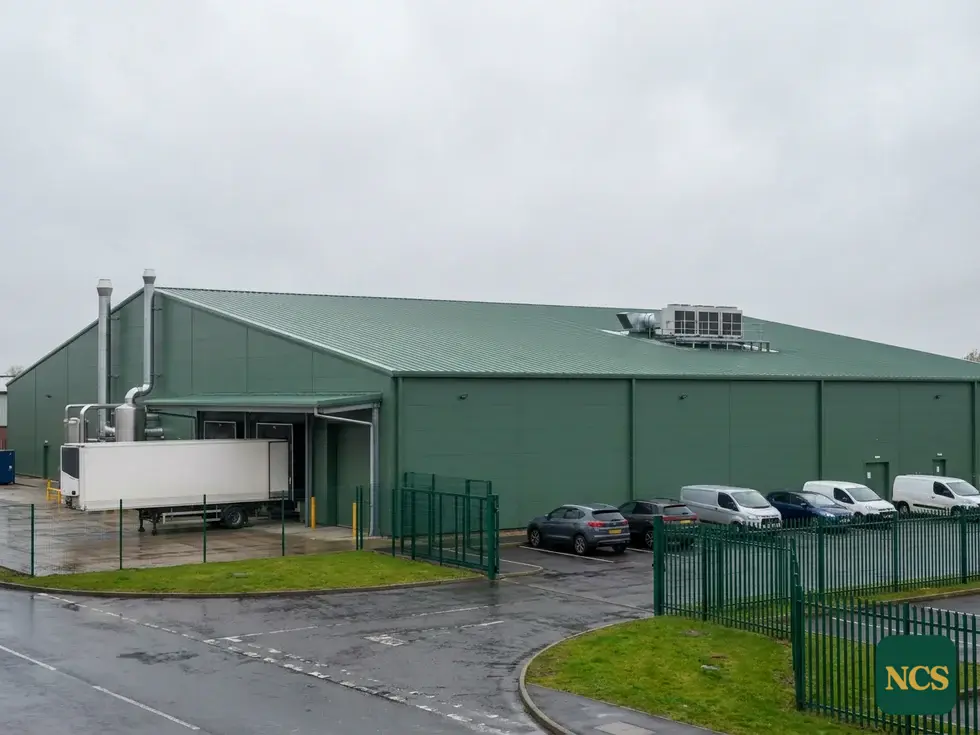
Related survey-led services
Cladding SprayingSurvey-led cladding spraying for commercial and industrial buildings across England.
Cut Edge Corrosion TreatmentSurvey-led cut edge corrosion treatment for commercial and industrial buildings across England.
For a survey-led assessment of your building in Exeter, request a free site survey.
Recent project near Exeter
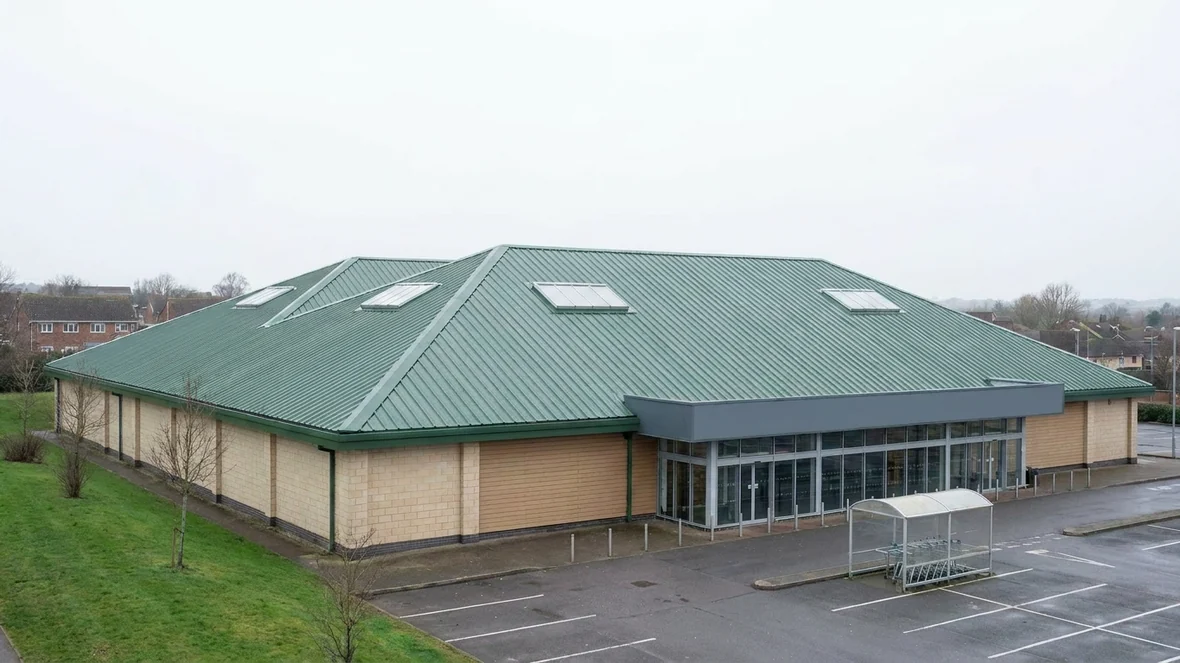
Cut edge corrosion treated and the whole roof coated moorland green on a supermarket near Exeter, without losing an hour of trading. Read the full case study.