Commercial wall coating in Exeter
Devon’s weather quietly decides every exterior project in this city. Atlantic fronts cross the South West more often than almost anywhere else in England. They keep Exeter’s commercial elevations wetter for longer than owners further east would believe. Commercial wall coating in Exeter is therefore a moisture-management decision before it’s a cosmetic one. Done on the back of a proper survey, a coating can keep wind-driven rain out of the fabric. It can cut the repainting cycle on a tired frontage. Done from a glossy brochure, it can lock water into a wall that needed something else entirely. We only work the first way.
What this work involves across the city
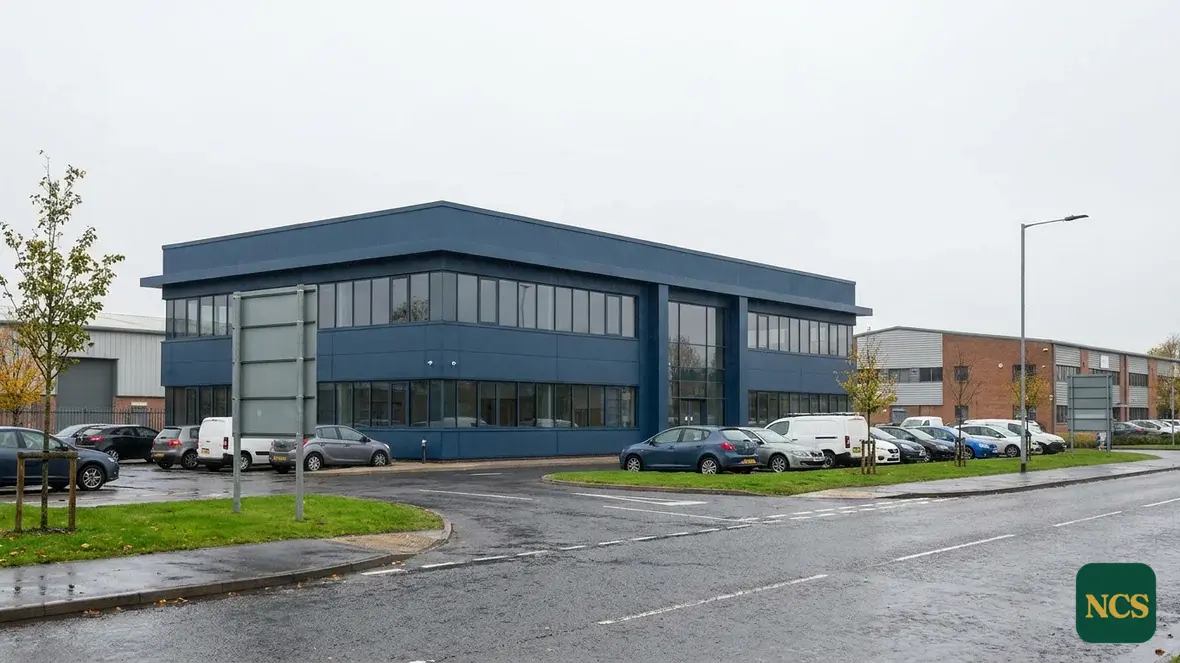
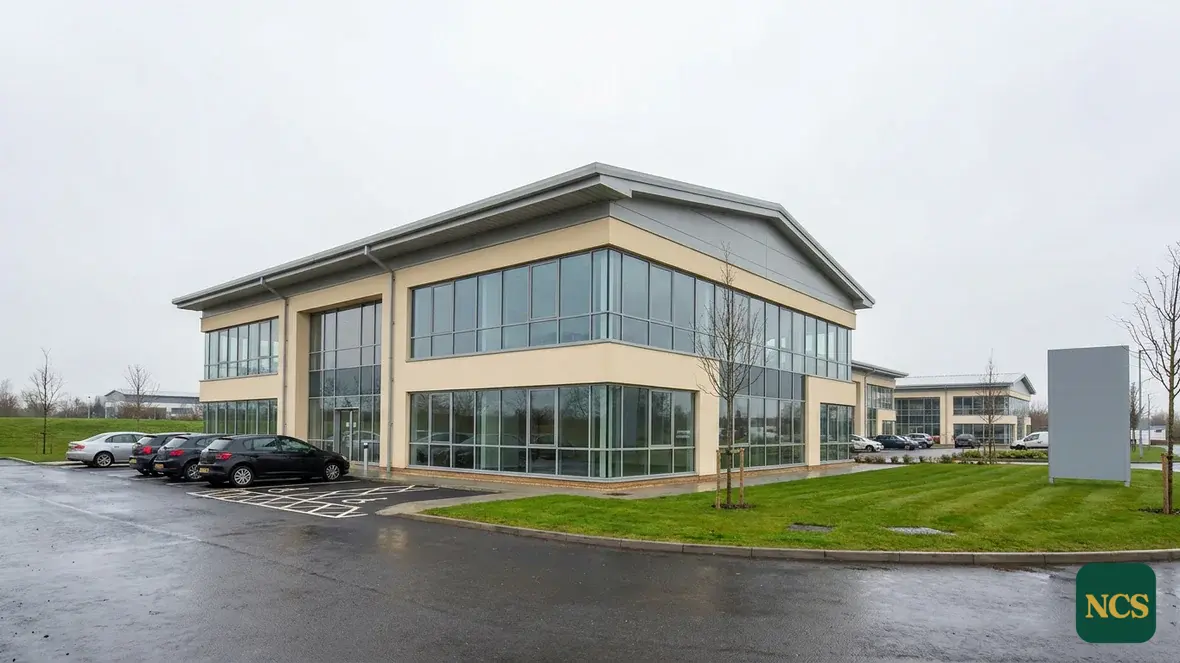
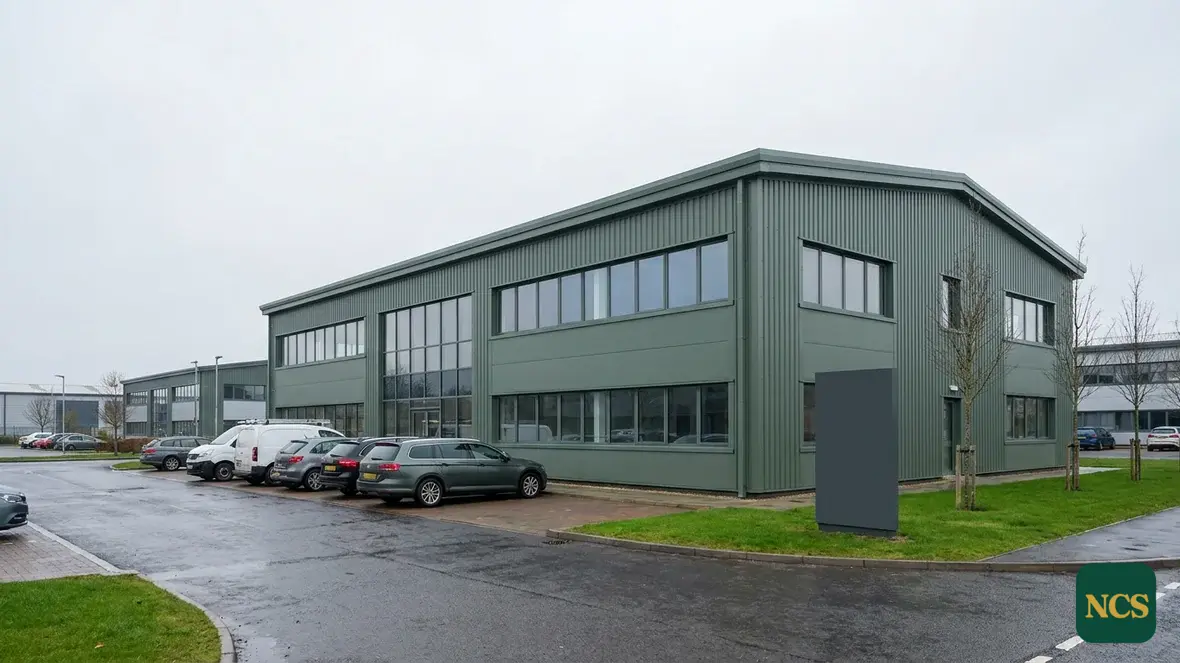
Exeter’s commercial stock splits roughly into three. The centre, rebuilt in large part after wartime damage, carries post-war brick and rendered commercial buildings alongside surviving older frontages. The city’s edge holds the business parks and trade estates, mostly steel-framed units with brick, blockwork or rendered elevations. Threaded between them are converted and mixed-use buildings, often with flats above commercial ground floors. In general terms, those are the building types a coating enquiry here involves. Each one weathers differently: solid older walls breathe and hold moisture, post-war cavity work behaves another way again, and modern render systems bring their own failure modes when they age.
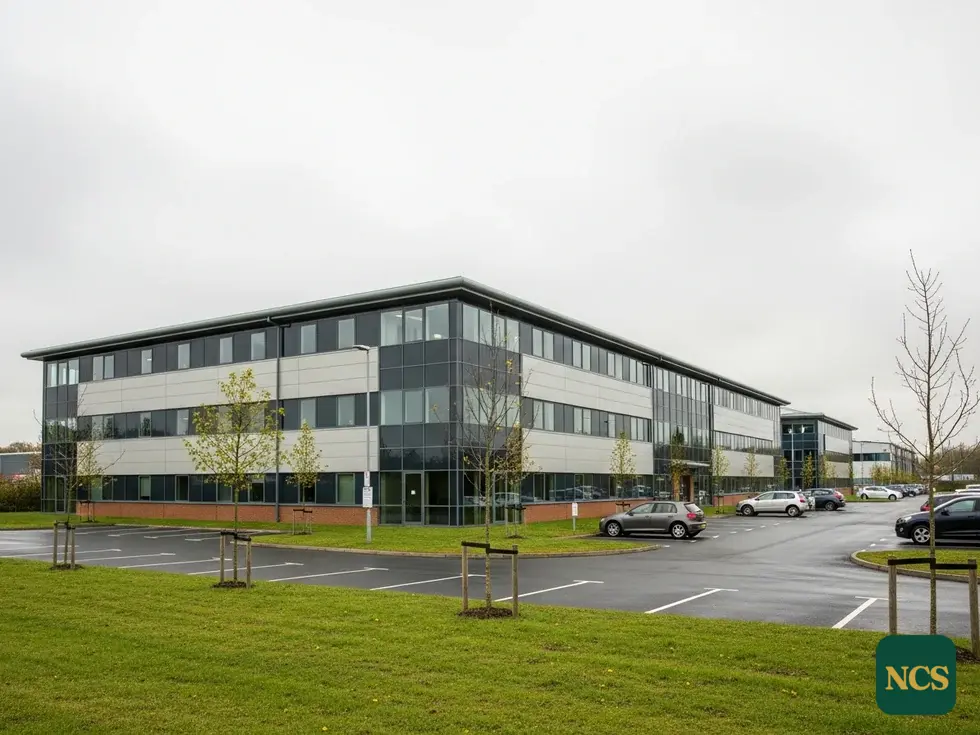
How an Exeter survey works
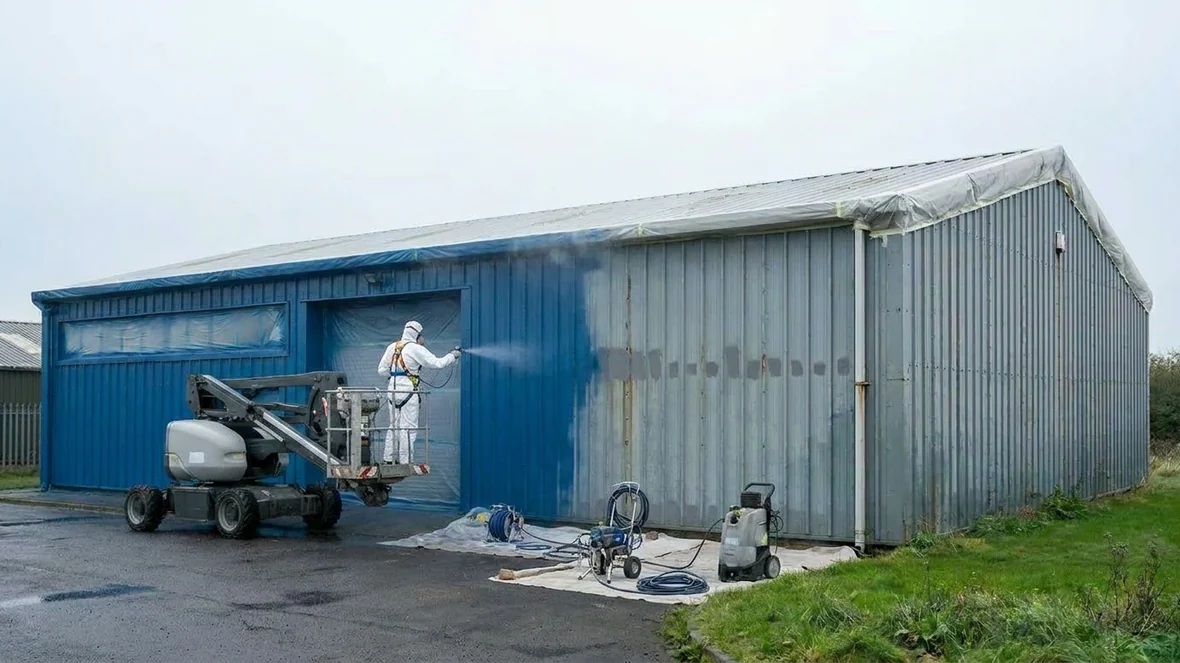
We begin with the wall, not the product list. The survey records substrate type and condition, moisture readings across affected elevations, adhesion of any existing render or paint, and the state of the details that drive most leaks: parapets, copings, sills and rainwater goods. The findings come to you in writing. The repairs, the preparation and the proposed coating system are itemised separately, so you can compare quotations properly and question anything that looks thin. Application is then programmed around realistic South West weather windows rather than wishful thinking. We survey across Devon and along its borders, which puts Exmouth, Newton Abbot, Tiverton and Honiton inside the same coverage as Exeter itself.
A good share of our Exeter enquiries start with a search for commercial painters, and for exterior work that is what we are, with the wall repaired and primed before any finish goes on.
What a coating will not fix
This section exists because honesty about it saves our clients real money. There are problems no coating can solve, and we put them in writing whenever a survey finds them:
- Structural cracking or movement, which needs investigation first
- Damp from failed gutters, downpipes or copings, which needs repairing at source
- Bridged damp-proof courses and raised ground levels against the wall
- Detached or hollow render, which must come off, not be painted over
- Solid historic walls that need a breathable treatment, not a sealed film
Where one of these applies, the report says so, and the coating conversation pauses until the underlying issue is dealt with.
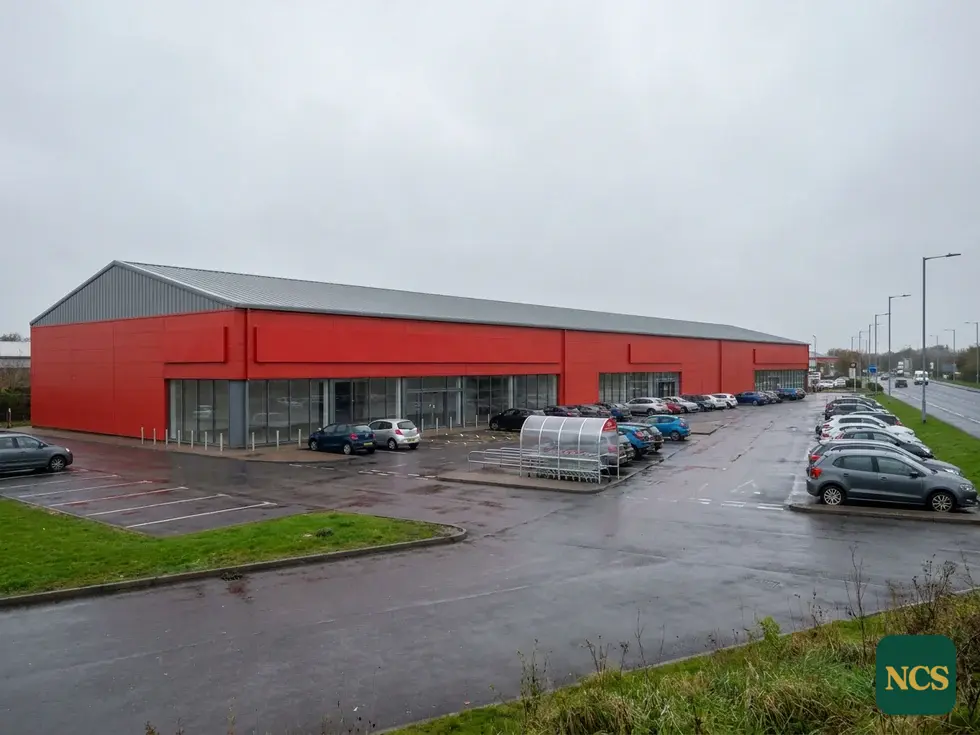
The case for survey-led in the South West
High rainfall makes the gap between a good and bad coating decision wider in Devon than almost anywhere else. A failed system on a wet wall blisters quickly, and stripping it costs more than the original job. A survey-led contractor closes that gap with evidence: written findings from your building, a specification matched to its actual substrate, repairs priced on their own lines, and a straight answer when coating is not justified. For commercial owners and managing agents in Exeter, that is the difference between maintenance spending you can defend and a gamble on a wall you cannot see inside.