









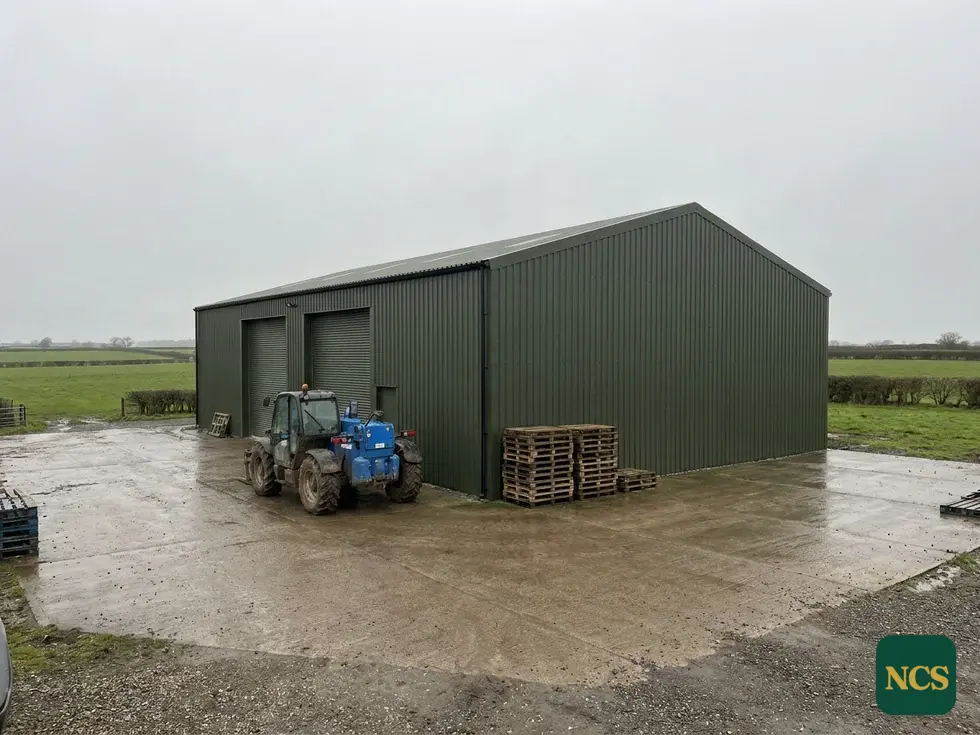
Farm building coatings across the Lincoln area
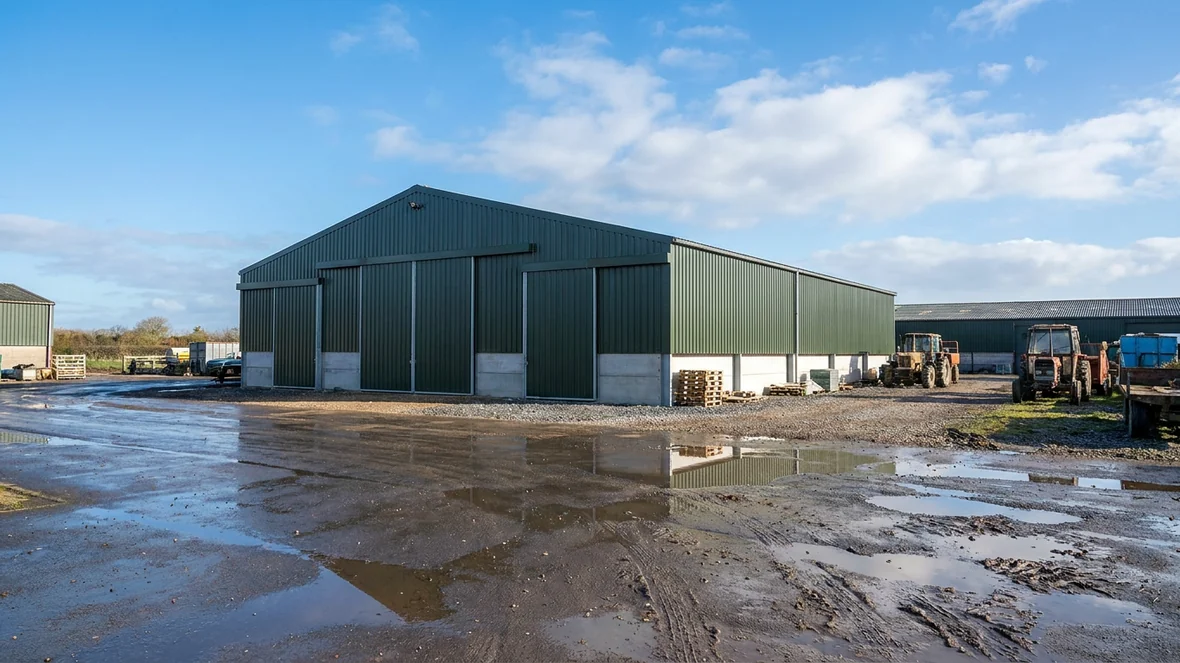
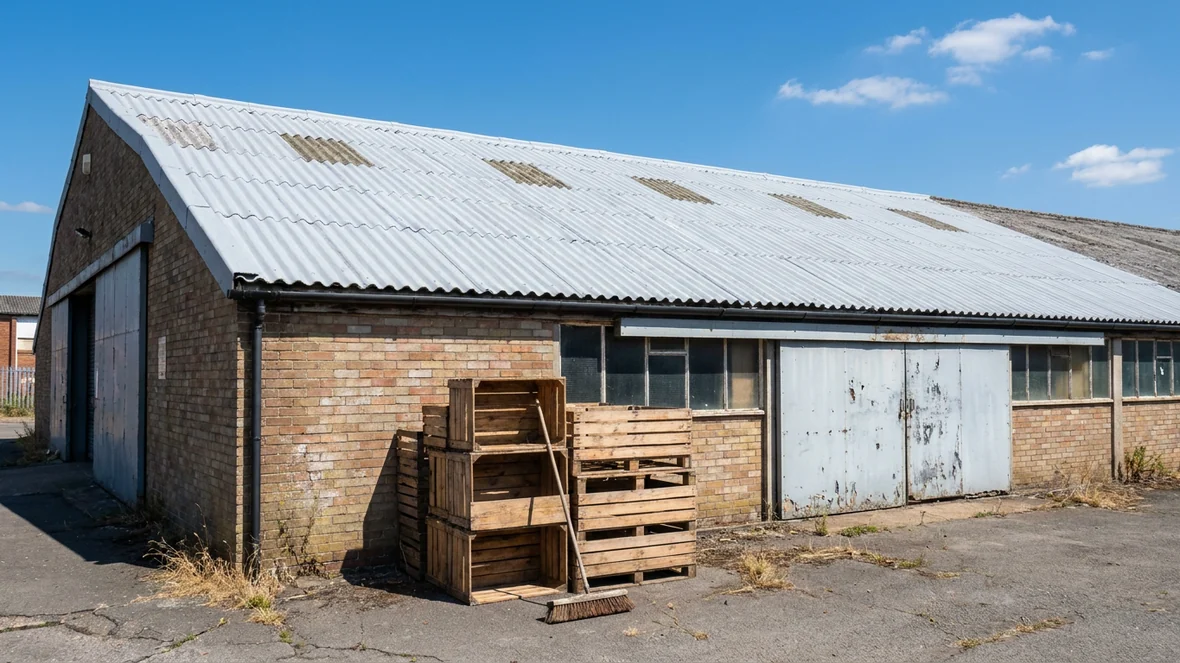
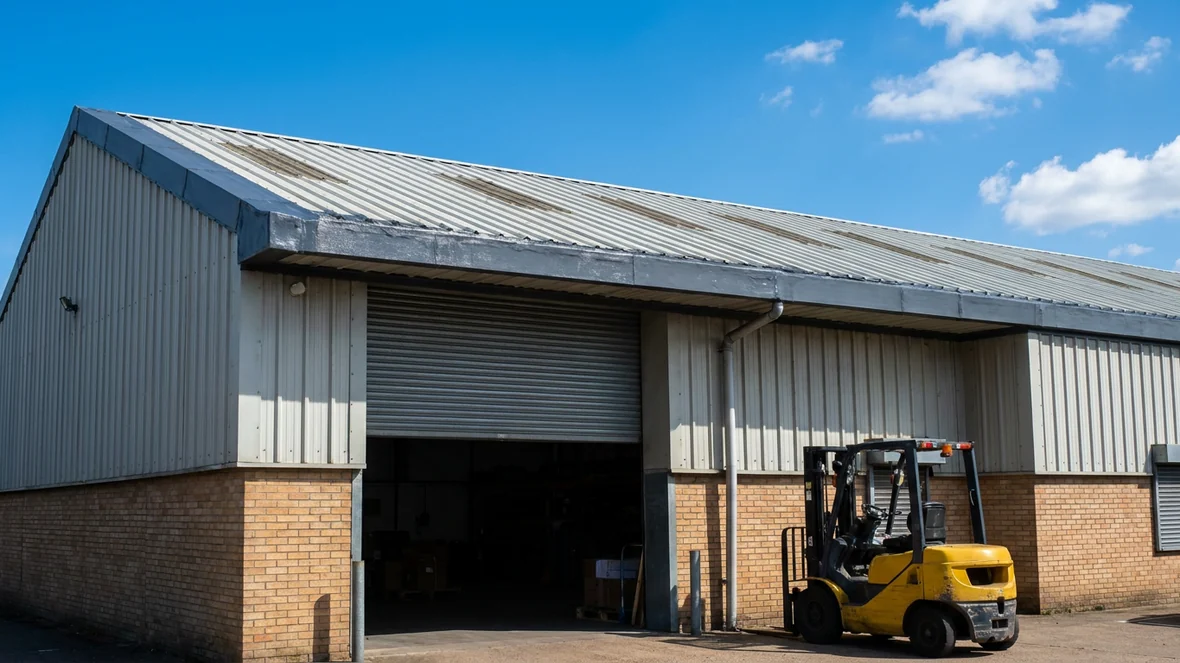
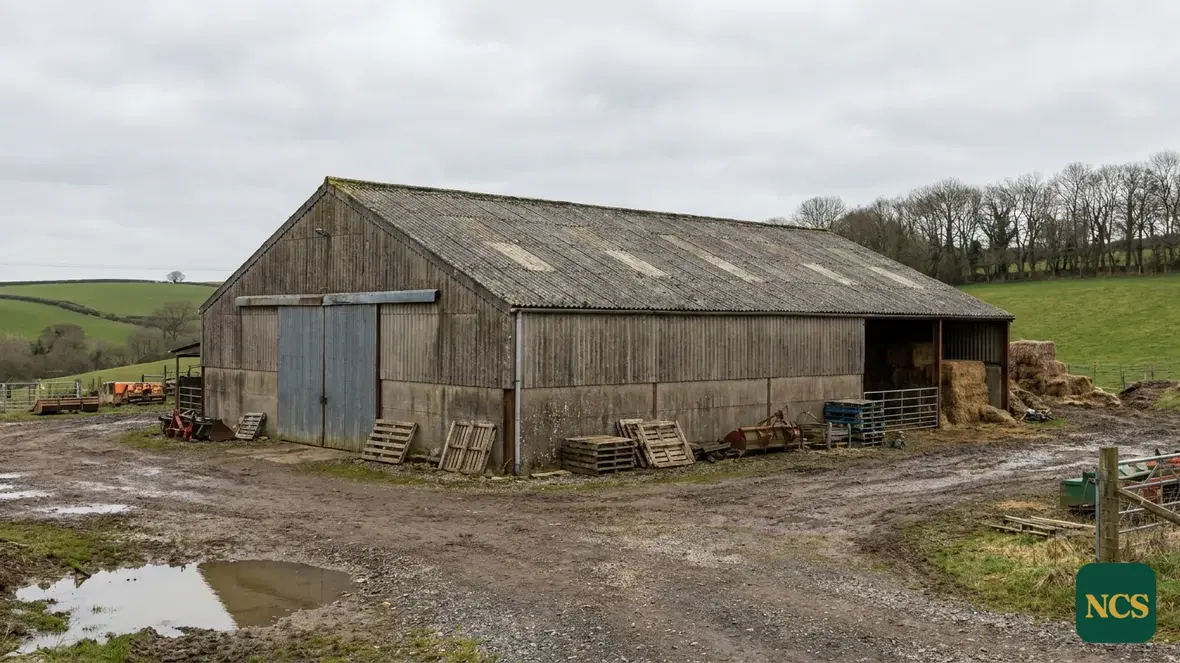
Lincolnshire farms work at scale, and the buildings reflect it: long-span grain stores, vegetable and potato stores, big machinery sheds built to house wide kit, and older asbestos-cement roofed yards still earning their keep on the edge of the heath and down on the fen. Around Lincoln the most common conversation we have is about a roof that has gone tired rather than failed: fibre-cement sheets turned porous and green, profiled steel chalked and rust-streaked at the laps, rooflights gone brittle and opaque. Coating systems exist to deal with exactly this stage of a building’s life, sealing and protecting a substrate that is still fundamentally sound, and putting off the far larger cost of re-sheeting. The key word is “sound”, and the only way to establish that is to get on the roof and survey it.
Fen wind, wide skies and weathered sheets
The flat country around Lincoln gives buildings very little shelter. Wind-driven rain finds every loose lap and weeping fixing, and the freeze-thaw cycle works on any sheet that has started to hold water. On older fibre cement that shows up as surface erosion and moss; on steel it shows up as edge corrosion that creeps inwards from cut ends. A coating applied over either without proper preparation fails early, so the specification always starts with cleaning, repair of laps and fixings, treatment of corrosion and replacement of anything beyond saving, and only then the coating itself. Gutters matter just as much on these long buildings: a coated roof draining into a corroded, leaking valley gutter has not solved the farm’s actual problem.
Programming around harvest, beet and store cycles
Grain and vegetable stores around Lincoln run to a tight calendar. Stores need to be empty, swept and ready well ahead of intake, and the practical window for roof work is usually after the store empties and before harvest or lifting begins. Beet traffic, irrigation season and cultivations all affect when a yard can give up space for access equipment. We settle the programme at survey stage, in plain terms: which weeks the work needs, what space we need in the yard, and what happens if weather moves the schedule. Farms run on timing, and a contractor who does not respect that is a liability whatever the quality of the coating.
When we will tell you not to coat
Some buildings should not be coated, and we say so in writing. The usual reasons:
- Asbestos-cement roofs too cracked or fragile for safe access and preparation
- Steel sheeting with perforation or deep section loss, not just surface rust
- Structural problems in purlins or frames that a coating would merely hide
- Buildings scheduled for replacement, extension or a change of use that makes the spend pointless
- Cases where preparation and repair costs climb close to the price of new sheets
Where one slope is past saving and the rest is not, a mixed approach of partial re-sheeting plus coating often makes the best use of the budget, and the survey report will say so rather than defaulting to the biggest job.
Survey-led, England-wide, straightforward
We are based in the South East and work across England, with Lincolnshire firmly inside our normal coverage. Every project starts with a survey of the roof, cladding, gutters, rooflights and fixings, and ends with a written assessment you can hold us to: what we found, what we recommend, what we advise against, and when the work could realistically happen around your farming year. No invented urgency and no coating sold onto a roof that needs something else. If you have a store, barn or shed near Lincoln that is starting to cost you in leaks, spoilage or patch repairs, a survey will tell you where you actually stand.