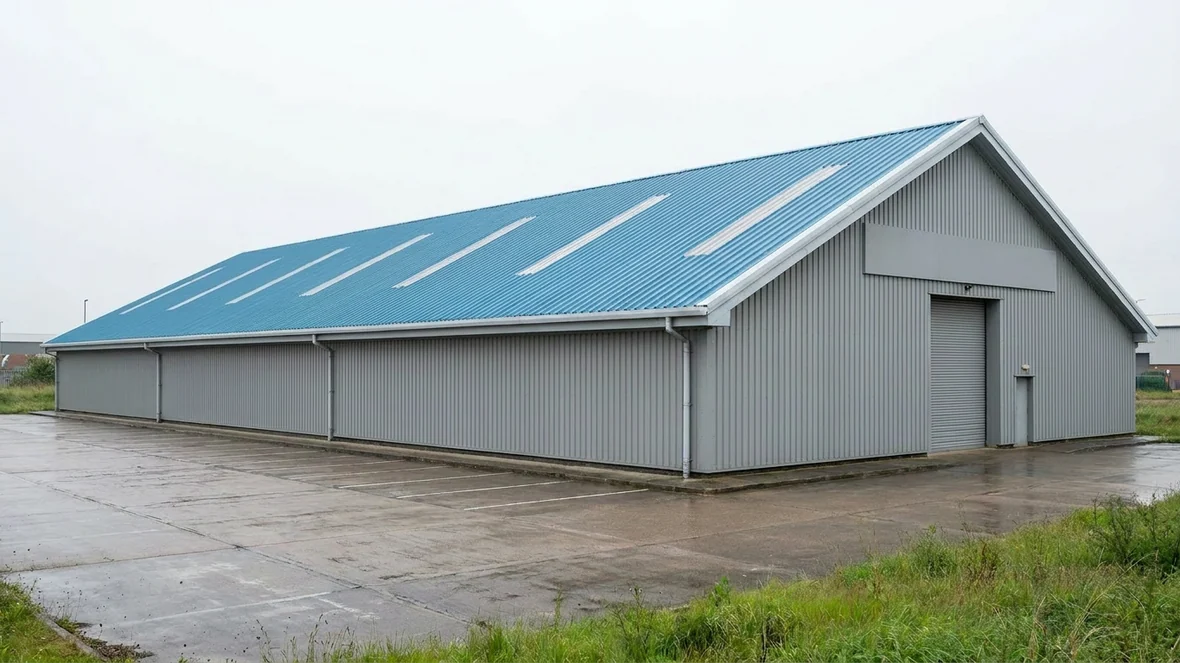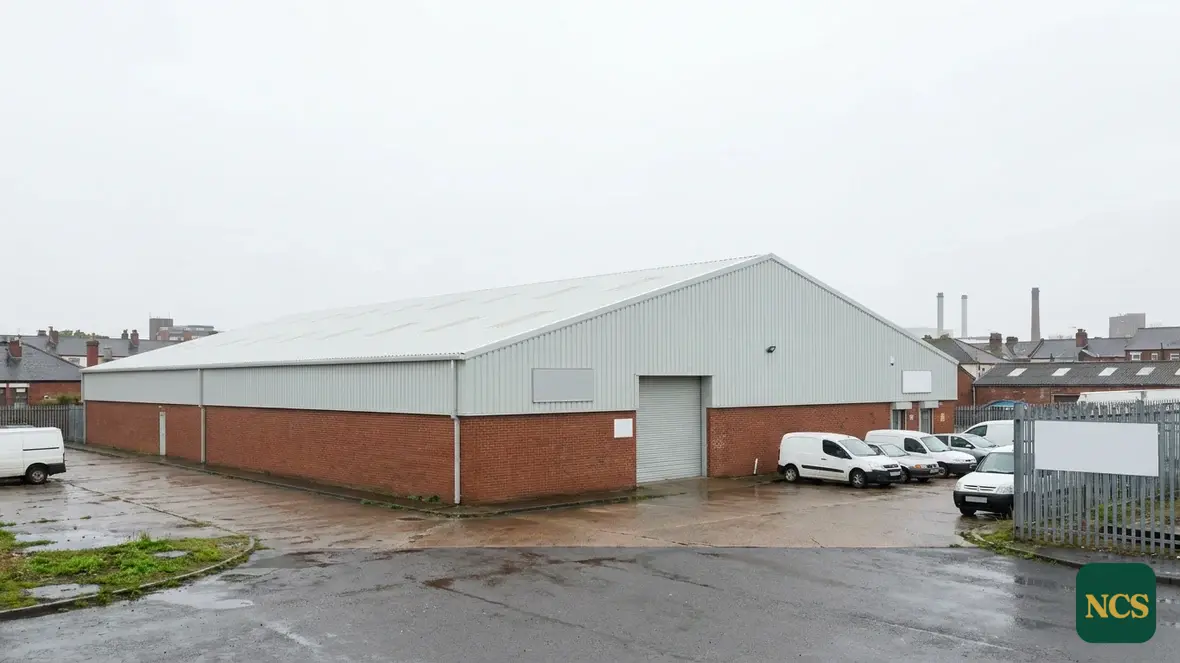




We coat asbestos cement roofs across Lincolnshire, making sound existing sheets serve on and postponing the need for full re-sheeting. Our work turns a weathered, porous roof into a sealed, weathertight surface without the disruption and cost of replacement. We won’t recommend it if your roof isn’t a candidate, but for many commercial, industrial and agricultural buildings in and around Lincoln, coating is the sensible, survey-led option that keeps the building in use while we work.
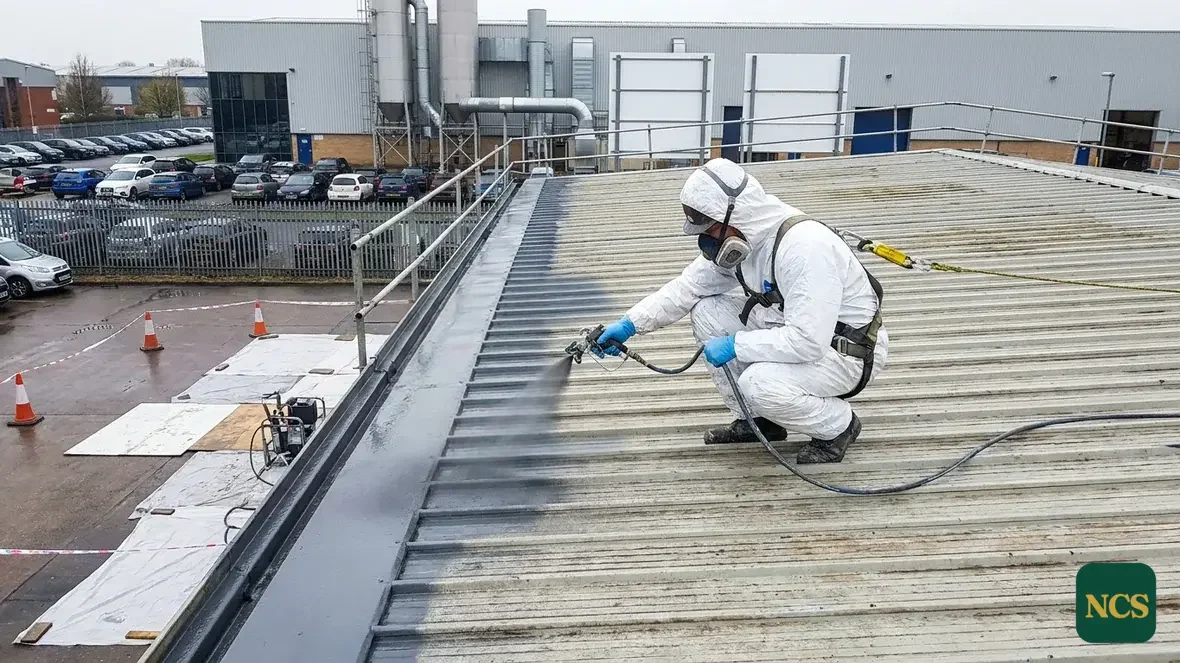
Working to the right benchmarks for asbestos roof encapsulation
Our work is built around the HSE’s guidance on asbestos. Their guidance is clear that for good-condition asbestos cement, leaving it undisturbed and managing it in place is usually the preferred option, rather than disturbing it without need. Encapsulation helps you do exactly that: it restores integrity to the surface without disturbing the sheets themselves. We work to CHAS accreditation, so your health and safety paperwork is ready before we start. To discuss whether your roof is suitable, request a free quote.
When an asbestos roof is a candidate for encapsulation in Lincoln
As a rough first filter, an asbestos cement roof is worth surveying for encapsulation when:
- The sheets are weathered and porous but structurally intact
- Cracks, holes and past repairs are limited and repairable
- Fixings, laps and edges are largely sound
- The building has a working future of years, not months
- You want to keep the building in use during the work
If that sounds like your roof, encapsulation deserves a proper look. You can also explore our wider services. If it does not, read the section further down on the jobs we turn down, because it may apply to you.
How asbestos roof encapsulation helps you manage risk
The Control of Asbestos Regulations 2012 require whoever controls a non-domestic building’s maintenance, and that includes working farm buildings, to identify asbestos, assess its condition and manage the risk under a written plan. Managing sound material in place is fully recognised. HSE guidance generally favours leaving good-condition asbestos cement undisturbed rather than disturbing it without need.
Encapsulation turns that policy into something physical: deterioration arrested, surface sealed, re-inspection interval set. For a Lincoln building owner the result is a roof with usable life ahead of it and a register entry that shows the risk is being actively managed rather than just watched. We are a South-East based contractor and carry out this work across the UK, Lincolnshire included.
Our process for asbestos roof encapsulation, step by step
First, the survey. We cover that below. Then controlled cleaning. No abrasive blasting and no aggressive pressure washing, because scouring an asbestos surface releases fibres. We treat and clear biological growth, repair minor defects, deal with loose fixings and manage fragile roof lights safely. The encapsulant coating system then goes on to the specified thickness, sealing the porous cement, locking down fibre release and restoring a weathertight surface. We do the work from outside, with the building below typically remaining in use throughout.
Every asbestos roof encapsulation Lincoln project starts the same way: a condition survey that says what the sheets can safely take.
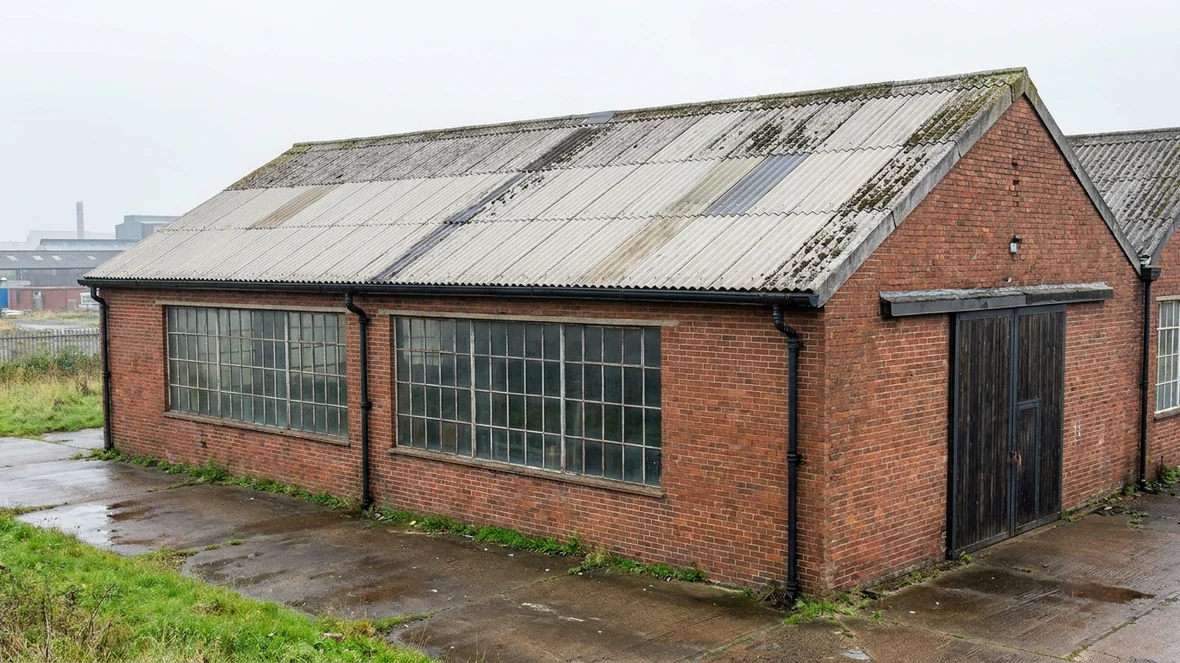
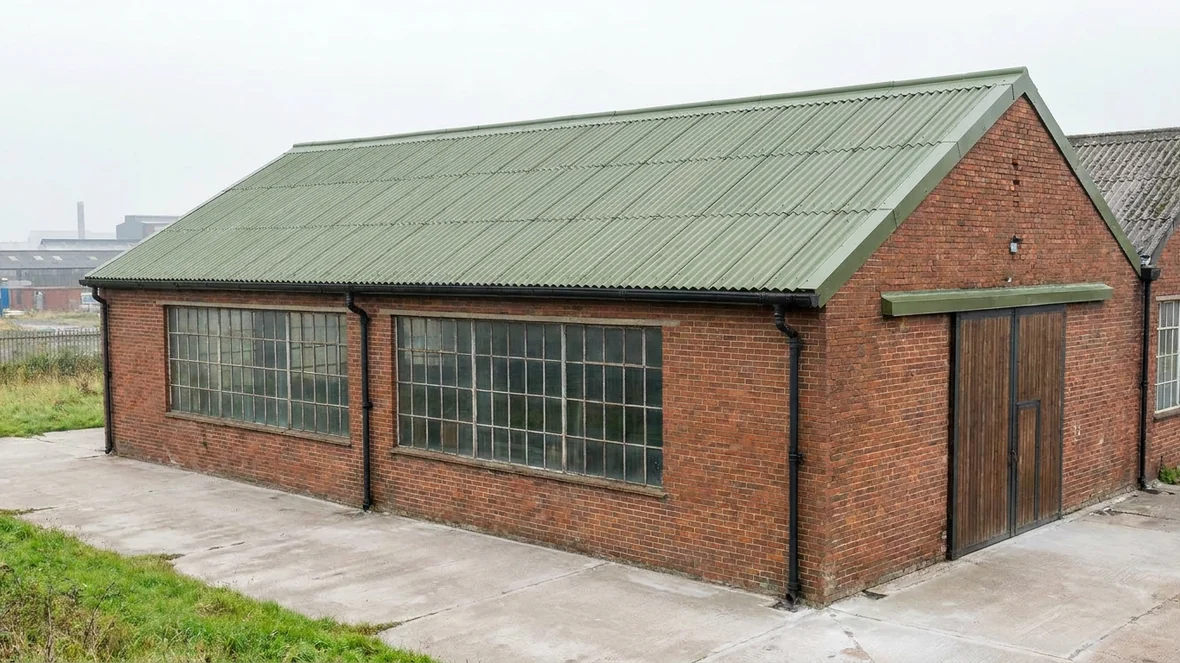
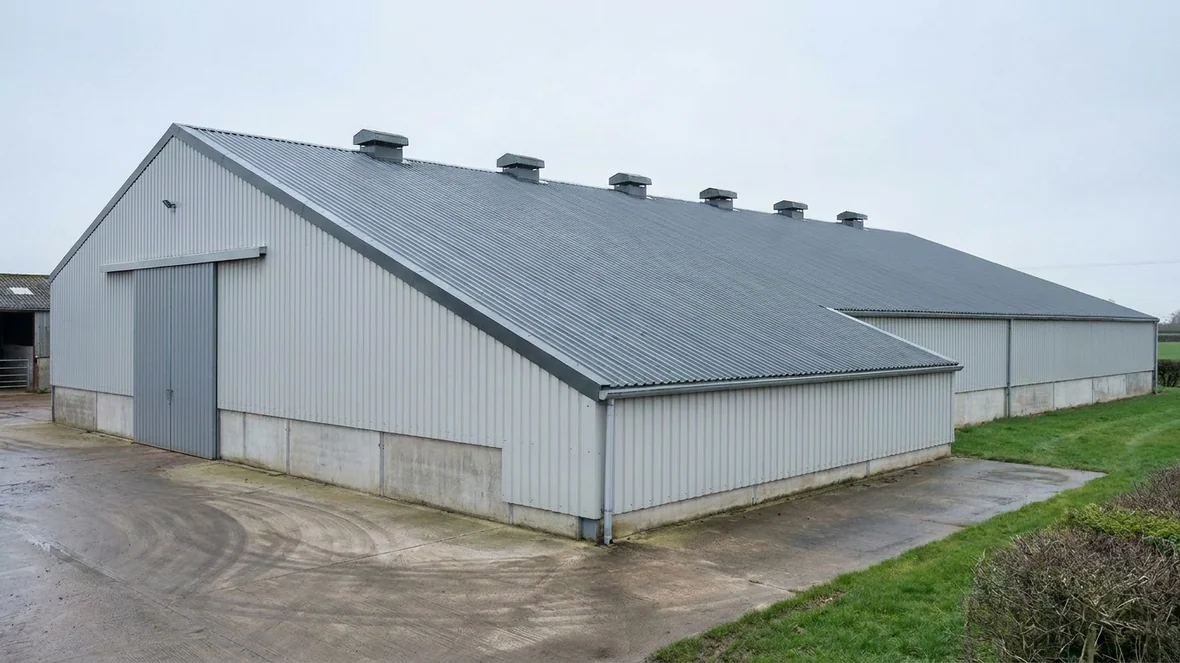
Before and after: asbestos roof encapsulation for a farm building
These photographs are from a grain store roof we encapsulated near Taunton. The full project is in our Taunton case study.
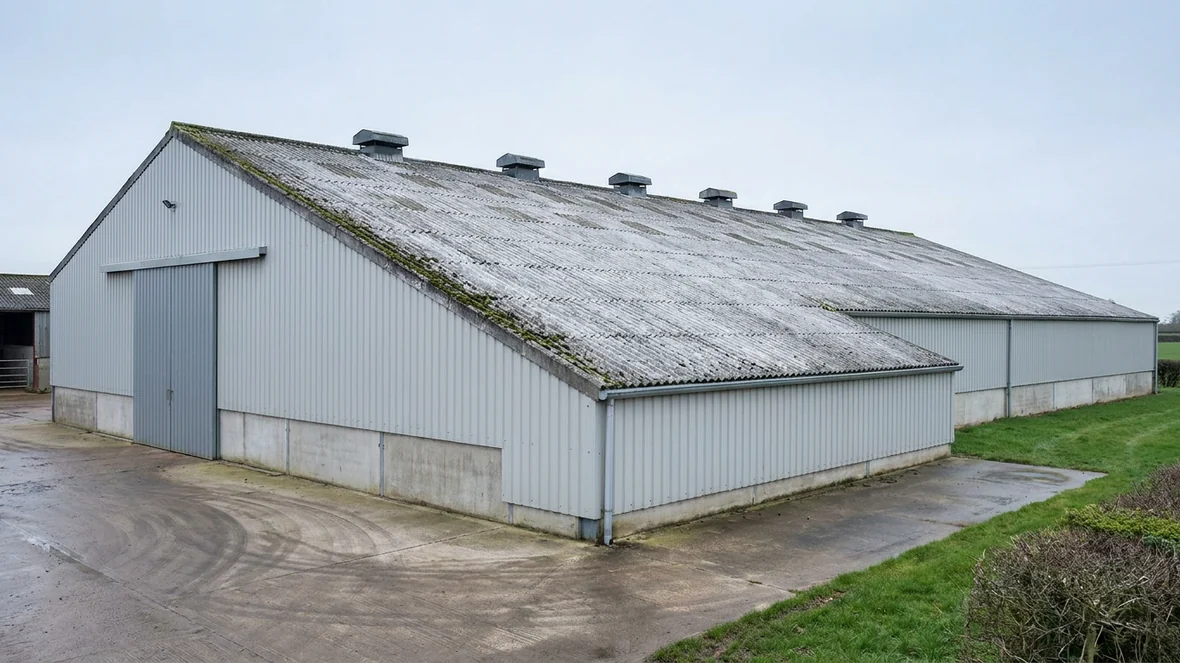
Asbestos cement roofs on Lincolnshire’s farms and industrial estates
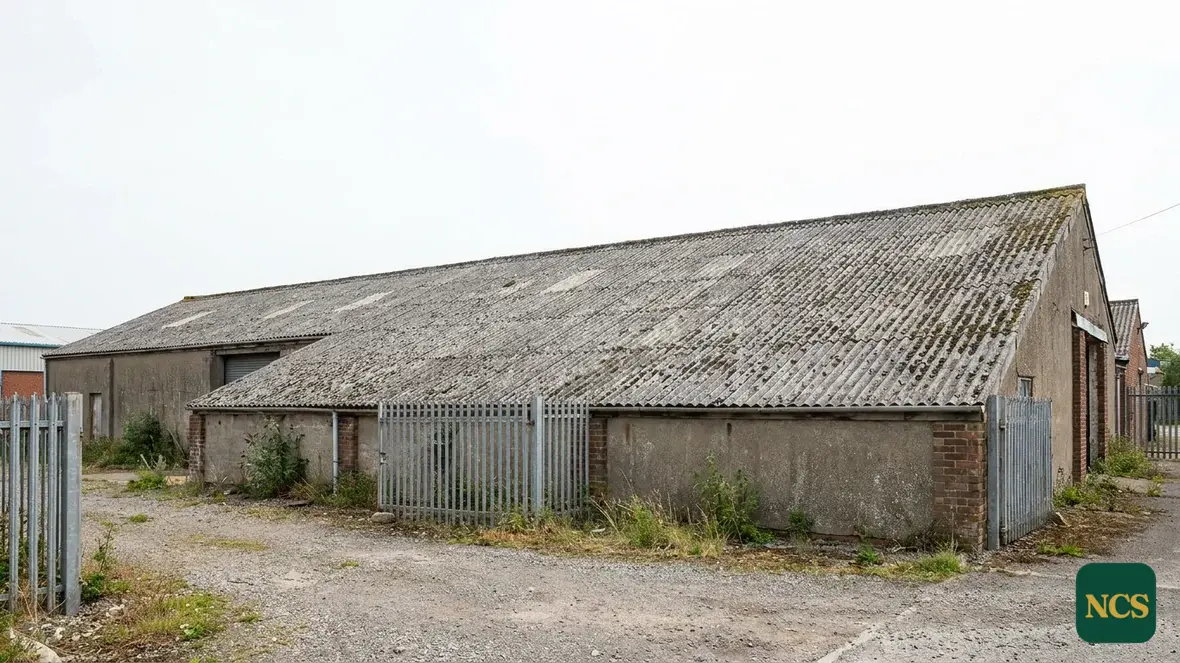
Lincolnshire is farming country. Its agricultural buildings, grain stores, machinery sheds and livestock housing made heavy use of profiled asbestos cement during the latter decades of the twentieth century. The industrial estates in and around Lincoln carry the same material on older workshops and units. After decades of east-coast weather, many of these roofs share the same condition: eroded surfaces, moss, hairline crazing, damp staining at laps and fixings. Structurally they often have life left in them. The surface is the problem, and the surface is exactly what encapsulation addresses.
Asbestos roofs we will not coat
We decline to encapsulate roofs that have passed the point where a coating is sound engineering. That includes sheets that are extensively cracked or holed, delaminating, soft or friable, and roofs where edges and fixing points are crumbling away. It also includes buildings with suspect frames or purlins, and sites with demolition or redevelopment planned, where the spend would be wasted. Those roofs need removal under proper controls by an appropriate contractor. Our survey report will say so in writing. A coating company that never recommends removal is not advising you. It is selling to you.
HSE guidance generally favours leaving good-condition asbestos cement undisturbed rather than disturbing it without need, and our surveys are built around that. Our teams plan every job around the HSE’s guidance on asbestos, and we hold CHAS accreditation so the health and safety paperwork a dutyholder or facilities manager asks for is ready before the first van arrives. To discuss whether your roof is suitable, request a free quote.
Common questions about asbestos roof encapsulation Lincoln
Can an asbestos cement roof be coated rather than removed?
Yes, provided the sheets remain sufficiently sound and the supporting structure is suitable. Encapsulation seals the weathered surface beneath a protective coating system, avoiding unnecessary disturbance of the asbestos cement. We assess sheet condition, fixings, laps, junctions and water flow before recommending this approach.
Does encapsulation make an asbestos roof safe?
Encapsulation helps contain the asbestos fibres within the cement matrix and reduces further surface weathering. It does not remove the asbestos from the building. The roof must therefore remain recorded in the asbestos register and managed in accordance with the building owner’s legal duties.
Can you coat a leaking asbestos roof?
Often, but coating alone should not be treated as a cure for every leak. Water may be entering through cracked sheets, failed fixings, defective rooflights, open laps, damaged flashings or poorly detailed penetrations. We identify and address these defects as part of the proposed remedial specification. A badly fractured or structurally unreliable roof may require replacement instead.
Can a business remain open during asbestos roof encapsulation?
In many cases, normal activity can continue with suitable segregation and a carefully planned method of work. The answer depends on access, the condition of the roof, the operations below and the findings of the asbestos information. We agree practical controls before work begins rather than assuming that every occupied building presents the same risks.
How long does asbestos roof encapsulation last?
Service life depends on the condition of the existing sheets, the quality of preparation, the coating specification, exposure and subsequent maintenance. We do not judge suitability by coating thickness alone. Secure adhesion, sound detailing and proper treatment of vulnerable areas are equally important.
Asbestos roof coating or replacement: which is the better option?
Asbestos roof encapsulation in Lincoln is often appropriate where the cement sheets are weathered but broadly intact. It can reduce disturbance, retain a serviceable roof covering and address local defects without dismantling the entire roof. It may also be less disruptive to an occupied industrial or commercial building.
Replacement is the better choice where sheets are extensively cracked, delaminating or too fragile to retain; where the supporting structure requires major work; or where the building is being comprehensively redeveloped. It also wins when the owner wants the asbestos removed from the premises rather than managed in place.
A replacement project may provide a clearer route to substantial changes in insulation, roof geometry, daylighting or drainage. Conversely, removal introduces additional handling, waste and temporary weatherproofing requirements. Those factors need proper planning, not optimistic allowances.
We base the recommendation on condition and intended building use. Encapsulation should not be used to postpone replacement when the roof has reached the end of its practical life. Equally, a serviceable asbestos cement roof should not be removed automatically when controlled repair and coating would meet the owner’s objectives.
Preparation and detailing before an asbestos roof is coated
The coating is only the visible part of the work. Reliable encapsulation begins with a roof survey and a method designed to avoid uncontrolled fibre release. We select cleaning and preparation techniques according to the asbestos information, sheet condition and site constraints. Aggressive abrasion and careless high-pressure cleaning are not acceptable substitutes for controlled preparation.
Fixings, laps and damaged sheets
Loose or failed fixings can permit movement and water entry, while open side laps and end laps often become persistent weak points. We inspect these areas individually and specify compatible repairs where required. Cracked sheets are assessed rather than simply buried beneath coating; local replacement or more extensive renewal may be necessary.
Rooflights, penetrations and flashings
Rooflights, vents, ducts, parapets and abutments interrupt the roof plane and demand careful detailing. Existing sealants may have hardened, separated or been applied over contamination. We remove unsuitable loose material where it can be done safely, prepare the adjoining surfaces and form details that allow water to drain rather than collect behind a repair.
Gutters and drainage paths
Blocked gutters and poor falls can leave the lower roof sheets exposed to standing water and accumulated debris. Before coating, we check outlets, valleys and drainage routes so that the completed system is not expected to compensate for an unresolved drainage defect.
Application conditions and inspection
Surface dryness, temperature, wind and the likelihood of rain all affect application. We plan the work around suitable conditions and inspect the roof as each stage progresses. Particular attention is given to edges, laps, fasteners and repaired areas, where rushed application is most likely to leave weaknesses.