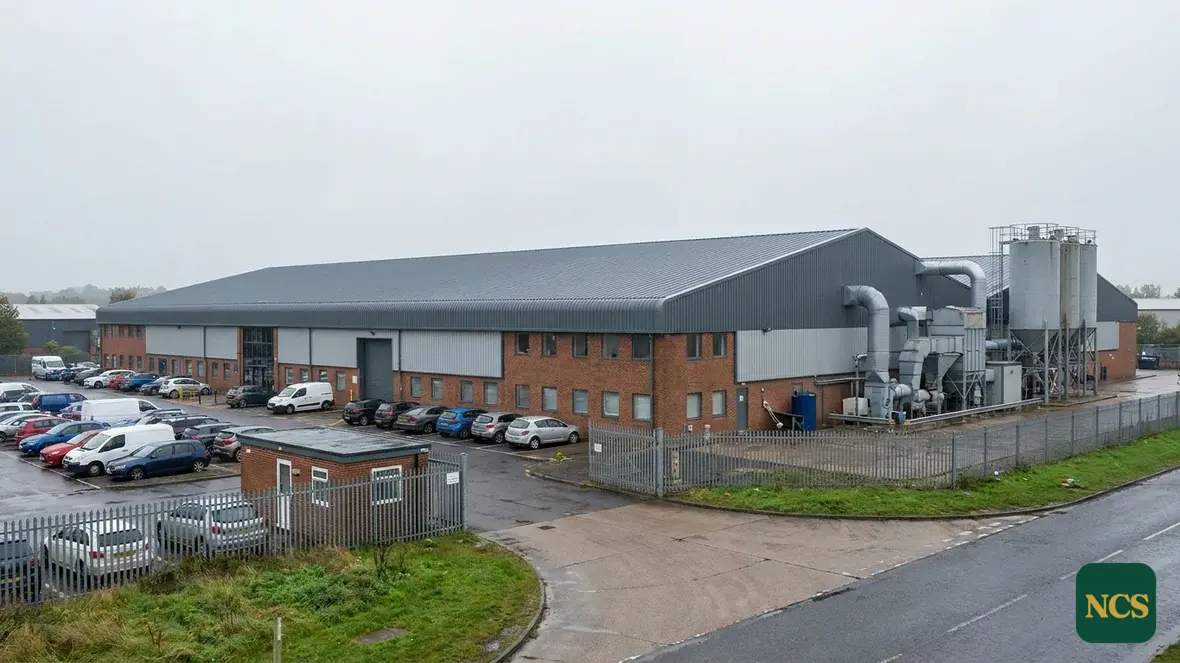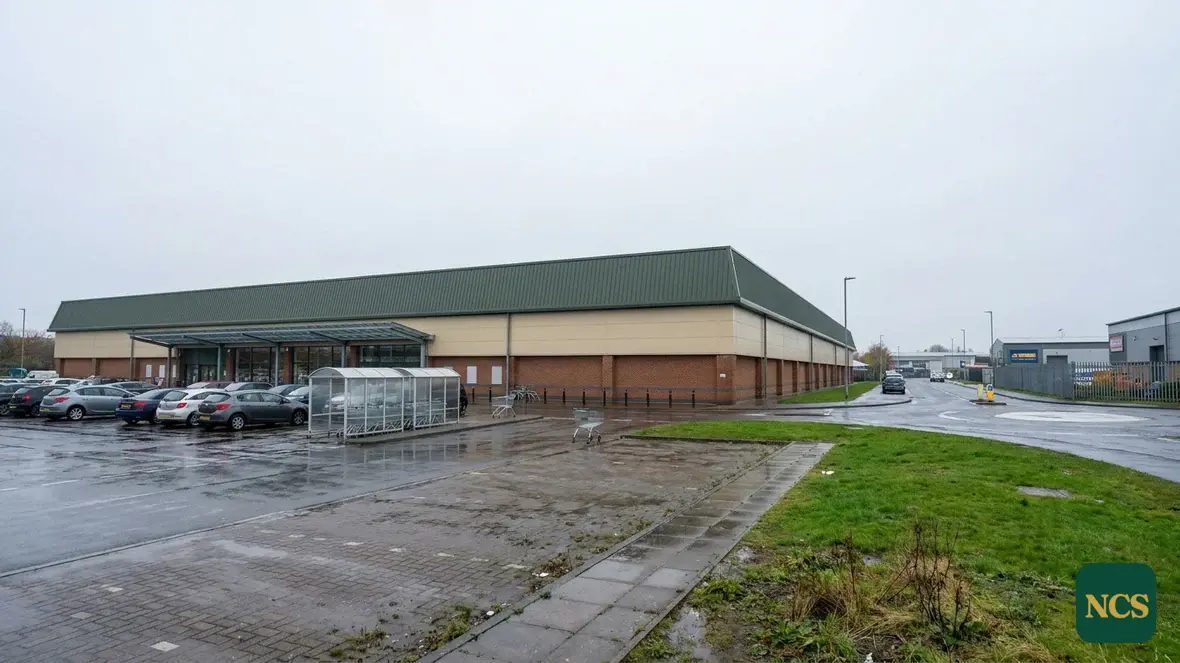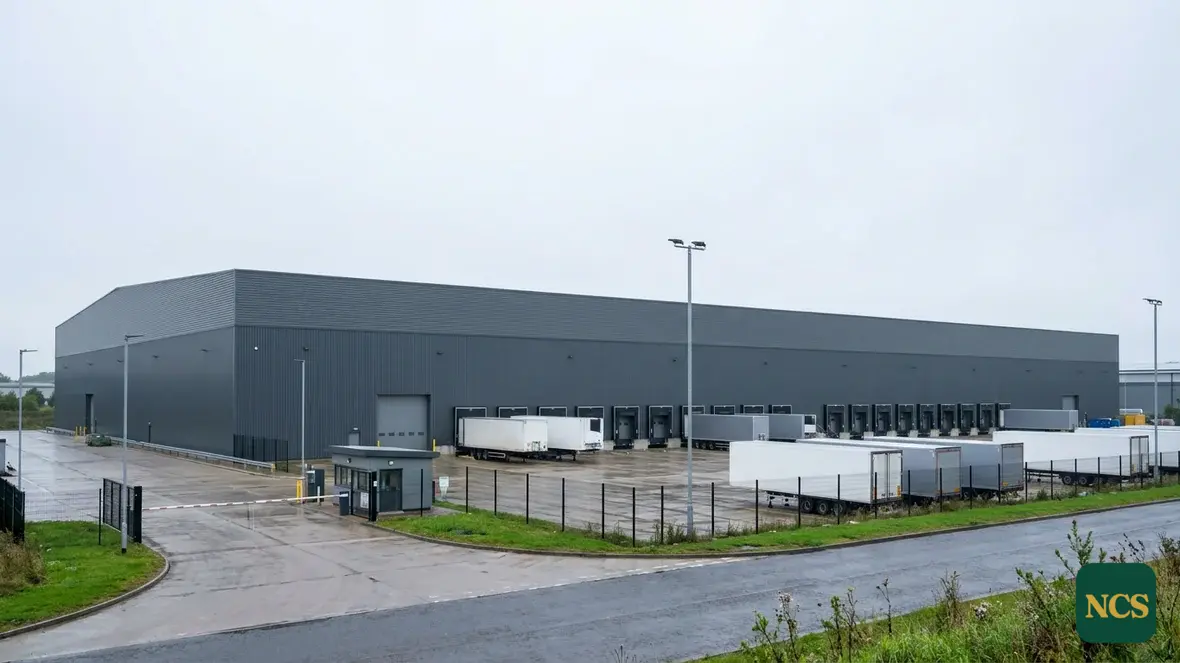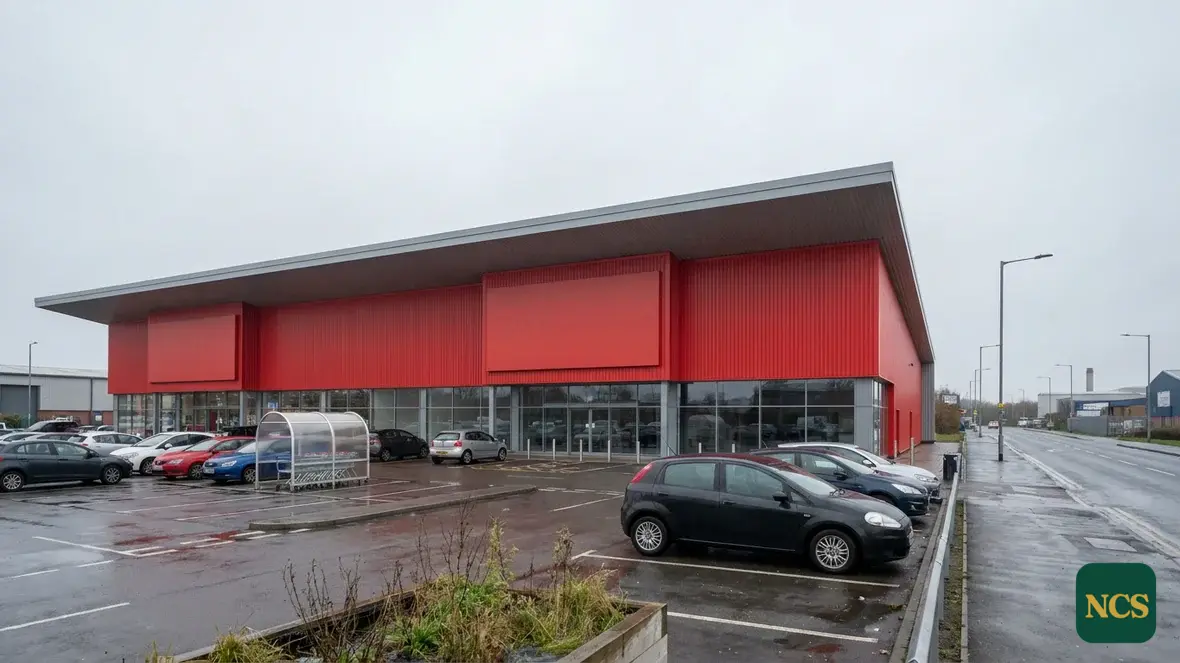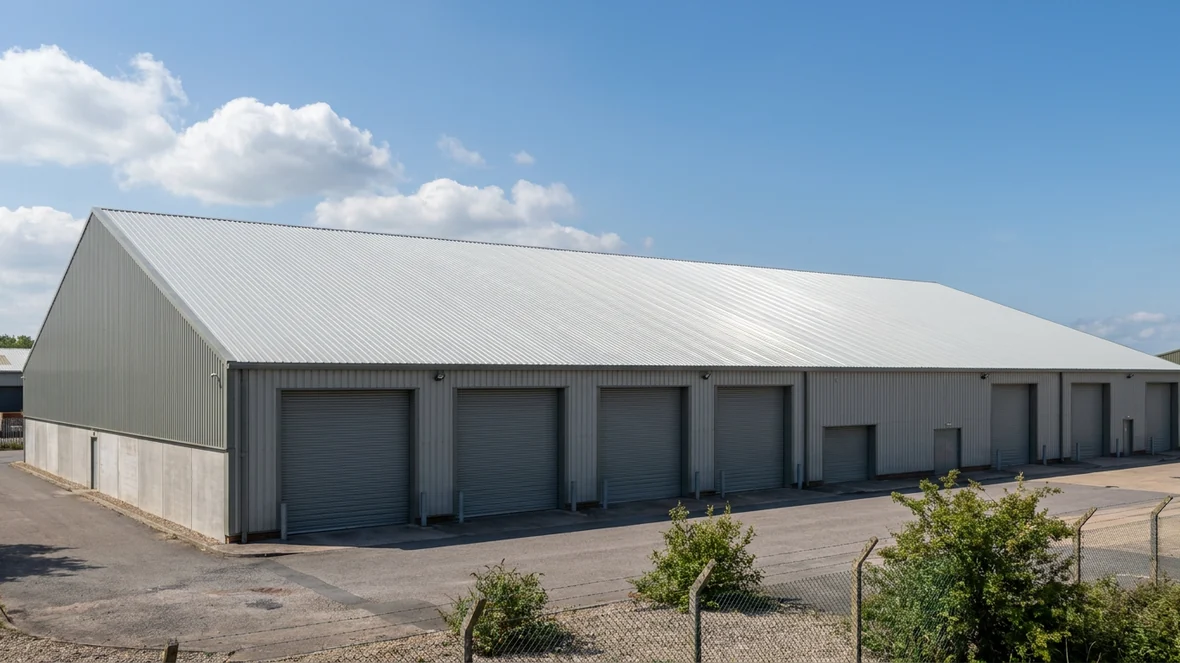
Lichfield’s industrial floorspace sits where the Midlands road network wants it: estates and trading parks serving the A38 and A5, with distribution, light manufacturing and trade-counter units making up most of the stock. The roofs are overwhelmingly profiled metal, much of it installed twenty to forty years ago, and the question facilities teams now face is familiar across Staffordshire: the finish is failing, the leaks are starting, and replacement quotes are alarming. Coating is often the sensible middle path, but only when the roof genuinely suits it.
What an industrial roof coating actually does
A coating system is not paint in the decorative sense. After preparation, repairs and edge treatment, the roof receives a high-build elastomeric layer that bonds to the existing sheet and becomes the new weathering surface. It seals laps and fixings, halts the spread of surface corrosion, and protects the steel from UV and rain for years. What it does not do is add structural strength or fix a deck that is already too far gone, which is why every recommendation we make starts with a survey rather than a brochure.
Cut-edge corrosion: why it concentrates at the laps
On profiled metal roofs around Lichfield the trouble almost always starts at the sheet edges. Steel cut during manufacture or installation has no coating on the cut face, and at every overlap that bare edge sits in a capillary gap that holds moisture. Rust creeps back beneath the finish, lifting it in a tell-tale band along the lap line. Because the corrosion is hidden inside the overlap, it is routinely further advanced than it looks from a gutter inspection, which is one reason photograph-only quotes are worth very little.
Planning the work around your operation
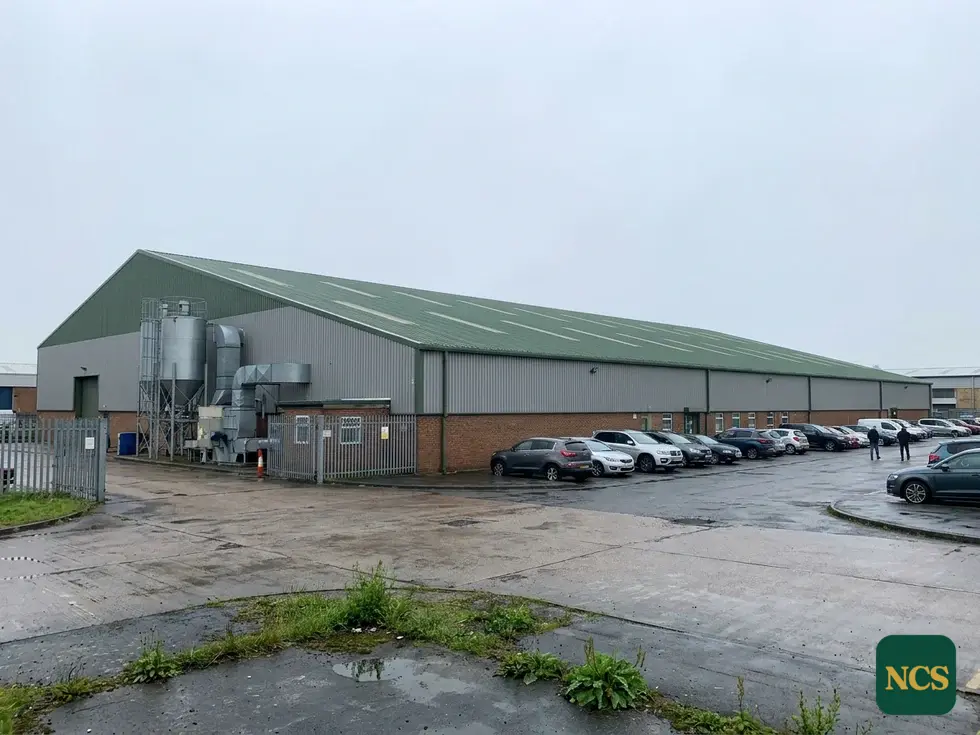
Most of the buildings we survey in this area are in daily use, and coating is well suited to that reality:
- No strip-off: the building stays watertight for the entire programme
- Work phased by roof area, so yards and loading doors stay usable
- No heavy cranage and no skips of waste sheeting through the estate
- Quieter than replacement, with noisy preparation scheduled by agreement
- Suitable for occupied and multi-let estates with proper exclusion zones
For estates teams managing several units, the work can be programmed across buildings in priority order, with the survey findings deciding which roofs need attention first.
An honest view: coating is not always right
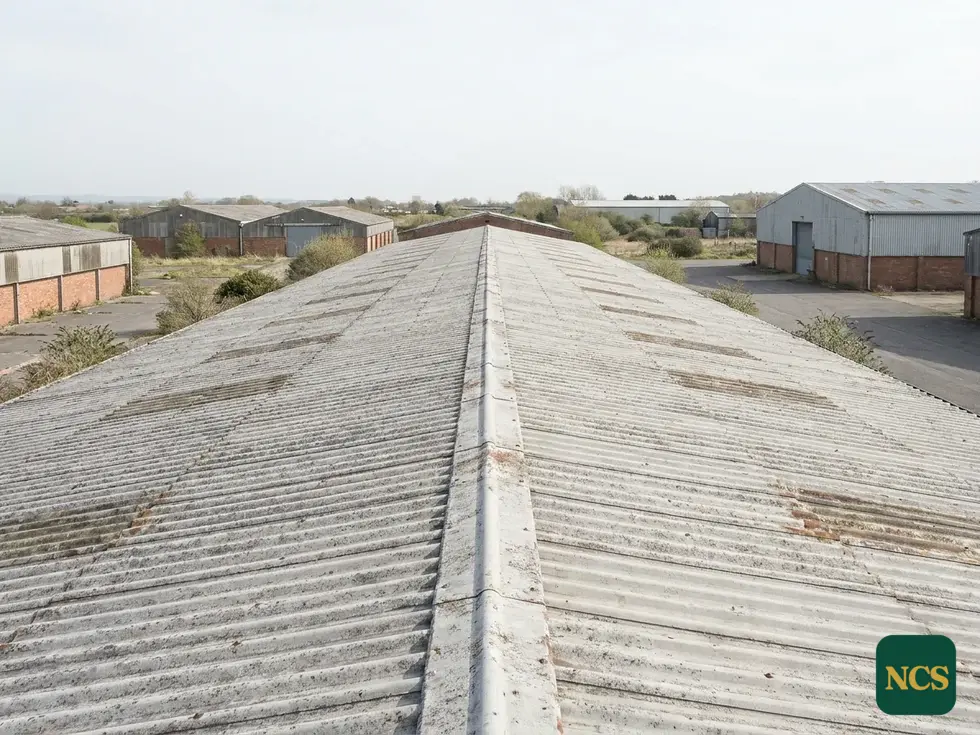
Some roofs in Lichfield will not be candidates, and we would rather establish that on day one. Widespread perforation, corrosion that has reached fixings and purlins across the roof, saturated insulation in built-up systems, or severely degraded fibre cement all mean coating would be money spent on the wrong answer. Where the survey finds these conditions, the report recommends repair or replacement instead and explains why, with photographs you can put in front of a budget holder. Coating earns its place by being the right tool for roofs in the recoverable middle of their life, not a cure-all.
Next step: a survey, not a sales call
We work survey-first across England from our South-East base. One visit establishes the condition of the sheets, edges, fixings, gutters and rooflights, whether the existing finish will accept a coating, and what preparation the roof needs. From there you get a written scope and programme, or a written recommendation not to proceed. Either outcome leaves you better informed than another winter of bucket management.