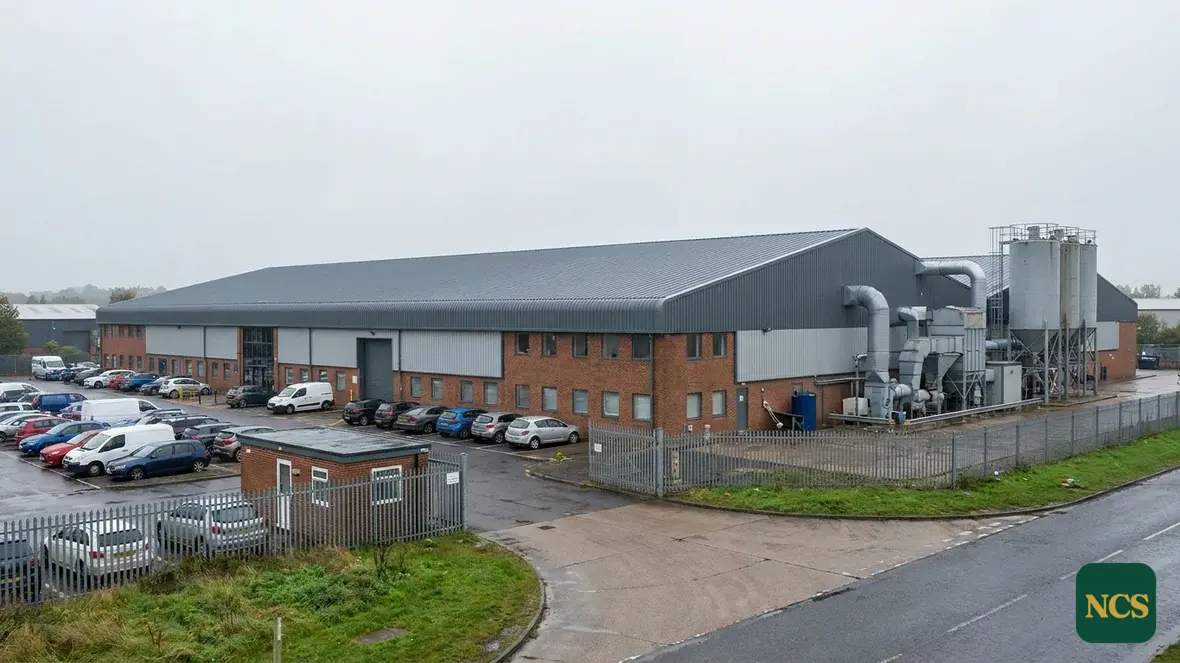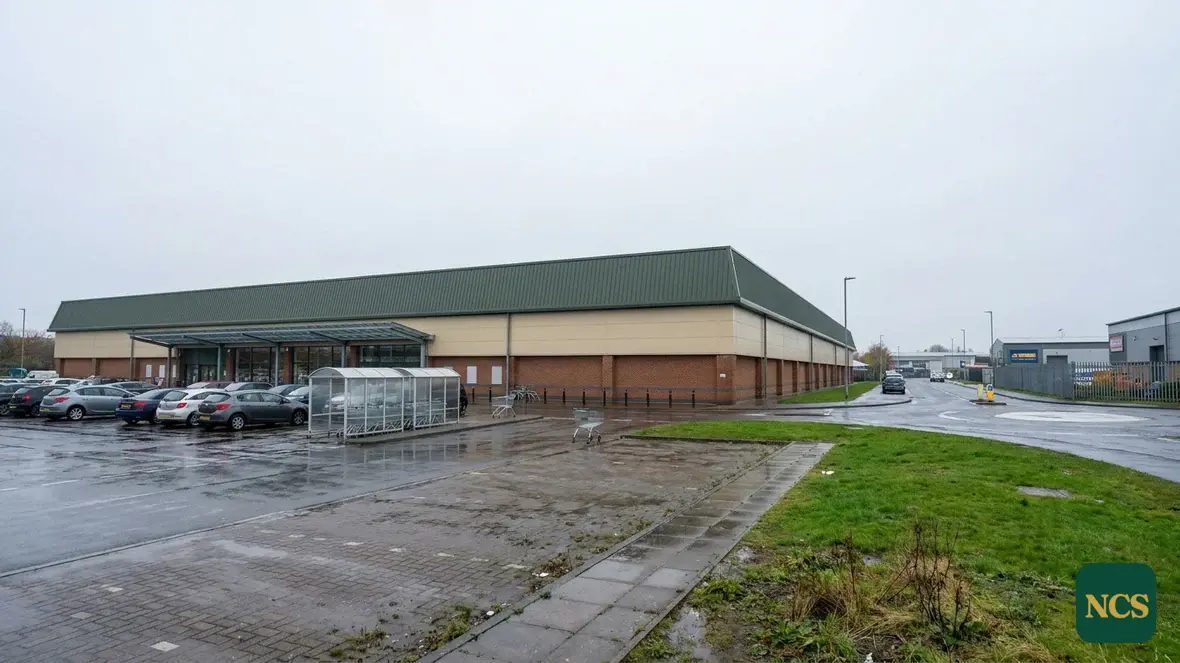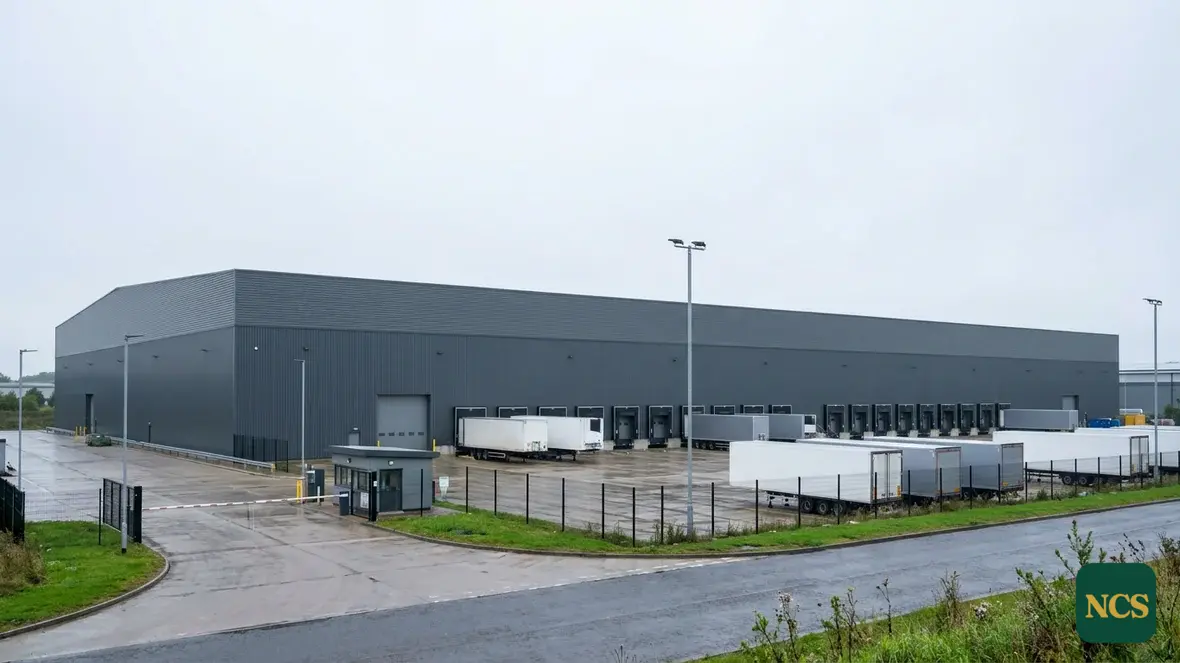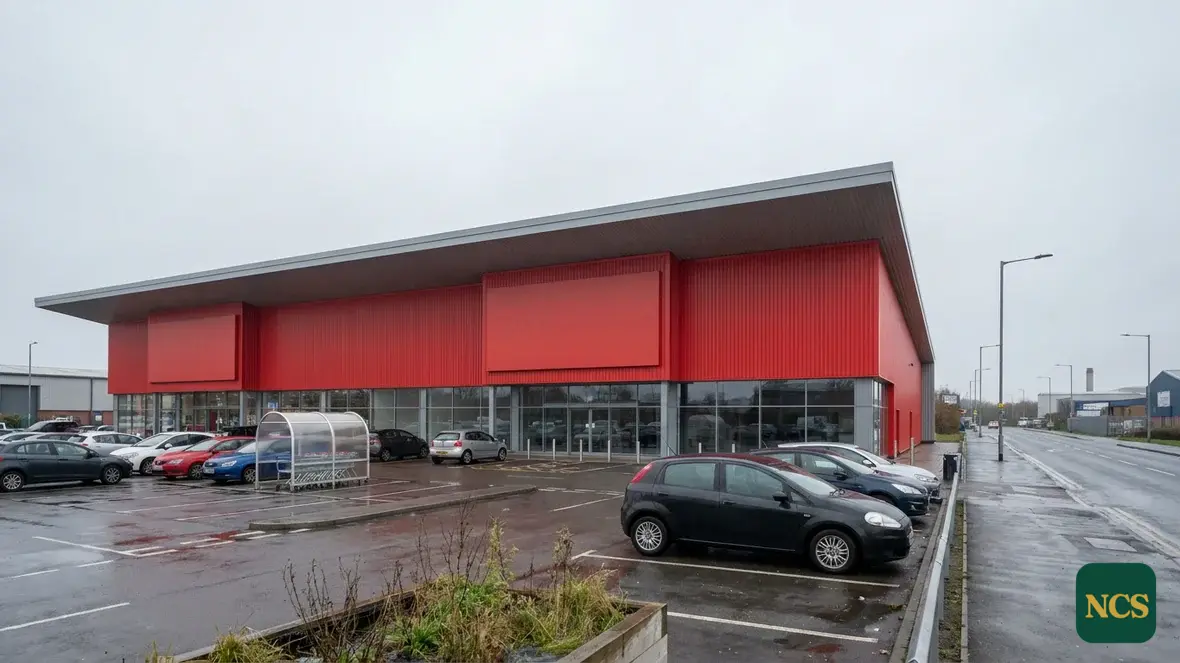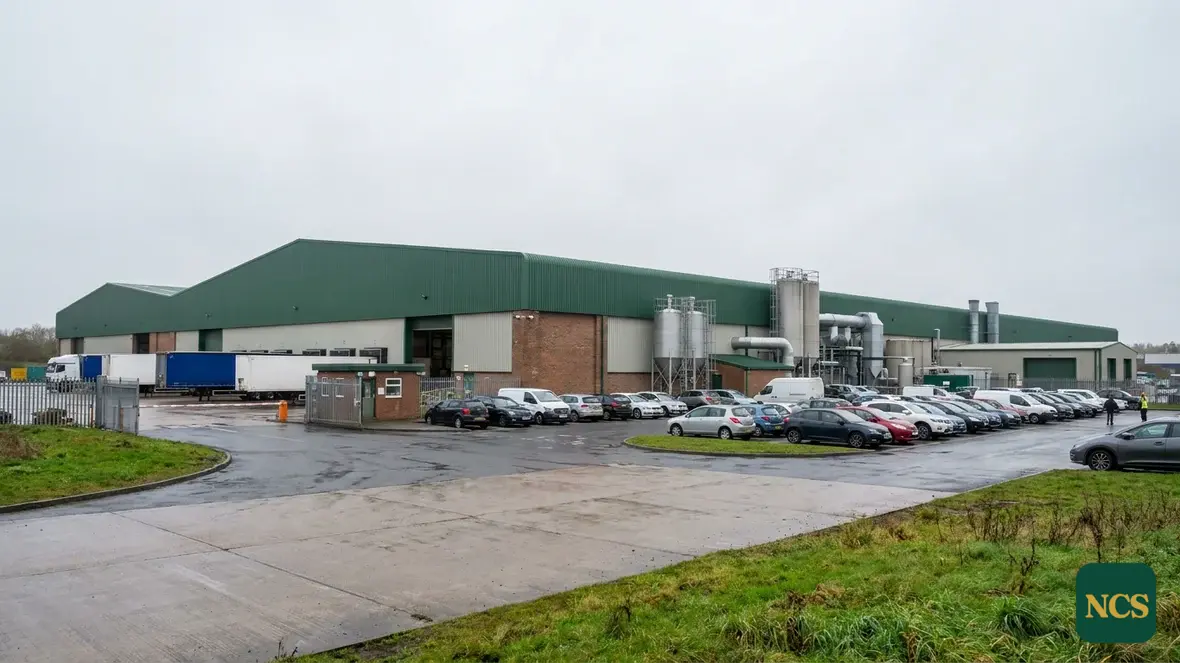
Milton Keynes was planned around movement and storage, and the result is one of the largest concentrations of distribution and warehouse floorspace in the country. A lot of that stock dates from the city’s first decades of growth, which means a lot of profiled metal roofing now thirty to fifty years old. On buildings of this scale the roof is a major asset in its own right, and the choice between coating and replacement is one of the larger calls a maintenance plan has to make. Getting it right starts with knowing what condition the metal is really in.
Why first-generation logistics roofs are failing now
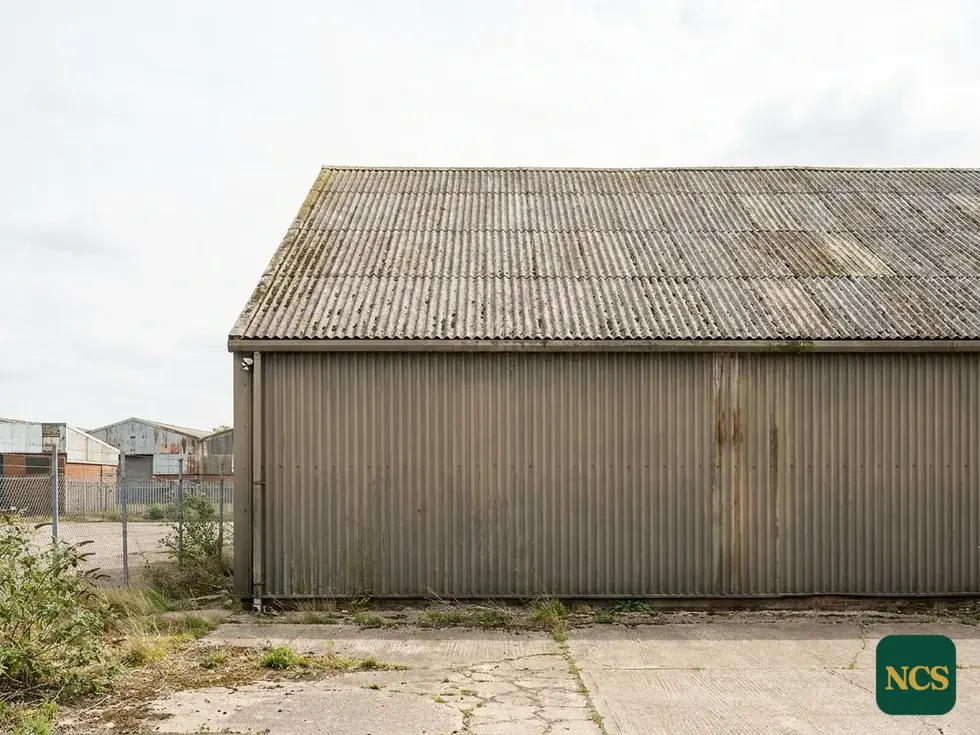
The plastisol and polyester finishes applied to sheets in the 1980s and 1990s had a design life far shorter than the buildings they covered. Once the finish chalks and peels, corrosion begins at exposed steel: cut edges at every overlap, fastener points, and damage from decades of foot traffic and maintenance visits. The sheets themselves are usually still structurally sound. The economics of coating rest on that fact: protect the remaining metal now, rather than pay to remove and replace thousands of square metres of it later.
Cut-edge corrosion at warehouse scale
On a small unit, cut-edge corrosion is a defect. On a 10,000 square metre distribution roof it is a programme, because the lap lines run for kilometres in total and every metre is a potential failure point. Treatment is methodical: each affected edge is prepared back to sound metal, primed and sealed, fixings are replaced or encapsulated where washers have failed, and the full coating system then goes over the prepared roof. Scale makes the survey stage more important, not less, because the difference between ten per cent and forty per cent edge deterioration changes the scope dramatically.
Phasing around a live distribution operation
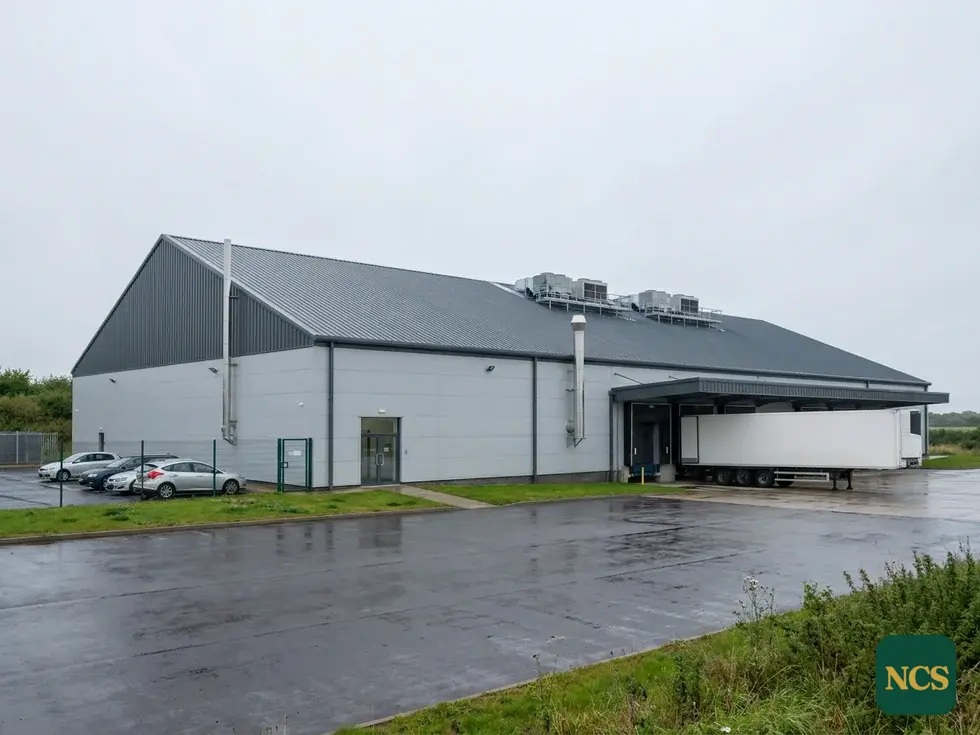
Distribution sites in Milton Keynes run to the clock, and roofing work has to respect that. Coating suits this environment better than any alternative because the building is never opened up. We plan with the site team:
- Roof areas phased to match yard usage and trailer movements
- Exclusion zones beneath access points, kept tight and moved daily
- No strip-off, so racking and stock are never exposed to weather
- Noisy preparation timed away from sensitive operations where required
- Clear daily reporting to the facilities contact
For estates teams running more than one building on the grid, surveys can rank the portfolio so the budget goes to the roofs that need it first.
The honest limits of coating
Coating protects metal that still has life in it. It cannot rescue a roof that has gone past the point of recovery, and on some Milton Keynes stock that will be the finding. Perforation across large areas, corrosion into purlins and structural fixings, saturated insulation in built-up roofs, or repair scopes so extensive they rival replacement all point the other way, and our survey report will say so directly, with the photographic evidence to support a capital application if that is where the building is heading. Where coating is viable, you get a scoped specification, a phasing plan and a programme. Where it is not, you get the truth early, which on buildings this size is worth a great deal.
Start with the survey
We are a South-East based contractor working England-wide, and Milton Keynes sits comfortably within our regular range. One survey visit establishes edge condition, fixing and gutter state, finish adhesion and the realistic scope of pre-coating repairs. If the roof on your unit has reached the age where every winter produces a new leak report, the survey is the quickest way to turn that into a plan.